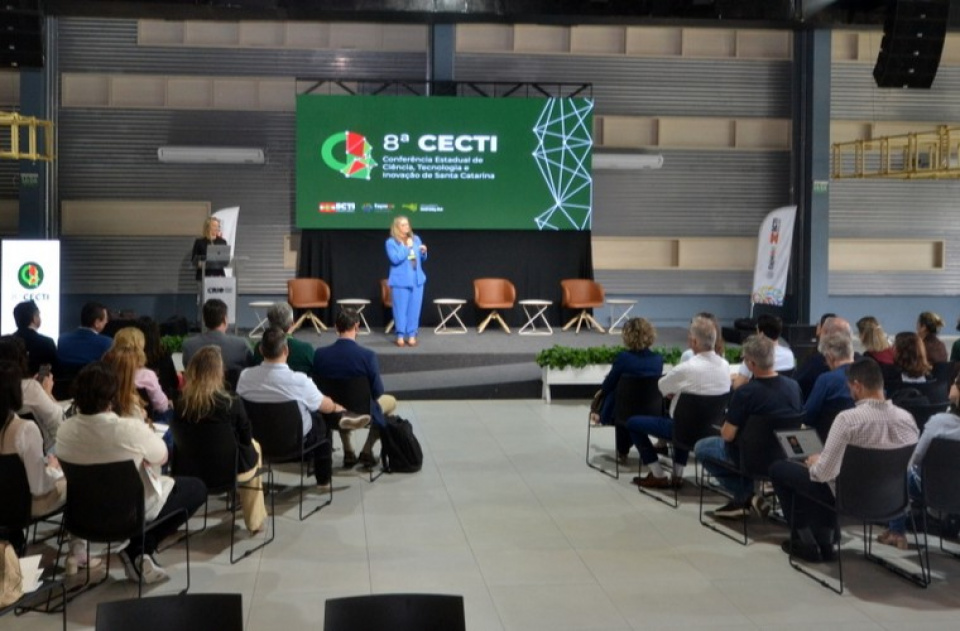
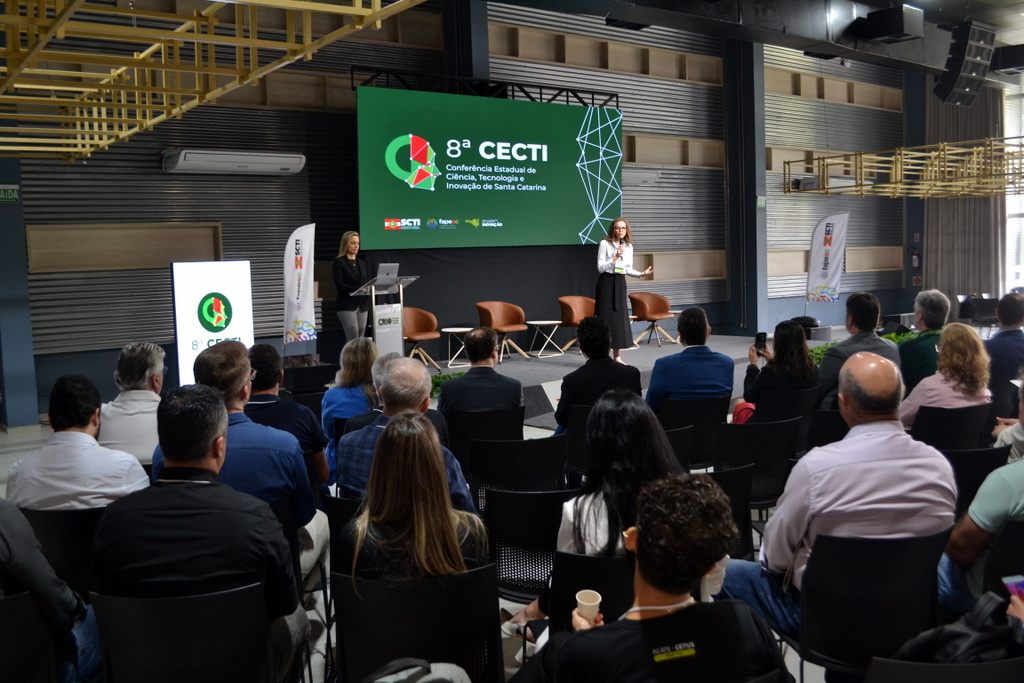
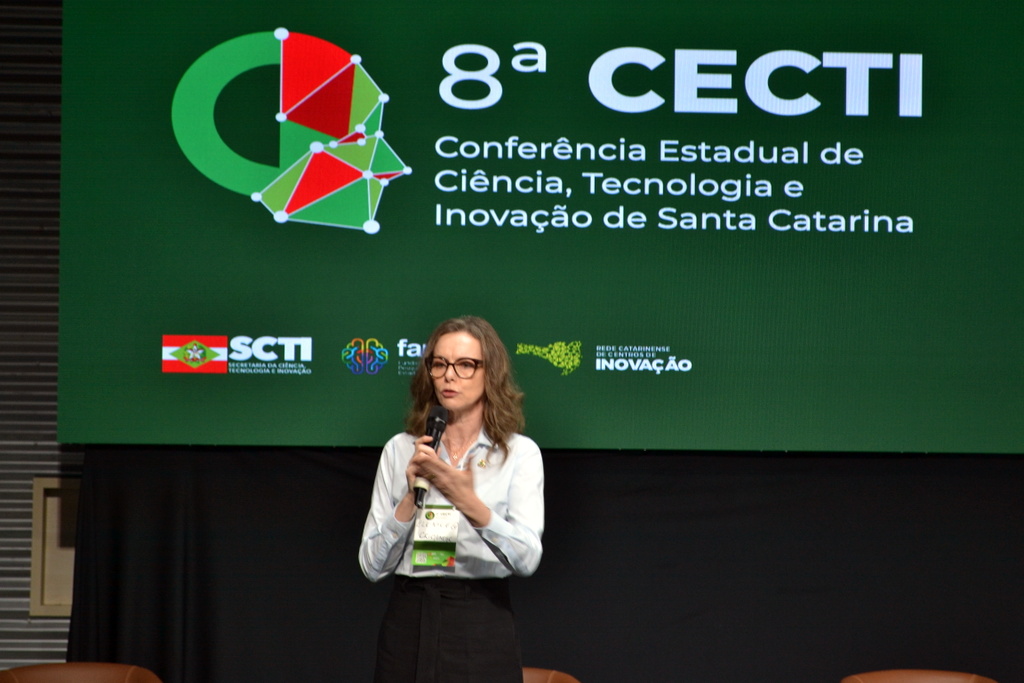
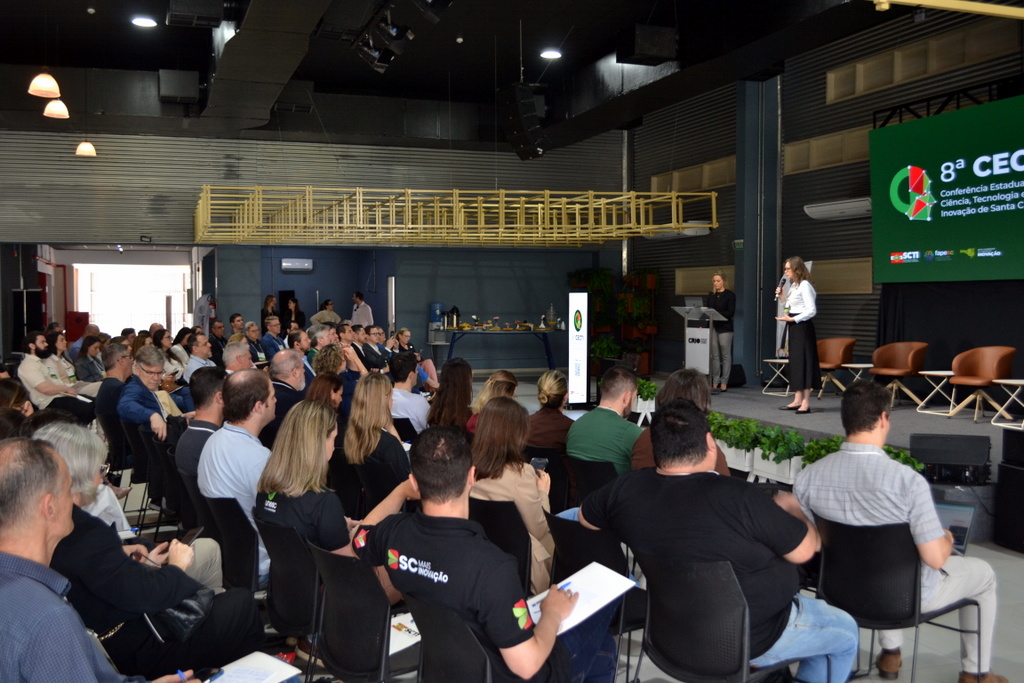
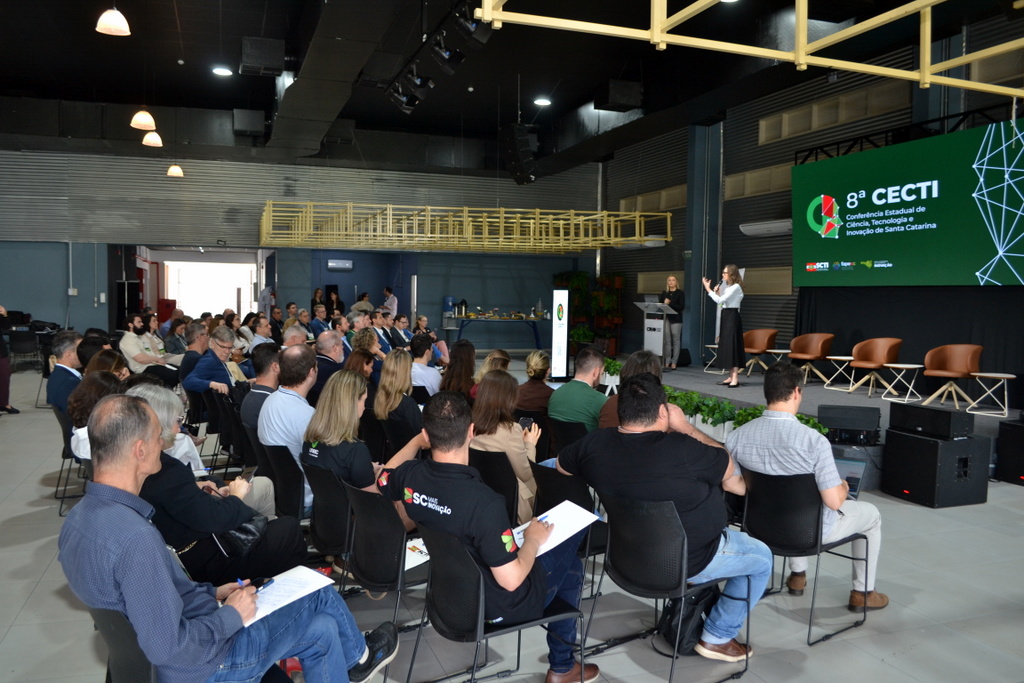
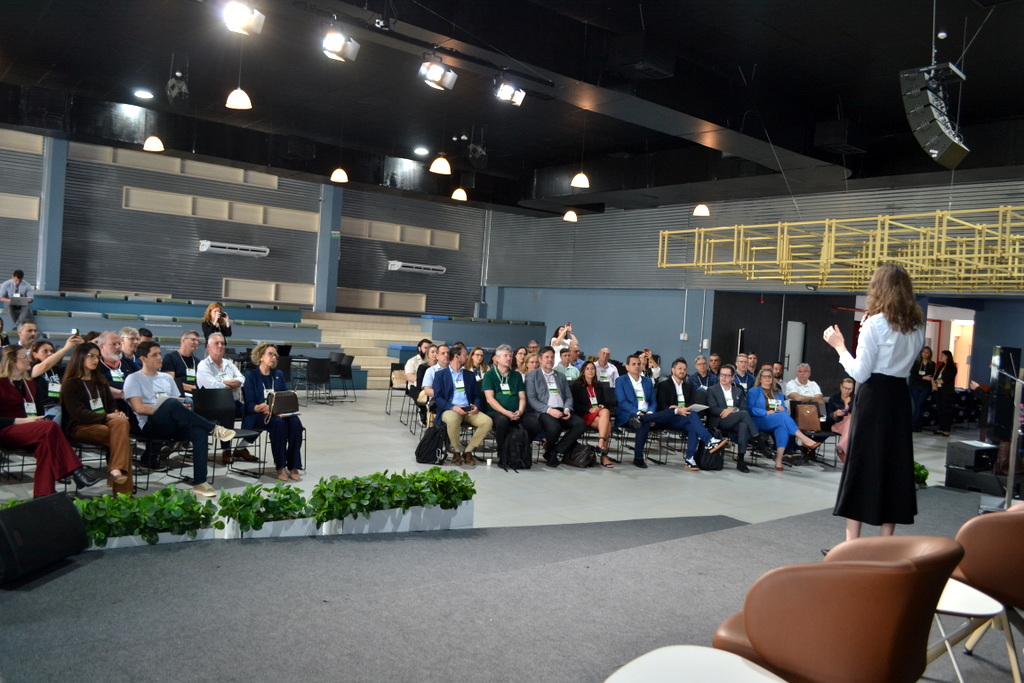
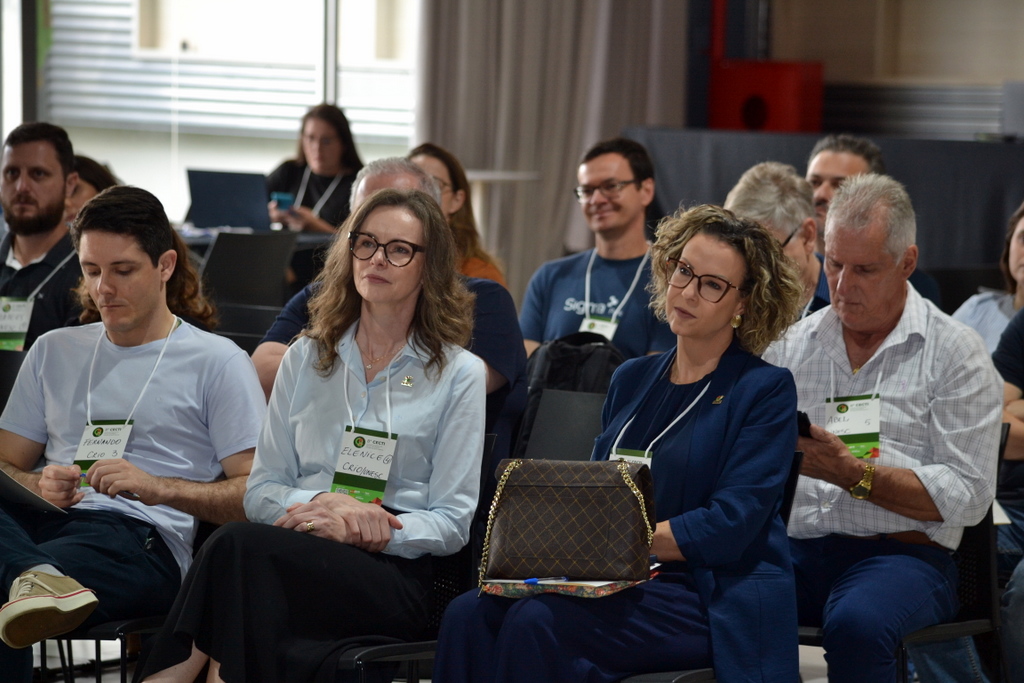
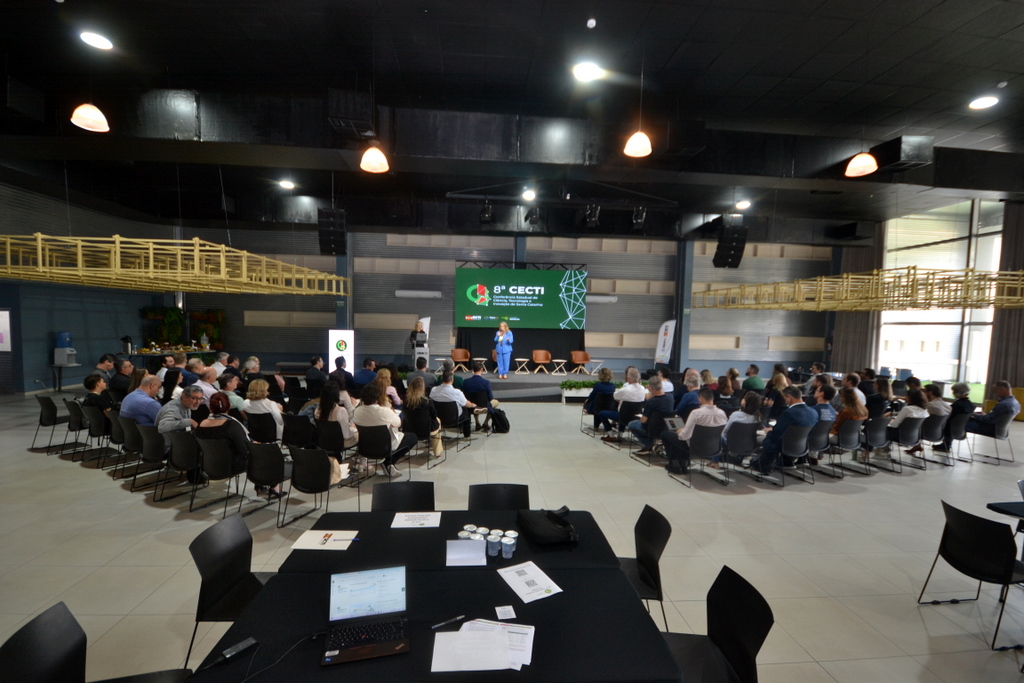
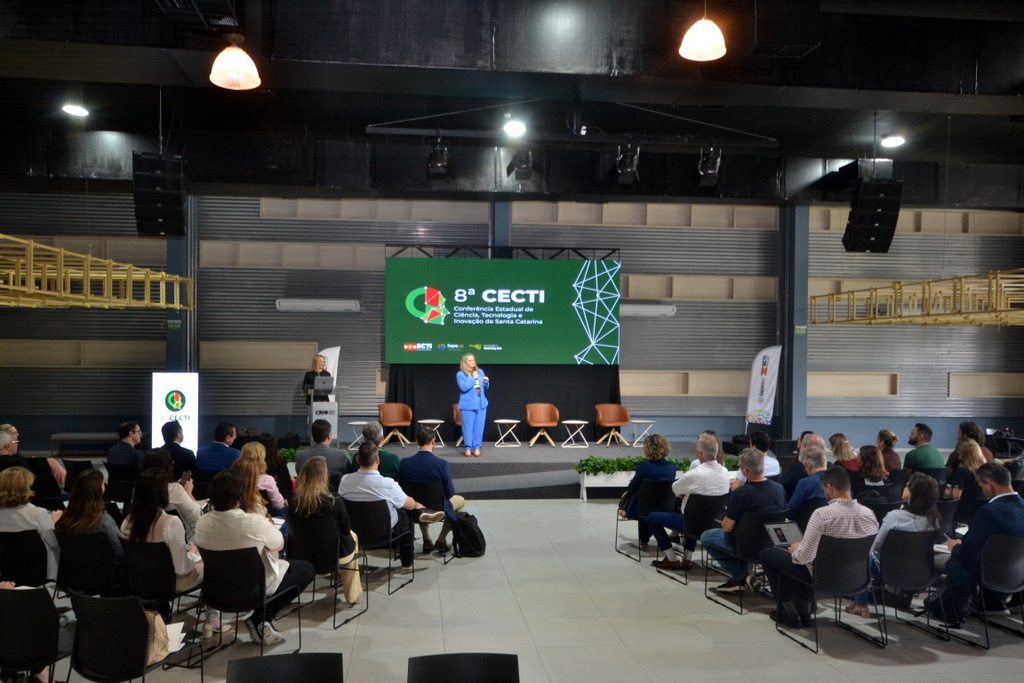
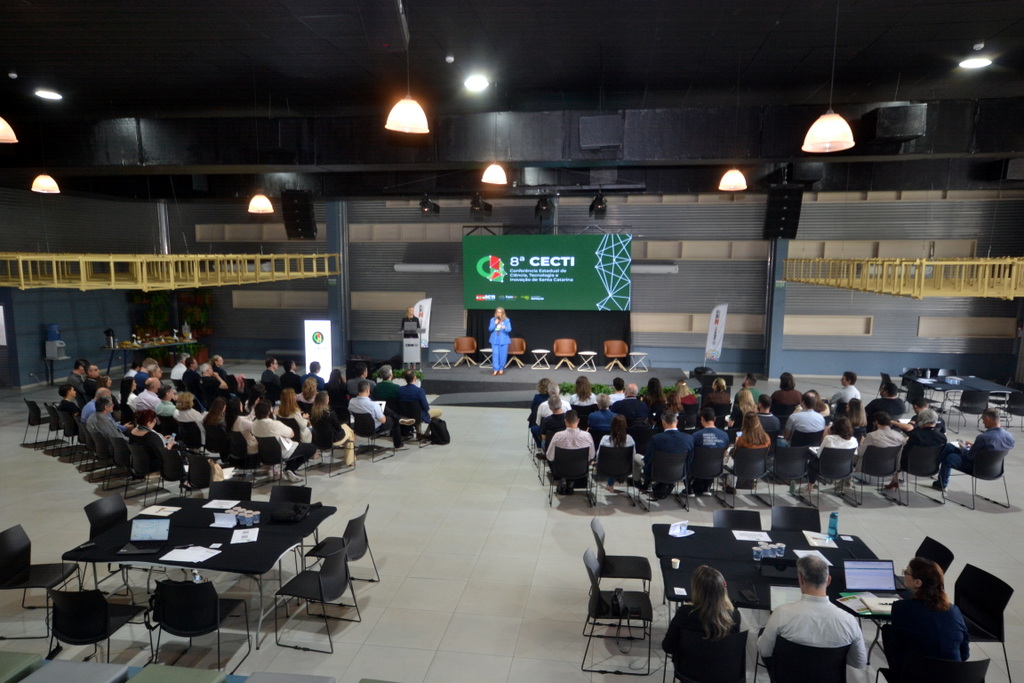
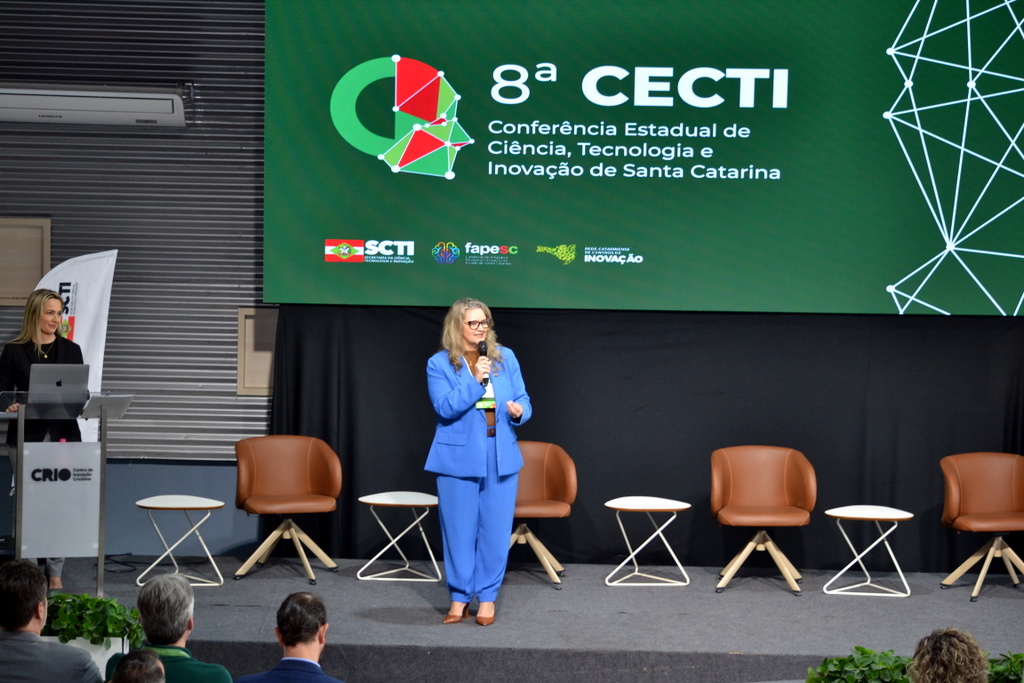
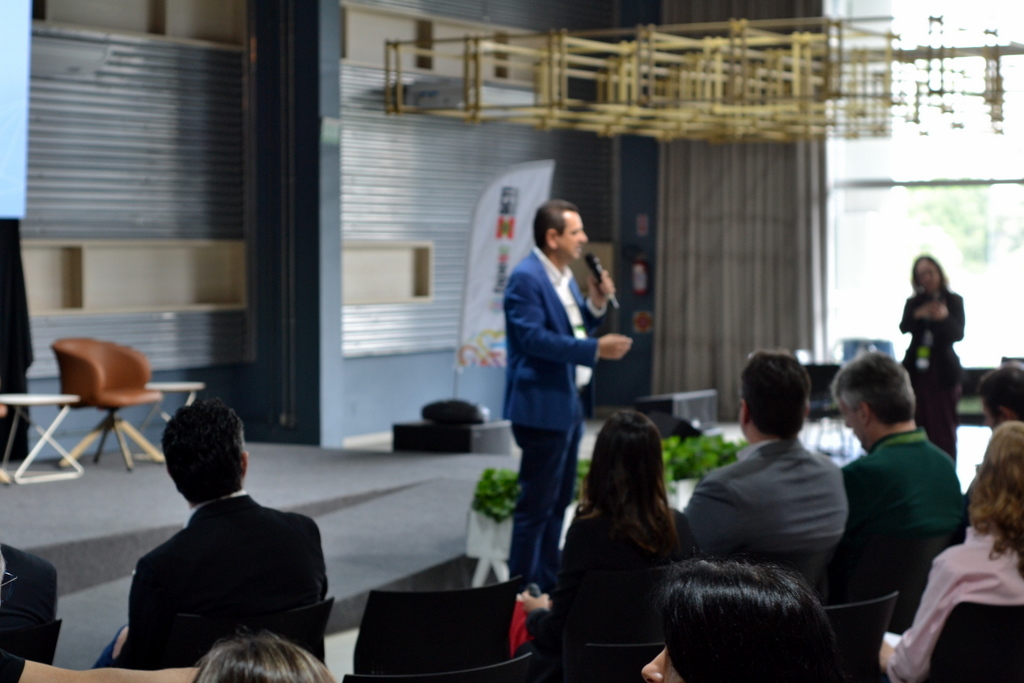
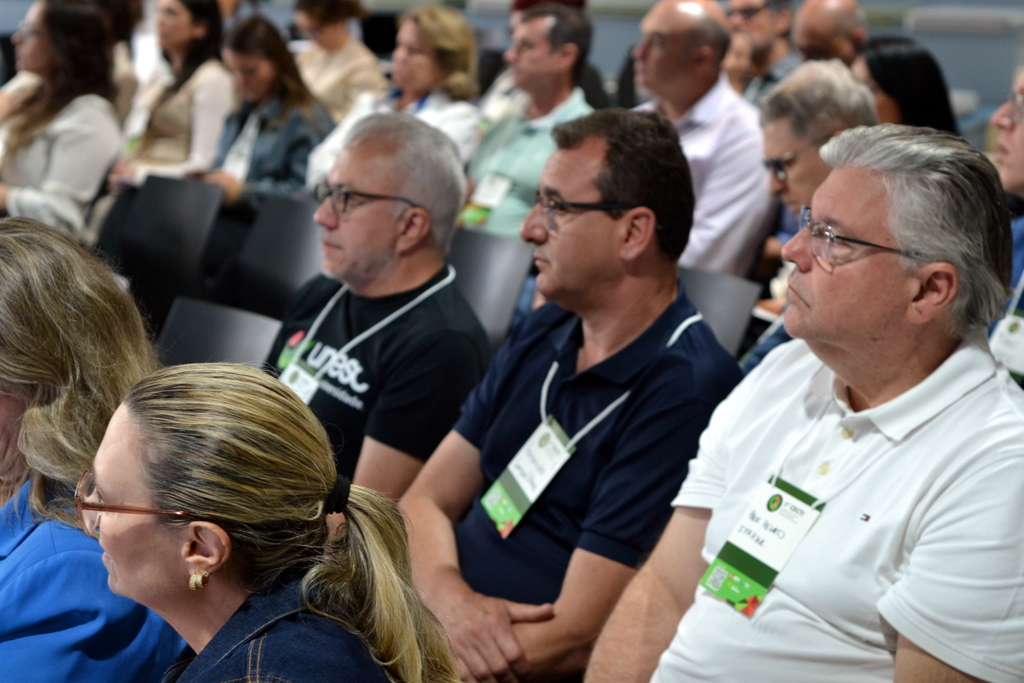
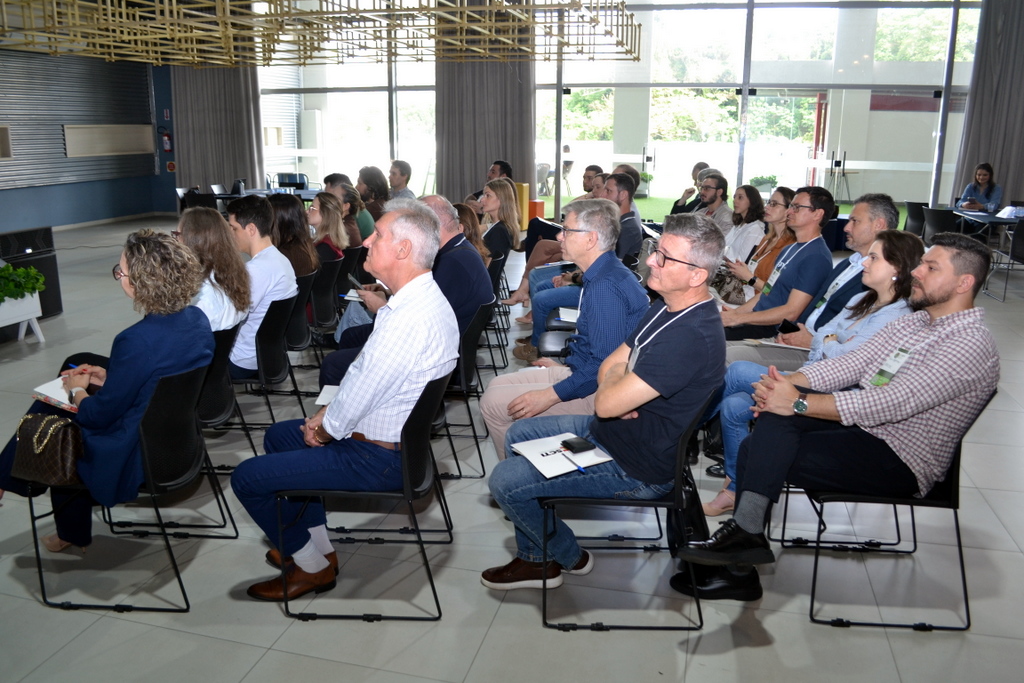
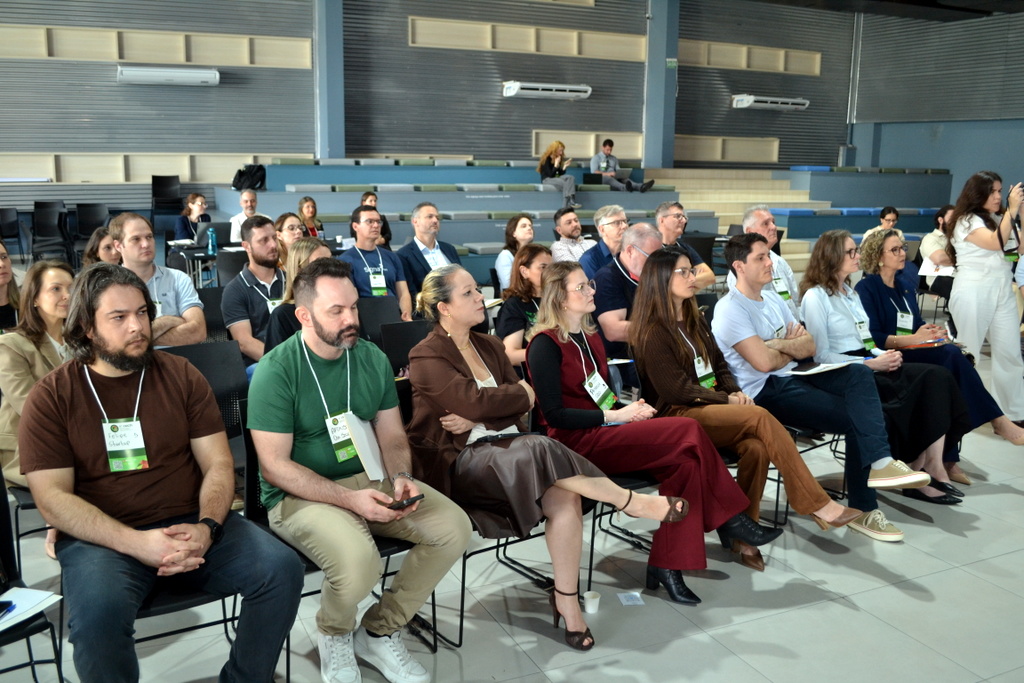
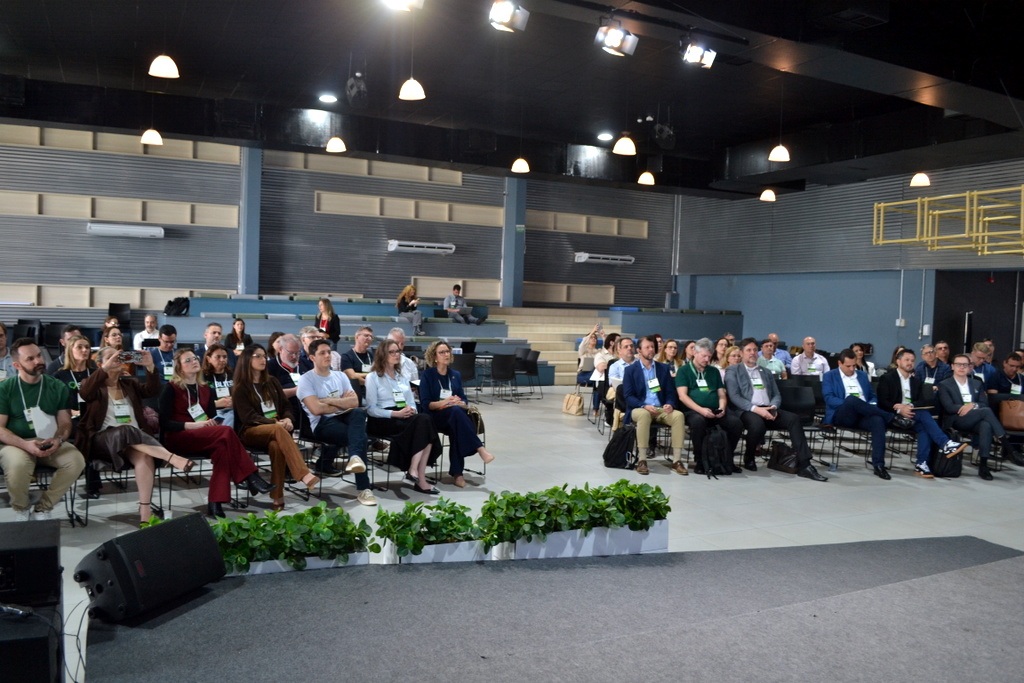
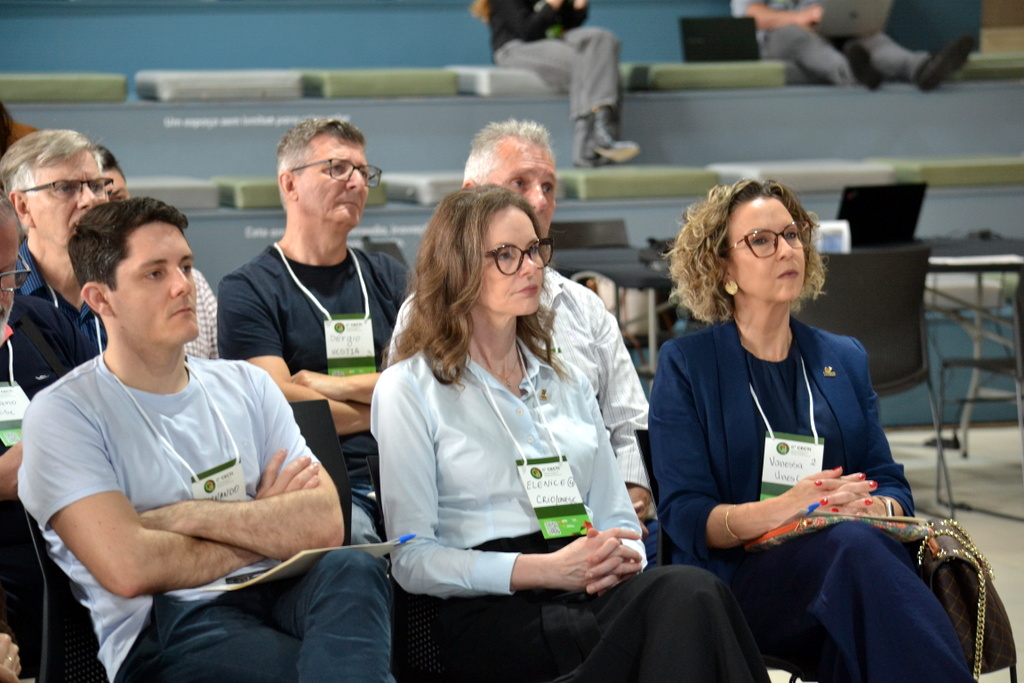
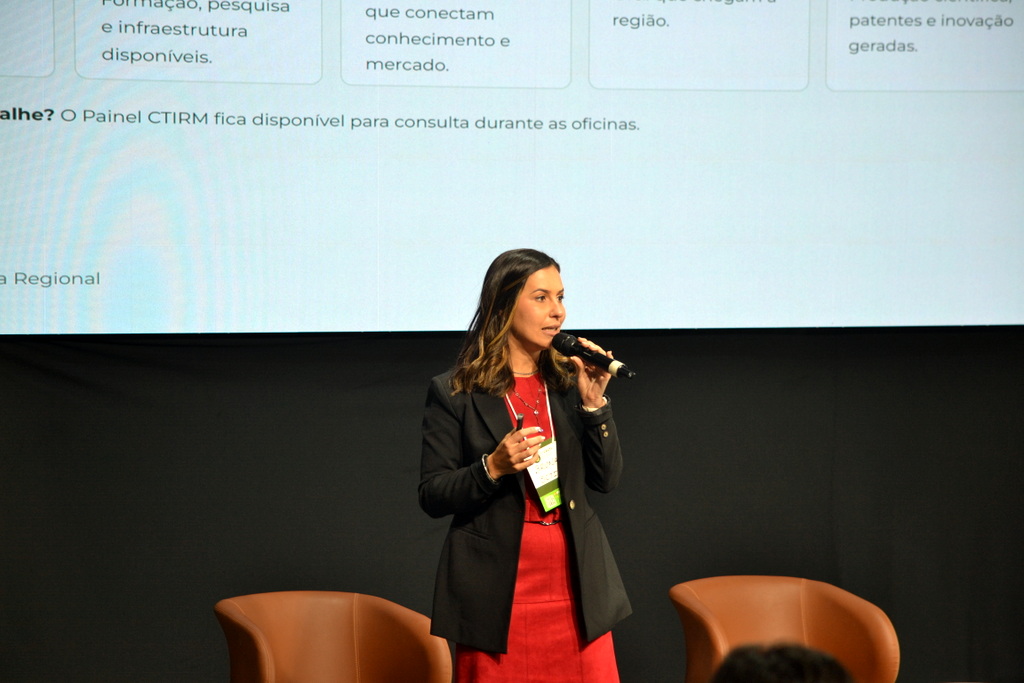
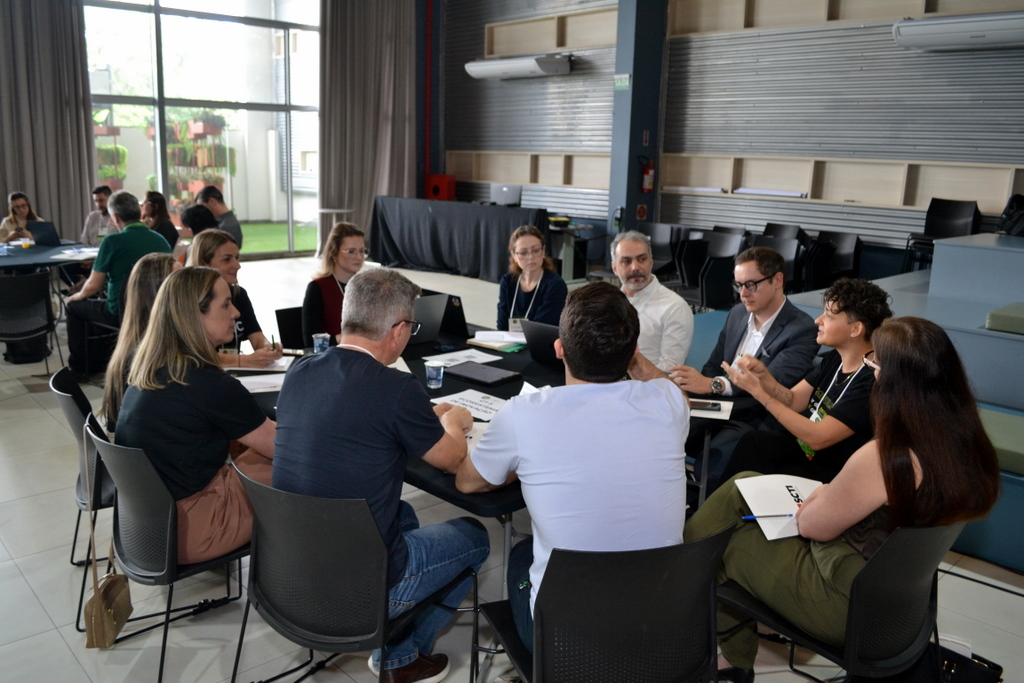
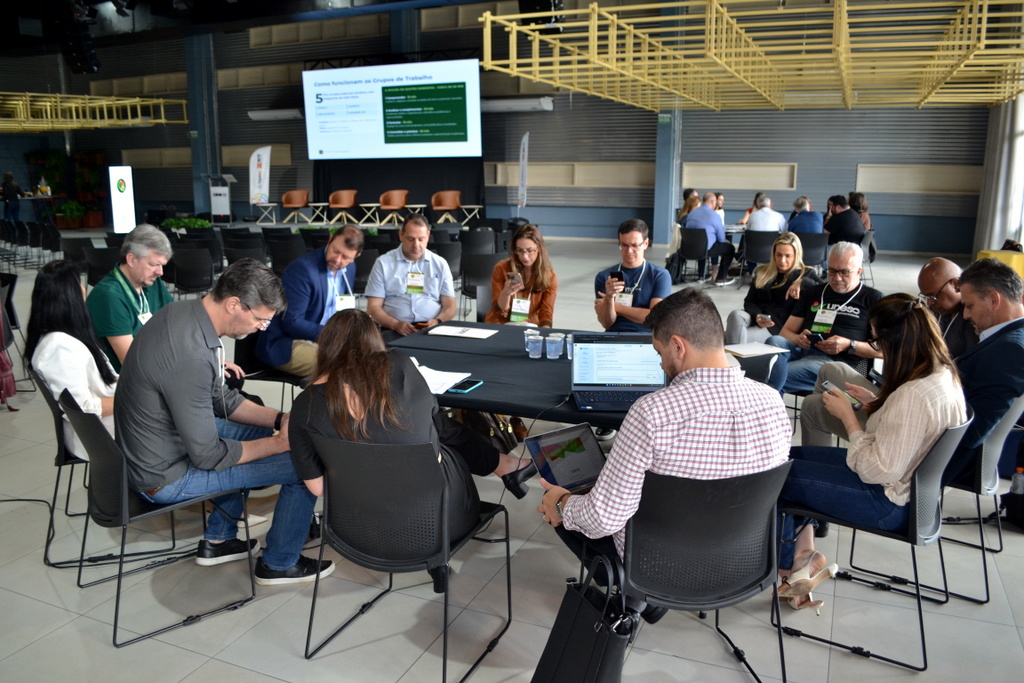
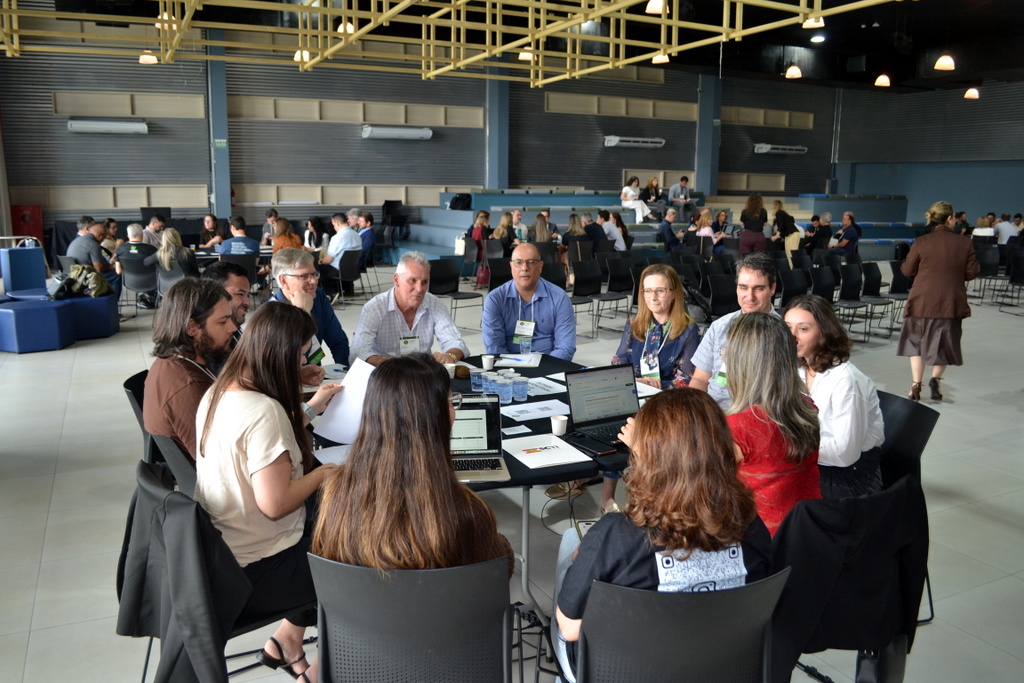
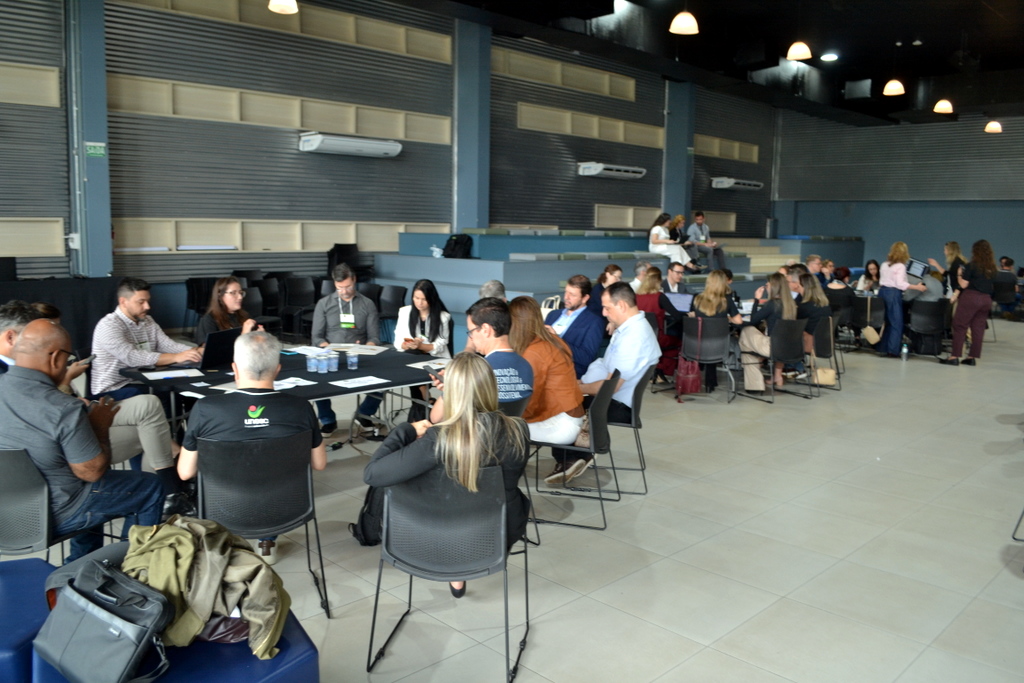
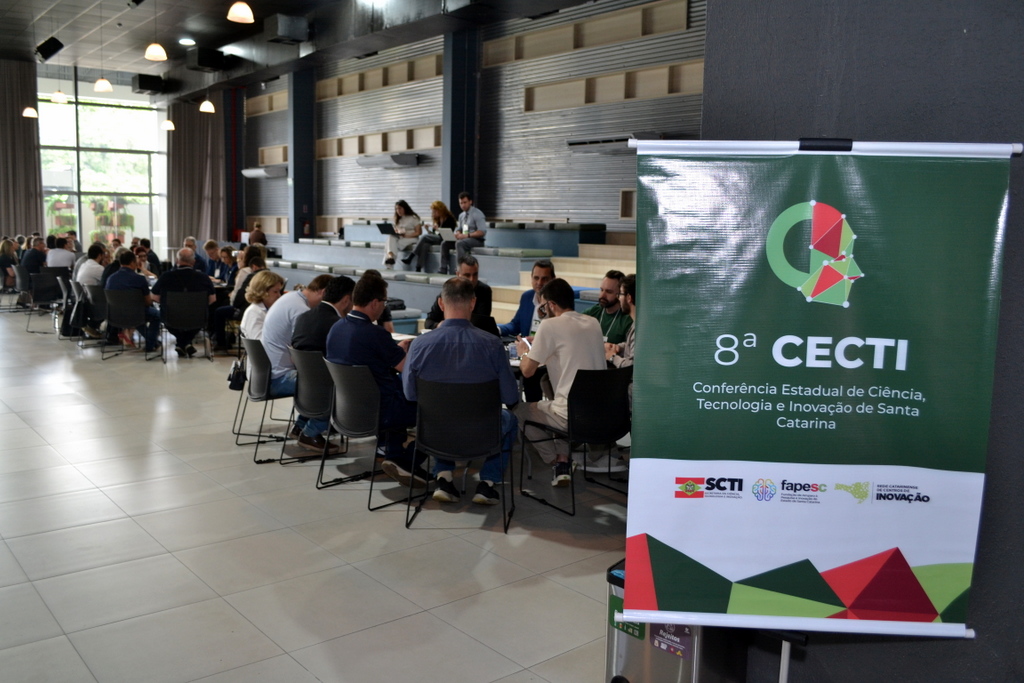
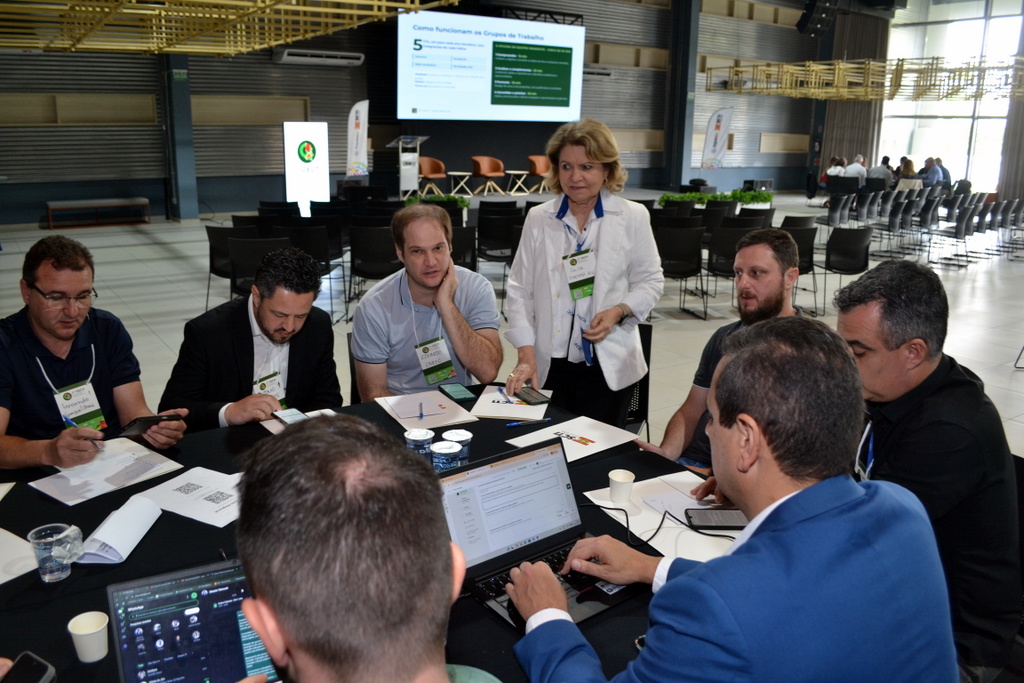
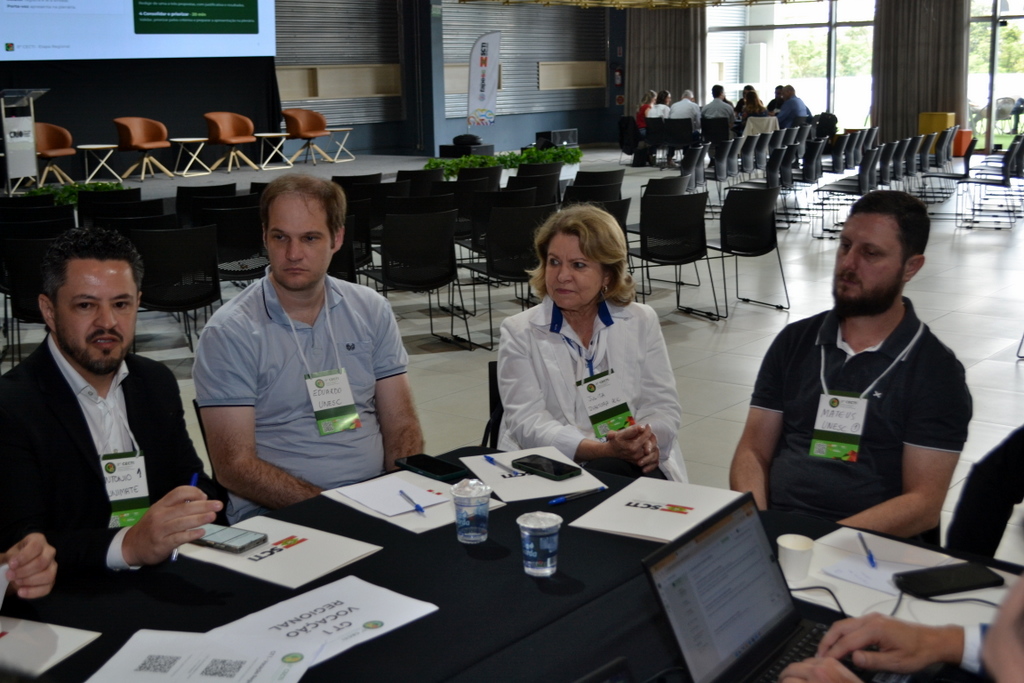
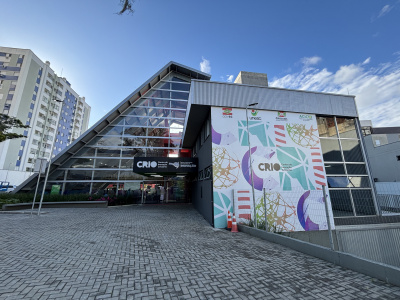
The Criciúma Innovation Center (CRIO) was the meeting place on the morning of this Thursday (November 5) for researchers, entrepreneurs, and institutional managers to think about the future of Southern Santa Catarina. The venue hosted the regional stage of the 8th State Conference on Science, Technology, and Innovation (CECTI), serving to discuss the different local realities and build the guidelines for the State Plan for Science, Technology, and Innovation (2026–2028), which will be finalized in December in Florianópolis.
In addition to Criciúma, strategic cities such as Blumenau, Joinville, Florianópolis, Lages, and Chapecó are part of the debate circuit that spans the entire state.
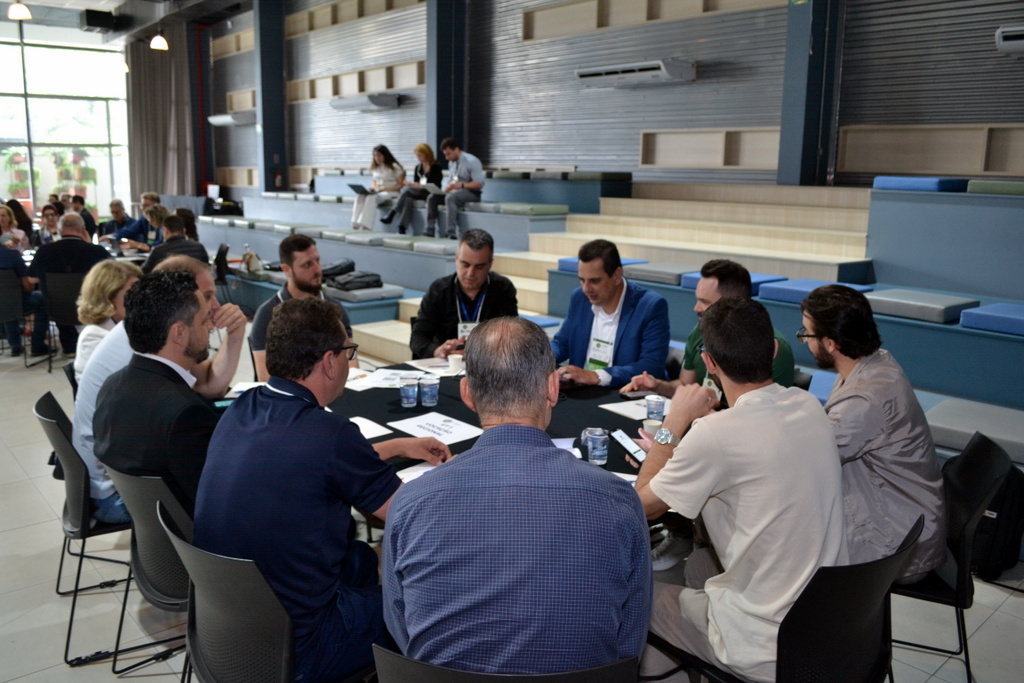
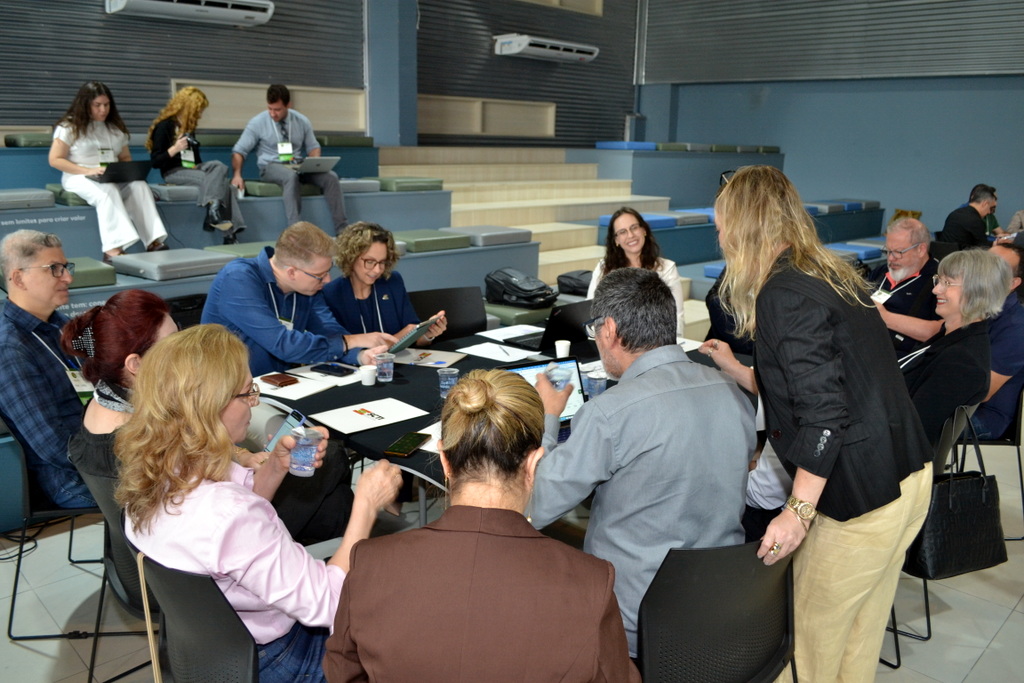
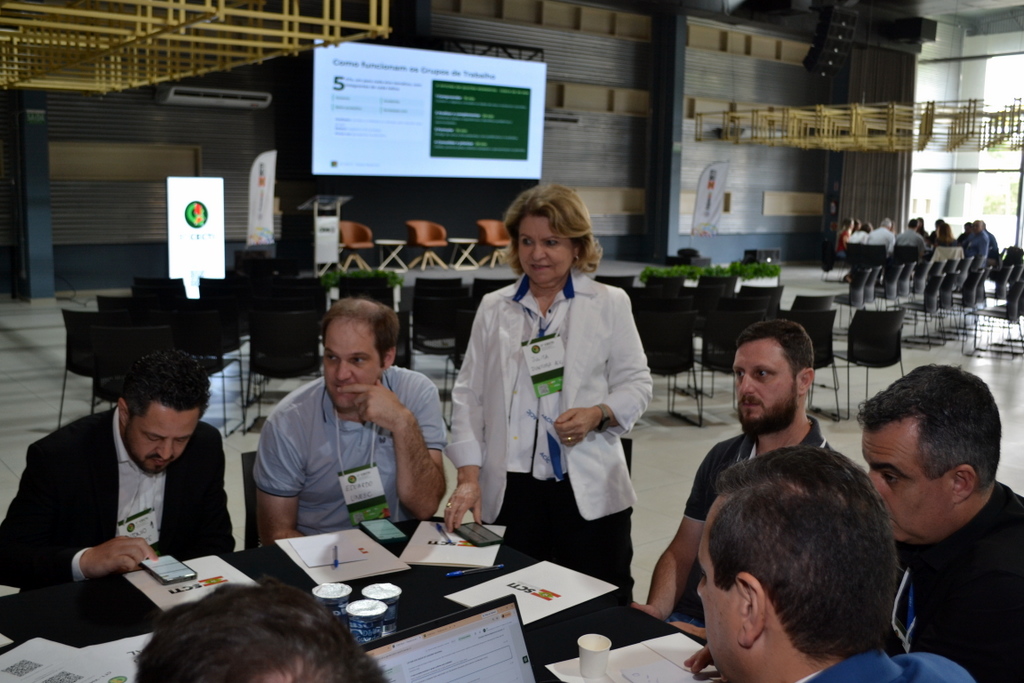
Held in partnership with the Santa Catarina Research and Innovation Support Foundation (Fapesc), the conference was structured to transform ideas into practical actions. The program included four central moments: opening in plenary, immersion in focus groups, presentation and approval of regional strategies, and the agreement on motions. By combining current data with the experiences of those who make innovation happen daily, participants mapped opportunities, faced challenges, and defined concrete priorities to boost the region.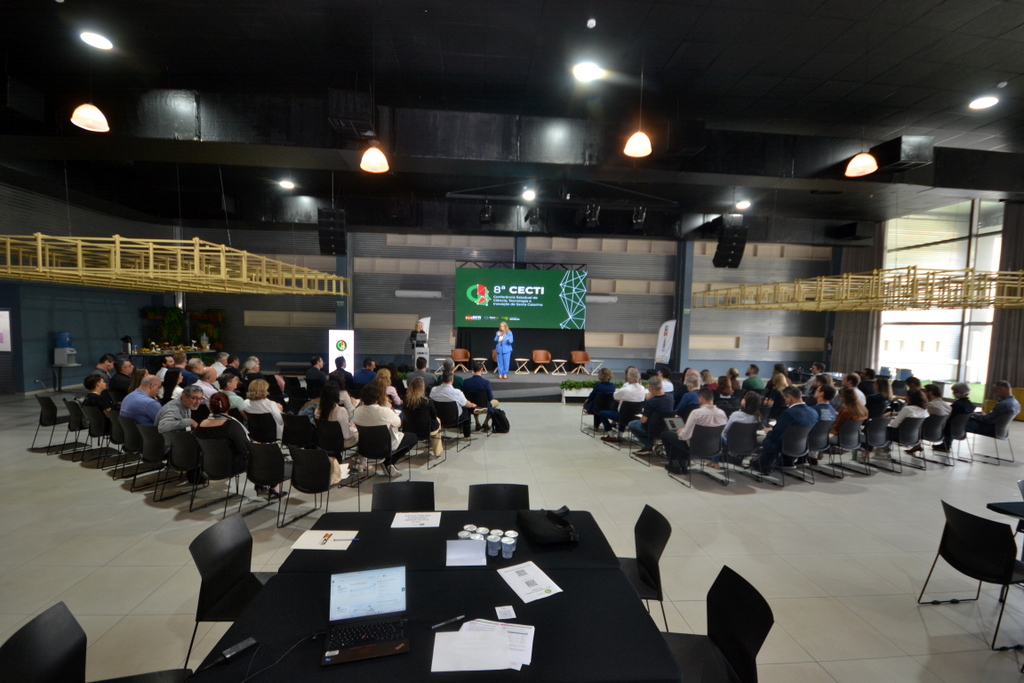
The strength of regional unity
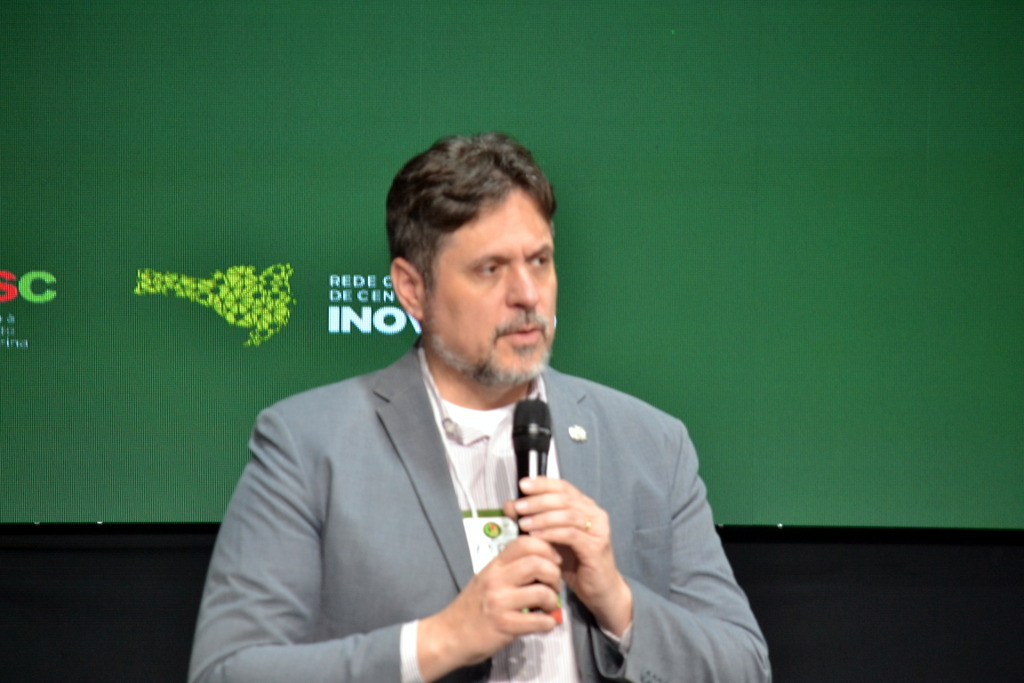
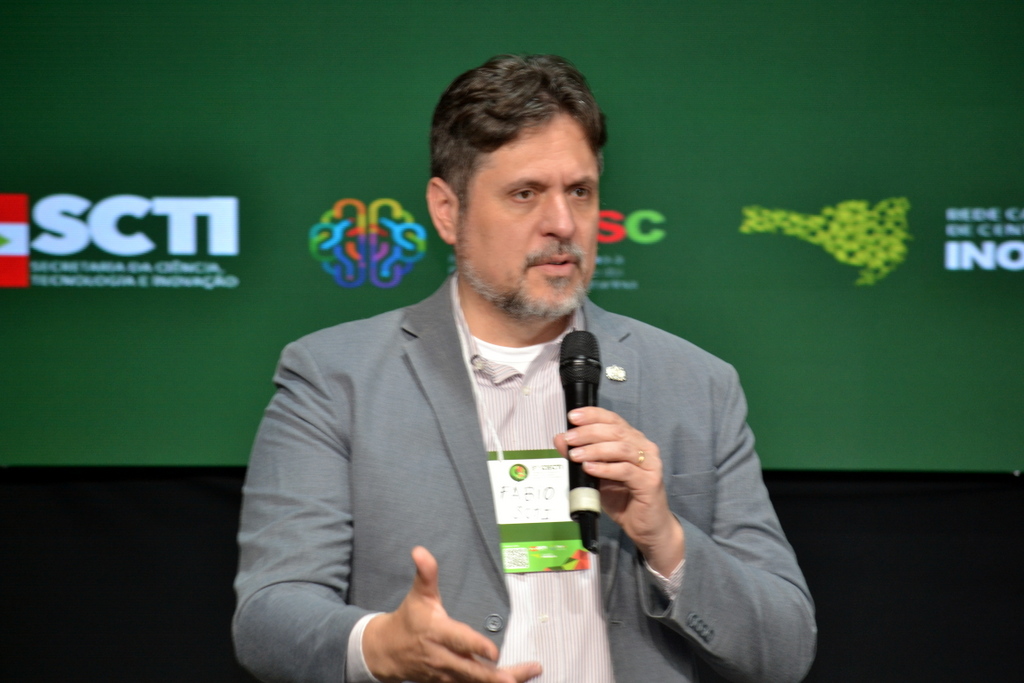
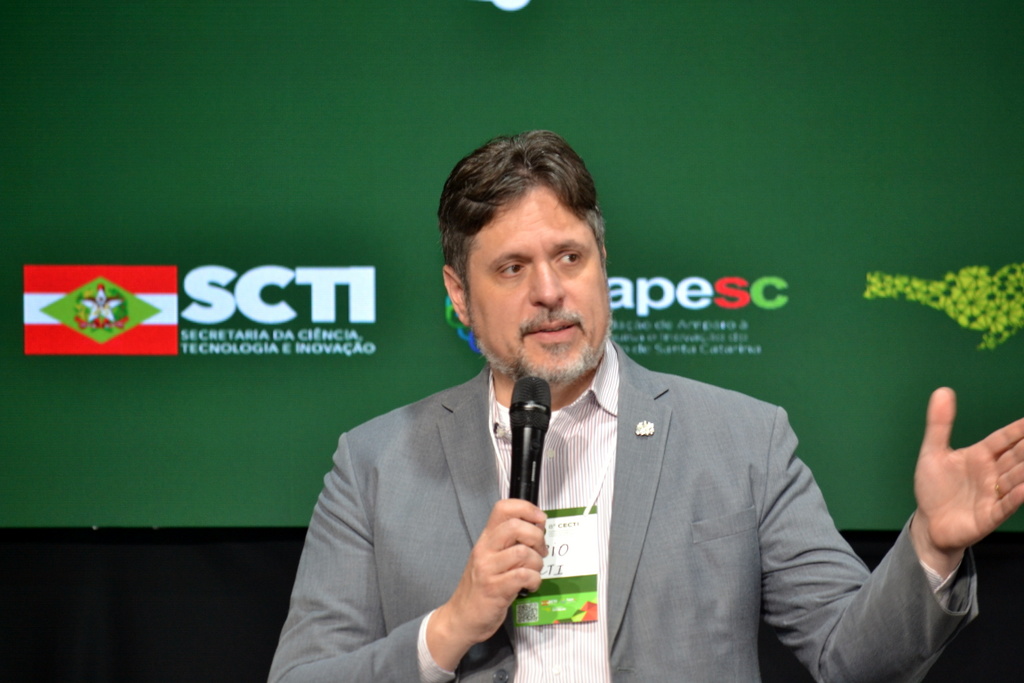
According to the State Secretary for Science, Technology, and Innovation, Fábio Wagner Pinto, the cozy environment of CRIO embodies the essence of what the State Government seeks with this initiative. "CRIO is an extraordinary structure, very well maintained and managed by Unesc, to serve as a regional innovation center. Hosting the 8th edition of the Conference here brings not only academia but also representatives from the commercial association, the plastics industry, and municipalities in the region. This highlights the importance of this Center's role as a regional reference," emphasized the Secretary.
Fábio also praised the space's ability to bring together forces in support of the local community. "We have a full house and groups working actively. There was no more suitable choice. CRIO manages to be a very interesting central point to directly gather all the actors. The State Government feels at home here, as there are various funding calls directed at incubated companies, Unesc itself, which manages the structure, and the Center," he added.
Innovation connected to reality
The interaction between academia, the productive sector, public authorities, and society, a concept known as the "quadruple helix," is the heart that makes CRIO thrive. Representing the Unesc rectorate at the event, the manager of CRIO and Innovation Manager at Unesc, Elenice Padoin Juliani Engel, highlighted how the event reflects the purpose of the Innovation Center.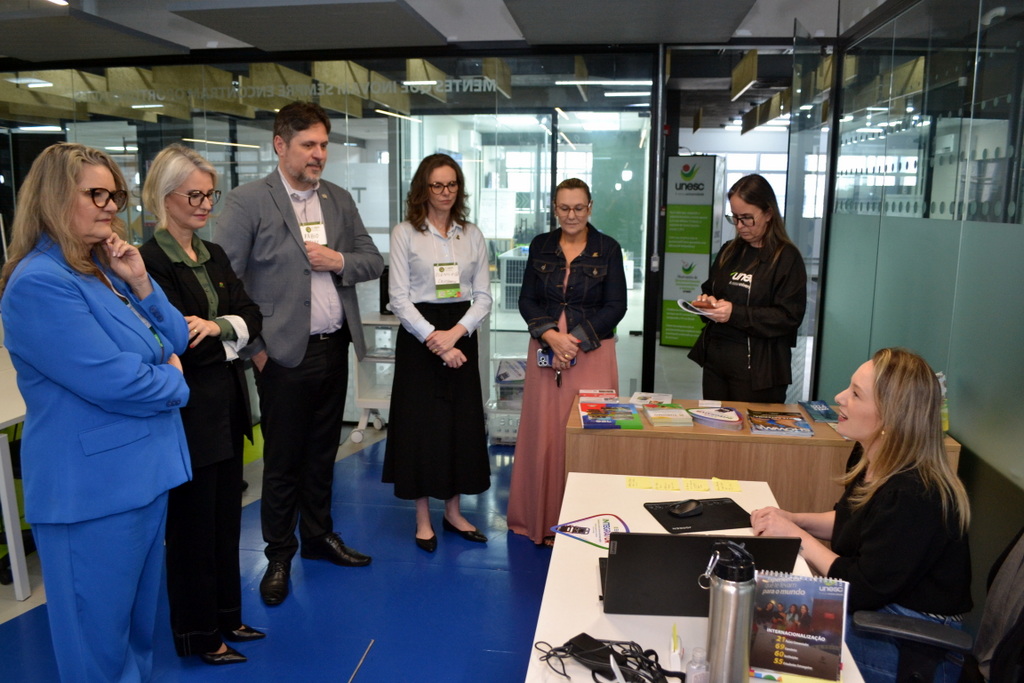
"The regional stage here at CRIO is fully aligned with our purpose of developing the local ecosystem. Legitimate proposals that represent our region and the work done by the Innovation Center and the University come from here. They will be taken to the State Government and will guide public policies directed at our real needs, ensuring that resources are applied where they are most needed," explained Elenice.
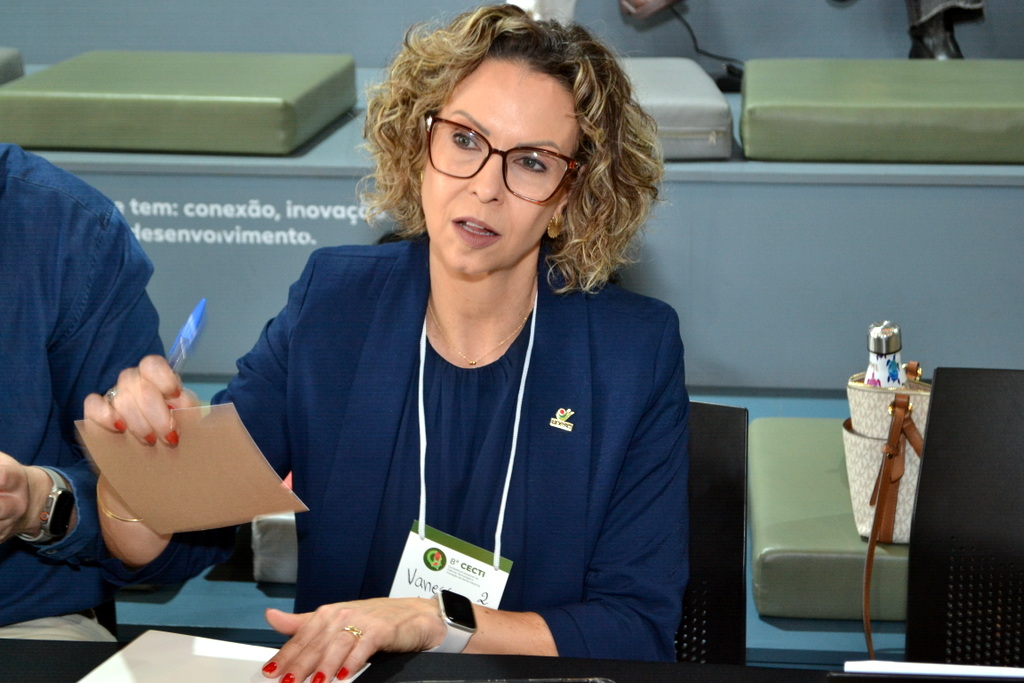
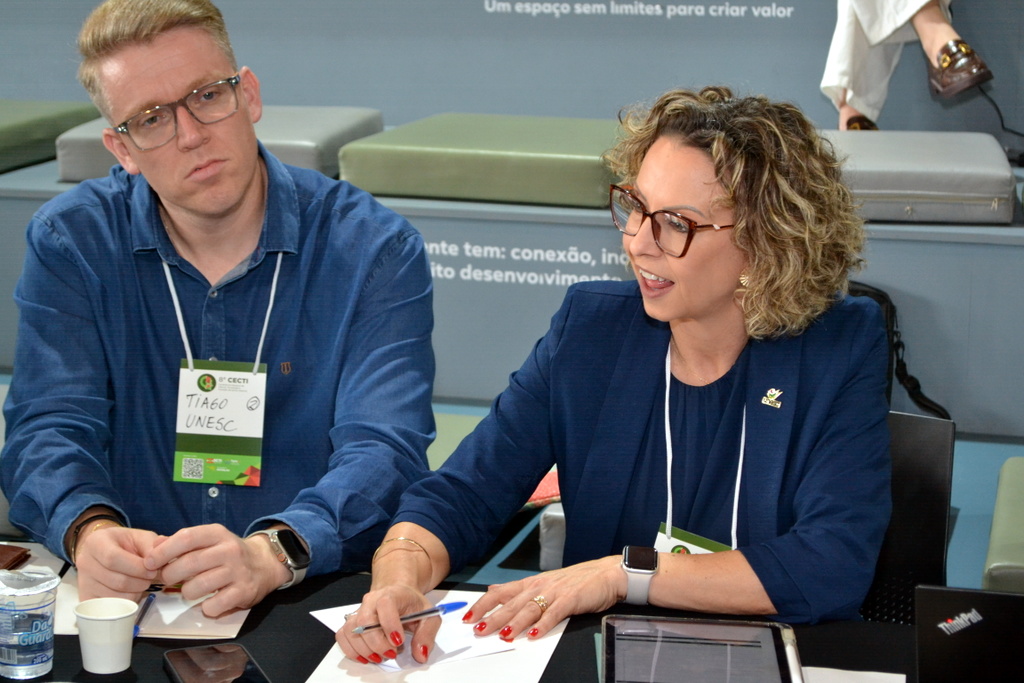
This active listening and the presence of Unesc researchers were also celebrated by the Vice-Rector for Research, Graduate Studies, Innovation, and Extension, Vanessa Moraes de Andrade, who actively participated in the focus groups aimed at Higher Education.
"It is very important to see so many researchers from different fields of knowledge participating in this process. This shows the potential of our University and allows us to share what we develop. It is essential to be heard by the State and to present both the opportunities and the challenges we face in our region's daily life," stated Vanessa.
Visit
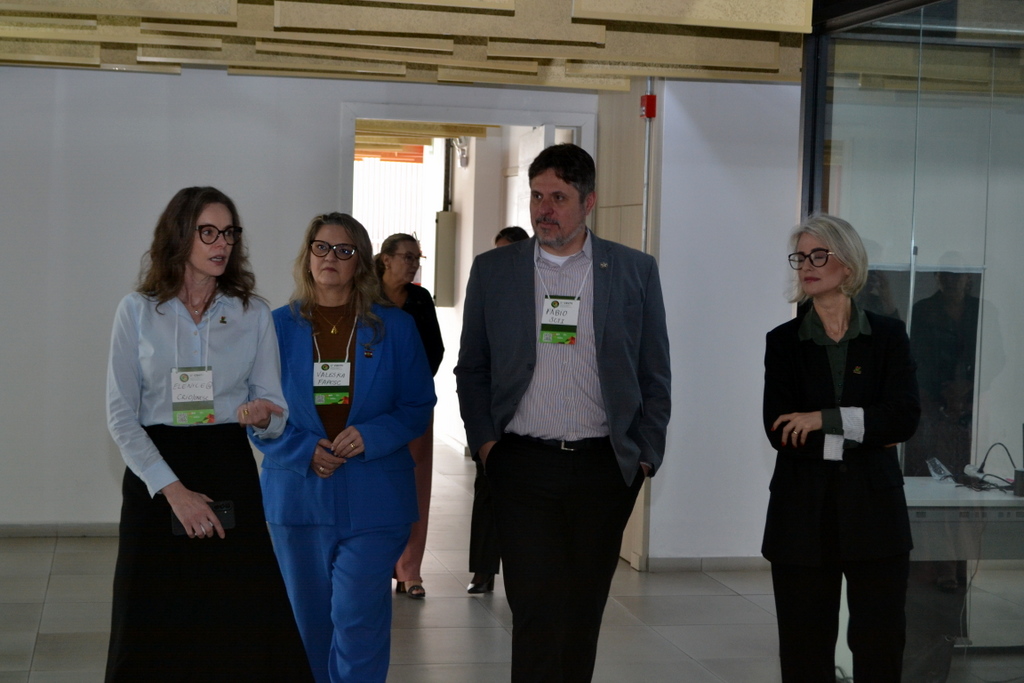
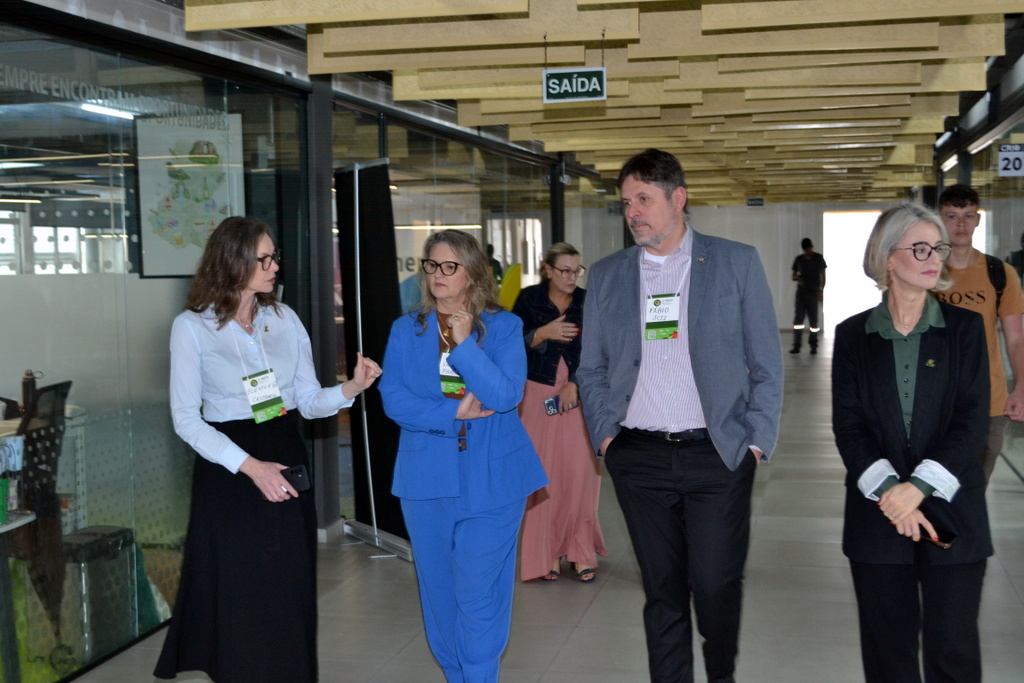
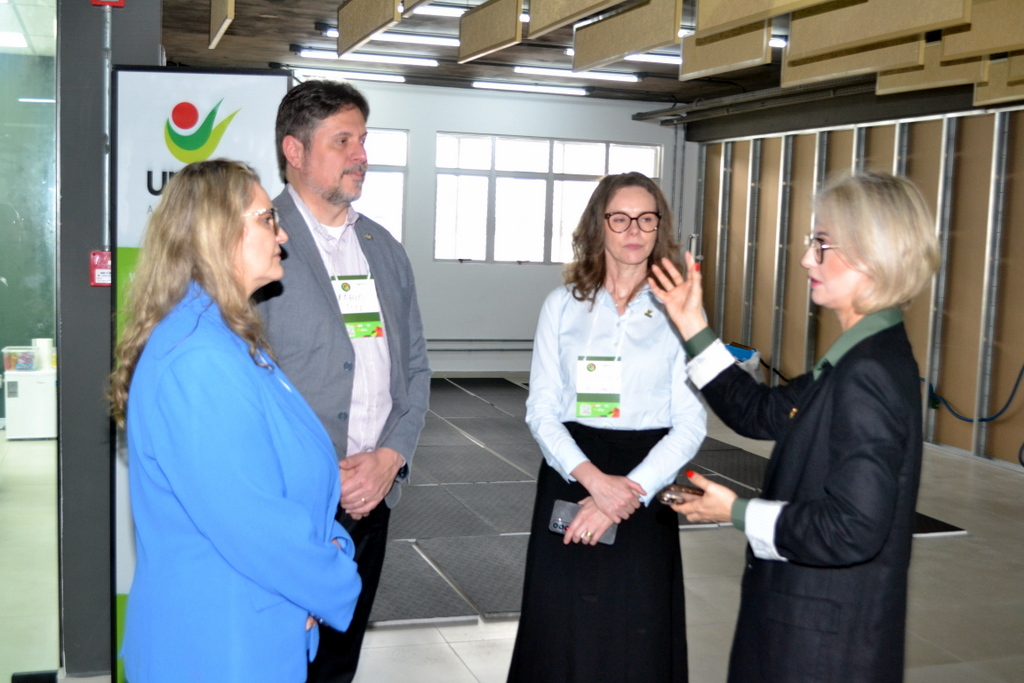
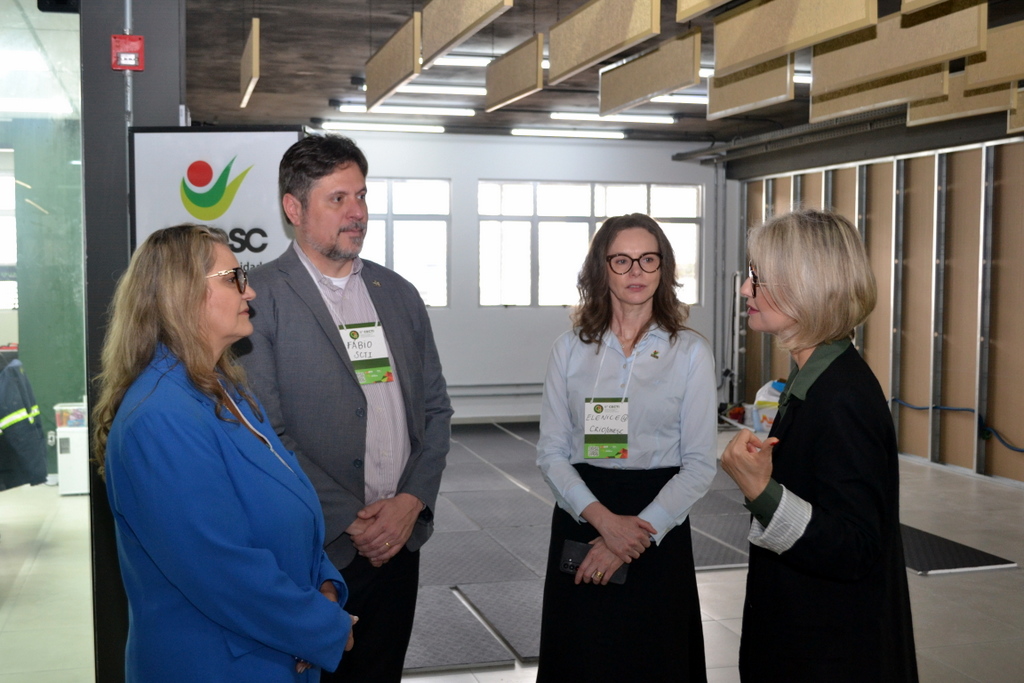
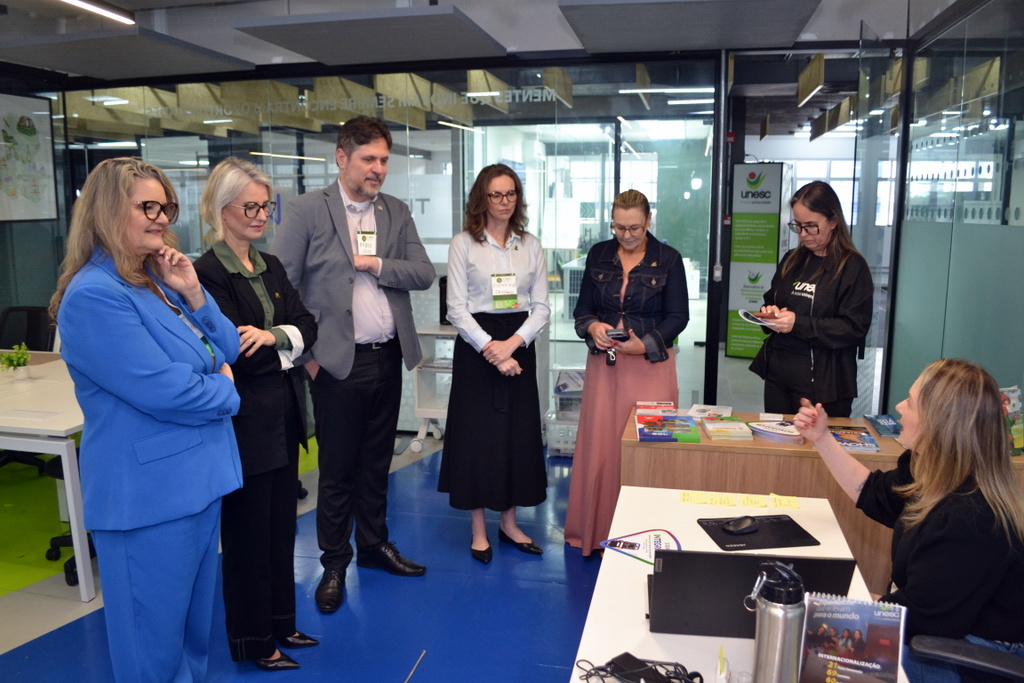
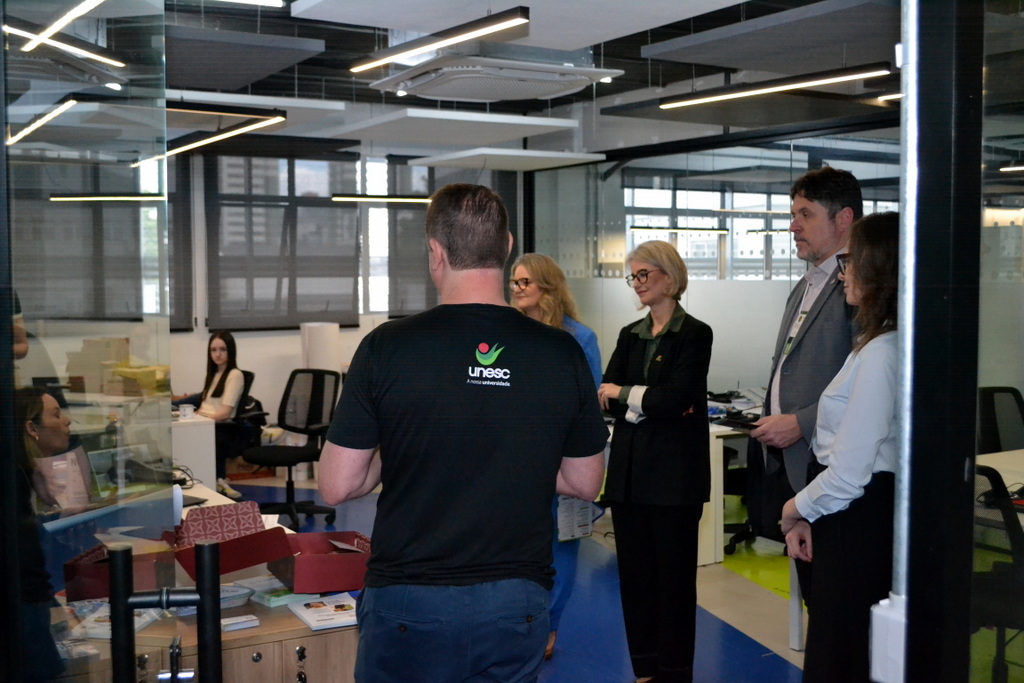
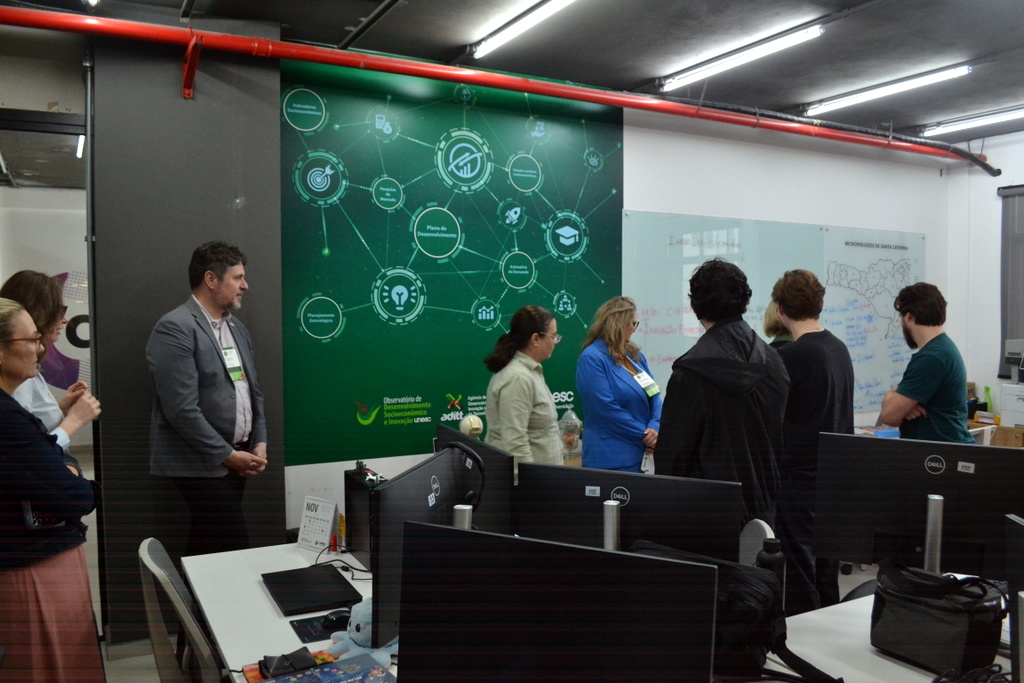
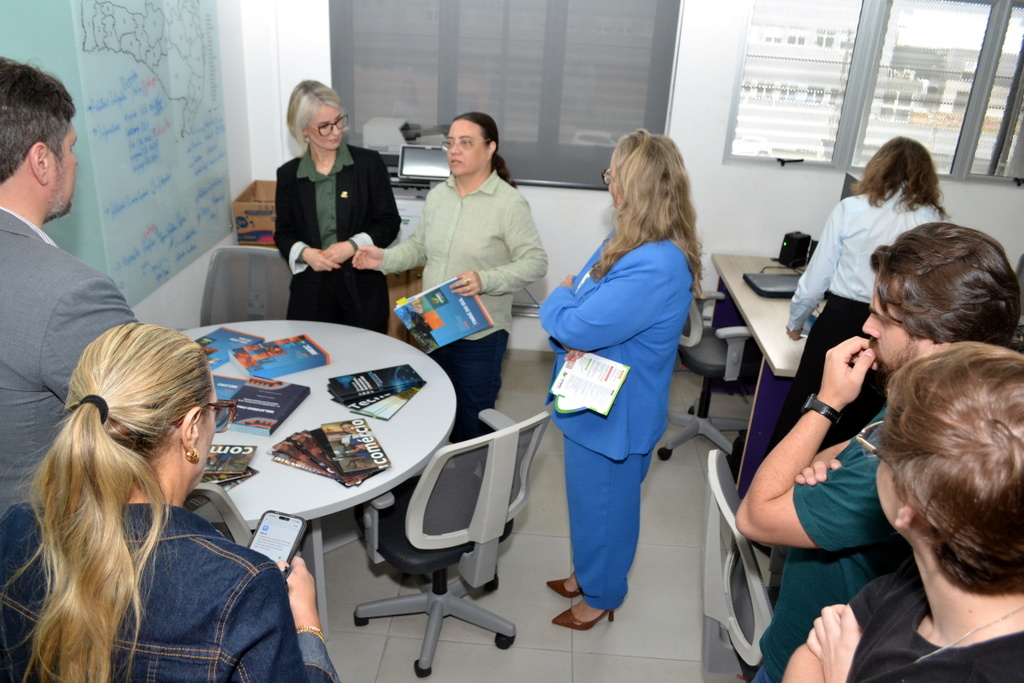
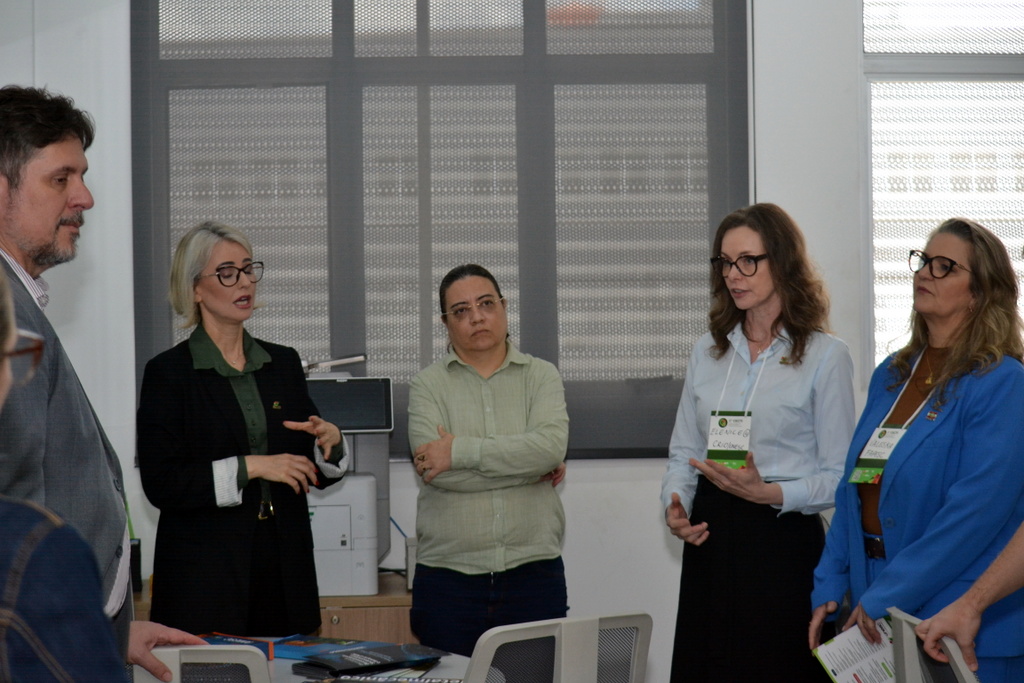
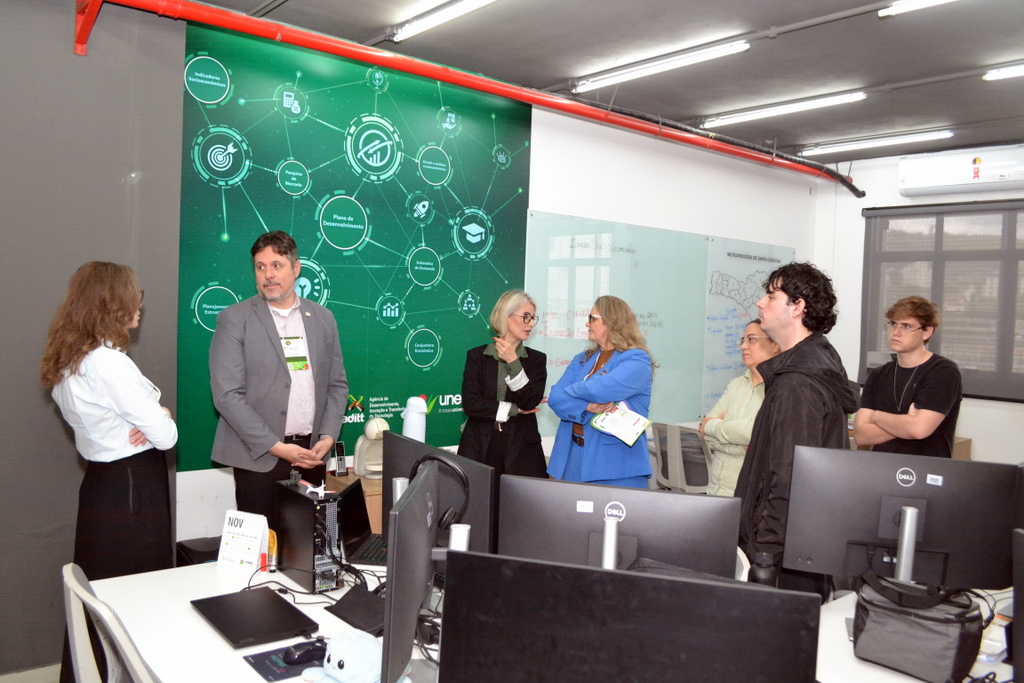
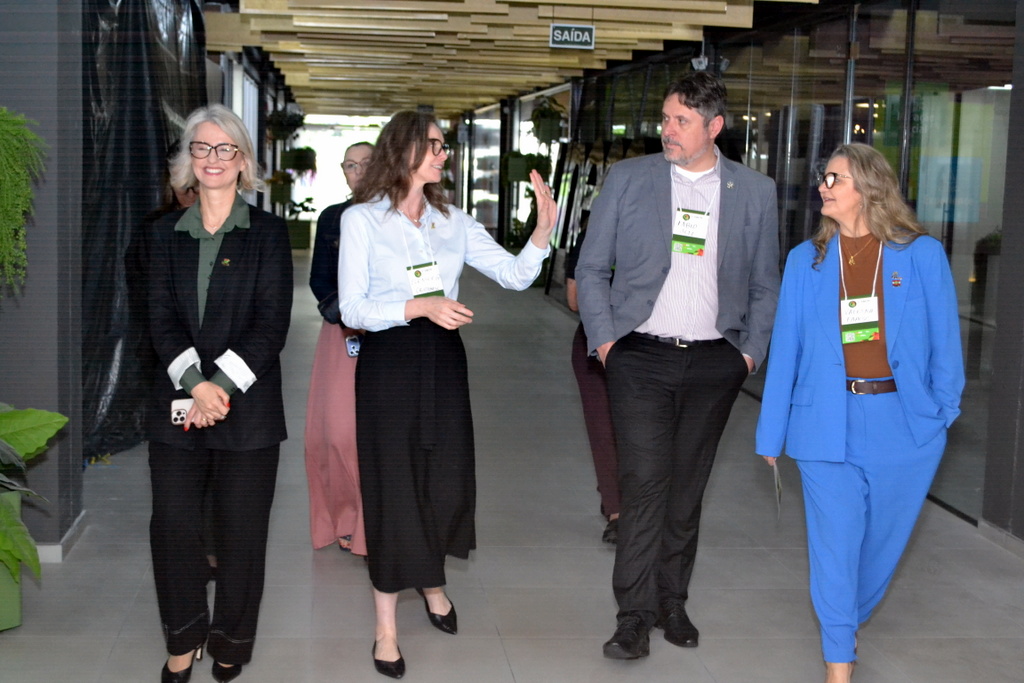
Alongside the discussions of the working groups, Secretary Fábio conducted a technical visit to the CRIO facilities. Accompanied by the acting rector of Unesc, Gisele Silveira Coelho Lopes, manager Elenice, and the Director of Science, Technology, and Innovation at Fapesc, Valeska Tratsk, the secretary got a close look at innovative solutions developed within the University and applied to the market.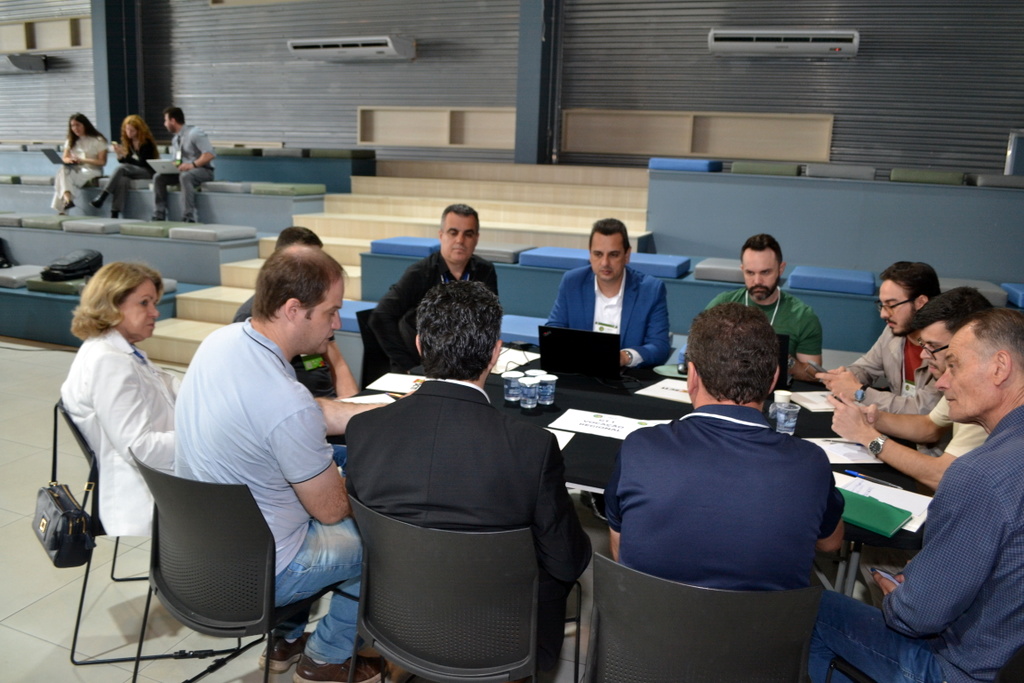
Among the initiatives presented during the tour were the Integratur project, the Tax Reform Simulator, and the Socioeconomic Development and Innovation Observatory, among other tools that demonstrate the institution's commitment to territorial intelligence and socioeconomic development.
For Rector Gisele Silveira Coelho Lopes, the visit further bridged public demands with the responses that academia can offer. "The Secretary's visit allowed us to present initiatives that directly contribute to strengthening the Innovation Center and promoting regional development. We showcased solutions that meet the expectations of the State Government for strengthening the productive sector. This event is a significant indicator of futures for the innovation ecosystem in Santa Catarina. The State Secretary and Fapesc are on the right track by listening to people: what they think, what they do, where they are, and where they want to go," pointed out the rector.
At the end of the tour, Secretary Fábio shared his impressions on the continuous growth and maturity of Crio. "Since its inauguration, I have been here on other occasions, and it is very gratifying to see how it is constantly evolving. Today we see established companies that started in pre-incubation. Unesc's strategy of maintaining a development hub here, along with its project office, combined with the presence of the City Hall and the Brazilian Service of Support for Micro and Small Enterprises (Sebrae), demonstrates a well-structured ecosystem that excellently fulfills its role as a broad reference for regional entrepreneurship," he concluded.