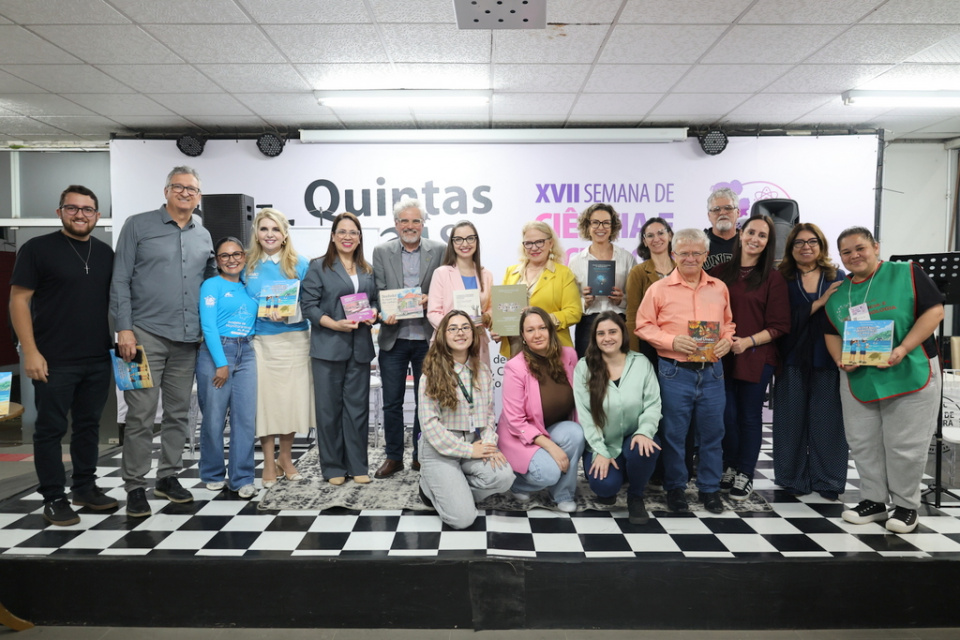
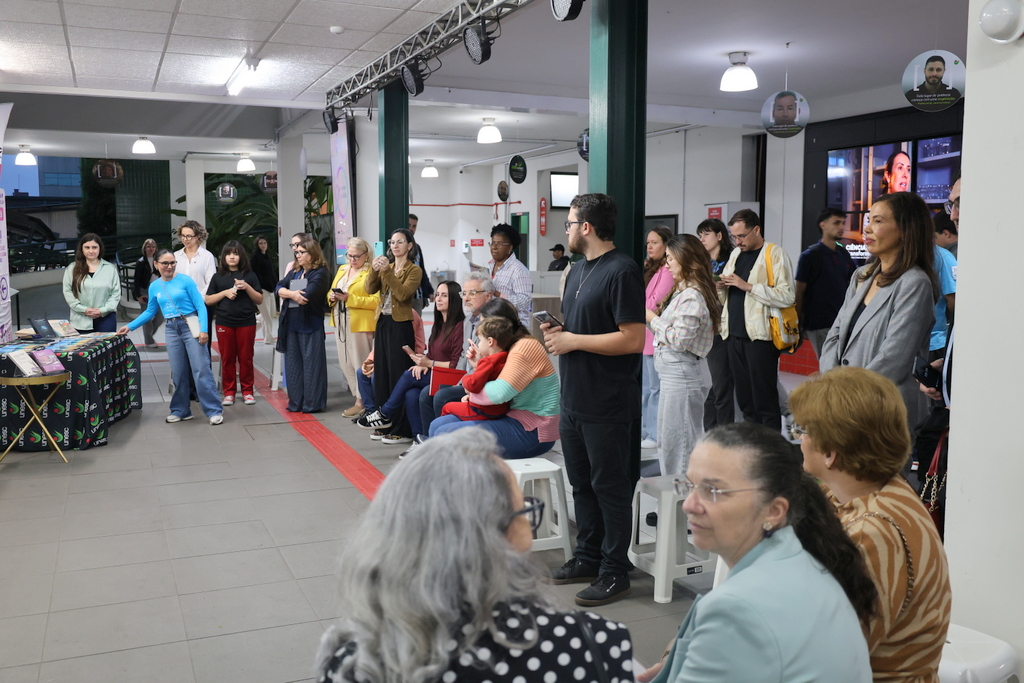
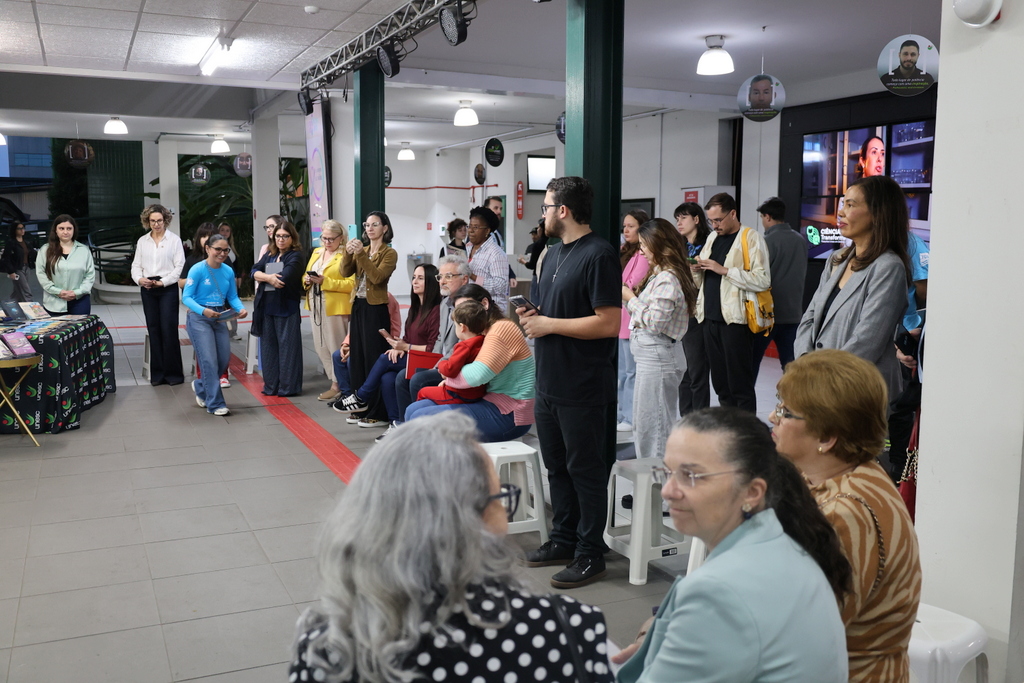
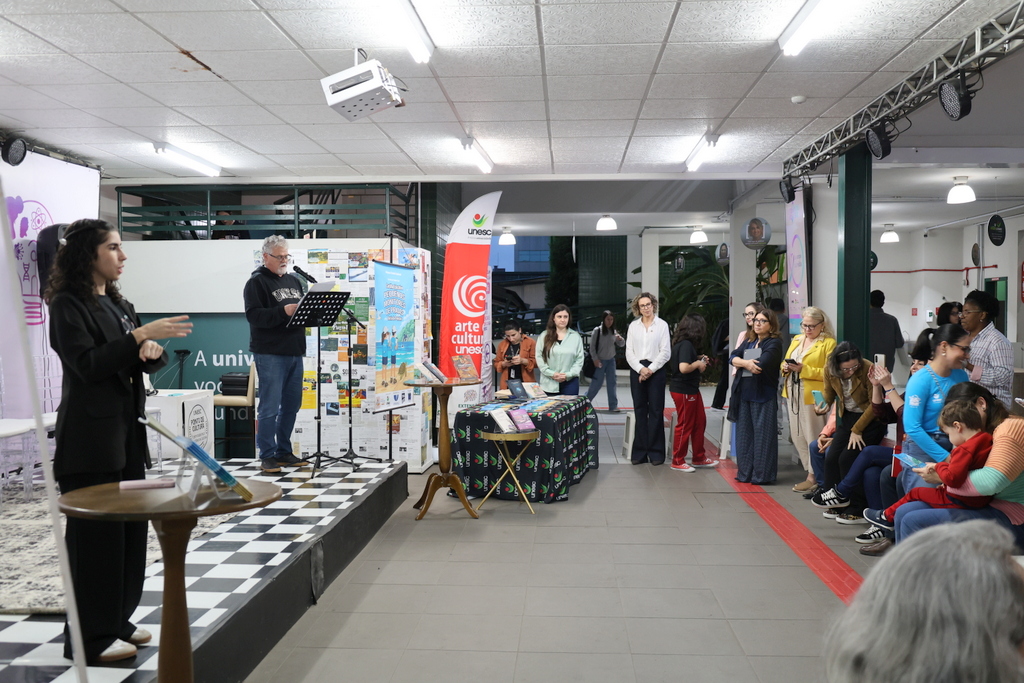
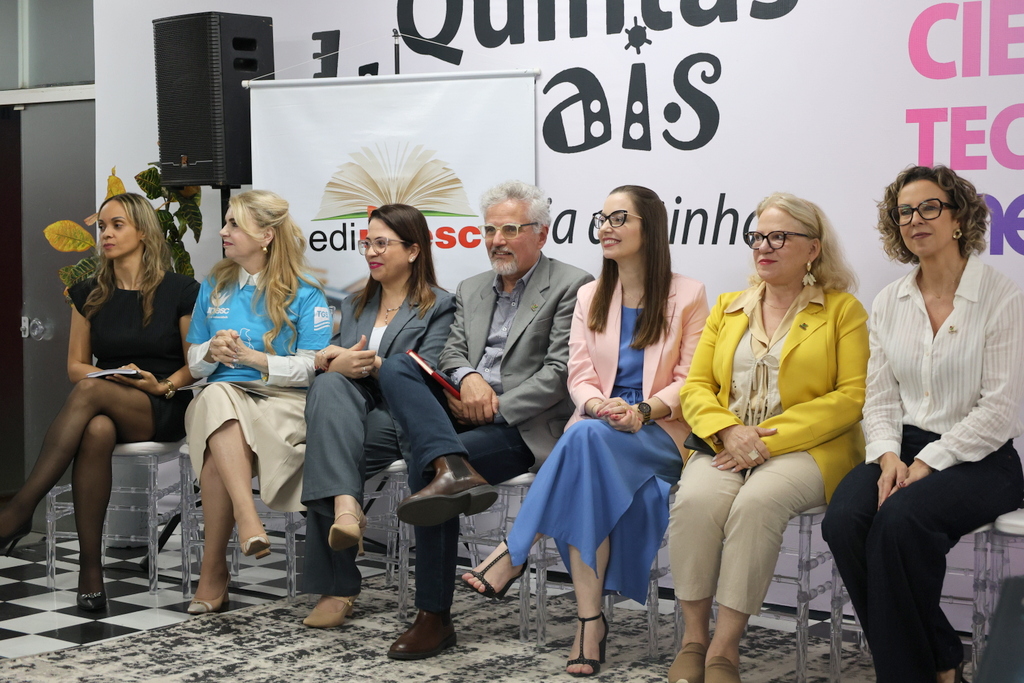
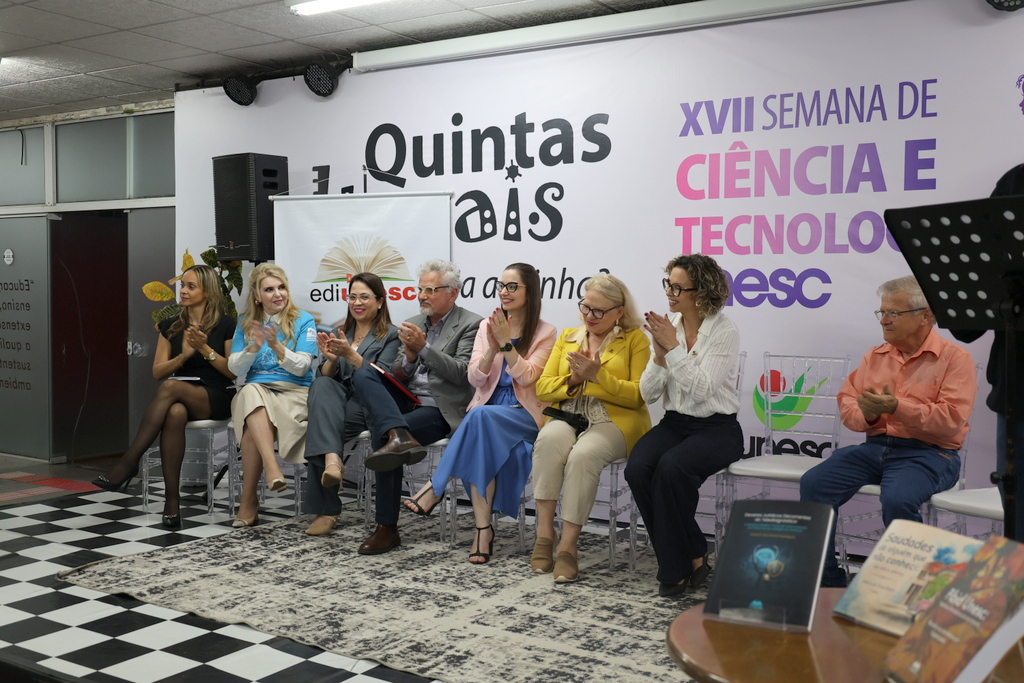
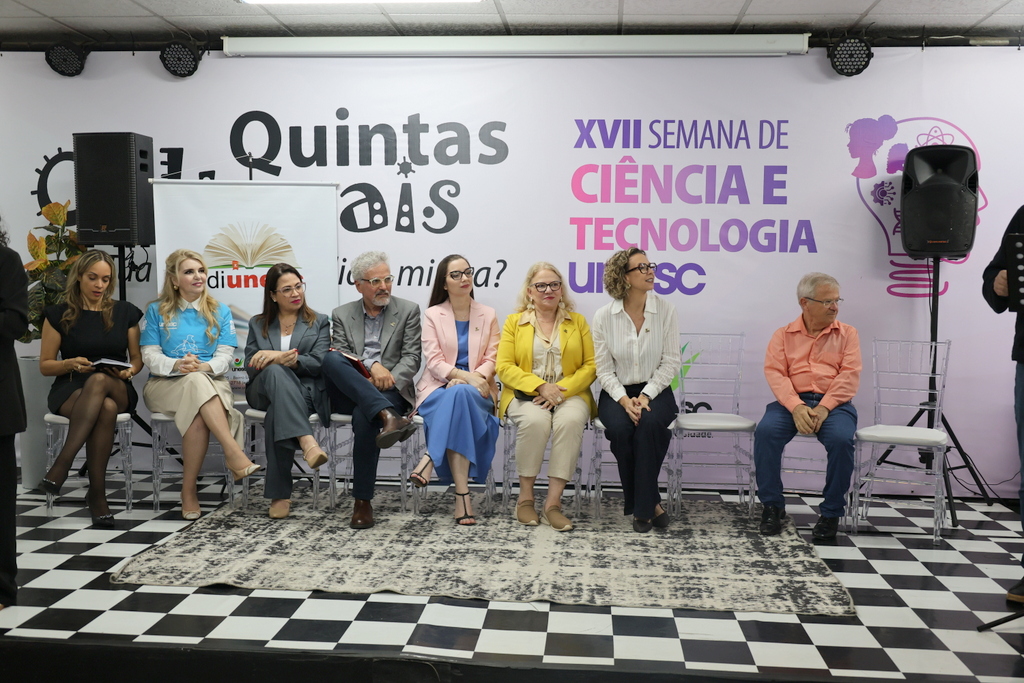
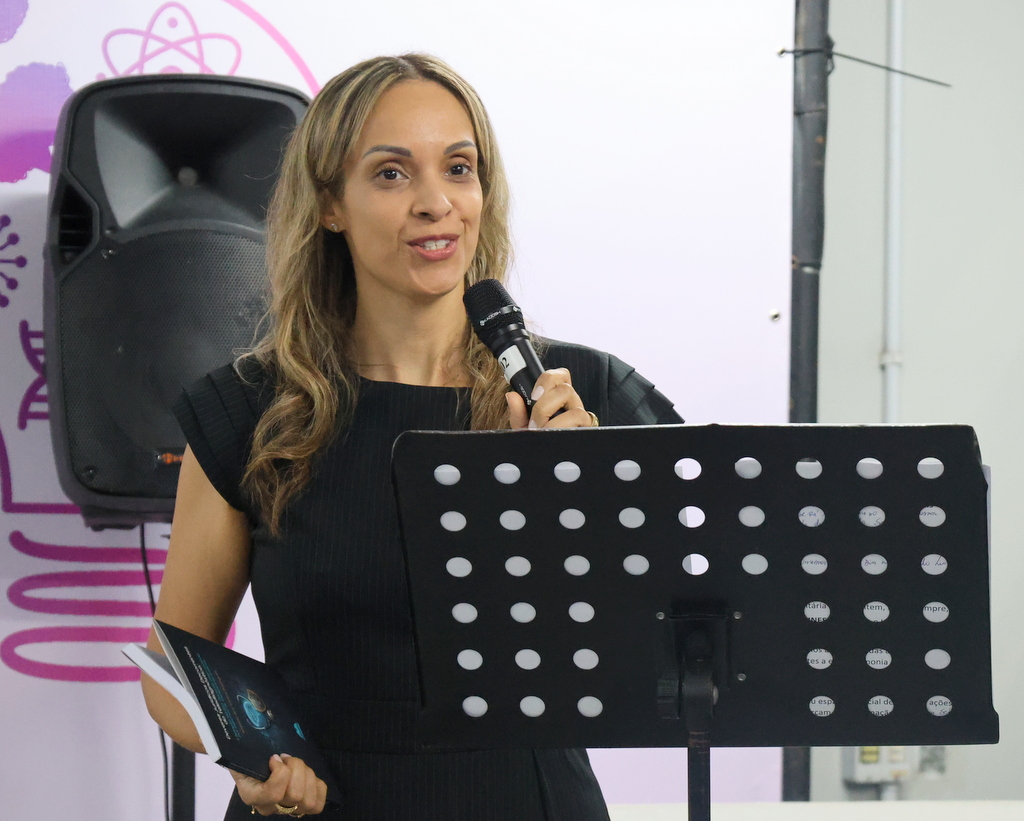
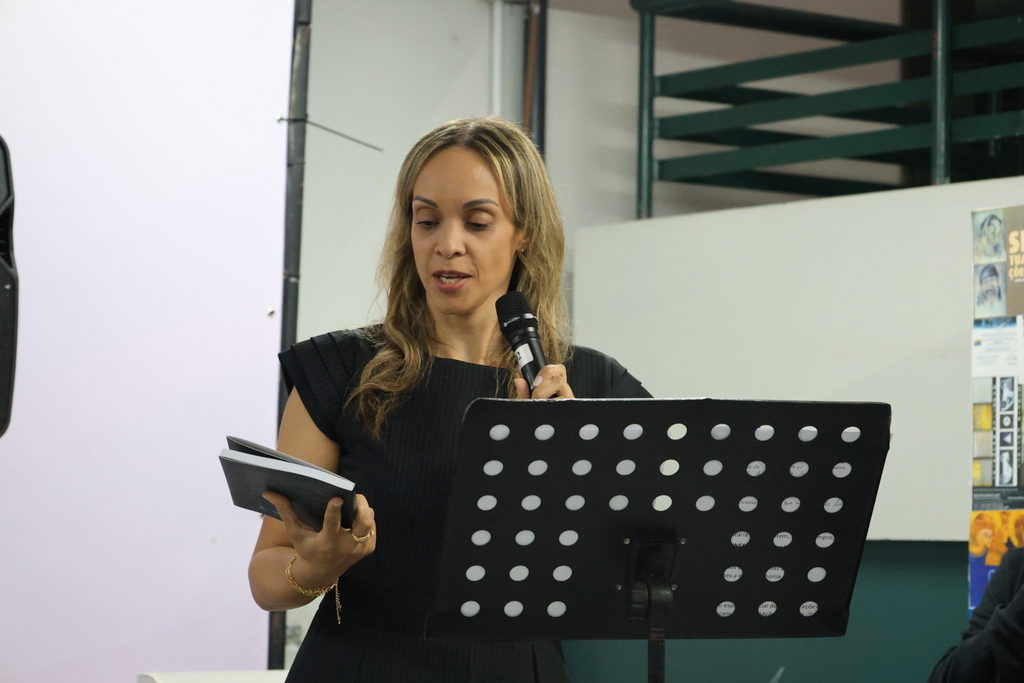
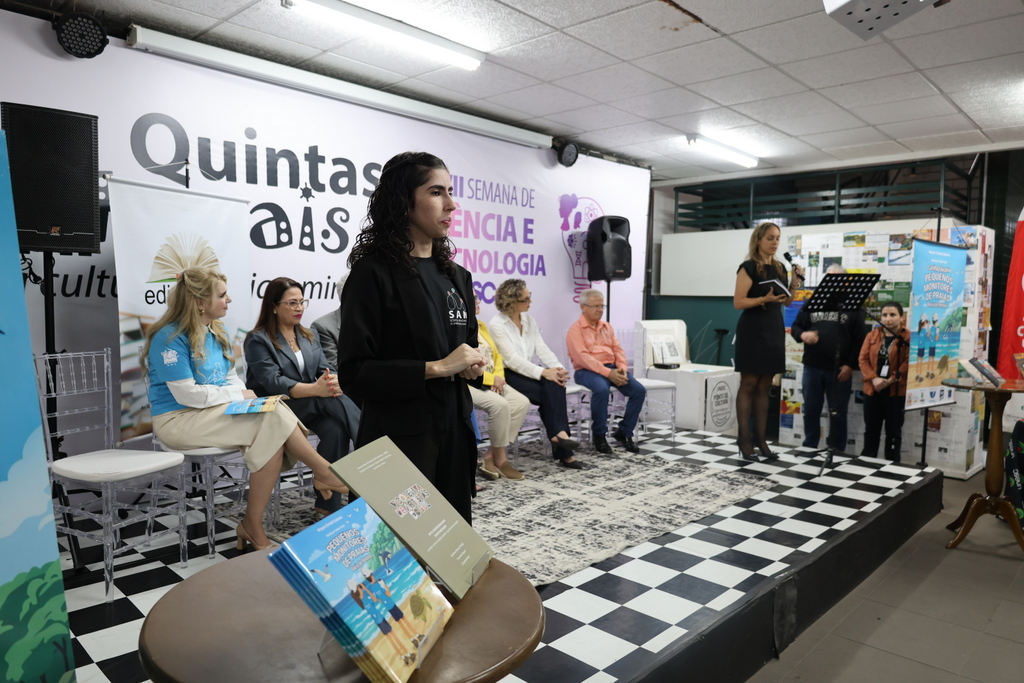
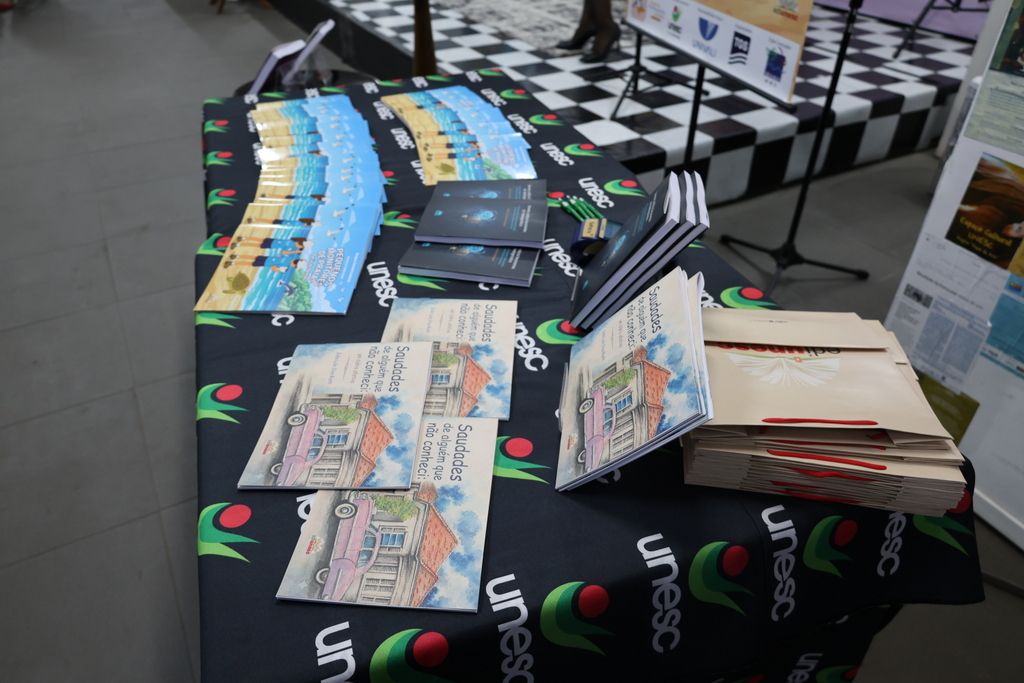
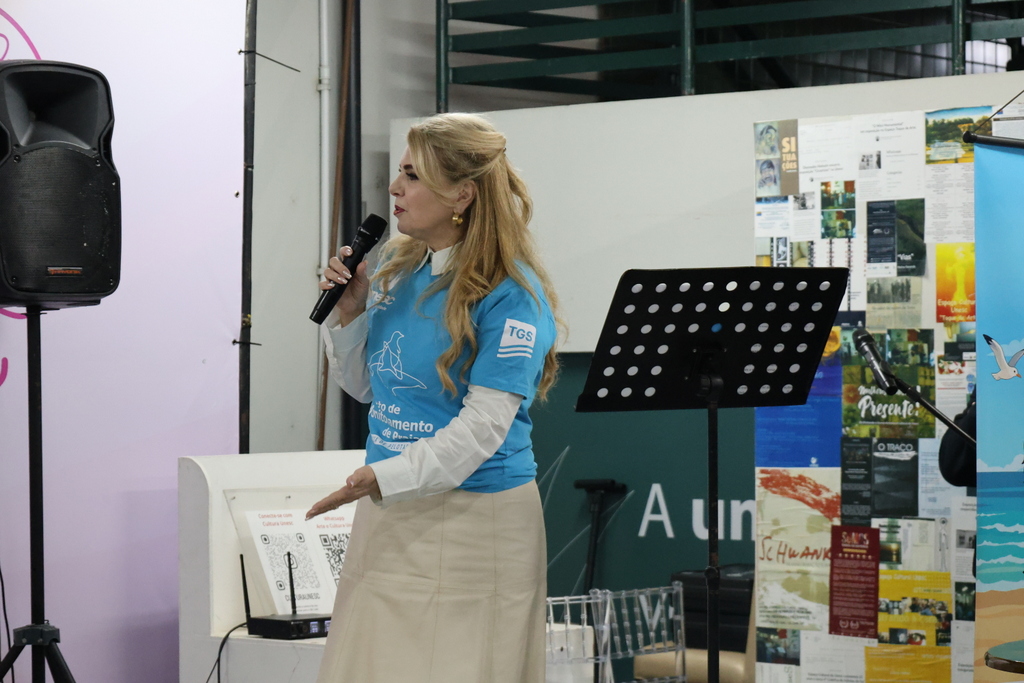
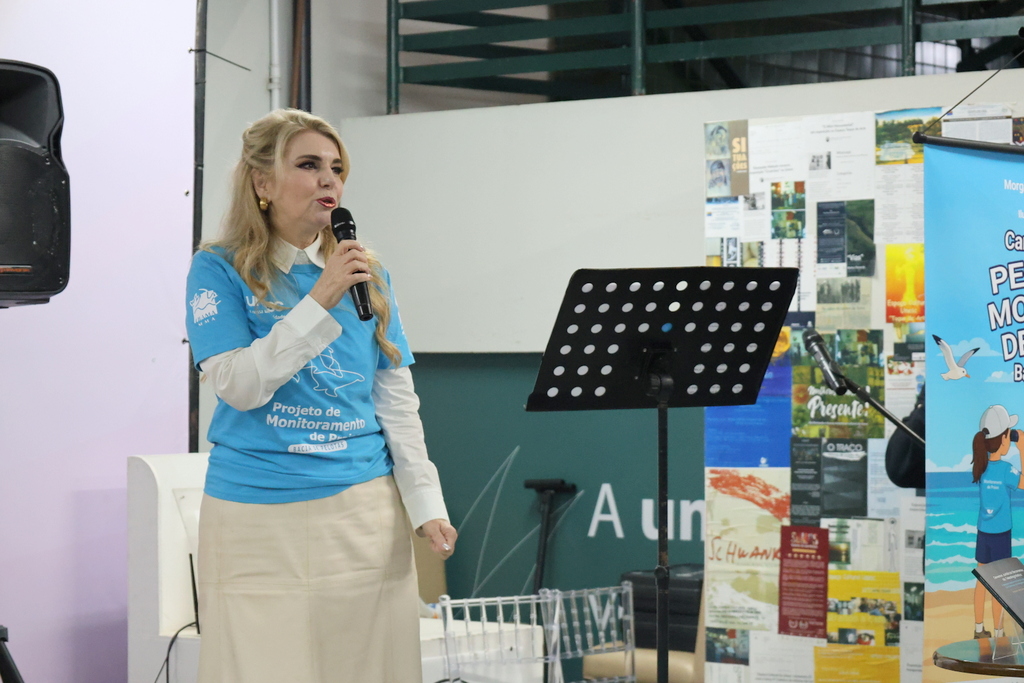
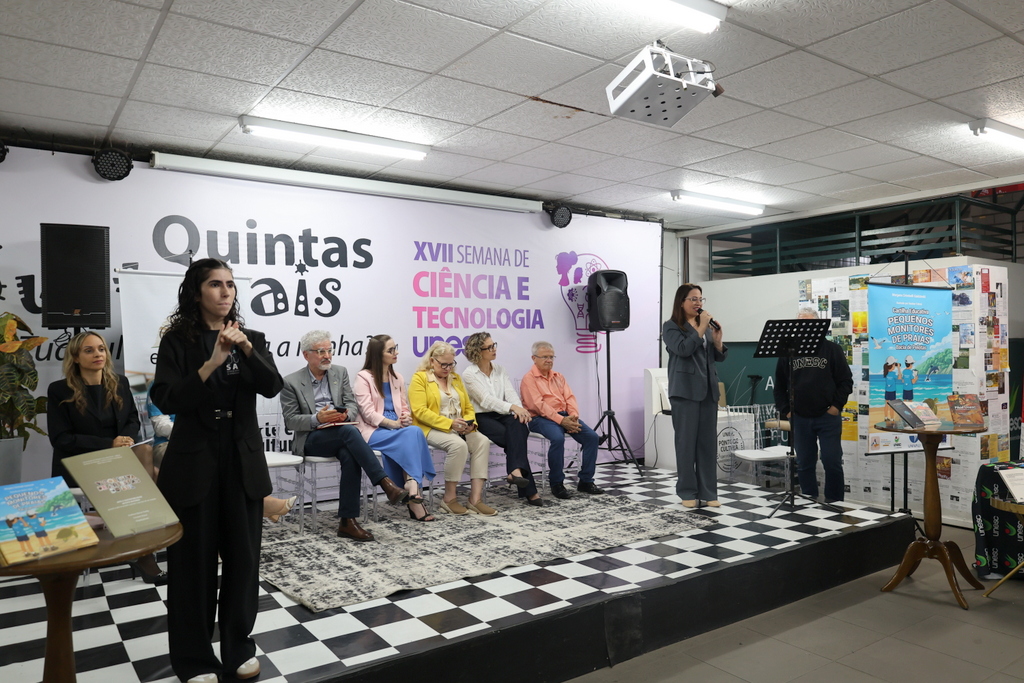
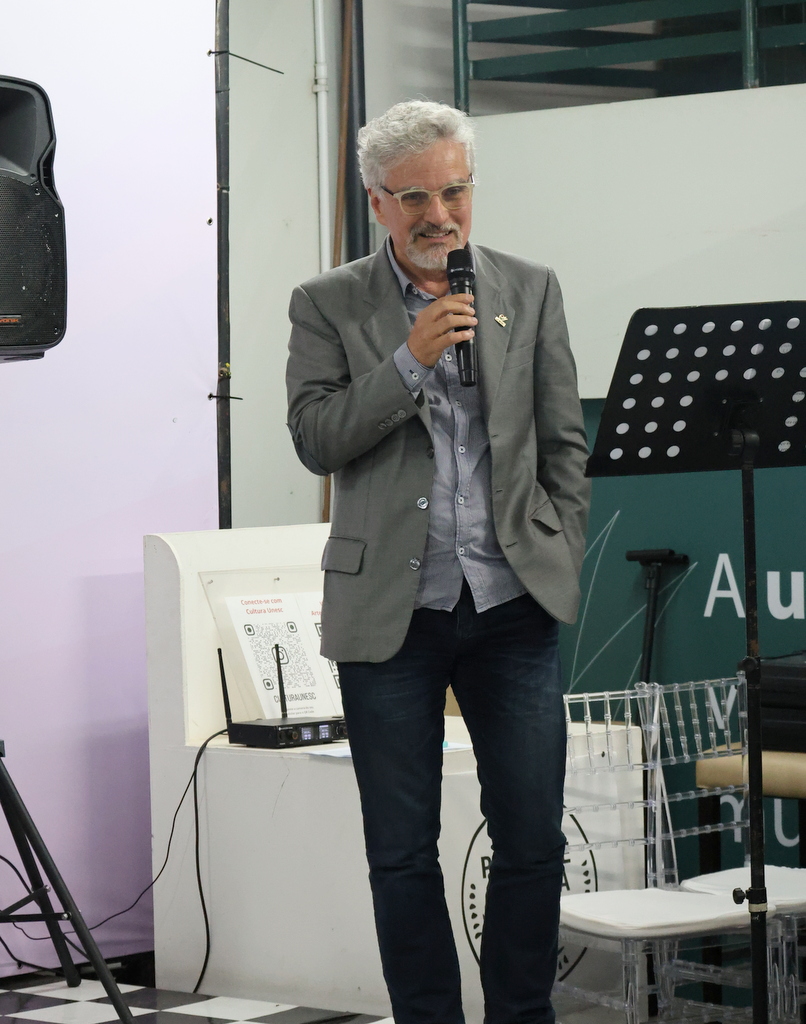
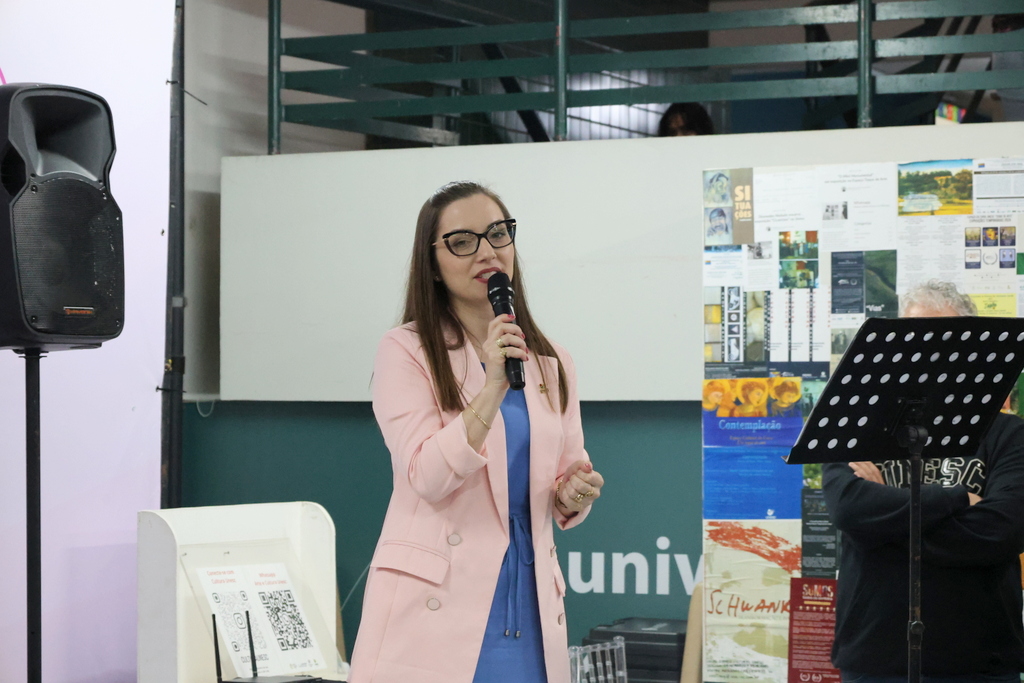
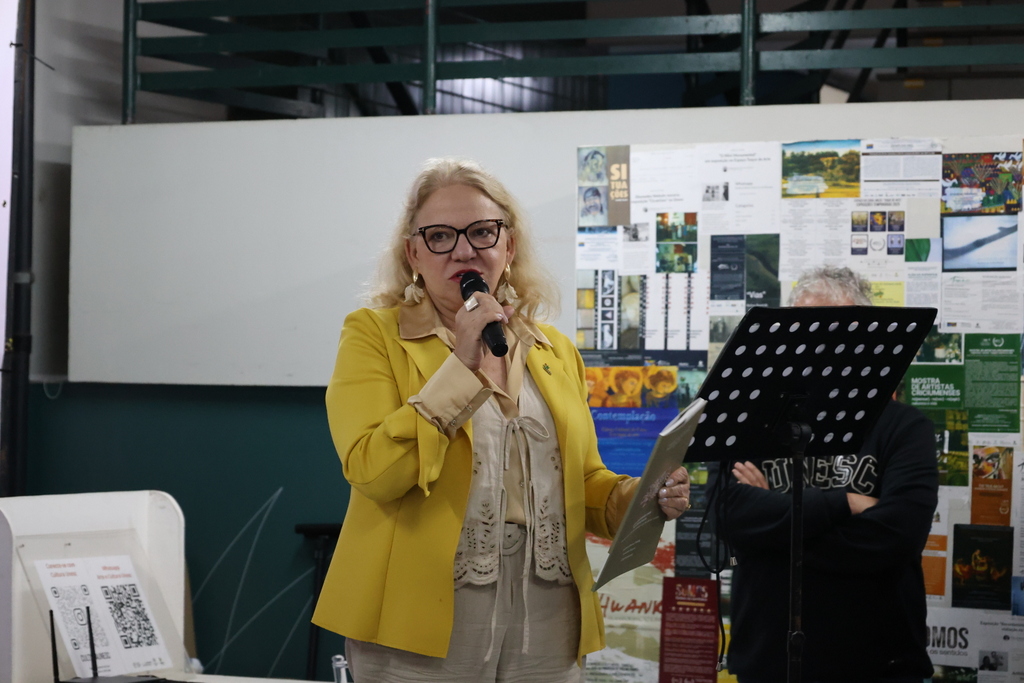
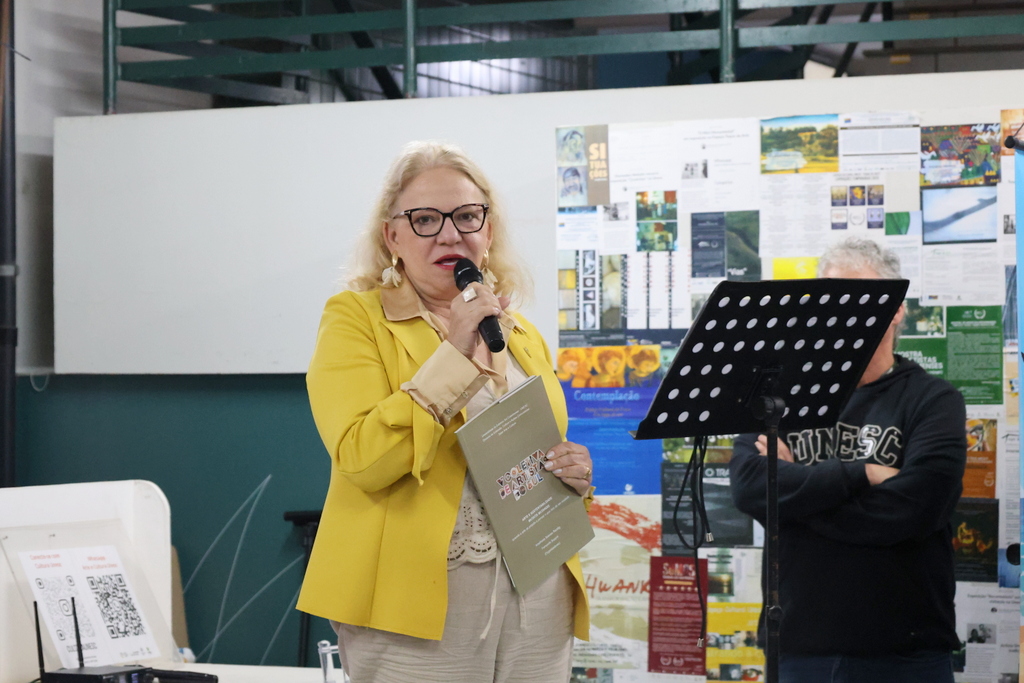
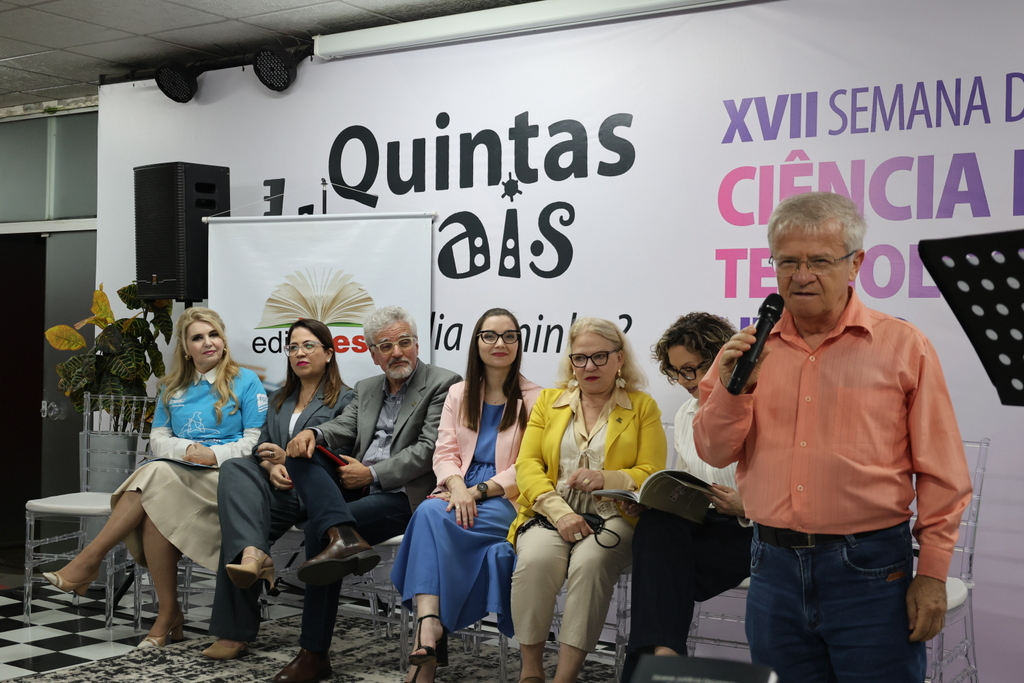
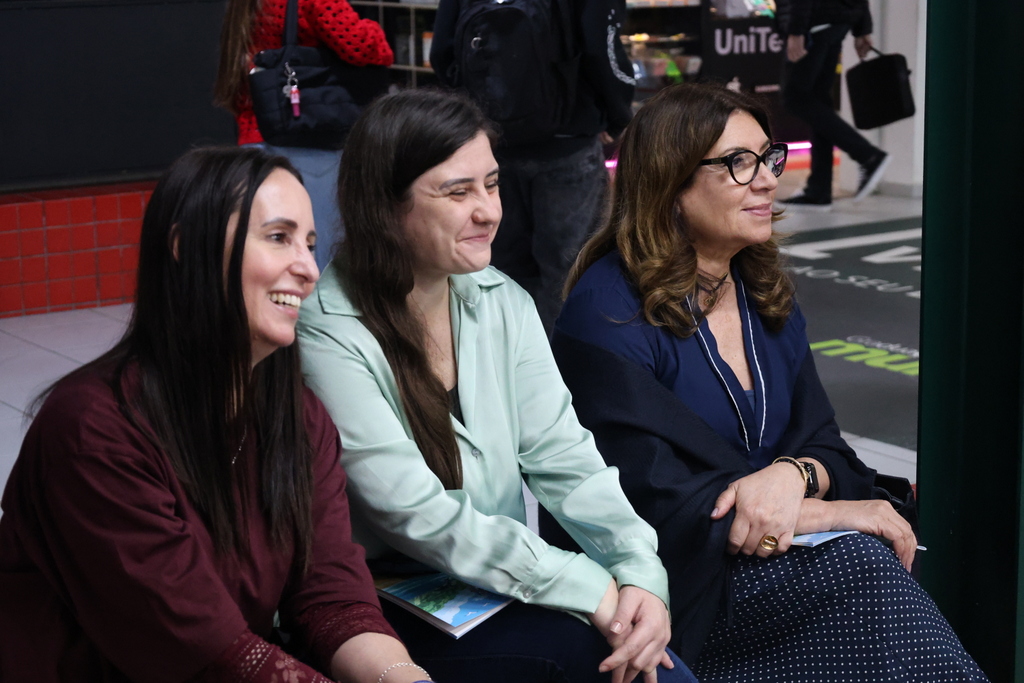
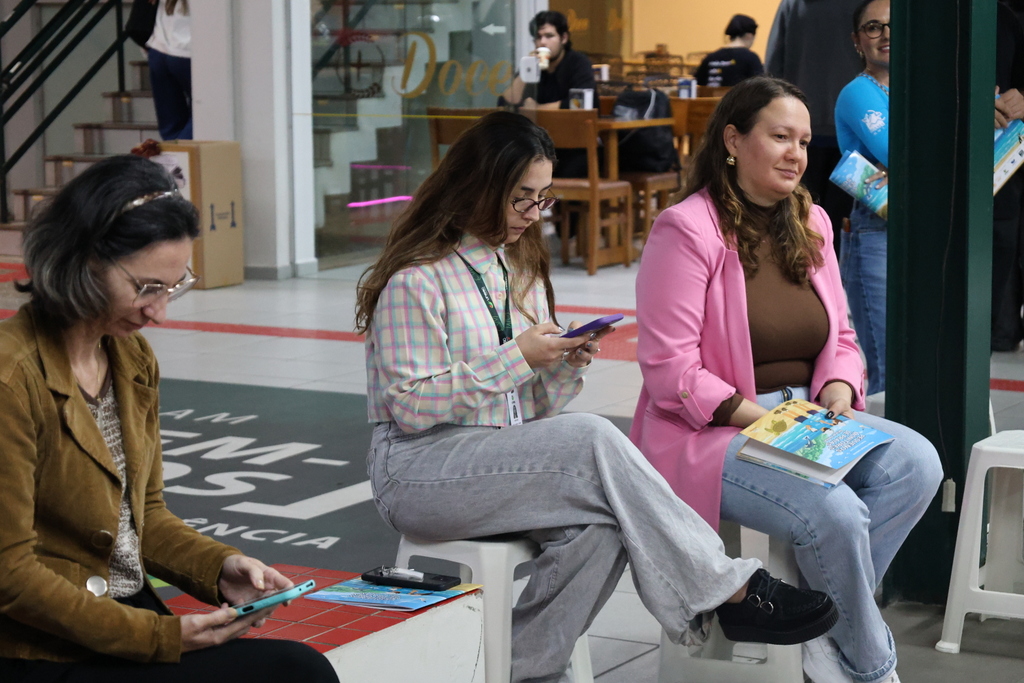
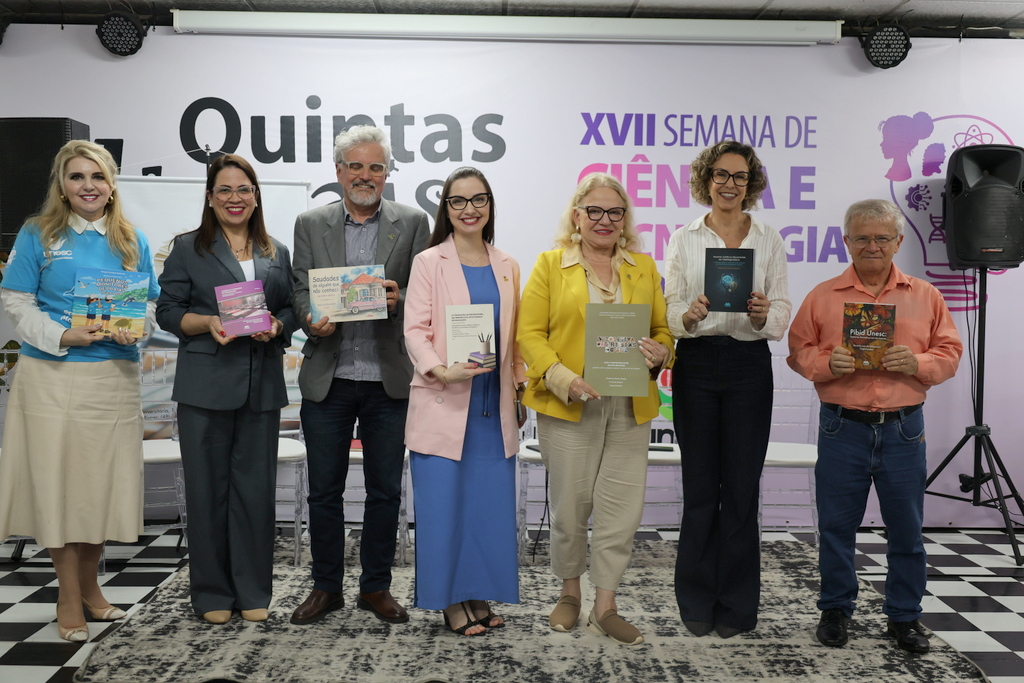
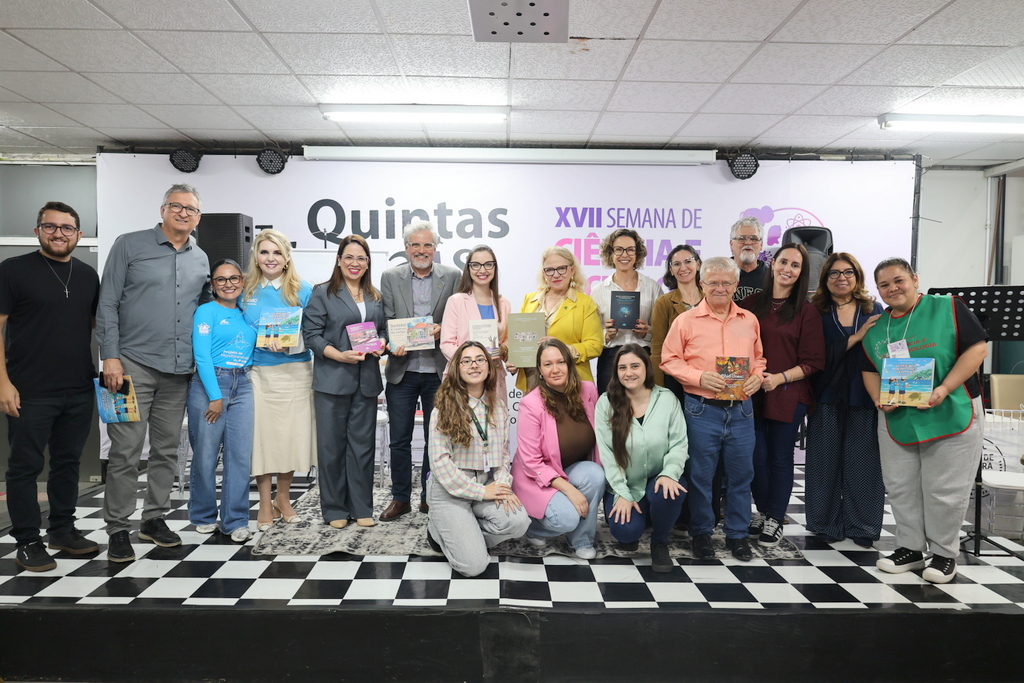
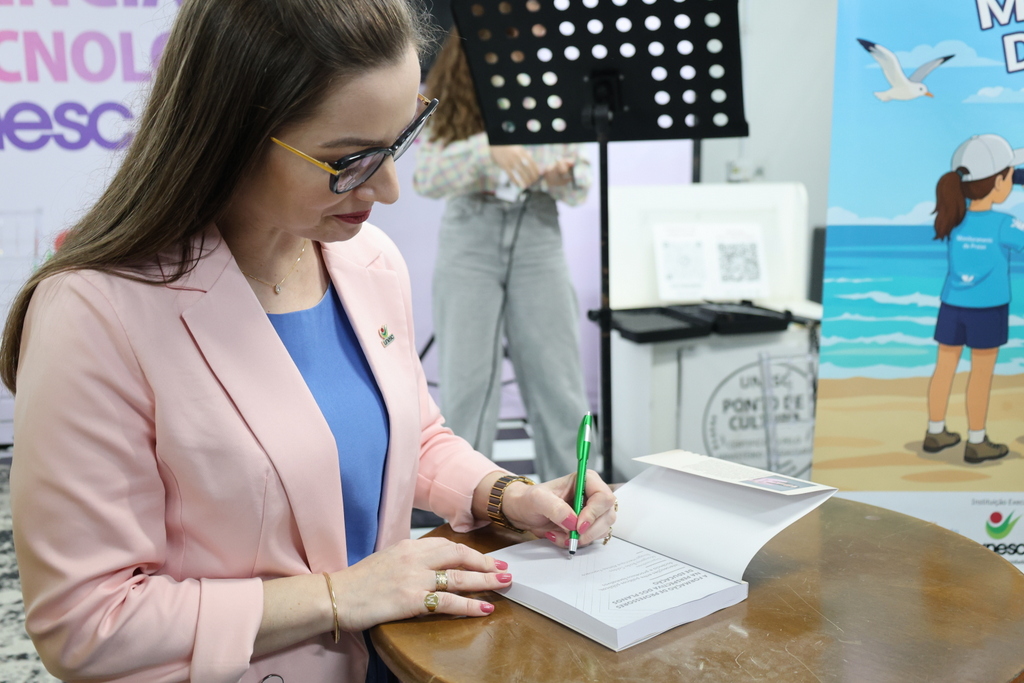
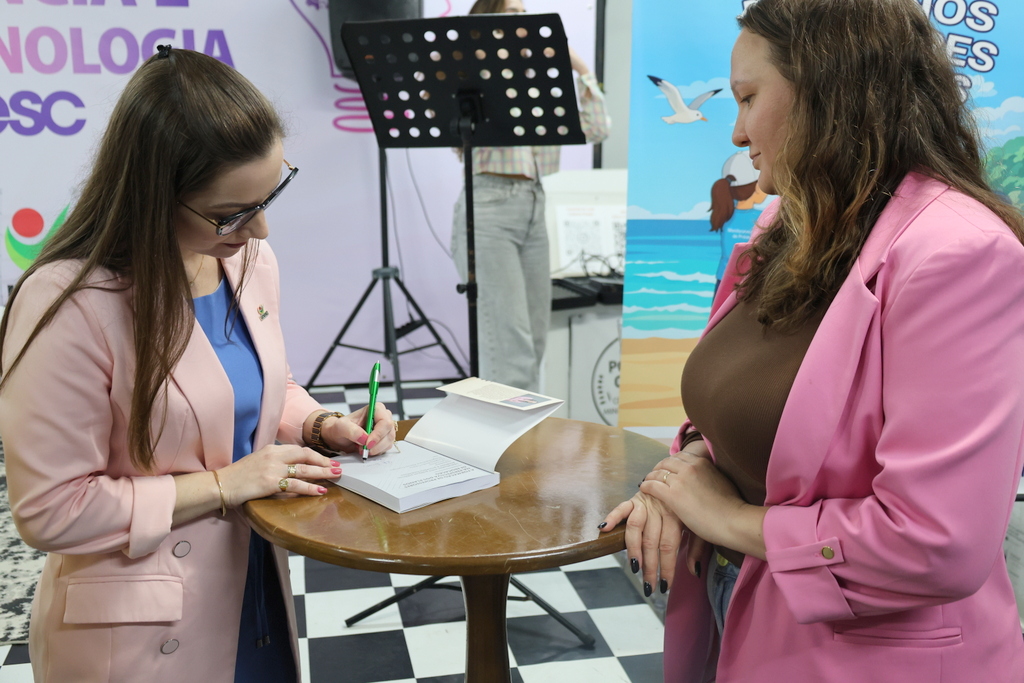
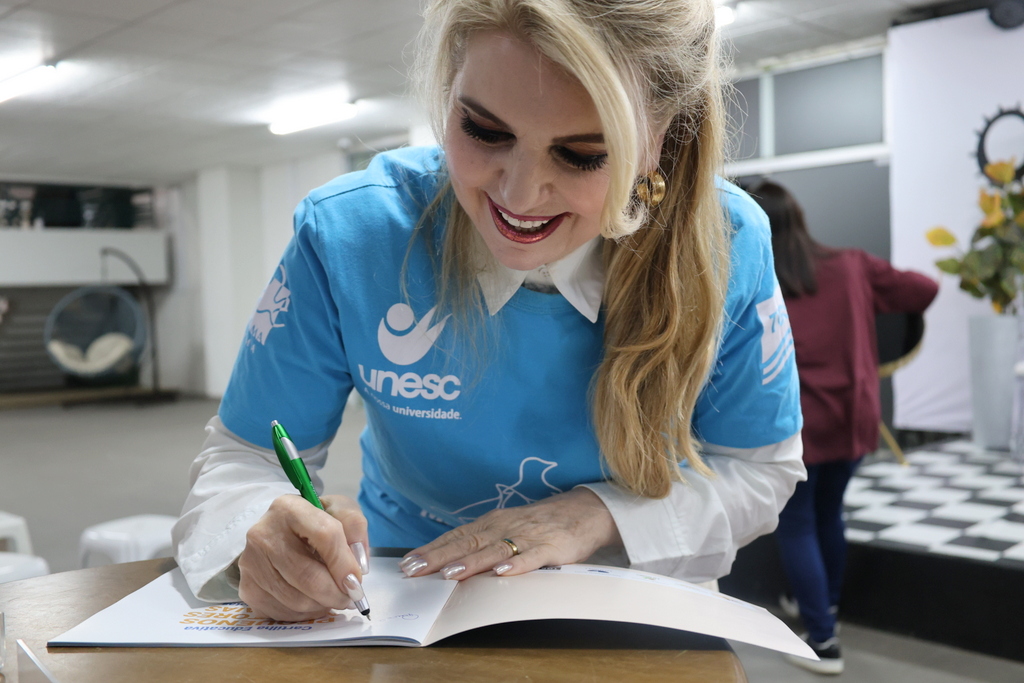
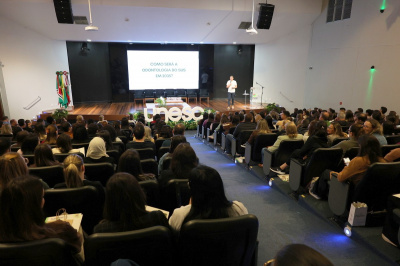
Scientific production, education, culture, and environmental preservation were highlighted during the collective launch of seven works by the Unesc Publishing House (Ediunesc) as part of the 17th Science and Technology Week at the University. The initiative, presented on the evening of Thursday (10/29), brought together books and an educational booklet that showcase academic research, formative experiences, and reflections on various societal themes.
The launch featured publications by researchers, professors, and artists, covering topics ranging from educational policies to marine wildlife conservation, the legal challenges of artificial intelligence in medicine to family memories and sustainability.
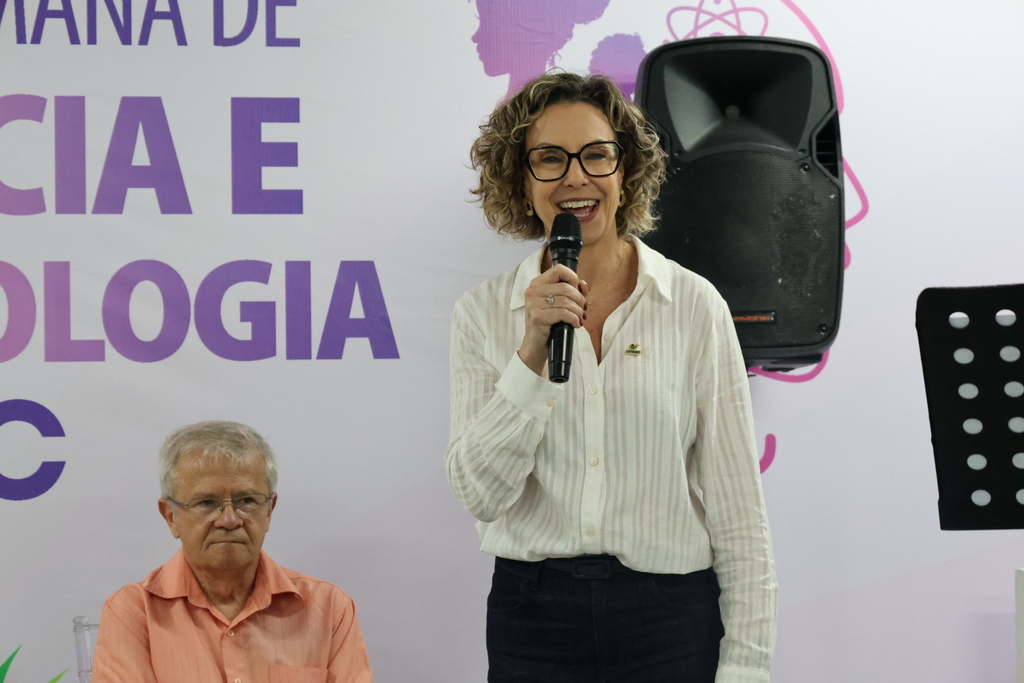
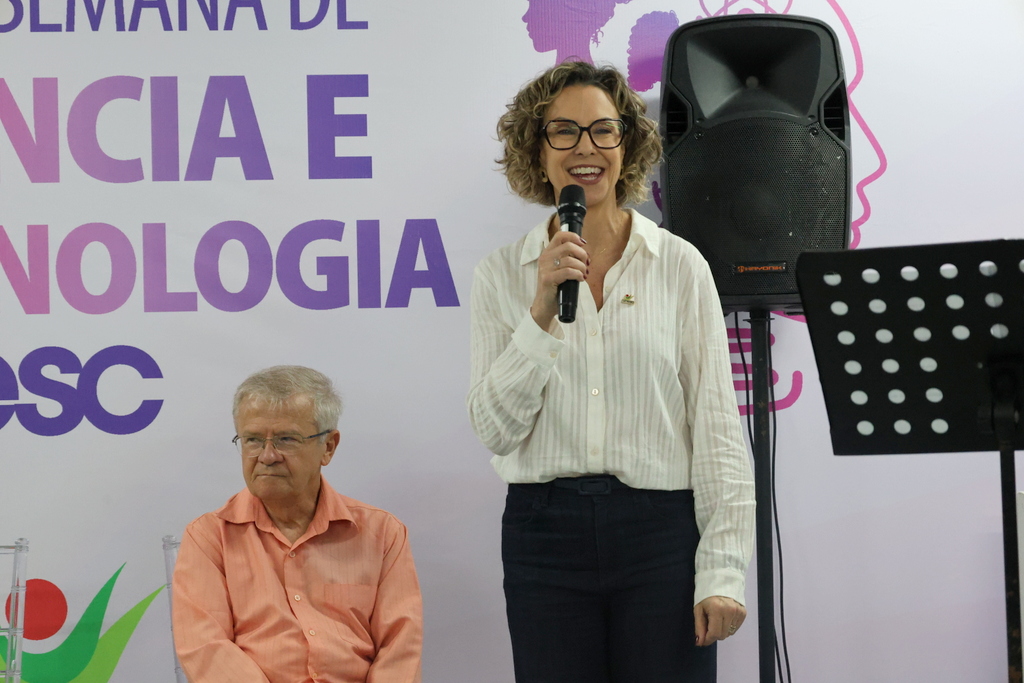 The Vice-Rector for Research, Graduate Studies, Innovation, and Extension at Unesc, Vanessa Moraes de Andrade, emphasized the quality of the University’s editorial work and the dedication of professors and researchers in producing and disseminating knowledge. “I want to congratulate and thank everyone for their work, which is the result of the dedication of our professors and researchers, who live the University daily and still find time to write, whether about personal stories, like Eliete's, or from working groups, research, extension projects, art, and culture,” she said.
“This is what sets a University apart. Unesc, as a Community University, is present in different spaces, both inside and outside the Institution. And this is only possible because we have engaged professors and staff in Research, Extension, and transforming this knowledge into products that reach society. Some publications are distributed for free, funded by resources raised for this purpose, while others are supported by the University itself. It is very gratifying to see this work happening,” Vanessa highlighted.
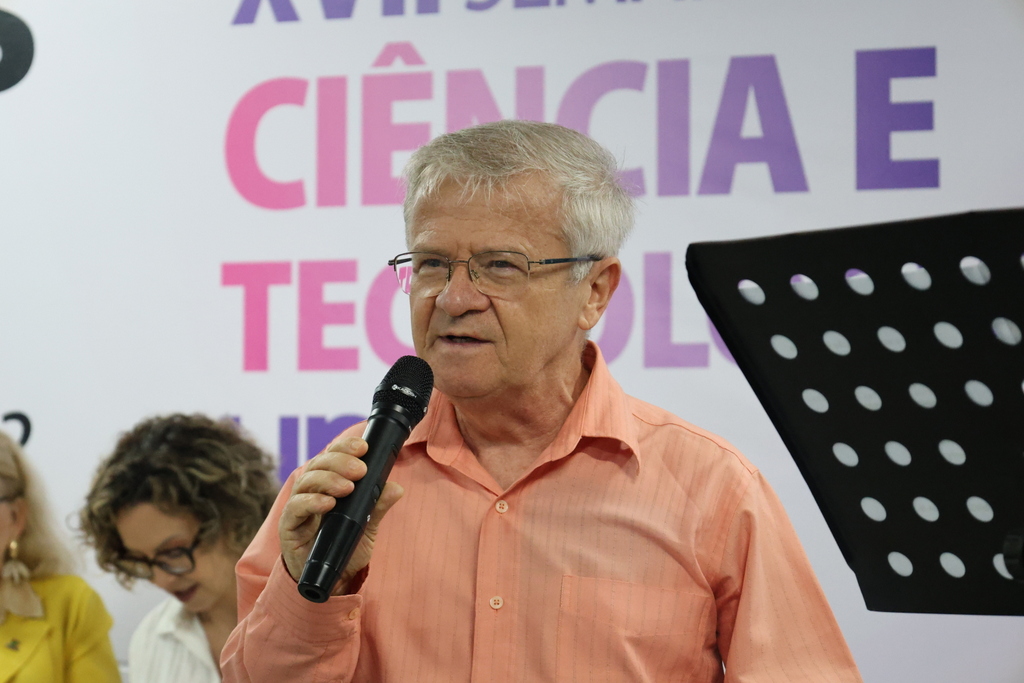
The event was attended by the editor-in-chief of Ediunesc, Professor Dimas de Oliveira Estevam, and the president and vice-president of the Criciúma Academy of Letters, Carmem Neves and Dione Virtuoso, respectively. According to Estevam, the collective launch highlights the diversity and relevance of the editorial production linked to Ediunesc and Unesc. “We gathered works that address fundamental themes, such as teacher training, environmental preservation, emotional memories, the legal and ethical challenges of artificial intelligence in health, and the relationship between art and sustainability. This diversity demonstrates how the book is an important instrument for the production and democratization of knowledge, cultural appreciation, and societal transformation,” he shared.
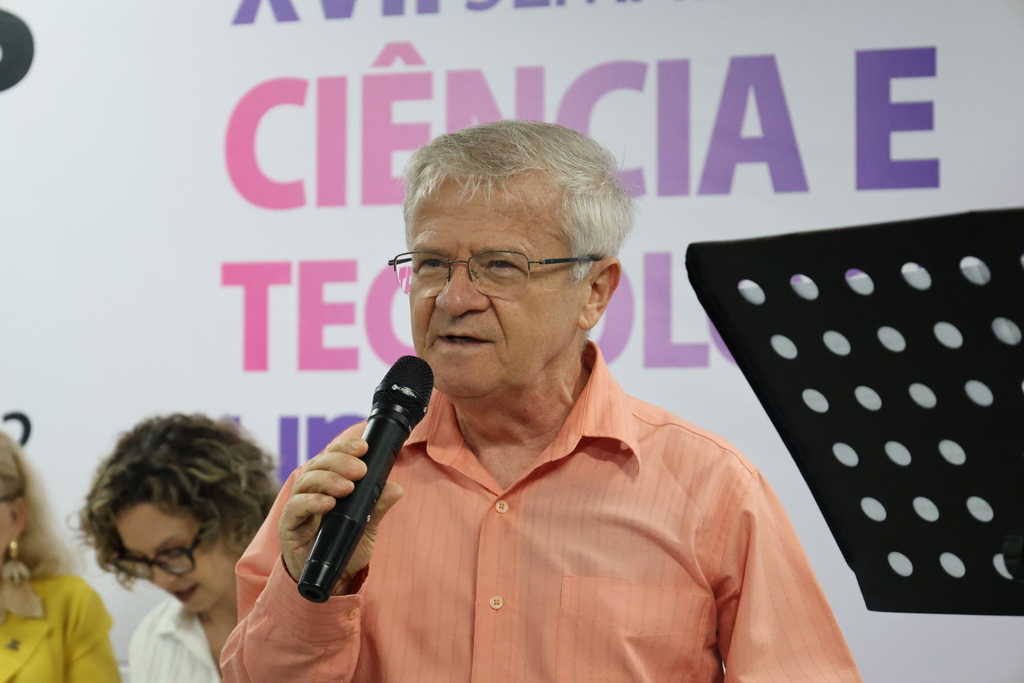 He emphasizes that each publication is the result of a collective effort involving authors, organizers, researchers, and professionals in the editorial process. “As Ediunesc, our mission is to ensure that knowledge transcends academic spaces, reaches different audiences, and promotes new reflections. Additionally, we celebrate National Book Day, which makes this moment even more significant, as it reaffirms the importance of reading, research, and valuing knowledge and the role of Ediunesc,” he concluded.
Check out the launched works:
Teacher Training in Debate
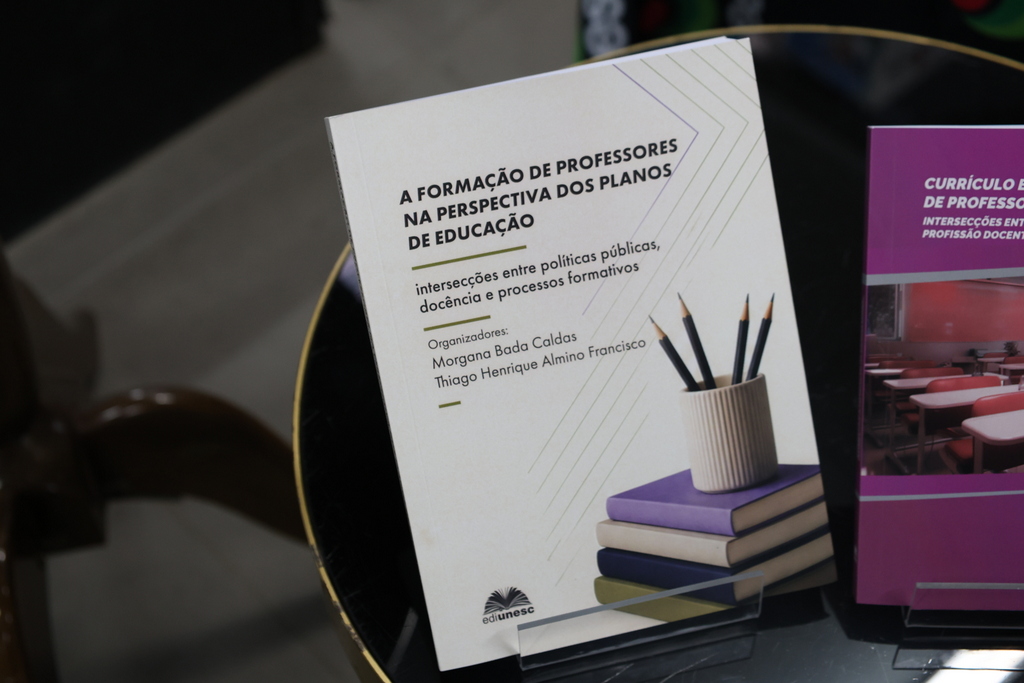
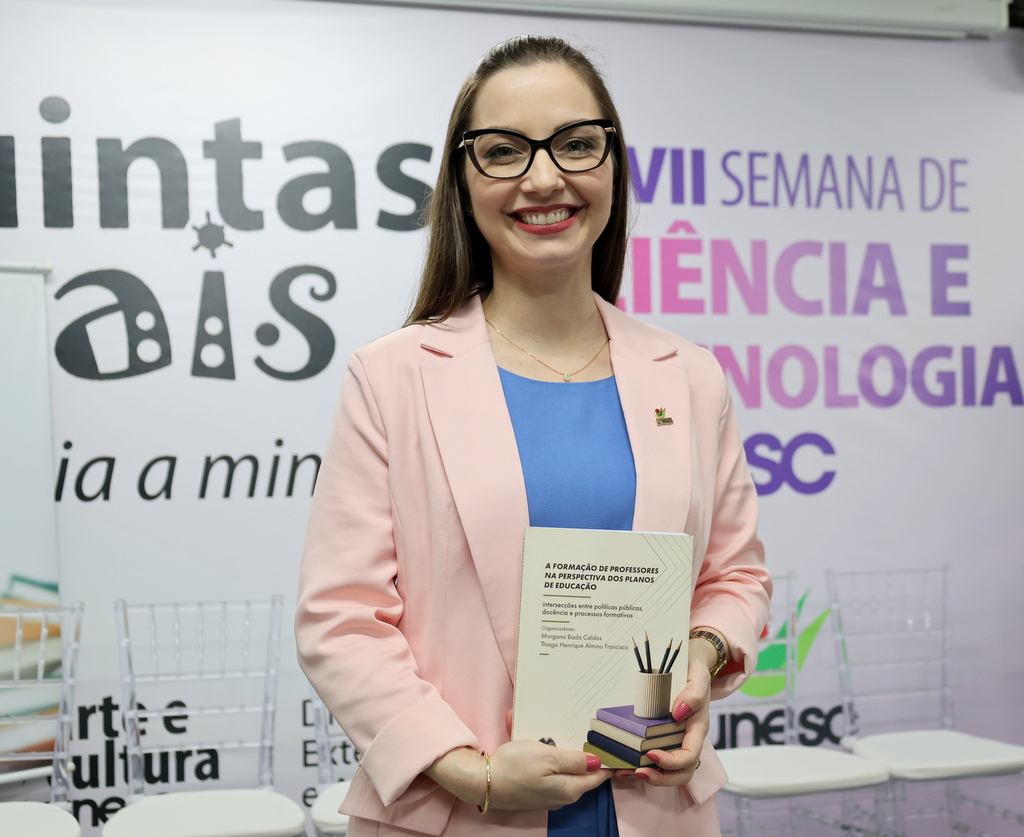
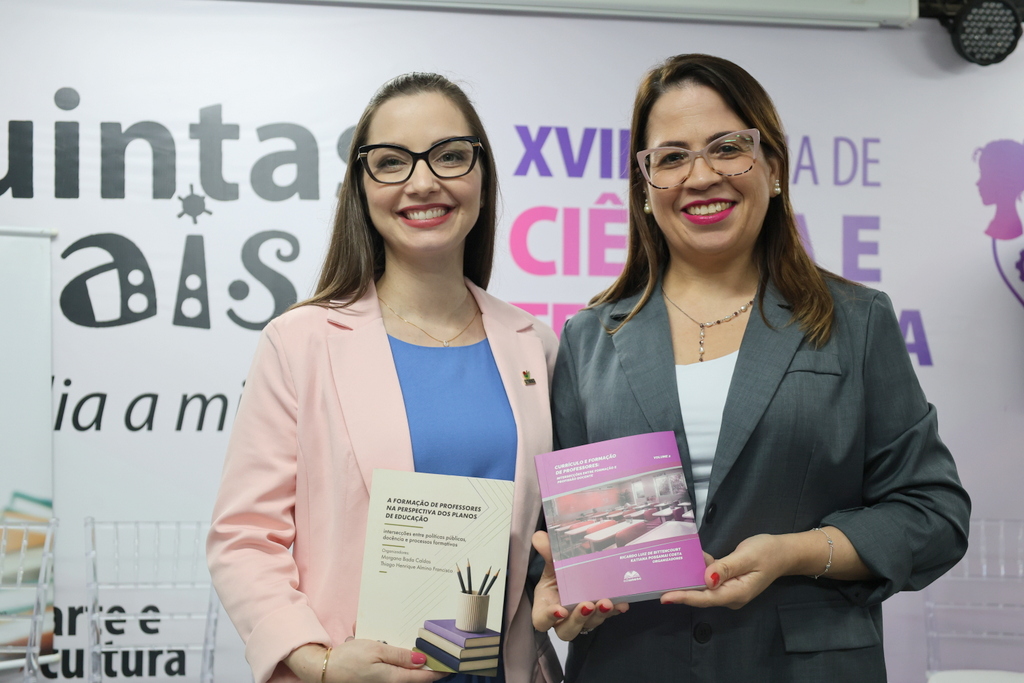
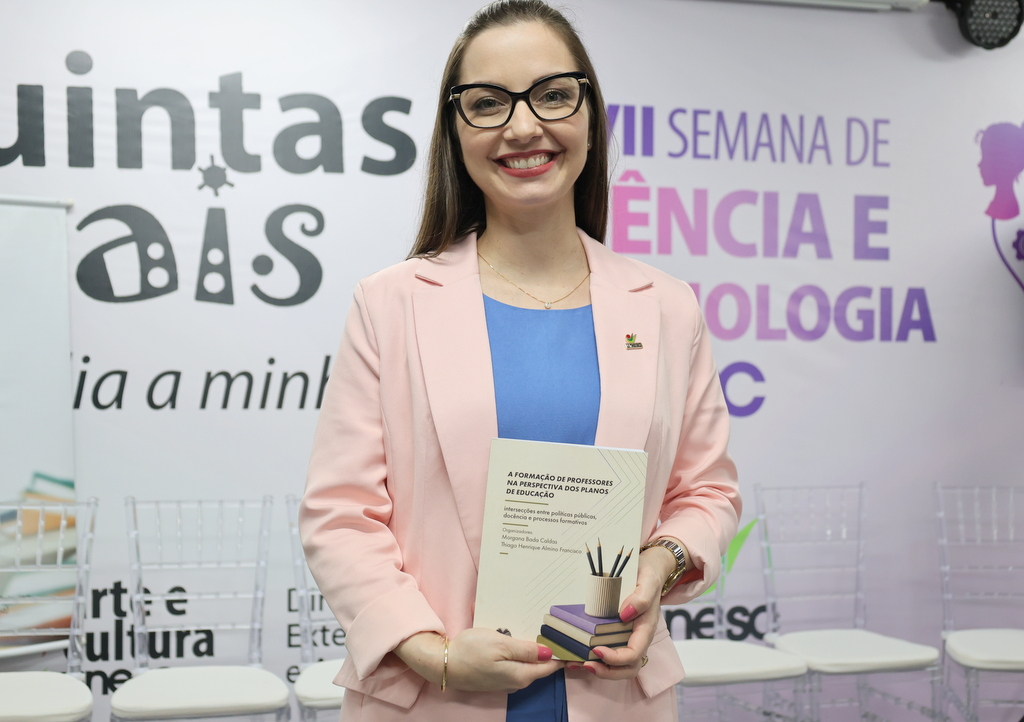 The work Teacher Training in the Perspective of Education Plans: intersections between public policies, teaching, and formative processes, organized by Morgana Bada Caldas and Thiago Henrique Almino Francisco, with a preface by Naiara Gracia Tibola, gathers research from the University Studies Group (GEU/Unesc). The chapters analyze teacher training in Brazil based on education plans and address public policies, pedagogical practices, teacher appreciation, educational assessment, early childhood education, inclusive education, and the expansion of graduate studies.
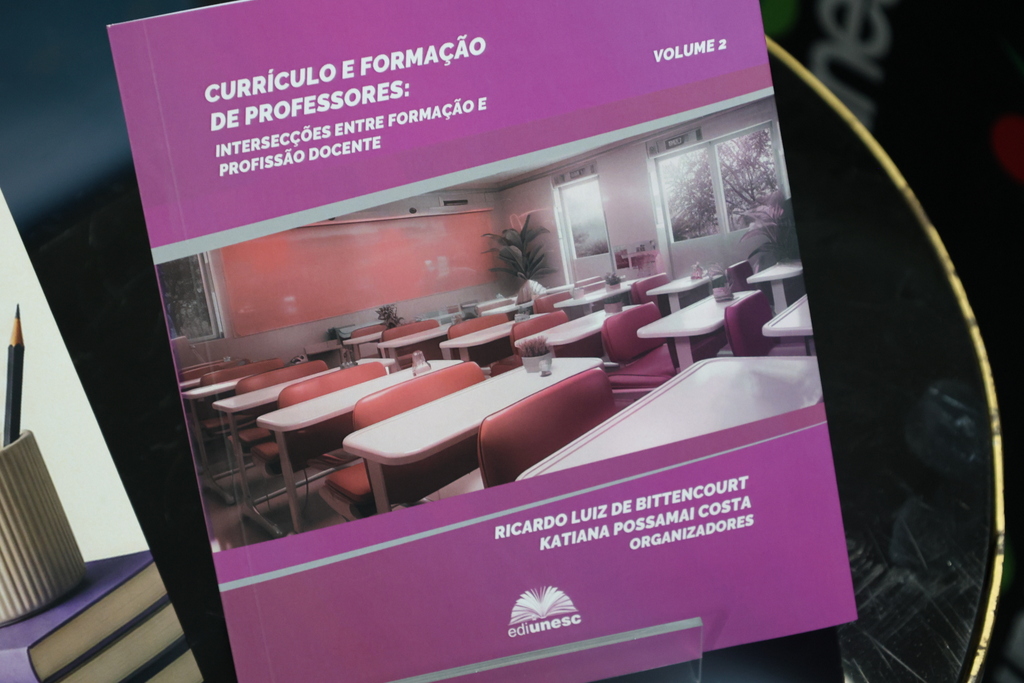
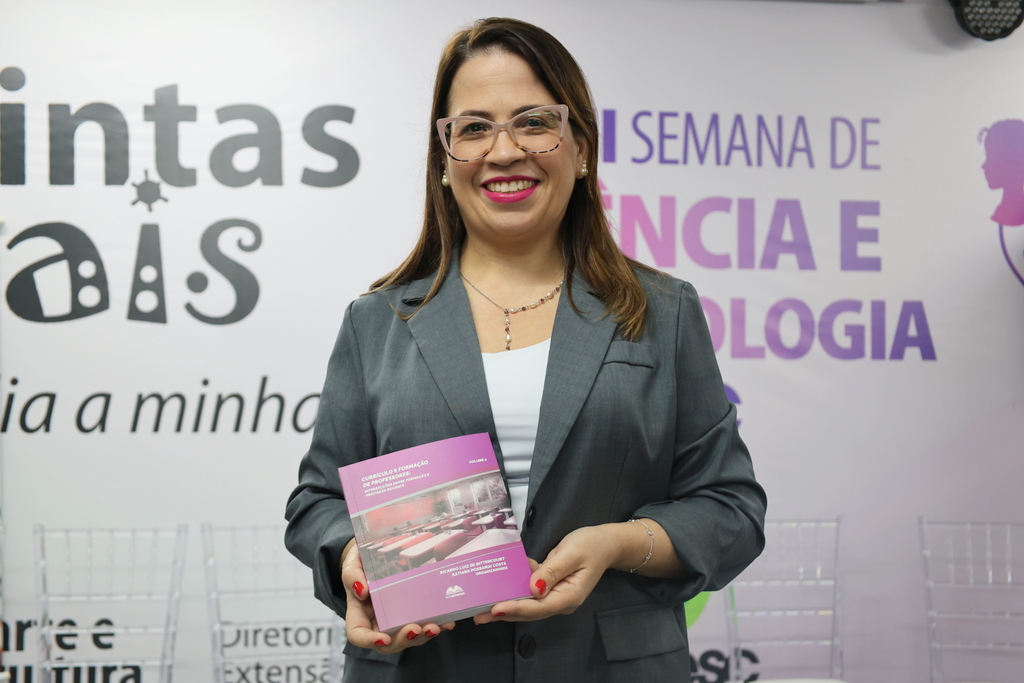
Also included in the launch is the second volume of Curriculum and Teacher Training: intersections between training and teaching profession, organized by Ricardo Luiz de Bitencourt and Katiana Possamai Costa, with a preface by Ana Cristina da Silva Rodrigues. This publication compiles research from the Research Group on Policies, Knowledge, and Practices of Teacher Training at Unesc. In 11 chapters, distributed across three thematic axes, it addresses curriculum, teacher training policies, the precariousness of teachers' work, Pibid, supervised internships, inclusive education, and literacy processes. 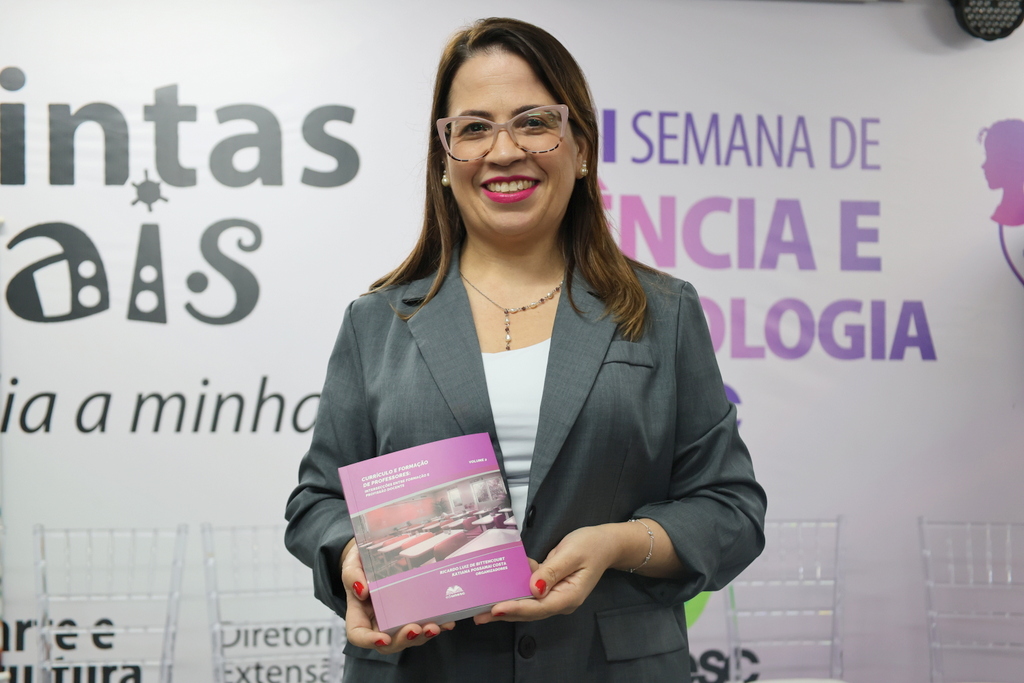
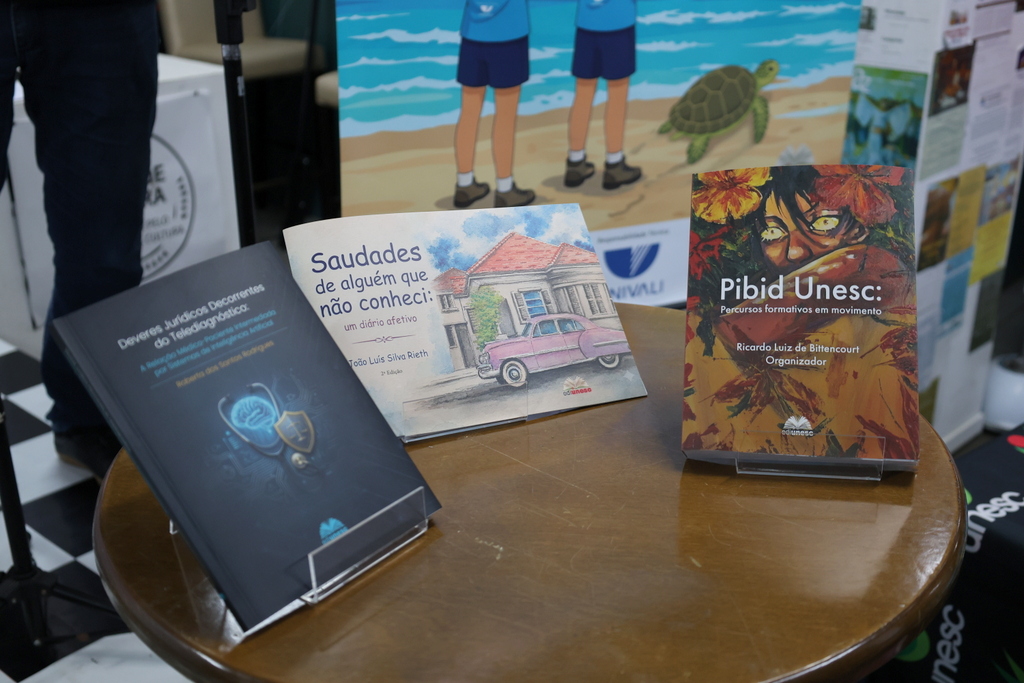
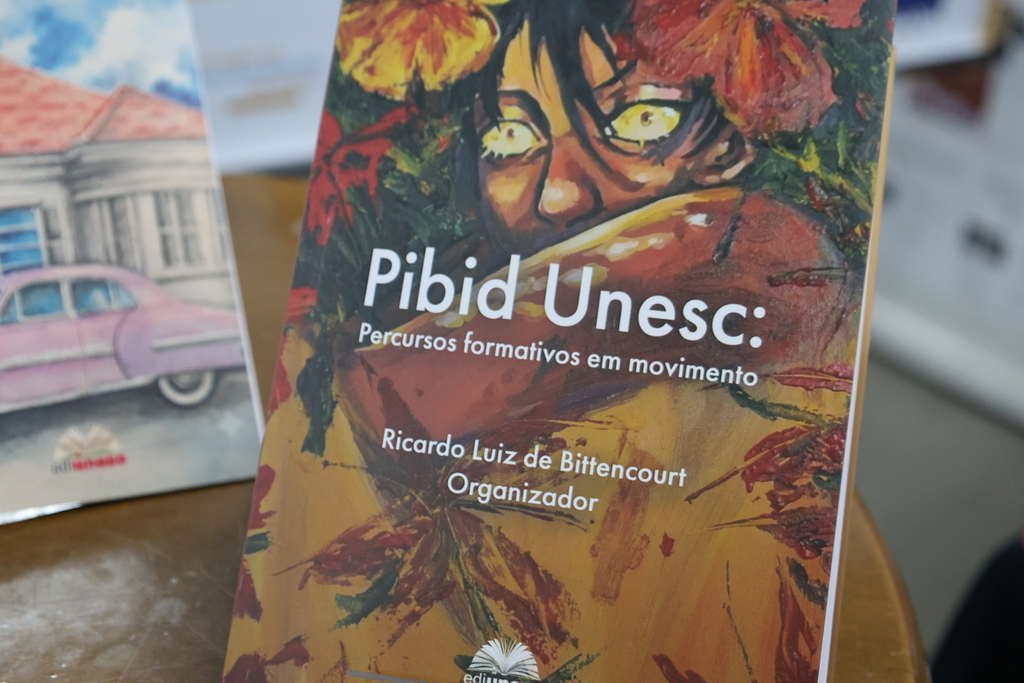
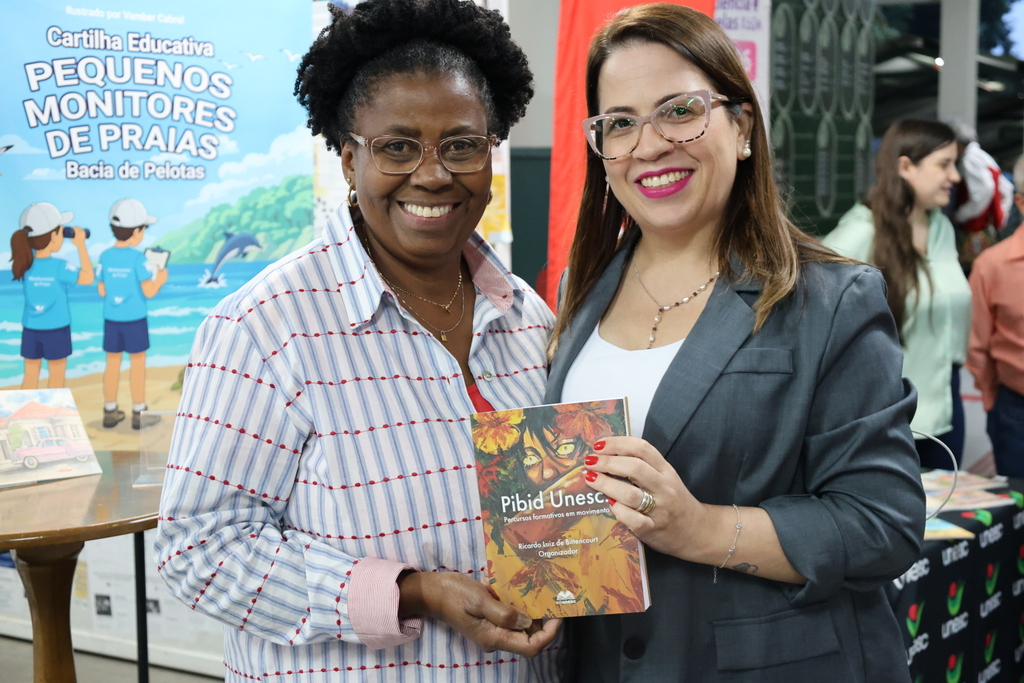
The third publication focused on teacher training is Pibid Unesc: Formative Paths in Motion, organized by Ricardo Luiz de Bitencourt, with a preface by Miryan Cruz Debiasi and published by Ediunesc in 2026. The book includes 21 chapters that present experiences from eight subprojects developed by the University through the Notice 10/2024/Capes. The work highlights the integration between the university and public schools and the contributions of the Institutional Scholarship Program for Teaching Initiation to the initial and ongoing training of teachers. The experiences encompass Pedagogy, Mathematics, Language Arts, History, Physical Education, Visual Arts, Literacy, and interdisciplinary projects.
Environmental Conservation and Emotional Memory
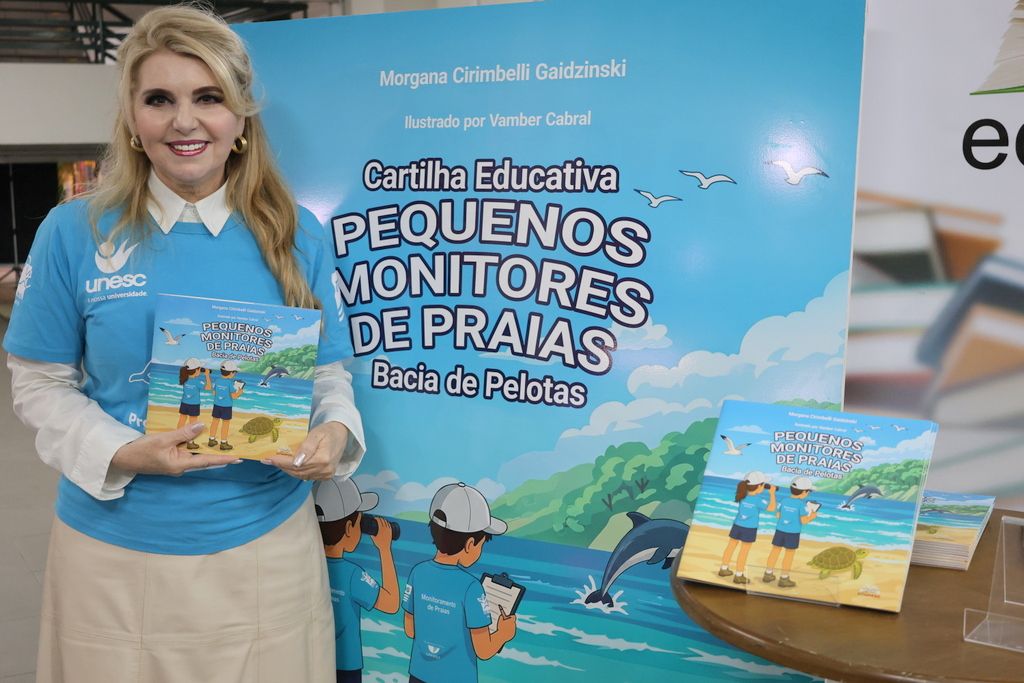
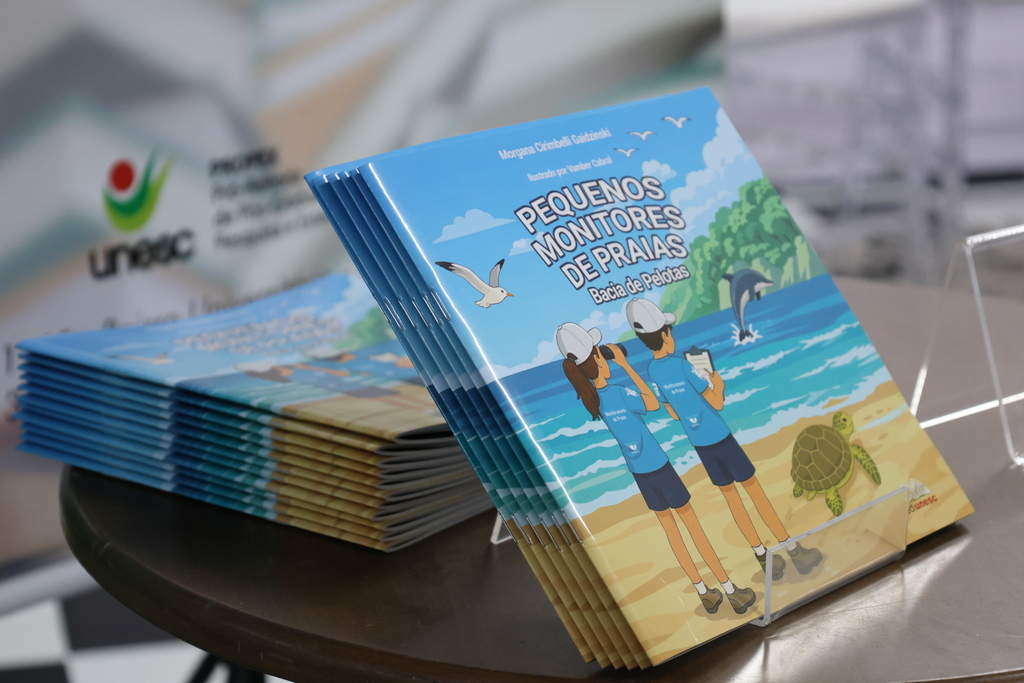
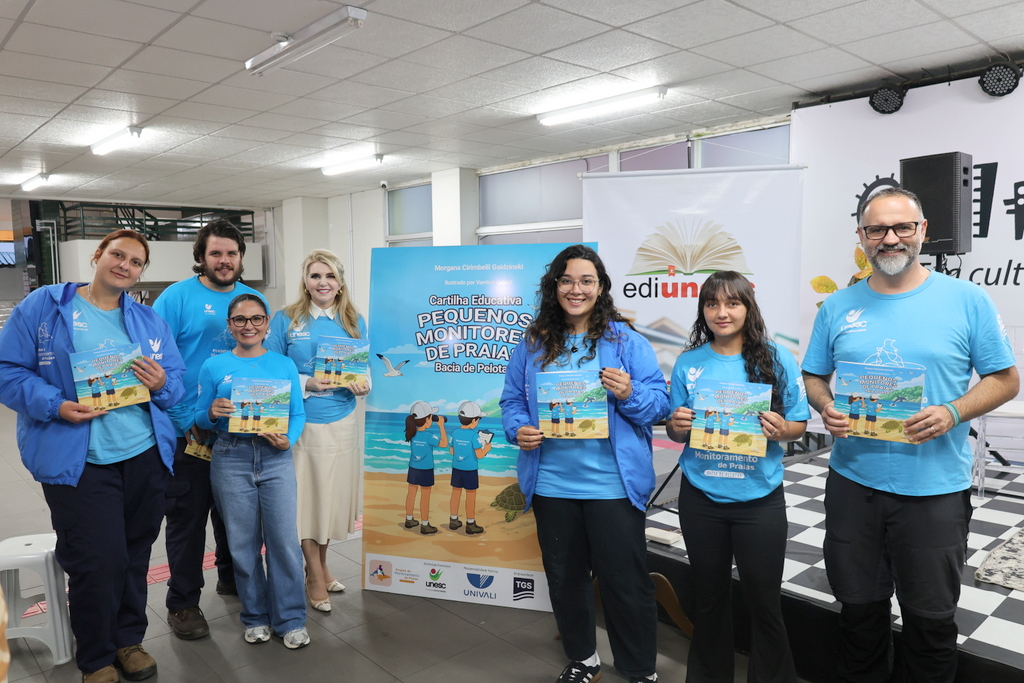
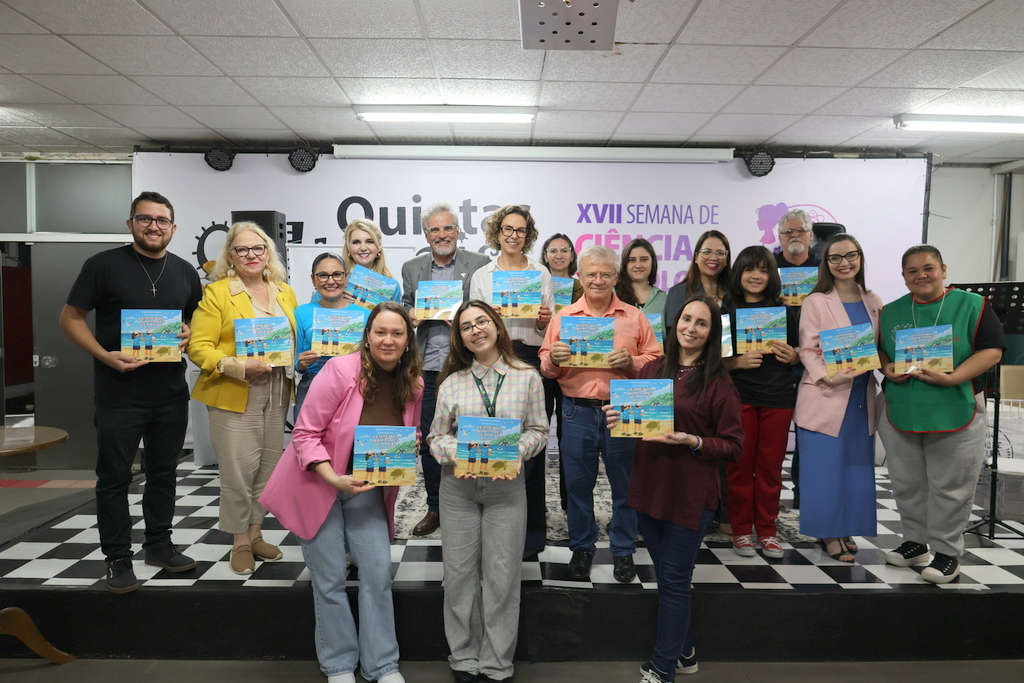
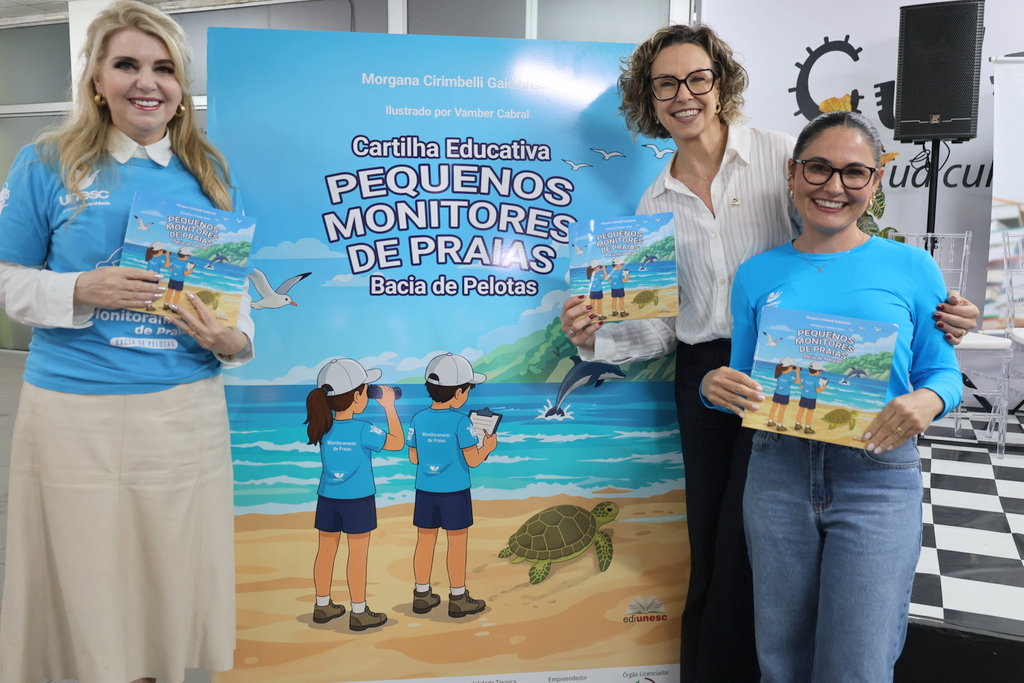
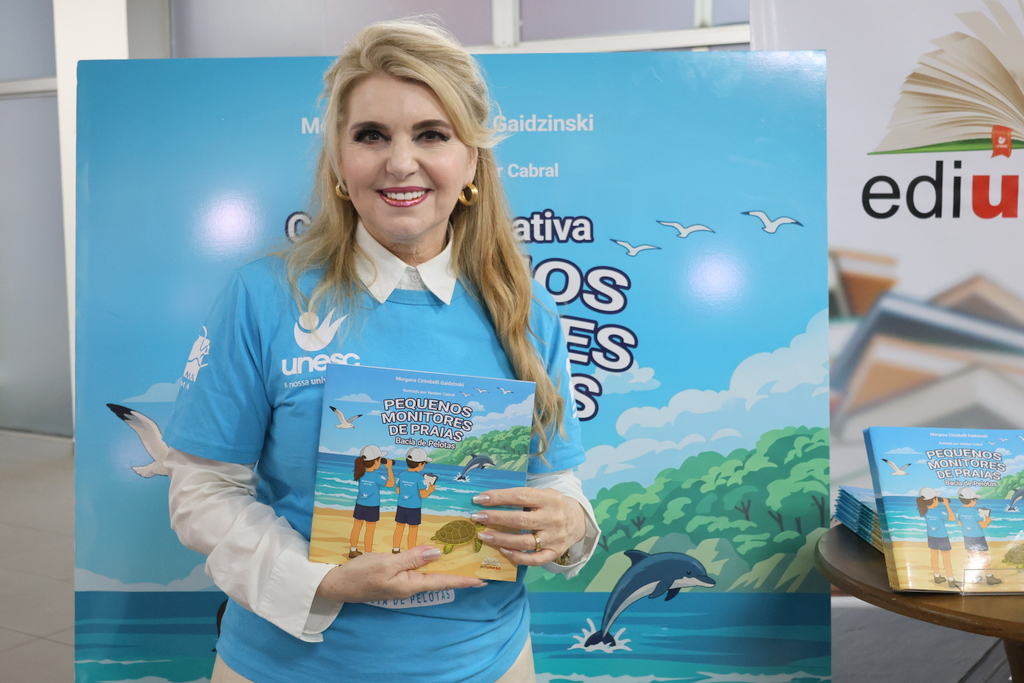 Targeted at children, the booklet Little Beach Monitors: Pelotas Basin is authored by Morgana Cirimbelli Gaidzinski, with illustrations by Vamber Cabral. The general coordinator of the Beach Monitoring Project in the Pelotas Basin is Professor André Silva Barreto.
With playful and accessible language, the publication presents the marine biodiversity of the Pelotas Basin, which encompasses the coastline of Rio Grande do Sul and Santa Catarina. The material also explains the work carried out by the monitoring project and encourages children to learn about and contribute to the conservation of marine wildlife.
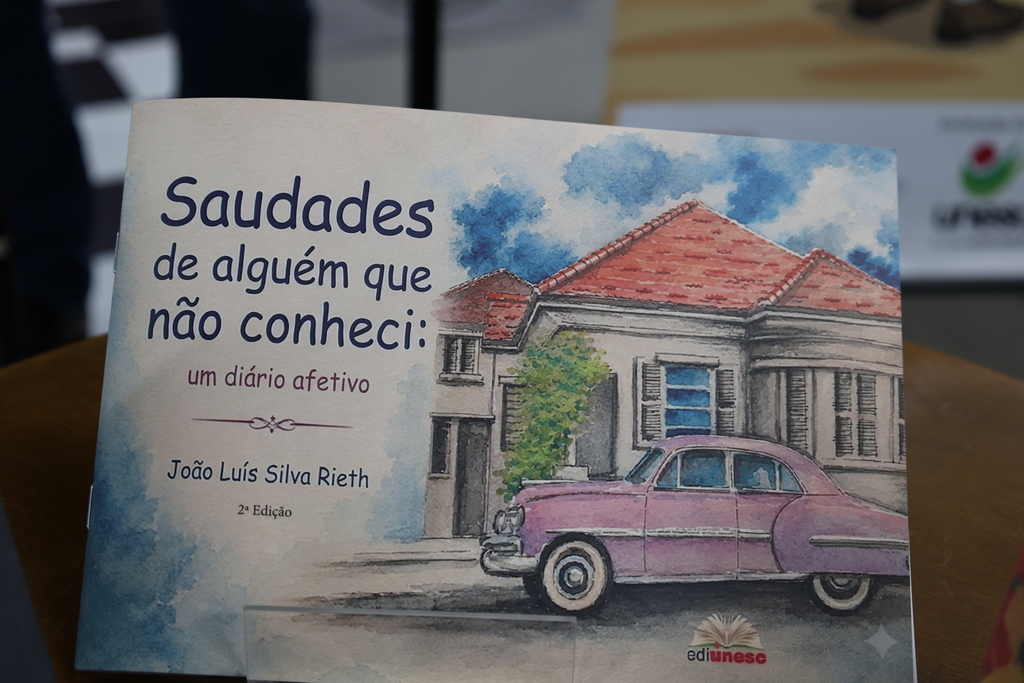
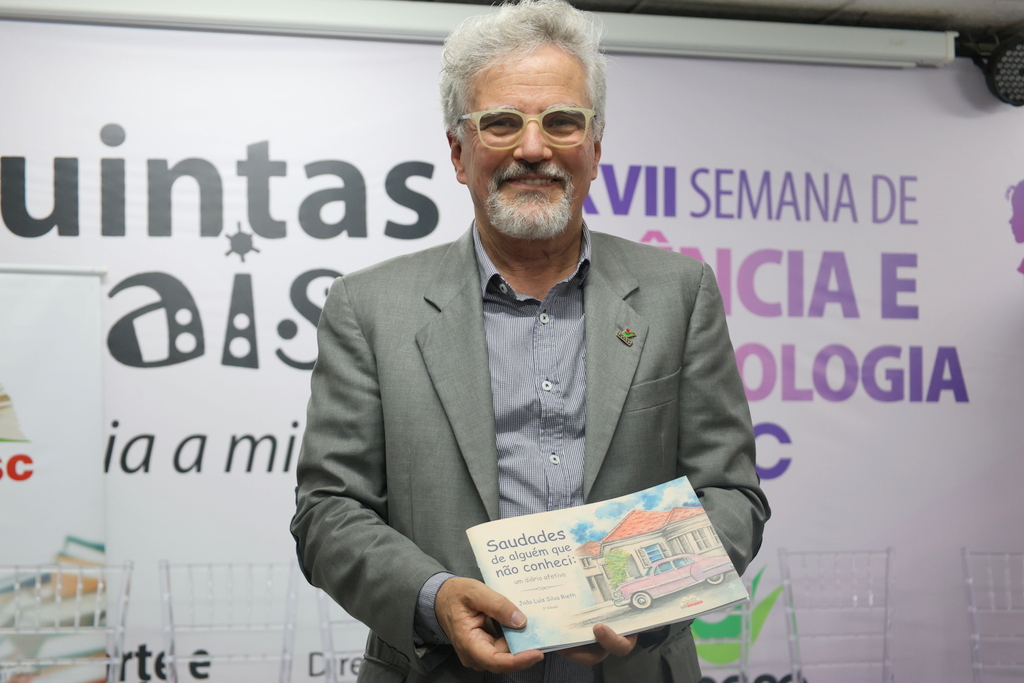
Family memory is the theme of another work launched on the night of this Thursday, which was Saudades de Alguém que Não Conheci: an affective diary, second edition, by João Luis Silva Rieth, known as João Curioso, who is also responsible for the illustrations. The work has a preface by Gislene Camargo and rescues the story of the author's paternal grandmother, Ottília Amália Carvalho de Oliveira (1900-1943), painter and teacher. 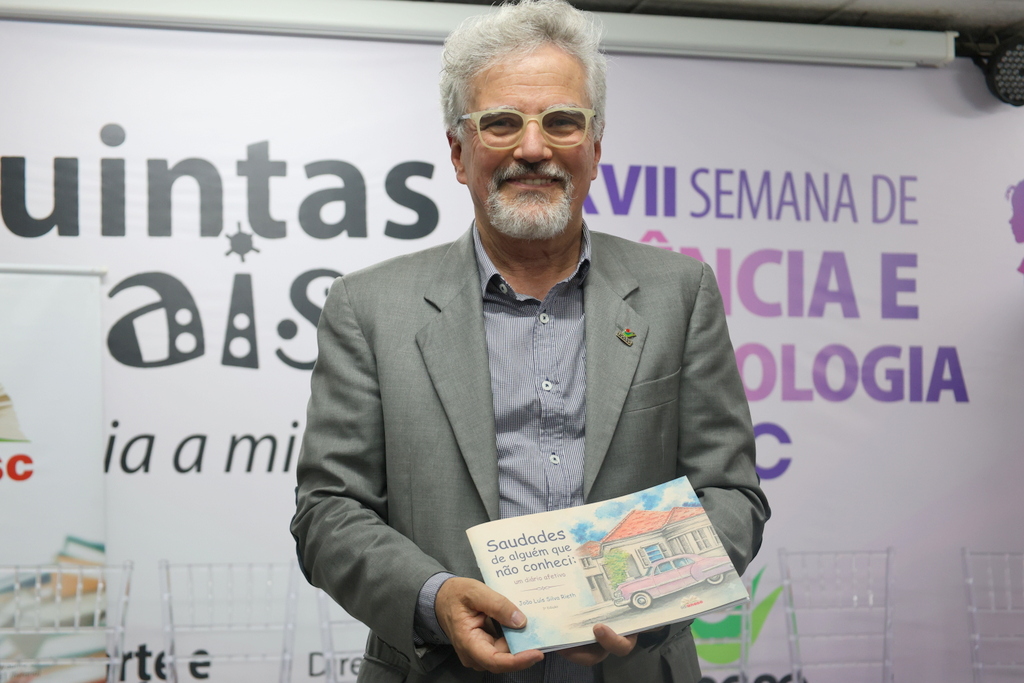
Through narratives, photographs, and affective objects, the book reconstructs family memories and invites readers to reflect on their own stories. The publication, edited by Ediunesc in 2026, also features interactive pages for drawing and recording memories.
Artificial intelligence and responsibility in healthcare
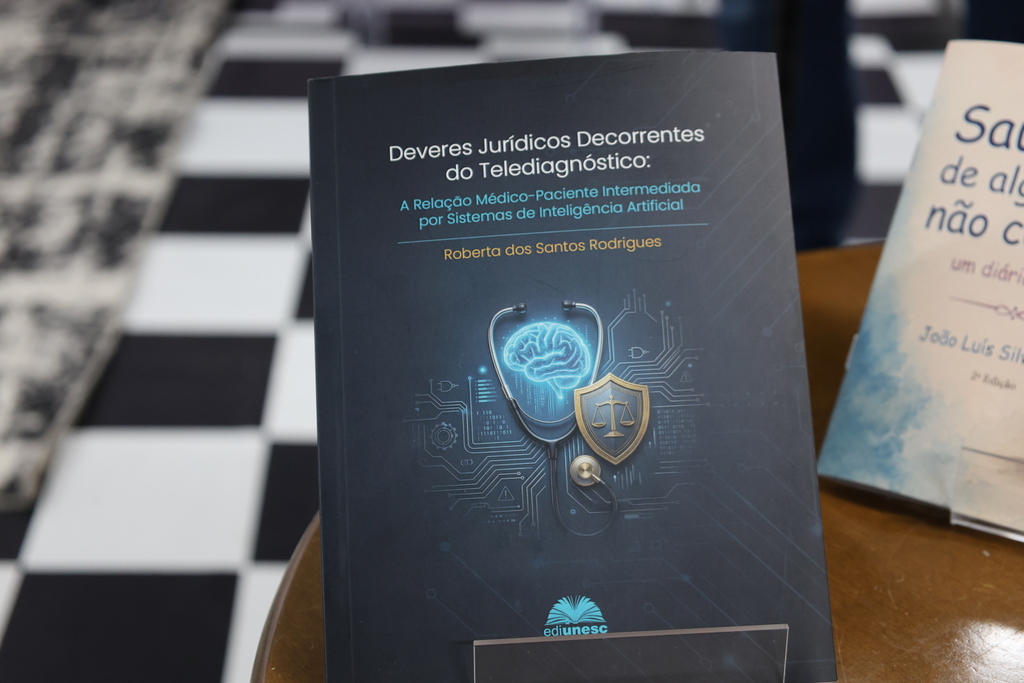
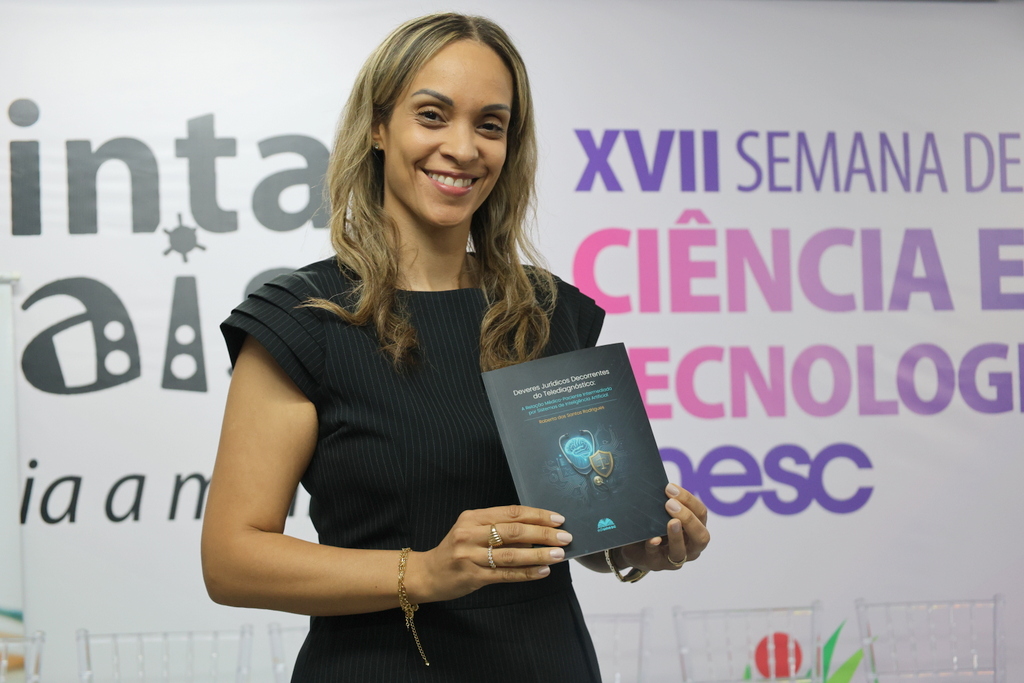
The legal and ethical challenges related to the use of artificial intelligence in medicine are addressed in Legal Duties Arising from Telediagnosis: the doctor-patient relationship mediated by artificial intelligence systems, authored by Roberta dos Santos Rodrigues, published by Ediunesc in 2026. 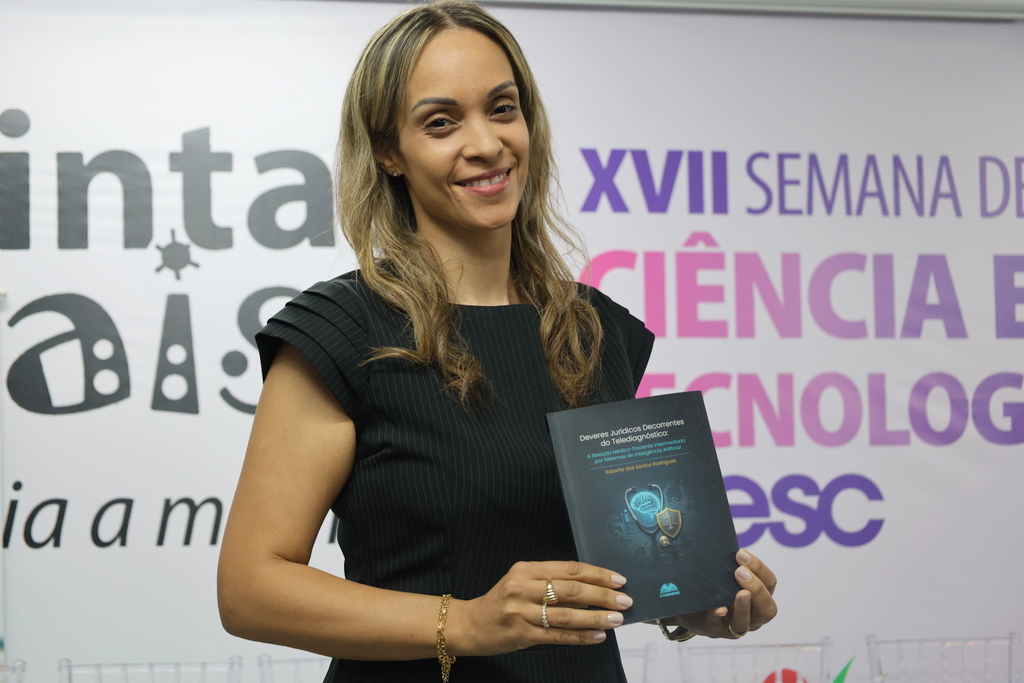
The book investigates the transformations in the relationship between doctors and patients with the use of digital technologies and artificial intelligence systems. Among the topics are the regulation of algorithmic systems in Brazil, duties of information and transparency, algorithm explainability, data confidentiality, and informed consent.
The publication also discusses civil liability in the face of diagnostic errors, the opacity of artificial intelligence systems, and the challenges related to data management in telehealth.
Art and sustainability
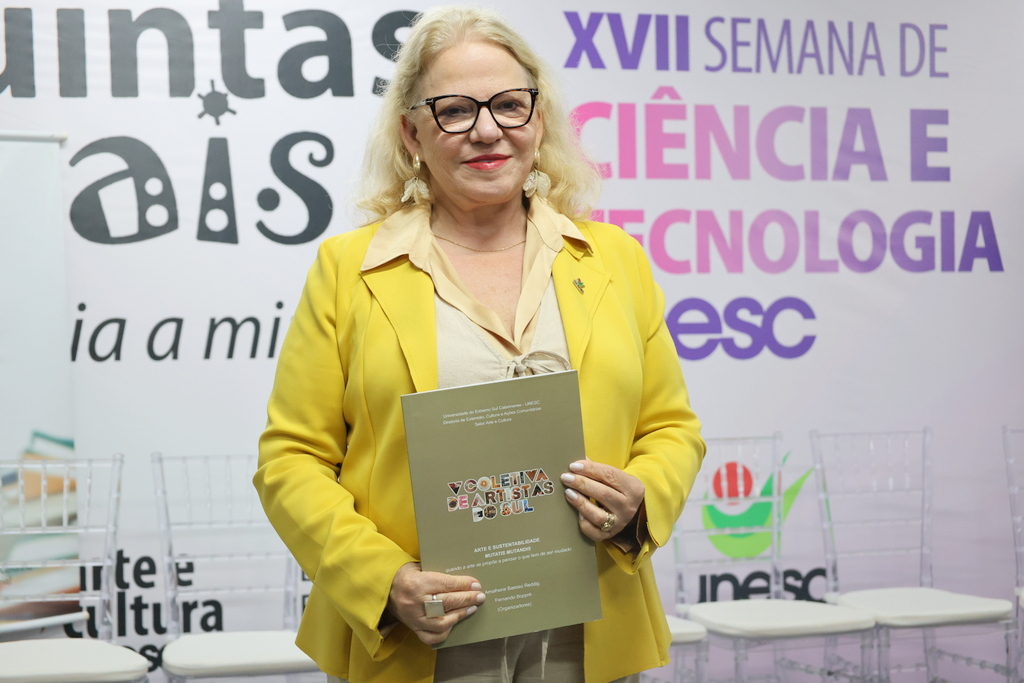
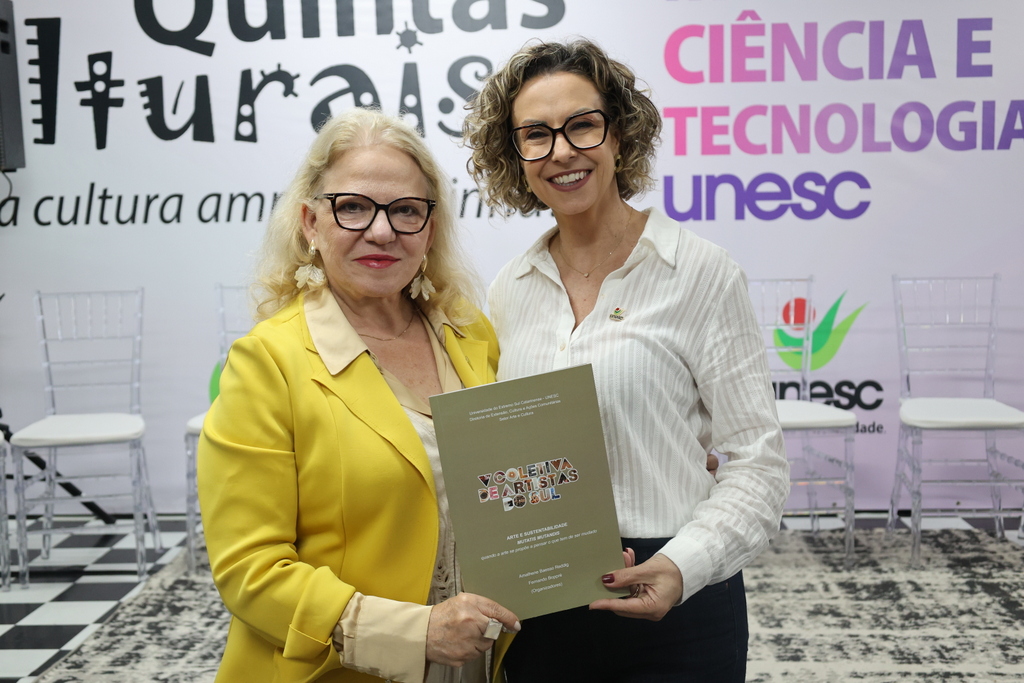
The seventh publication is the catalog 5th Collective of Artists from the South – Art and Sustainability. Mutatis Mutandis: when art proposes to think about what needs to be changed, organized by Amalhene Baesso Reddig and Fernando Boppré. The catalog records the exhibition held at the Unesc Cultural Space Toque de Arte, in celebration of the 25th anniversary of this cultural facility, registered in the State Museum System of Santa Catarina. The space works to promote art and artists, to educate the public, and to build the artistic collection. 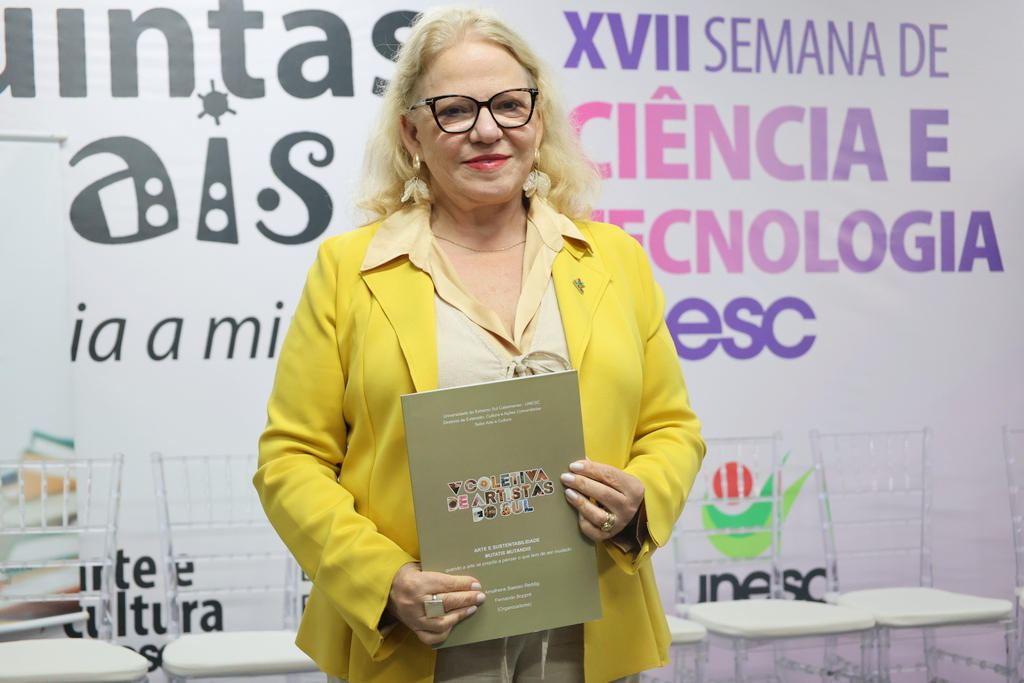
The publication brings together works by ten artists from eight cities in Southern Santa Catarina. The images of the works propose reflections on the necessary changes in ways of thinking and acting, especially regarding compliance with legislation and the preservation of natural environments.