Activities Cover Textile Production Techniques, Cultural Heritage, and Afro-Entrepreneurship
Published by: Marciano Bortolin
on October 26, 2026
Reading time: 4 minutes.
The research on fabrics from 15 African countries guides the Afrodesign project, developed by Unesc in partnership with the Clube União Operária in Criciúma. The initiative promotes three workshops on October 24, November 14, and 21, featuring practical activities in textile production and a stage dedicated to Afro-entrepreneurship.
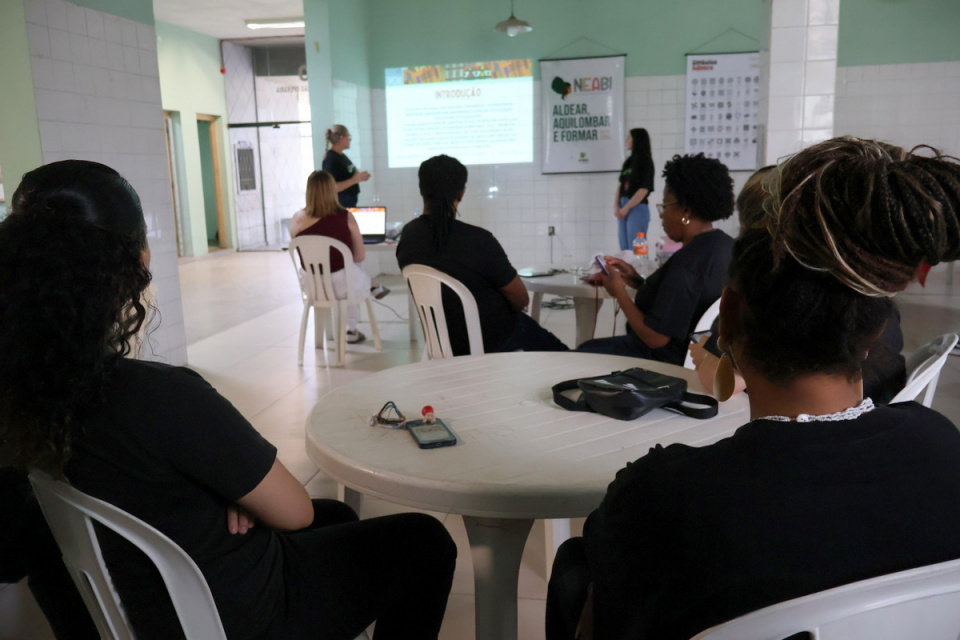
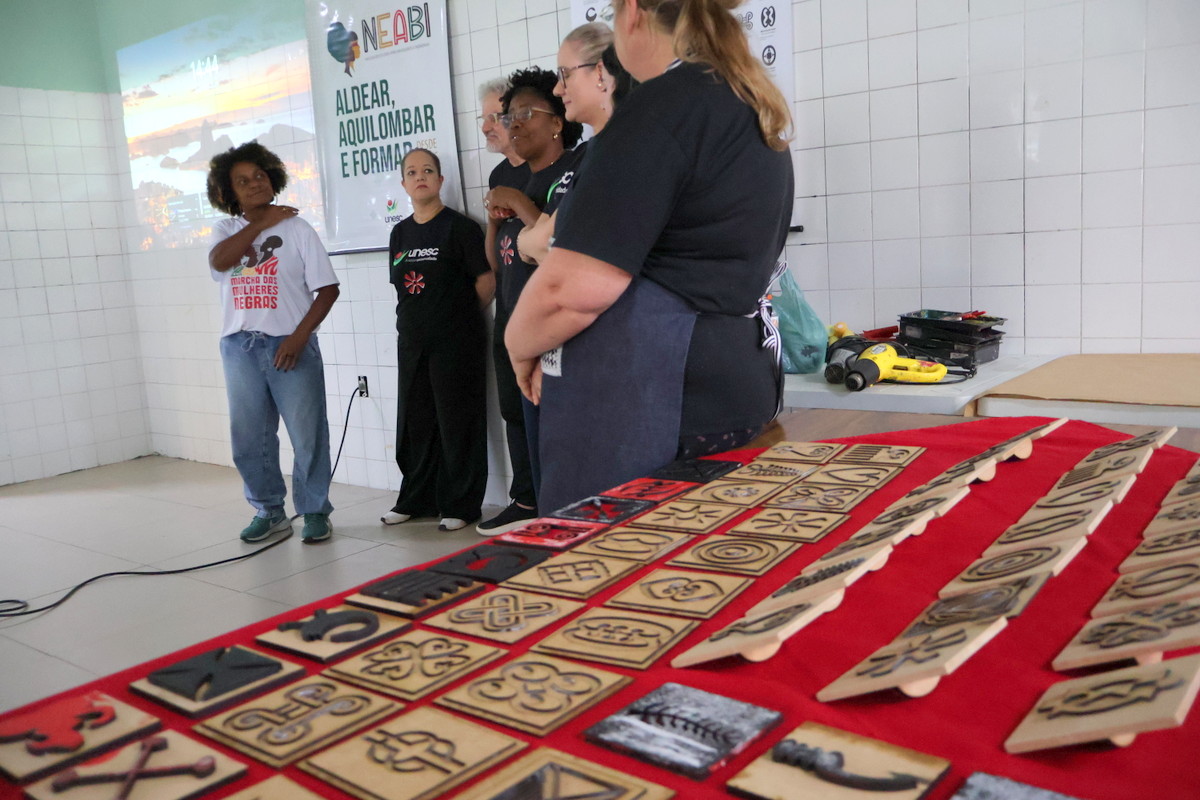
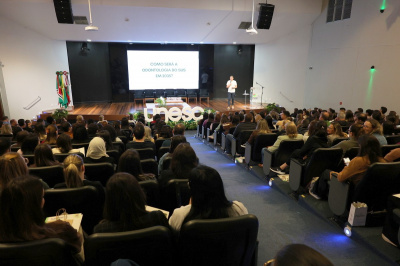
The first workshop, held last Saturday (10/24), focused on adinkra fabrics and the historical, mathematical, and chemical knowledge involved in their production. The activities are part of an Extension project supported by a call from the Pro-Rectorate of Research, Graduate Studies, Innovation, and Extension (Propiex), with participation from the Design course and the Afro-Brazilian and Indigenous Studies Center (Neabi) of the University.
“Behind each fabric lies a technological context, a meaning related to colors and patterns. One can perceive the mathematical and chemical knowledge involved in production, especially in the use of natural dyes, often extracted from the very soil,” explains the coordinator of Neabi, Normélia Ondina Lalau de Farias.
The research also addresses the appropriation of African knowledge during the colonization process and the enslavement of peoples from the continent. “Recognizing these technologies helps combat the historical view that attributed a supposed absence of knowledge to Africans and their descendants,” she adds.
Research and anti-racist education
The project lasts for two years and aims to study the origins of African fabrics and the influence of these traditions on Afro-Brazilian production. The program includes hands-on activities in printing, experimentation with textile techniques, and a workshop on income generation possibilities based on cultural knowledge.
The choice of Clube União Operária to host the activities also highlights the connection between the academic proposal and the history of the Black population in southern Santa Catarina. The space is recognized for its history of struggle and resistance and its contribution to community organization.
“Education needs to be liberating, as Paulo Freire advocated. This freedom begins when we know our history and recognize the knowledge that has been denied over time,” states Normélia.
The president of Clube União Operária, Iara Odila Nunes Costa, emphasizes that the venue is a space of resistance, built through the struggles of ancestors. “That’s why it’s important to host initiatives like this. The club is not just a space for dance, entertainment, and fun, but also for culture and education. The workshops are important because they discuss our history, the African continent, cultural production, and the knowledge that still lacks the necessary visibility,” she notes.
Knowledge applied to design
The coordinator of the Design course, João Rieth, explains that the research investigates the symbolic function of fabrics and the meanings conveyed by colors, shapes, and patterns. The study considers references from 15 African countries related to the origins of enslaved peoples in Brazil.
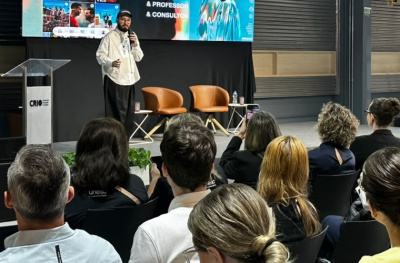
In the next stage, taking place on November 14, the program will continue with activities related to textile production techniques. The closing session, on November 21, will address entrepreneurship and the possibilities of applying the researched knowledge in product development.
Copyright 2026 © UNESC. All rights reserved. | Privacy Policy