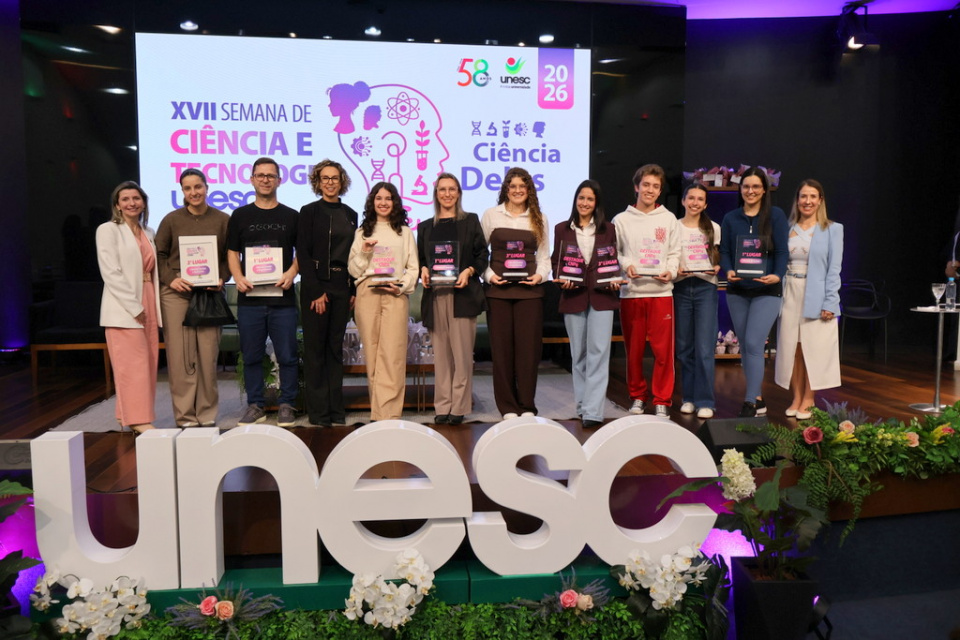
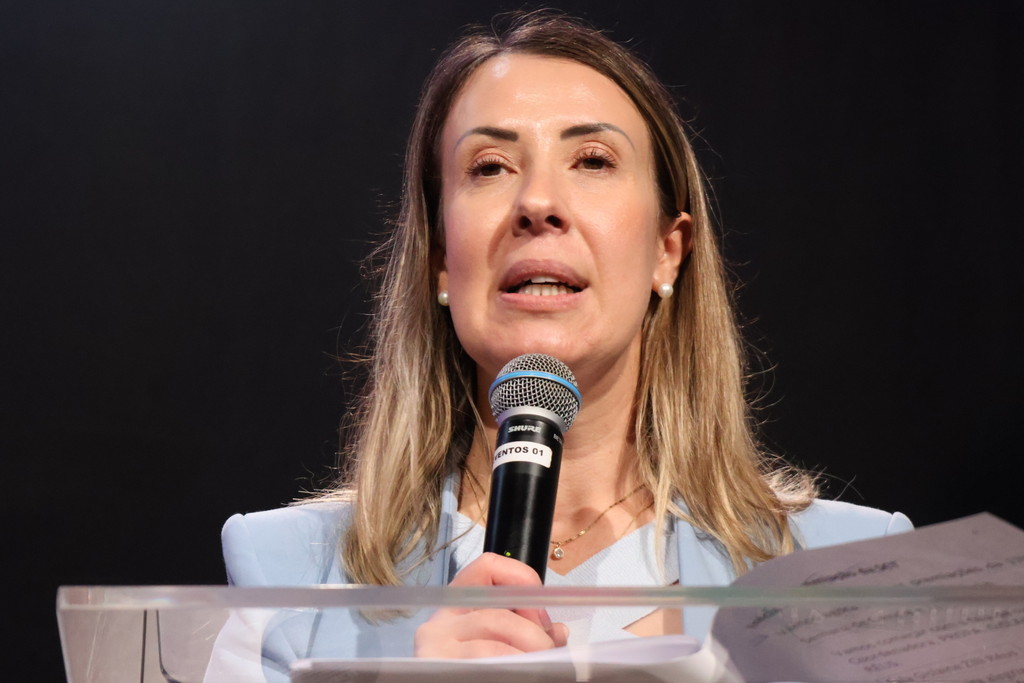
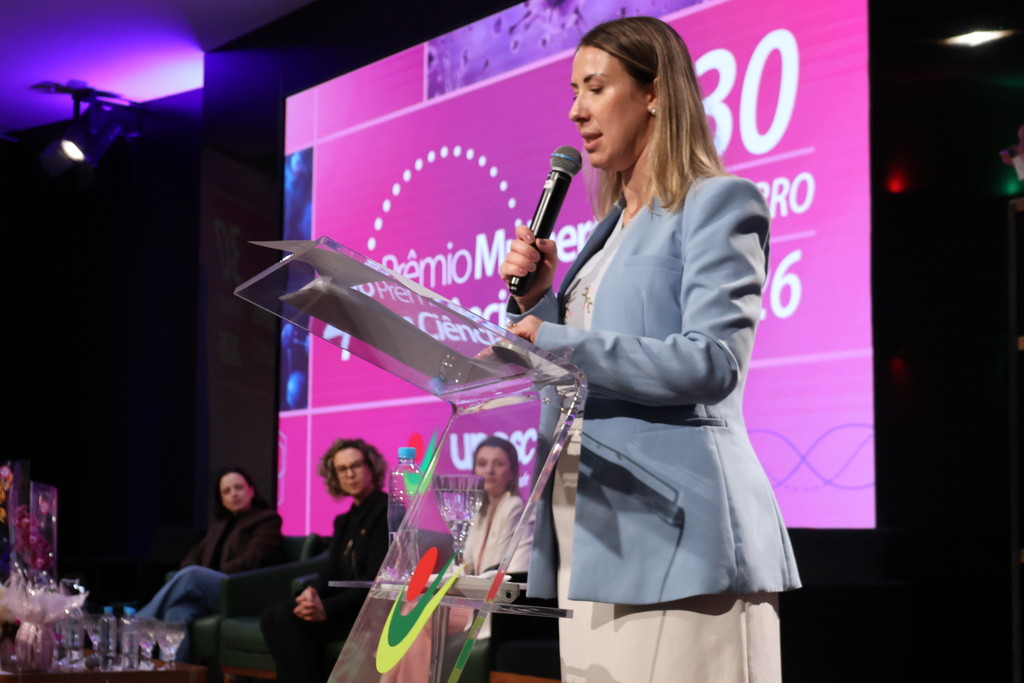
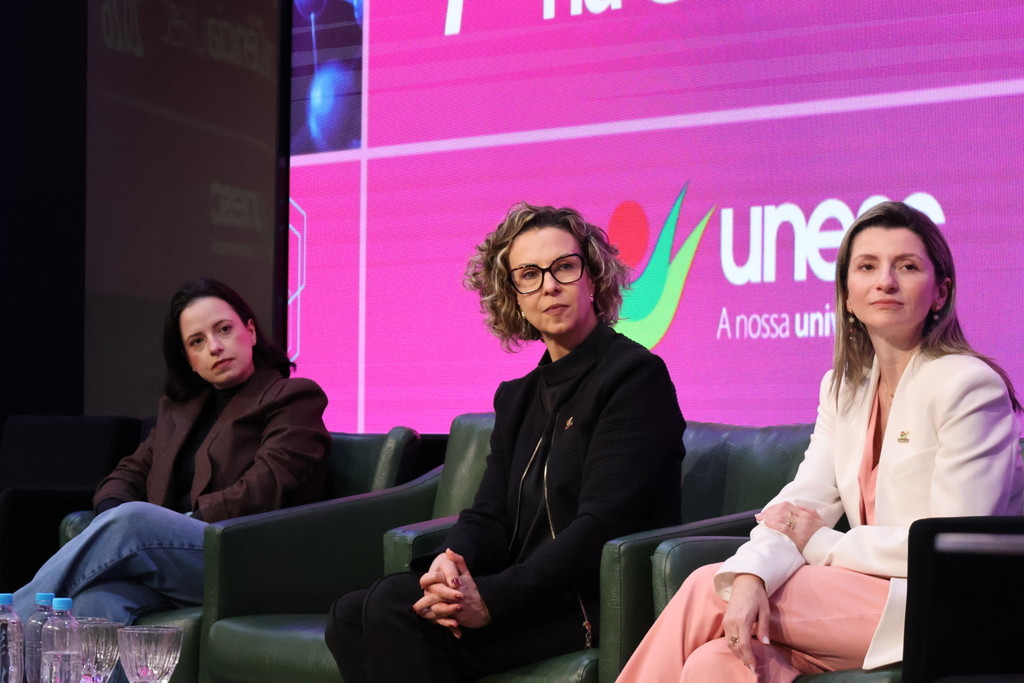
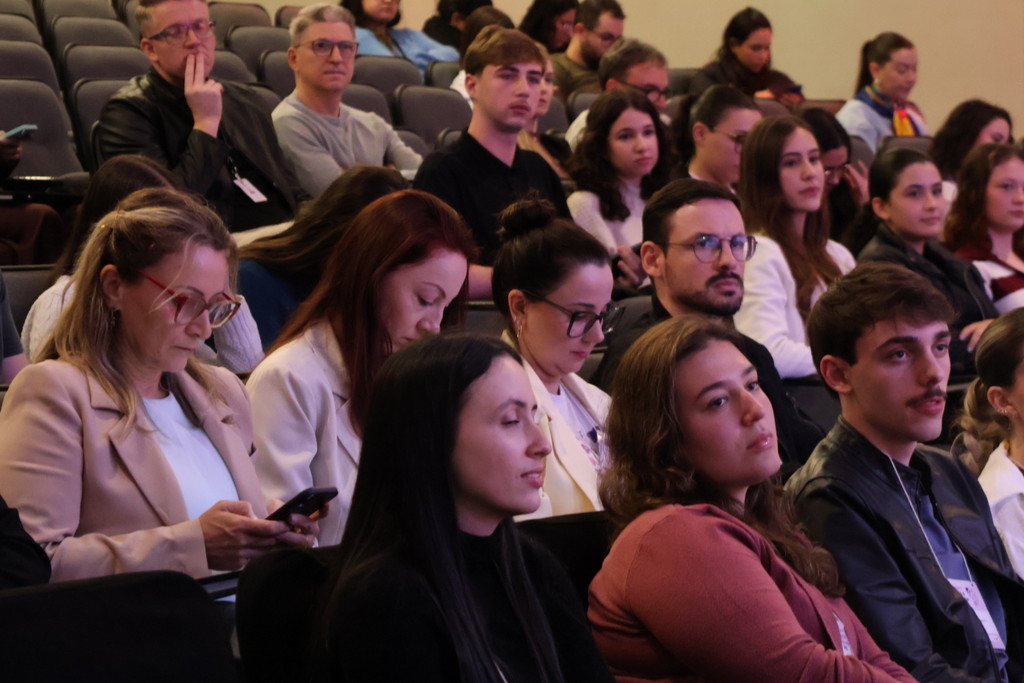
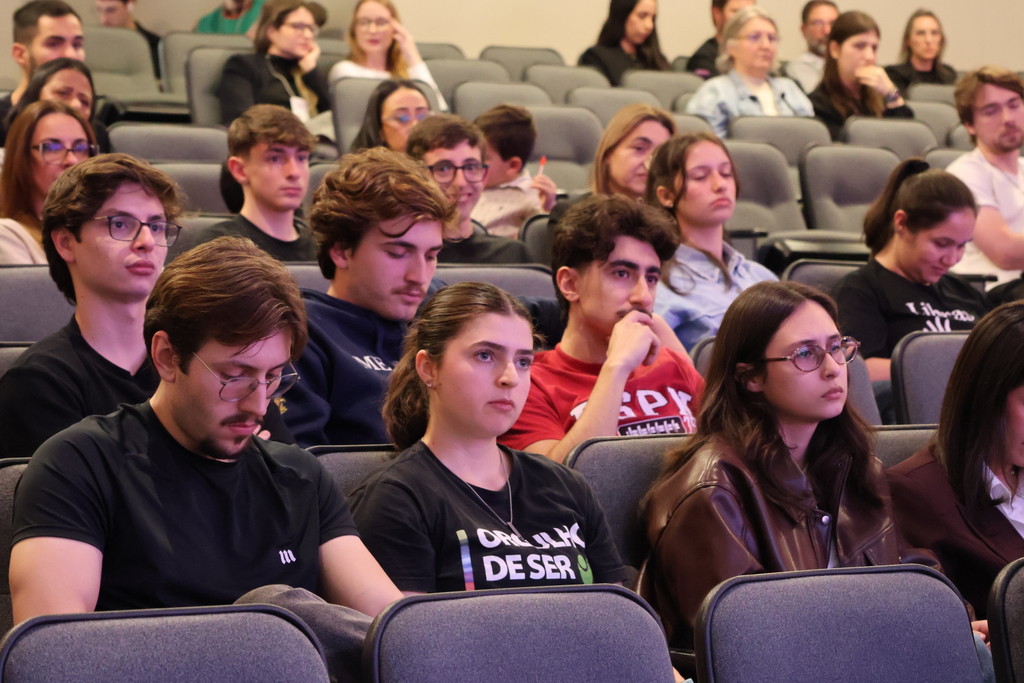
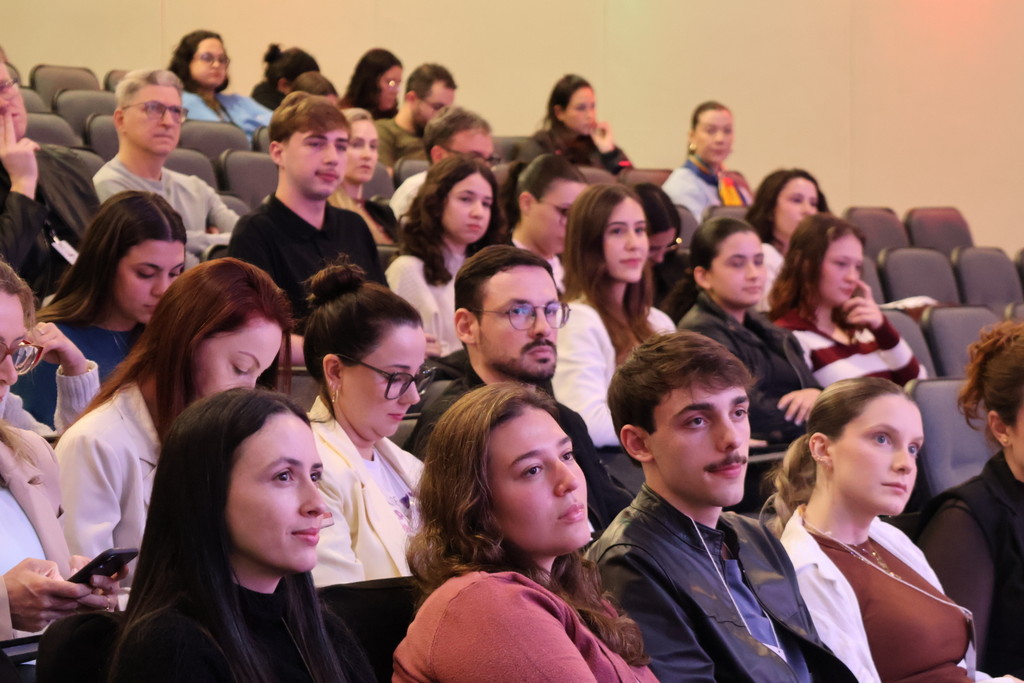
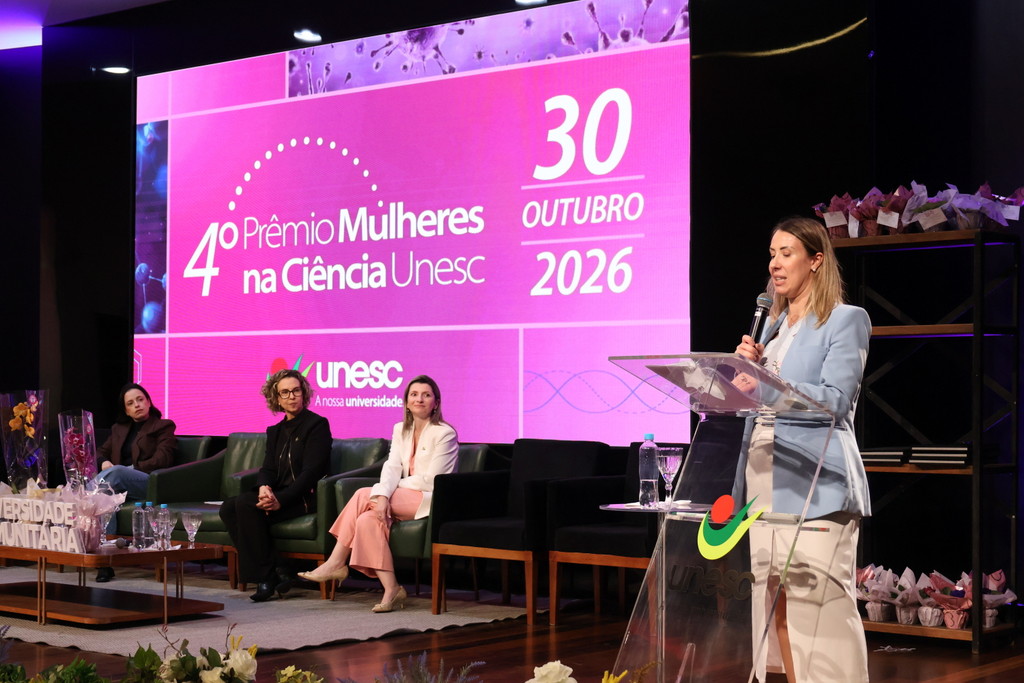
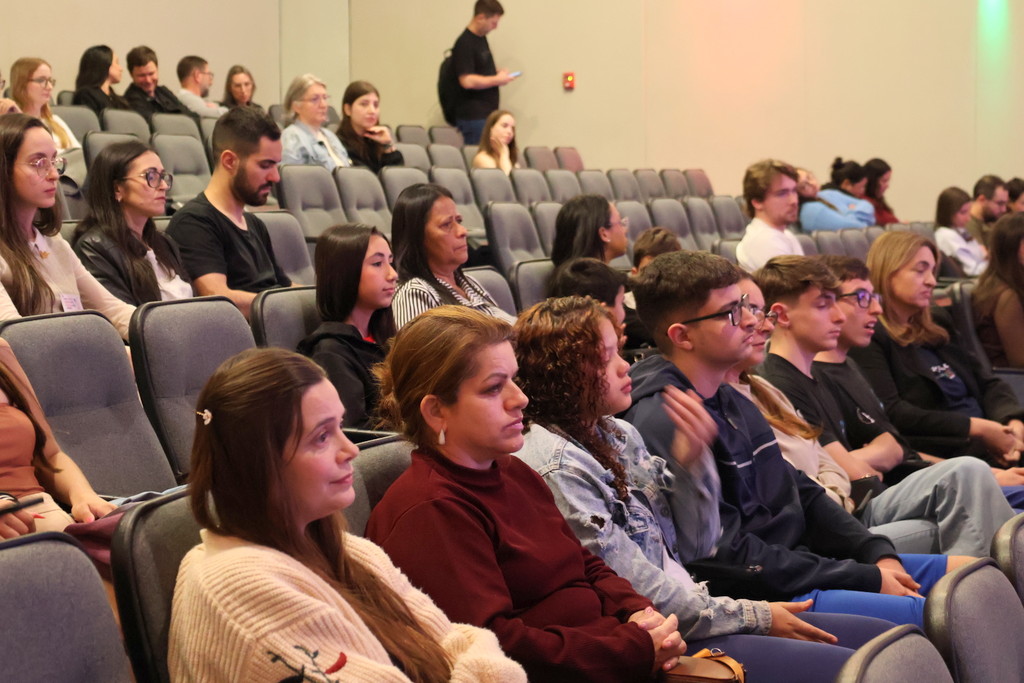
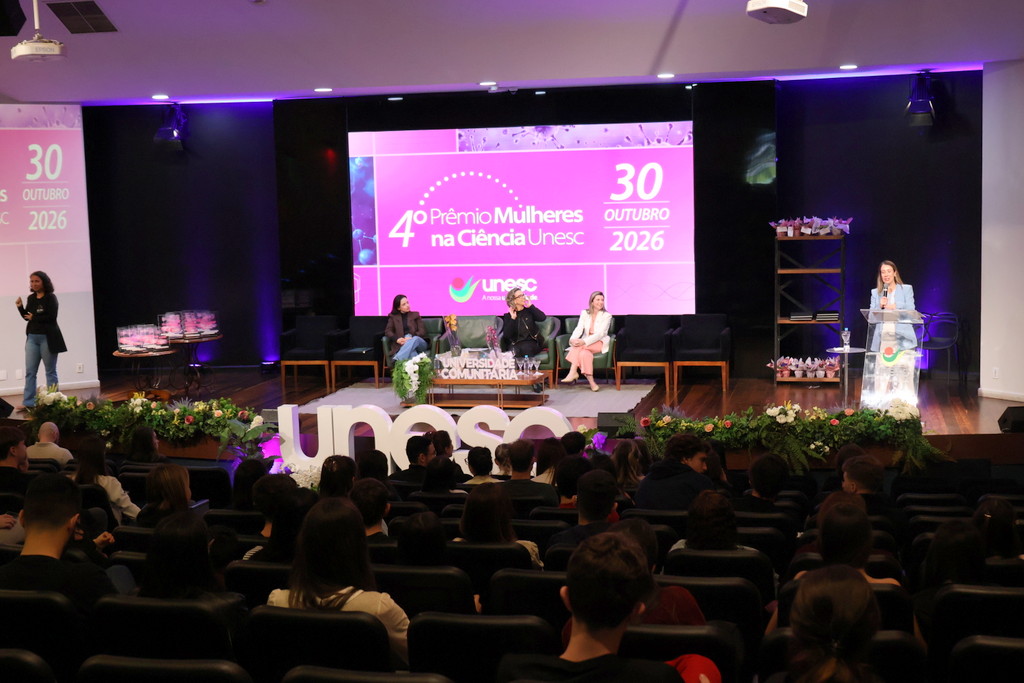
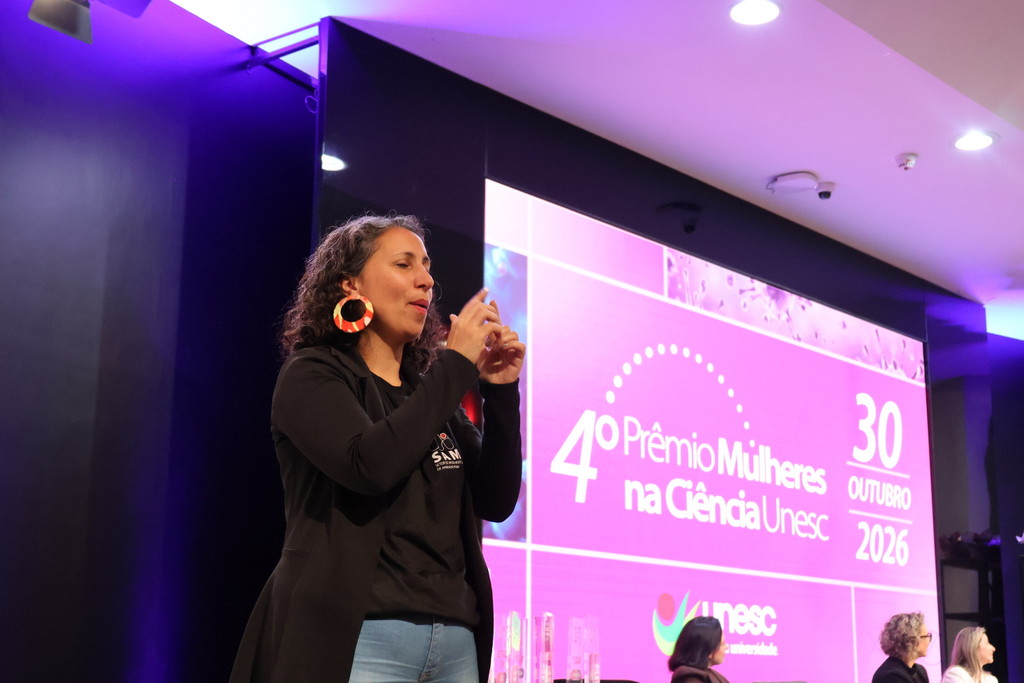
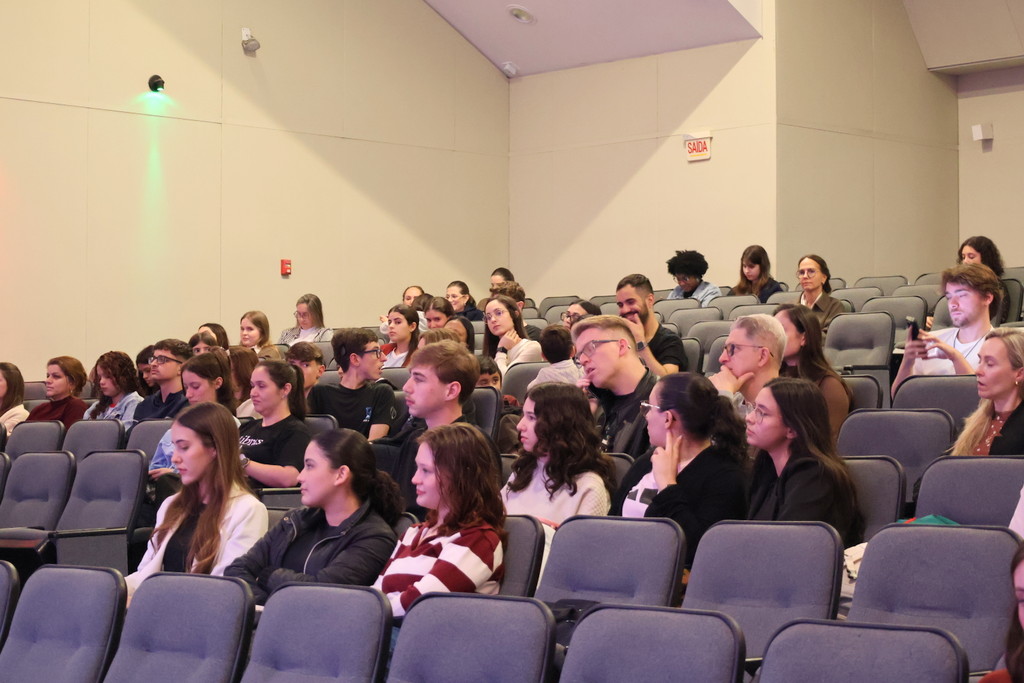
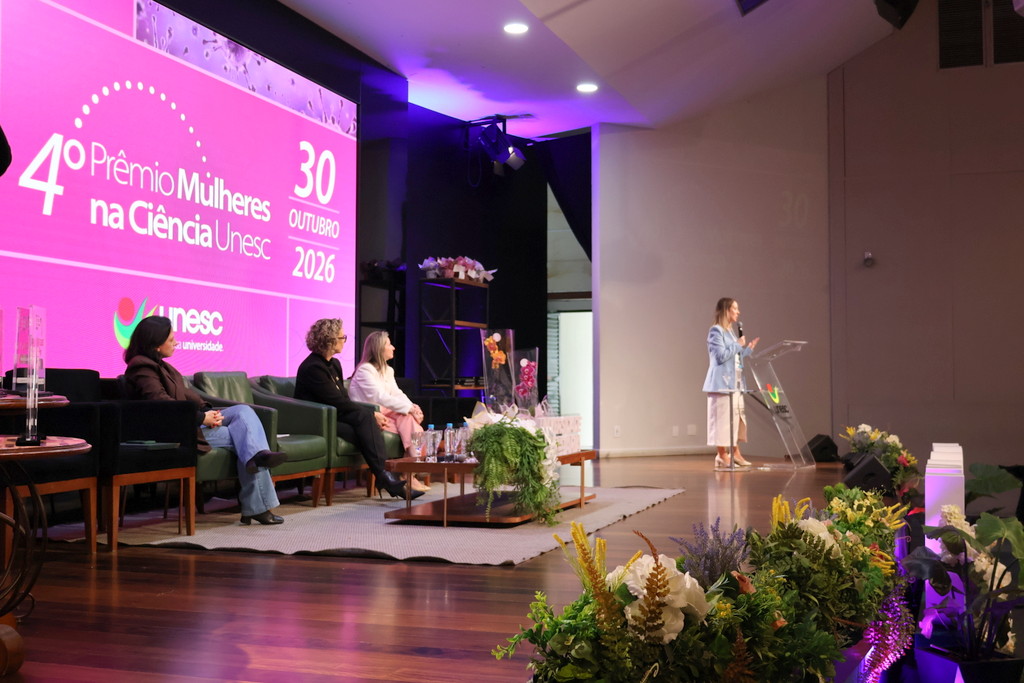
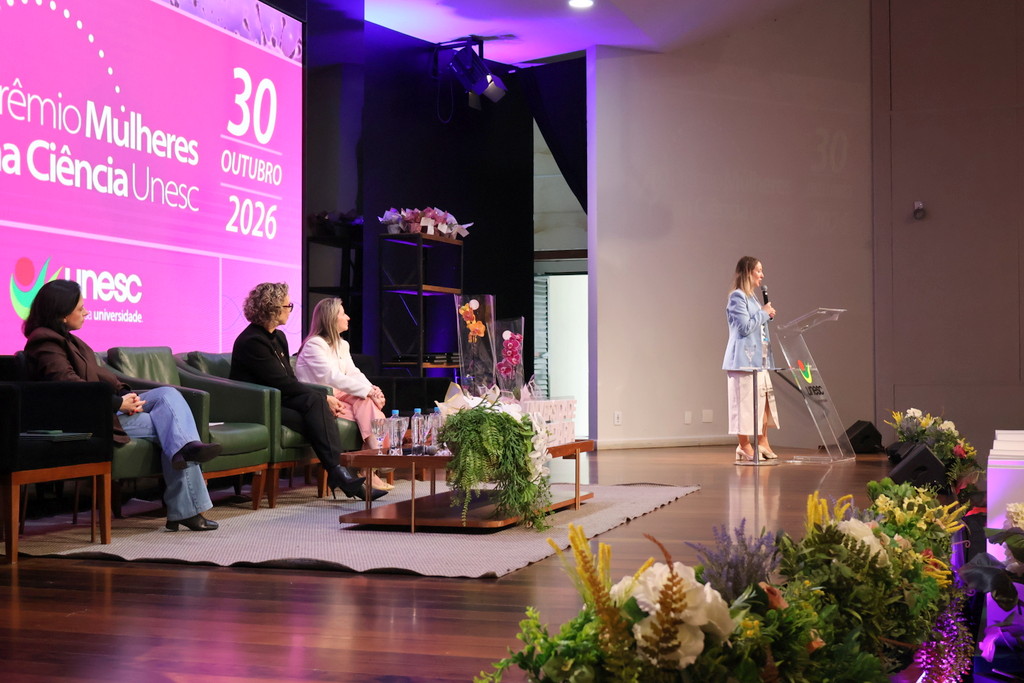
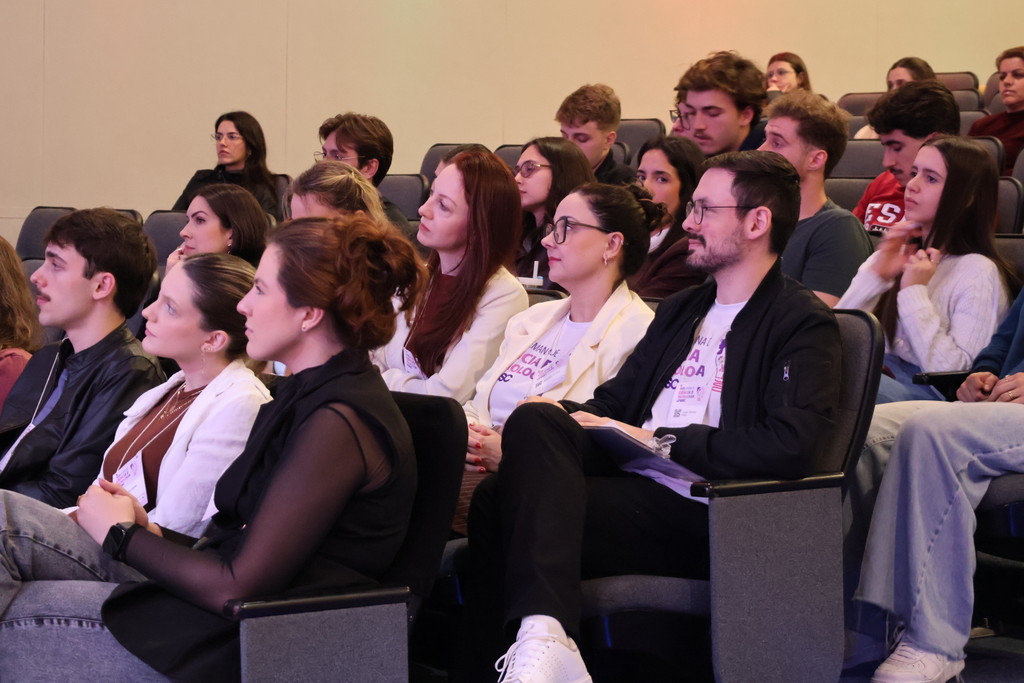
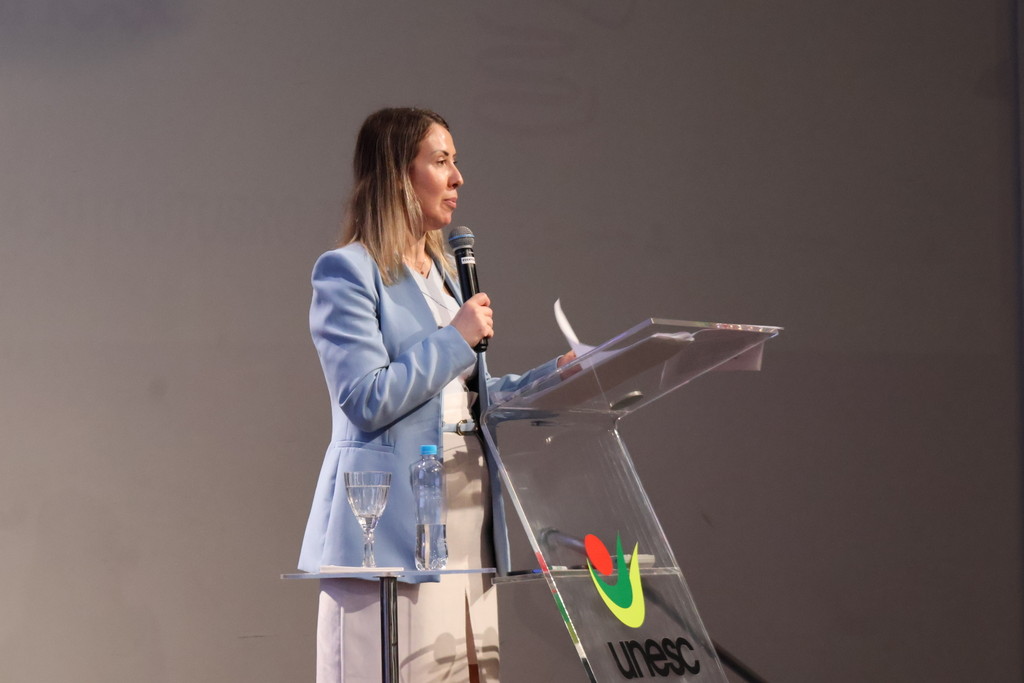
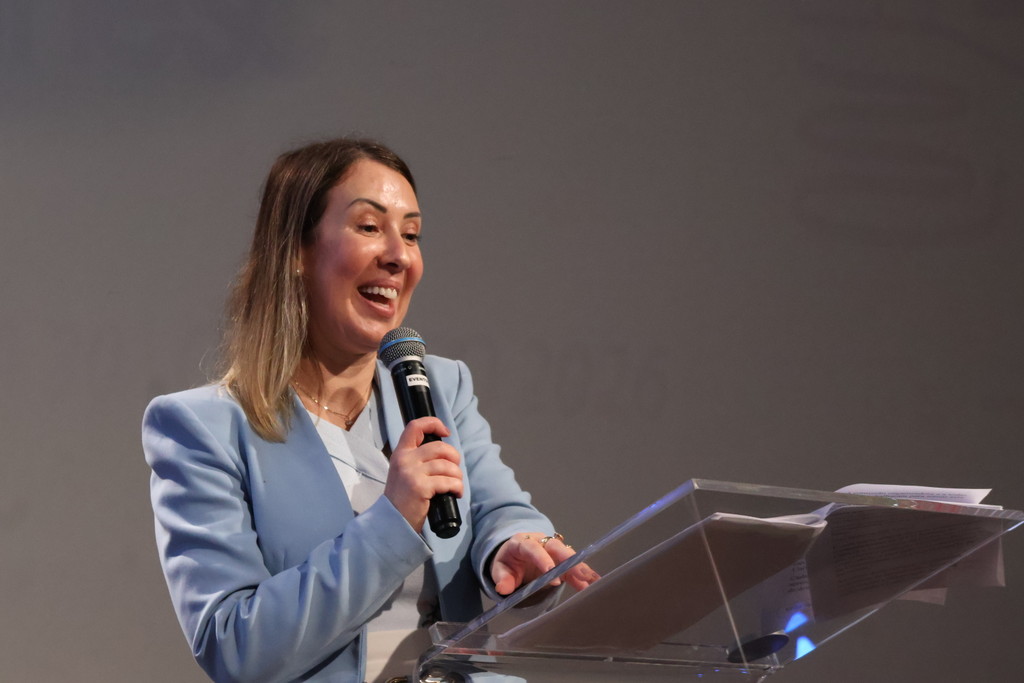
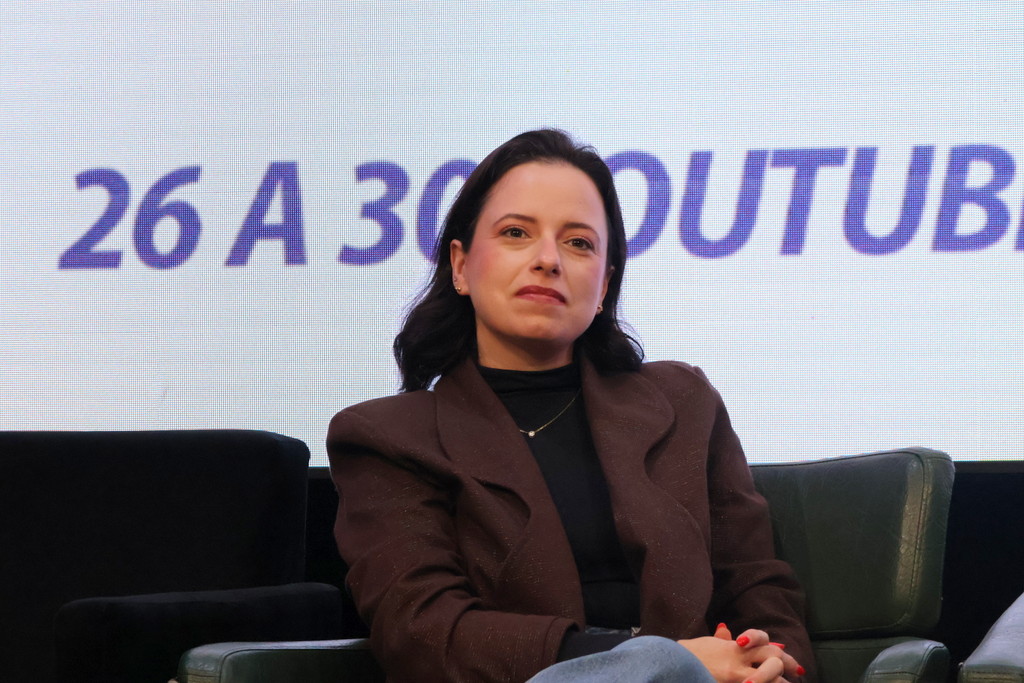
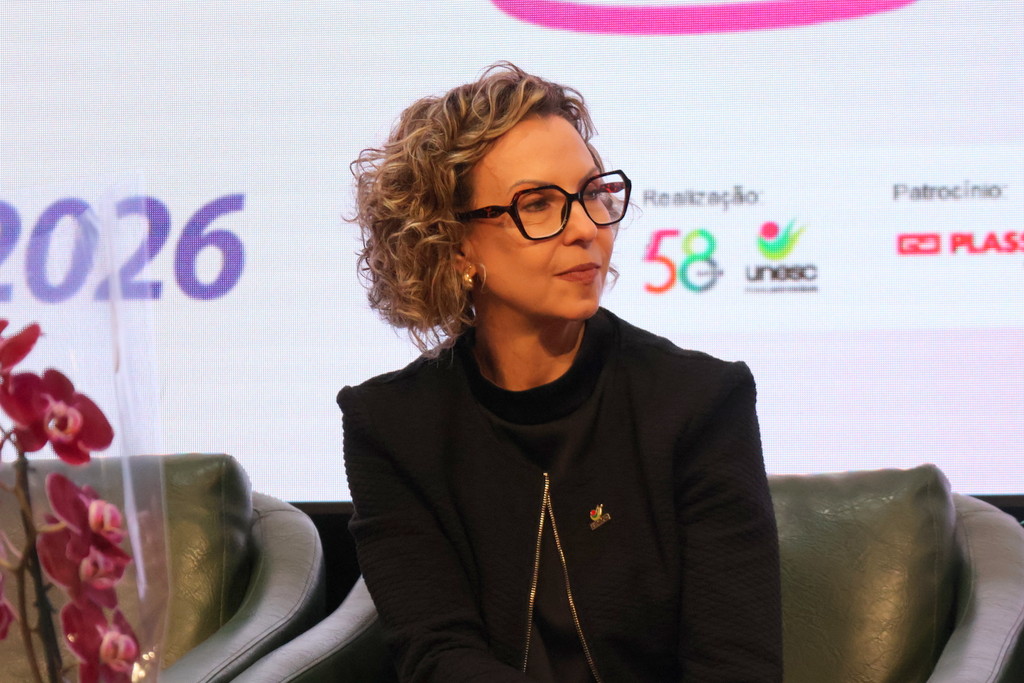
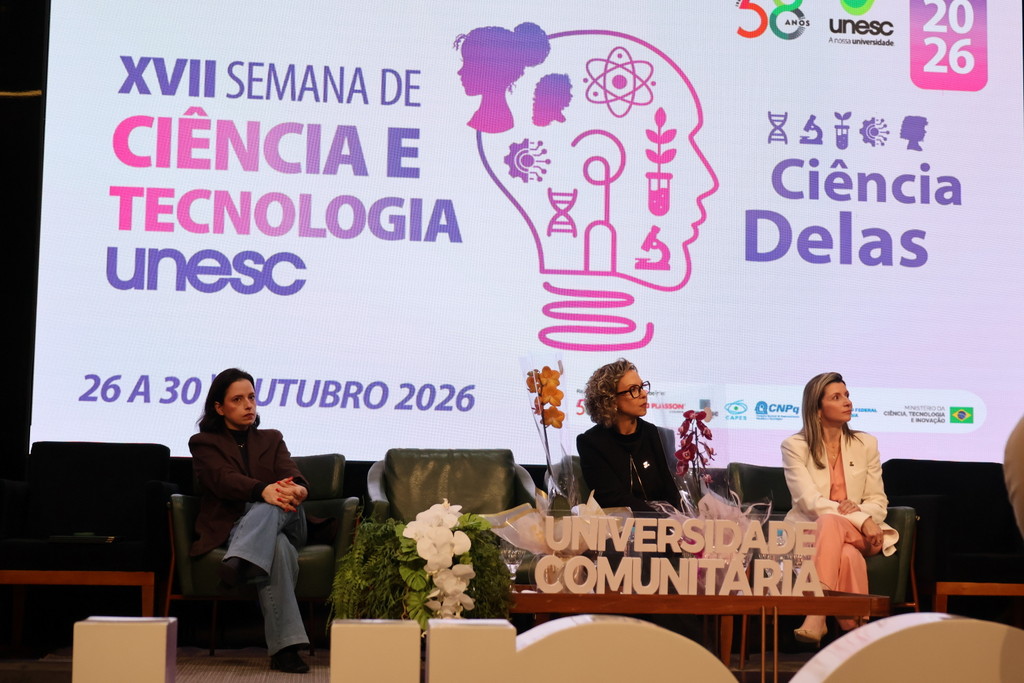
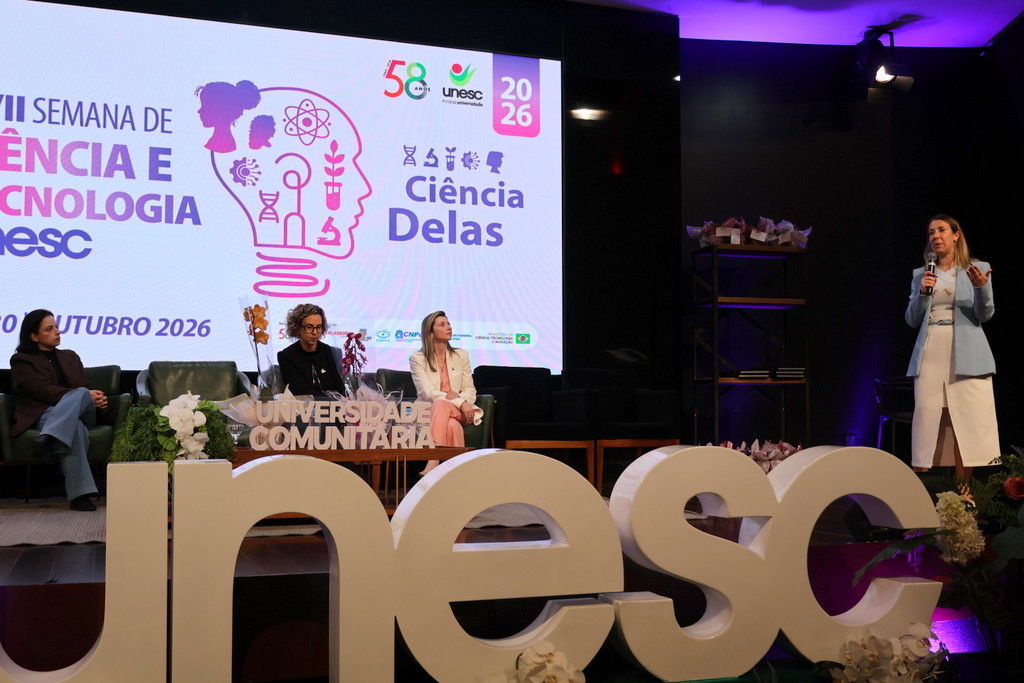
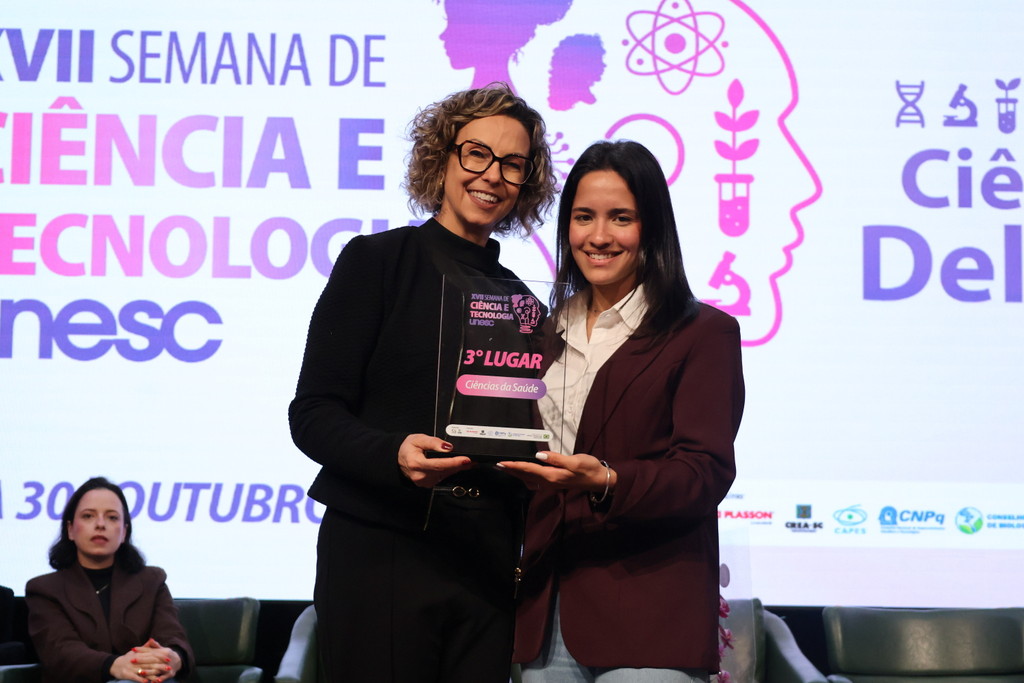
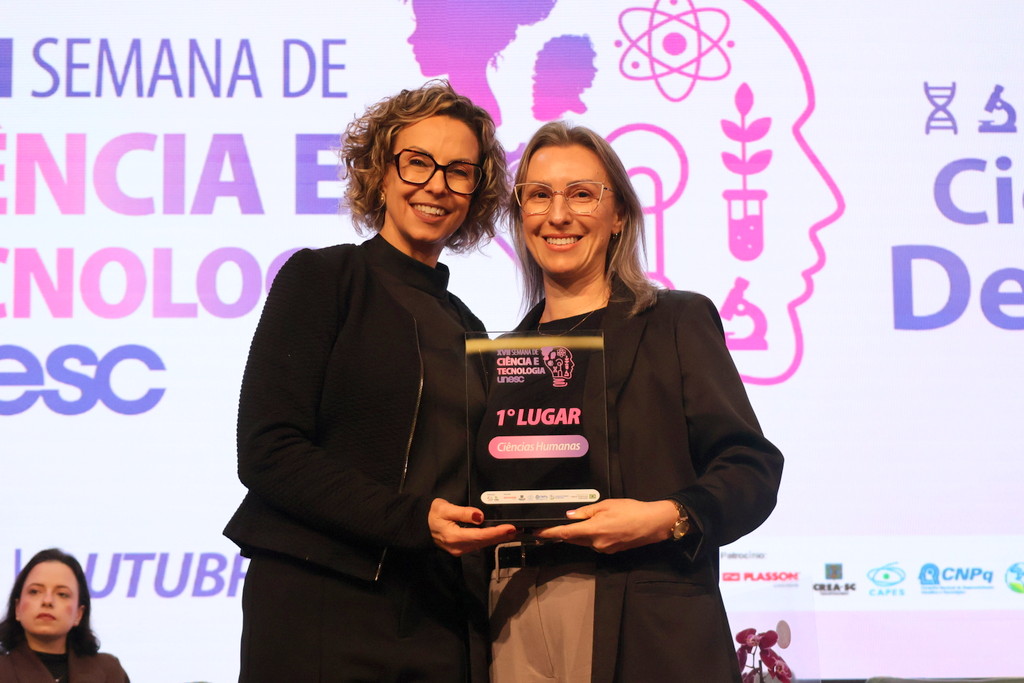
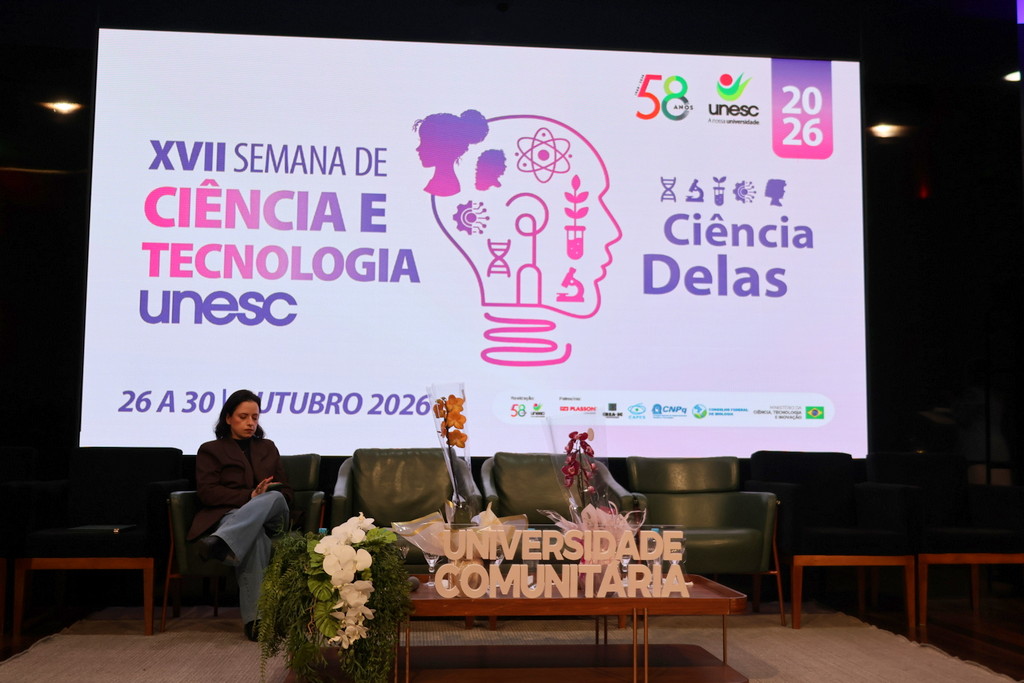
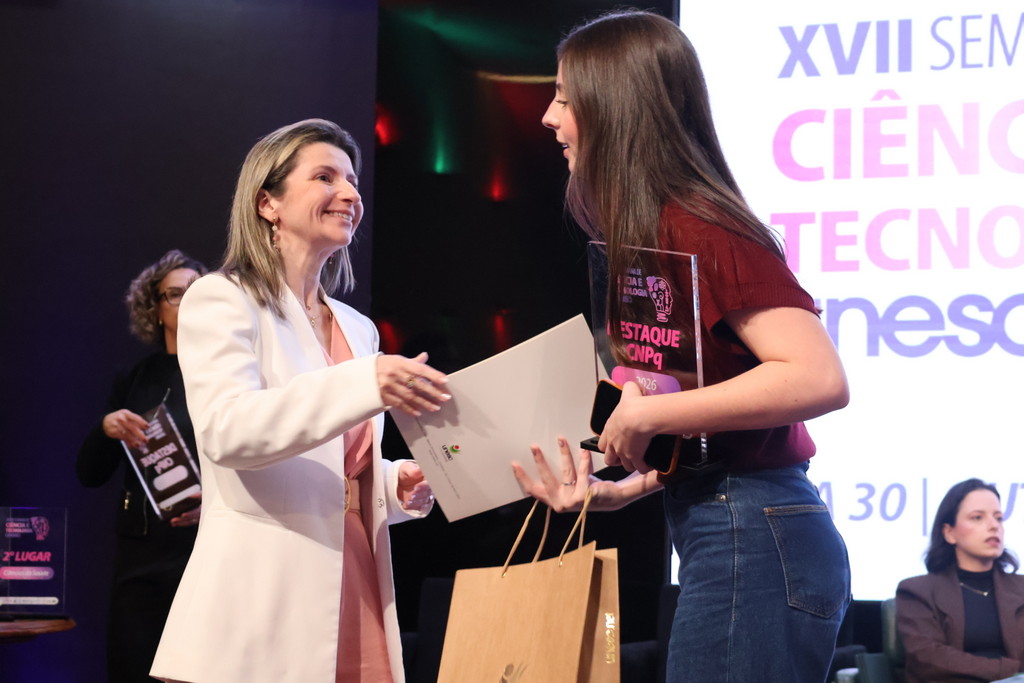
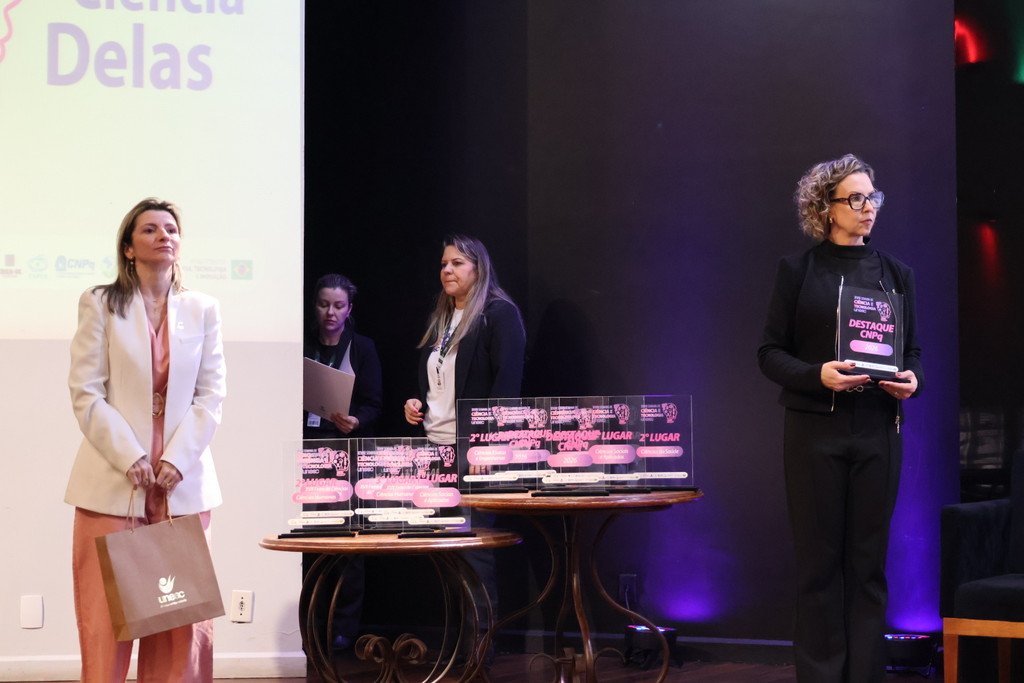
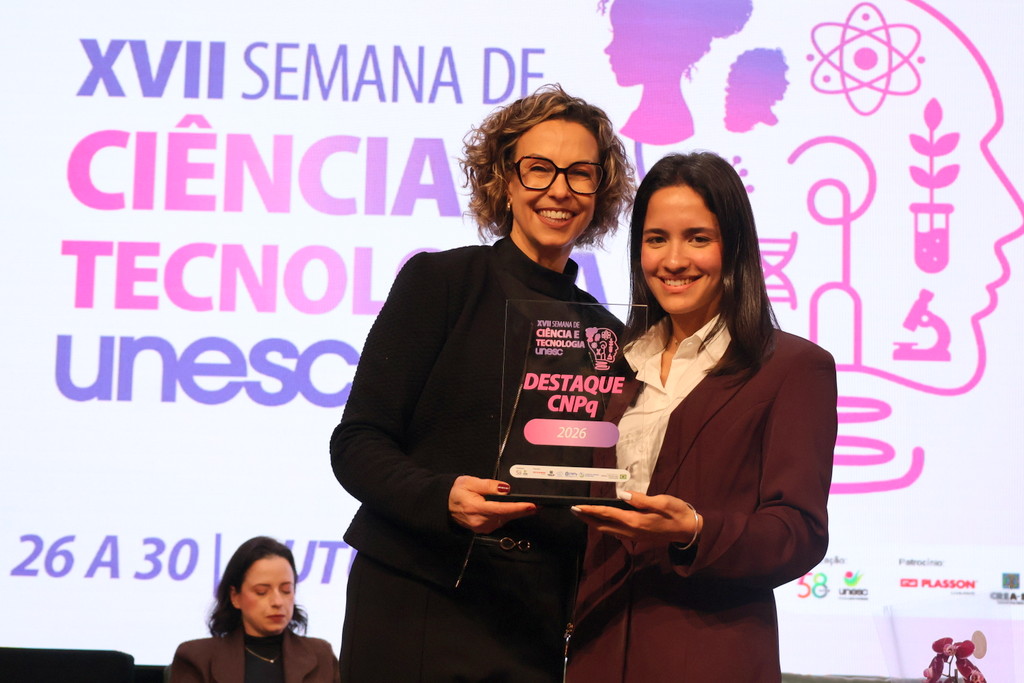
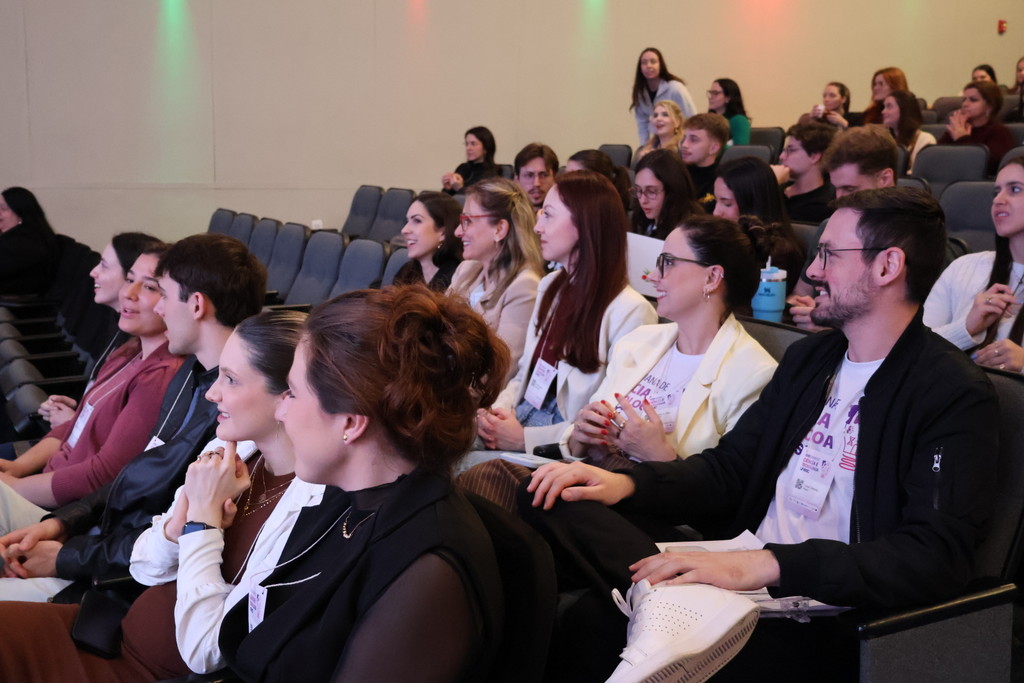
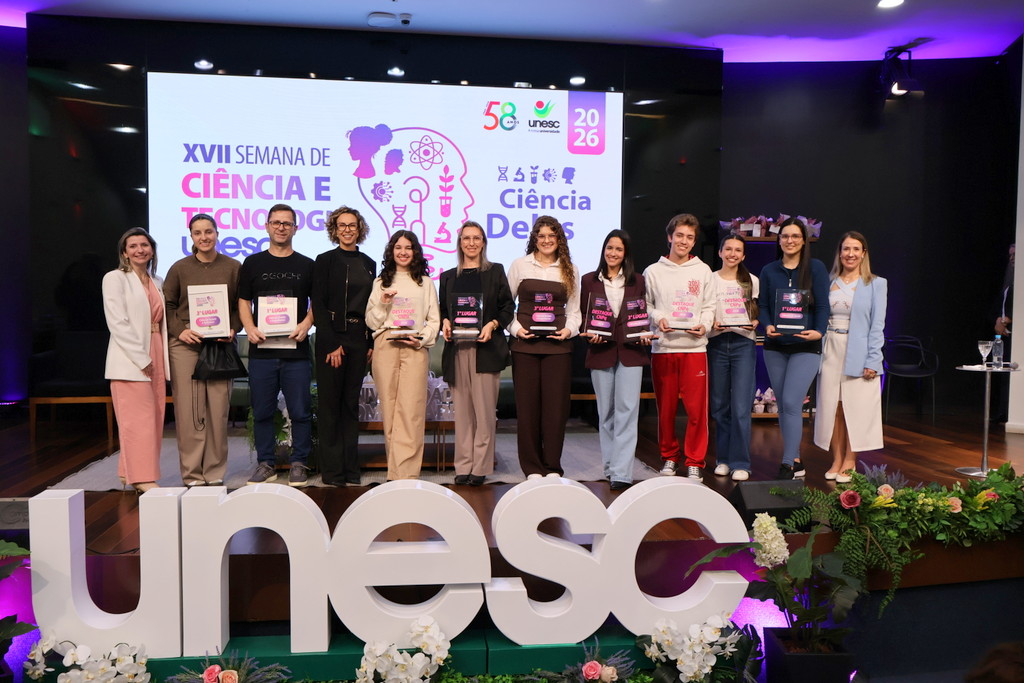
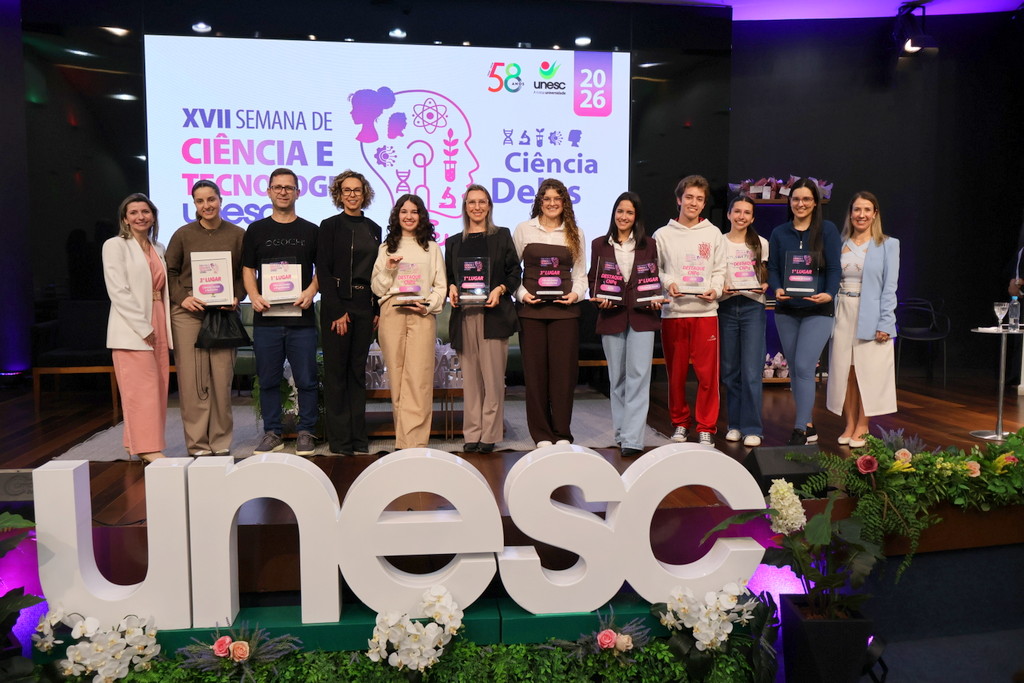
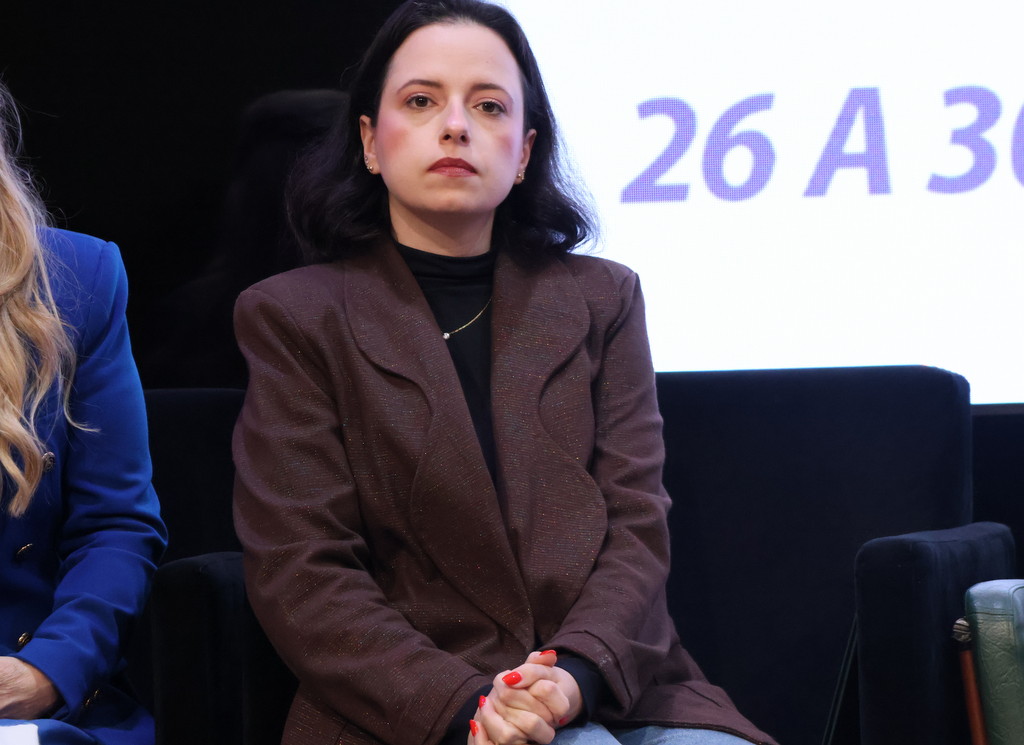
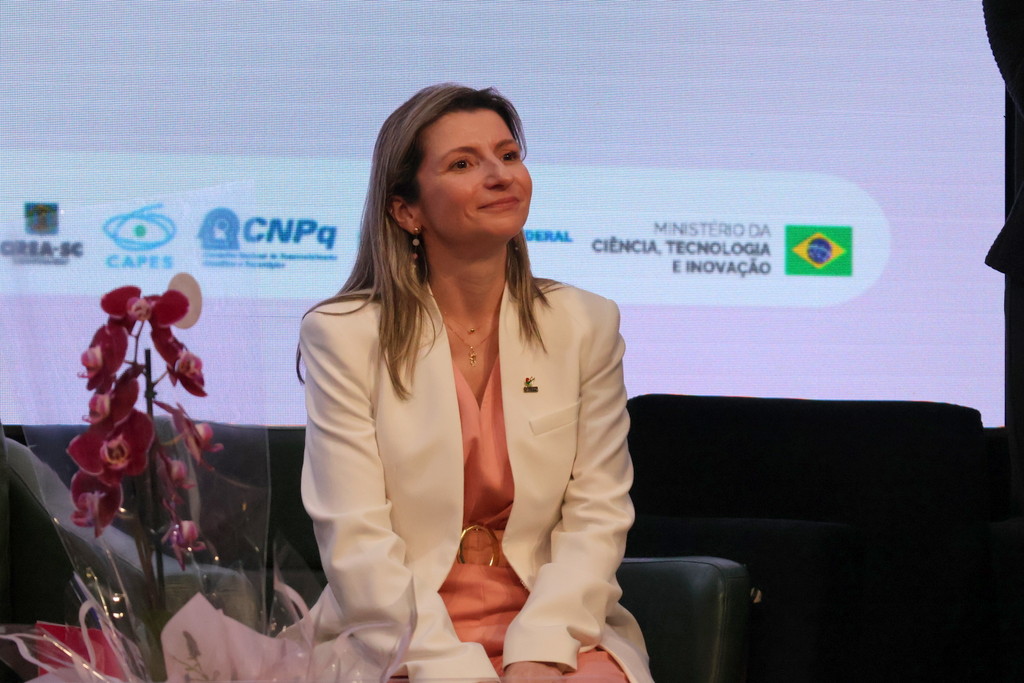
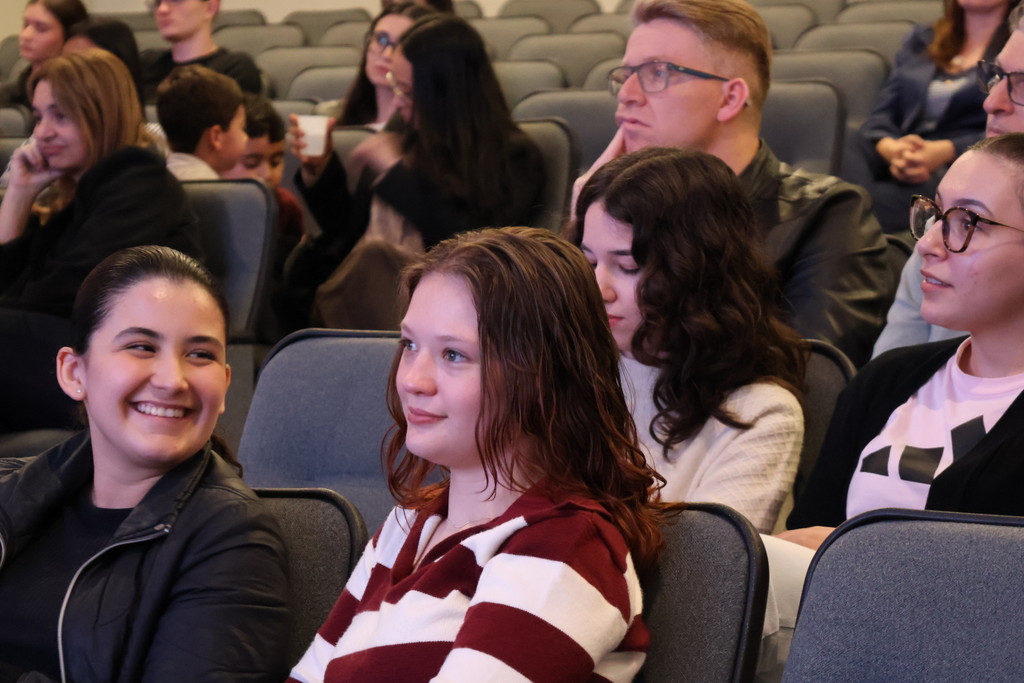
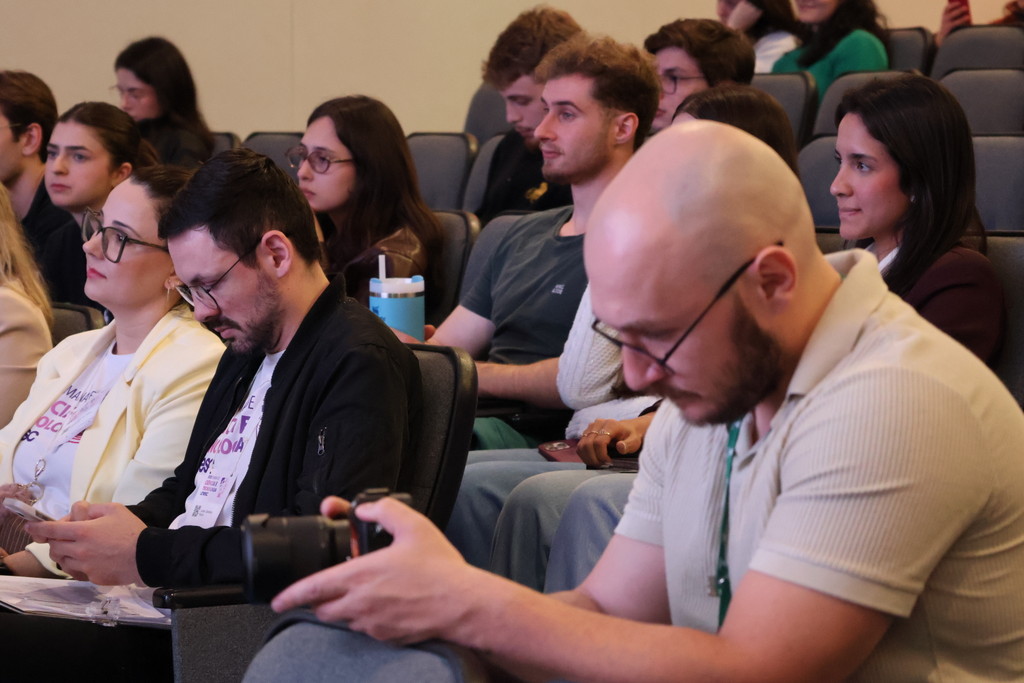
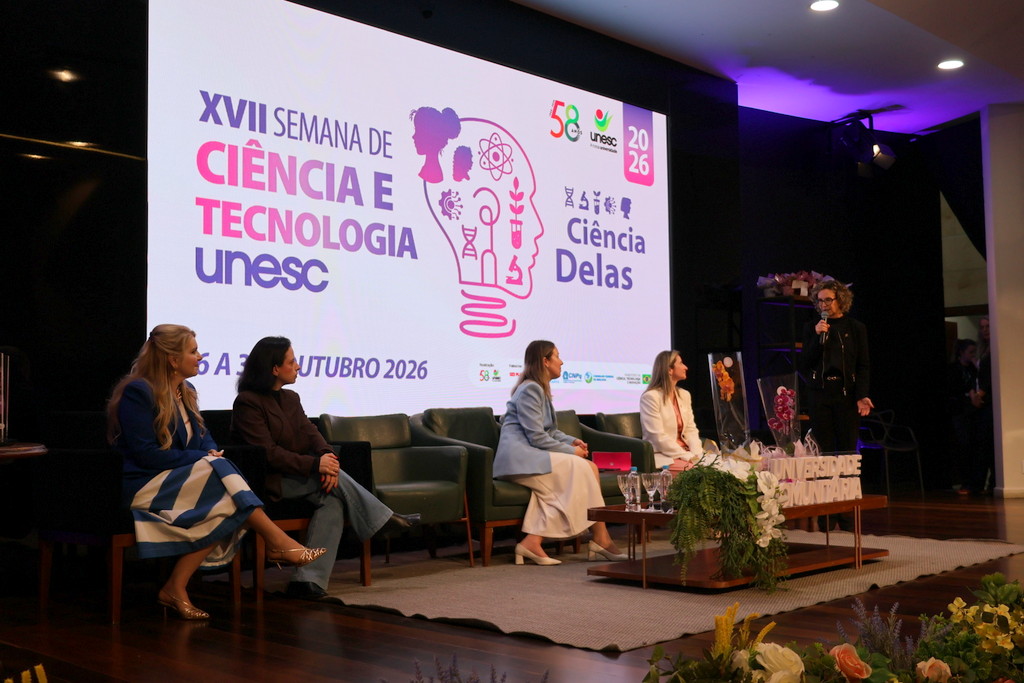
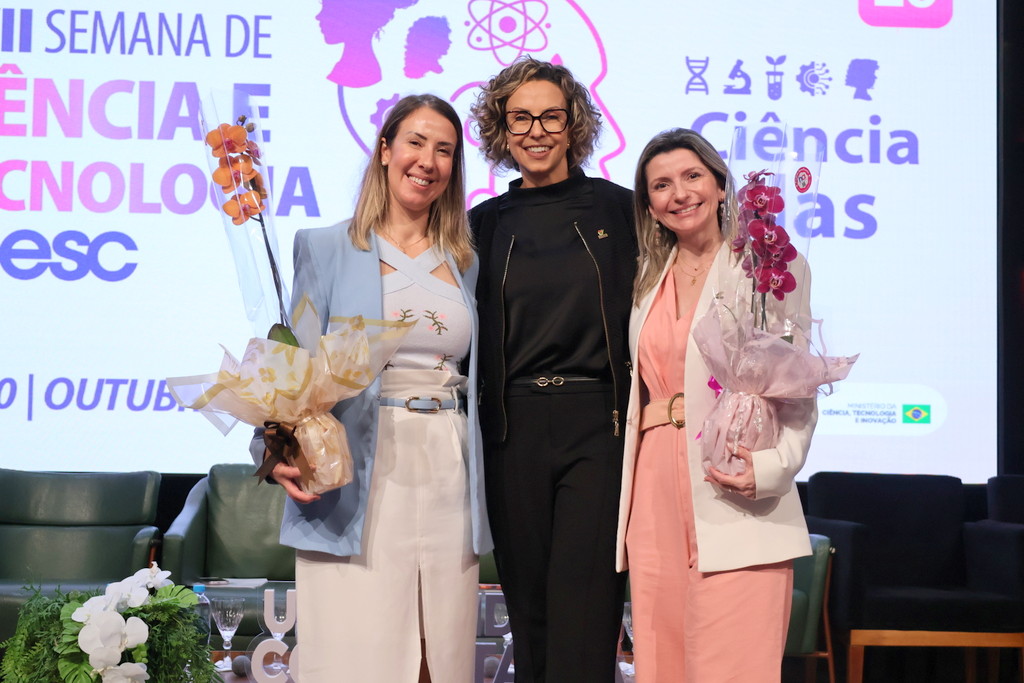
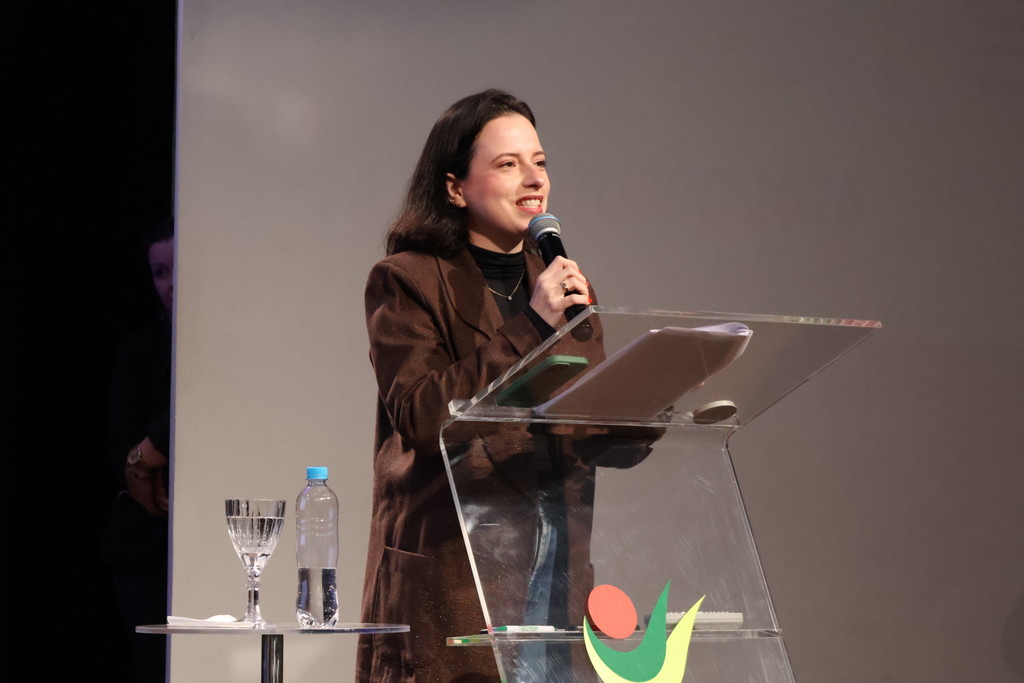
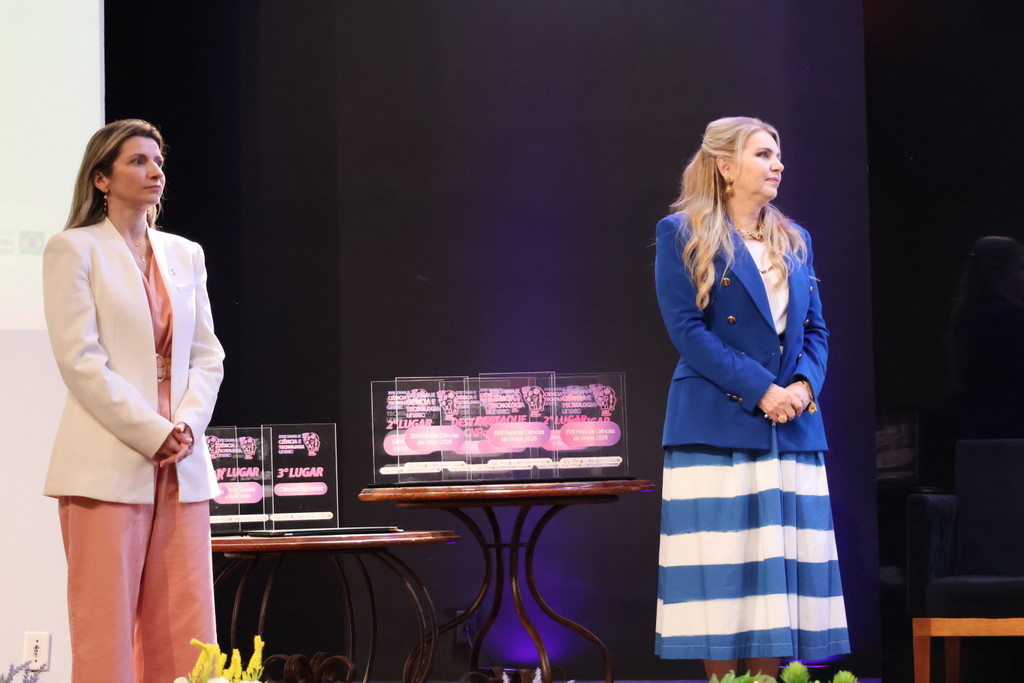
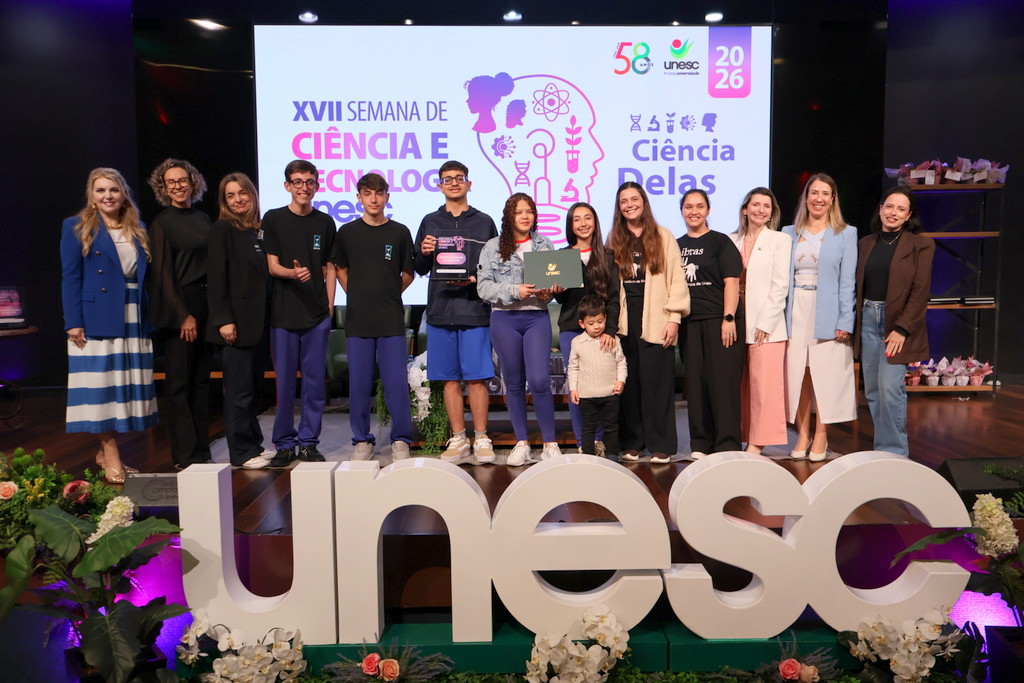
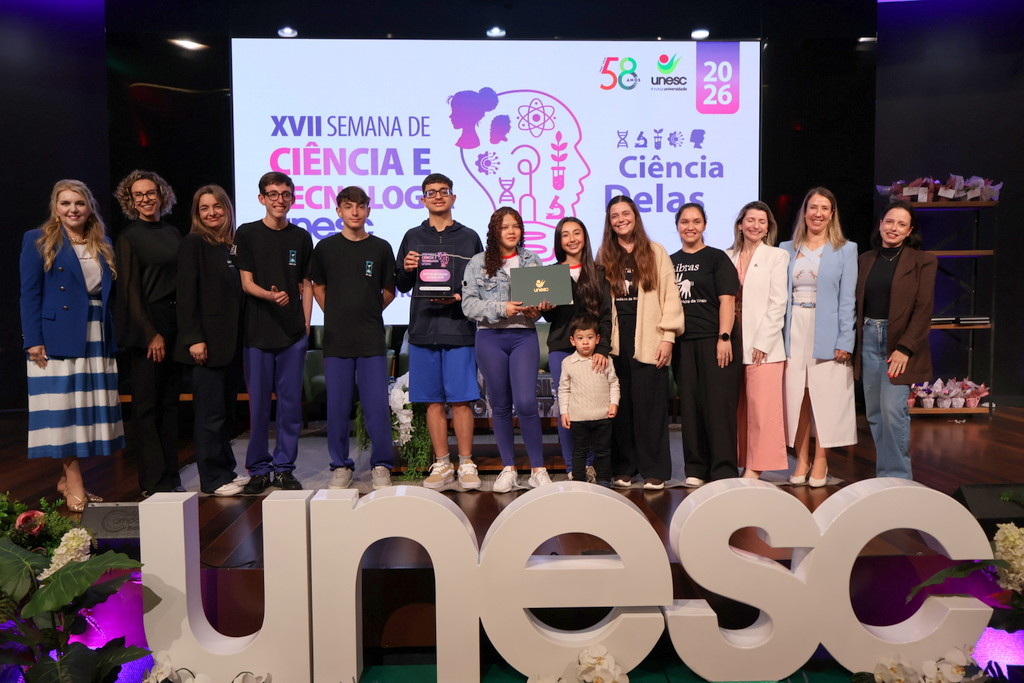
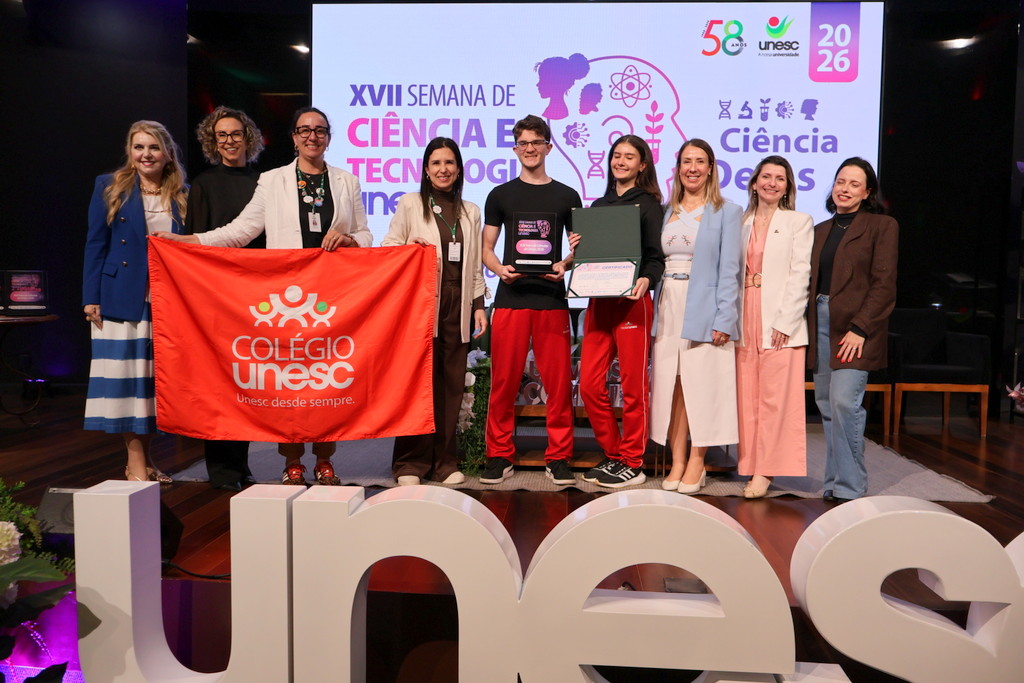
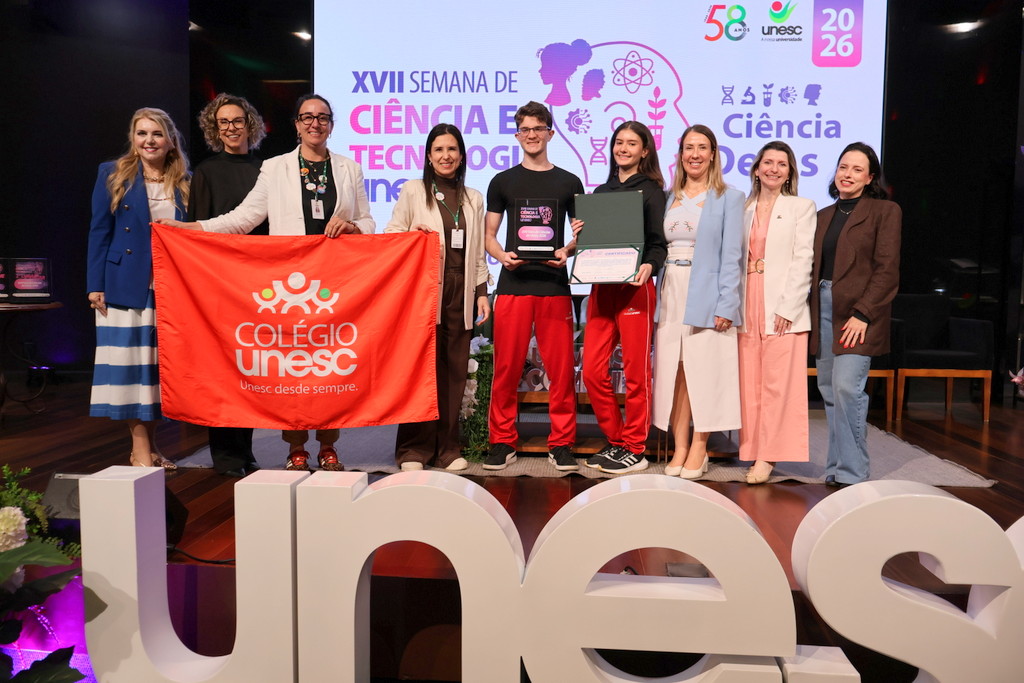
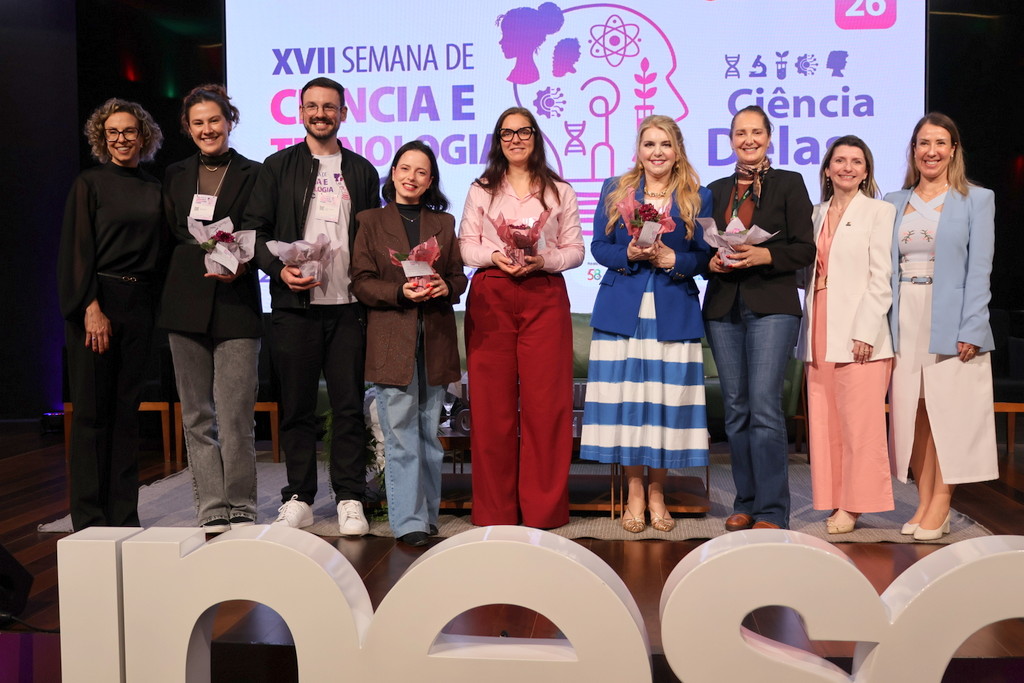
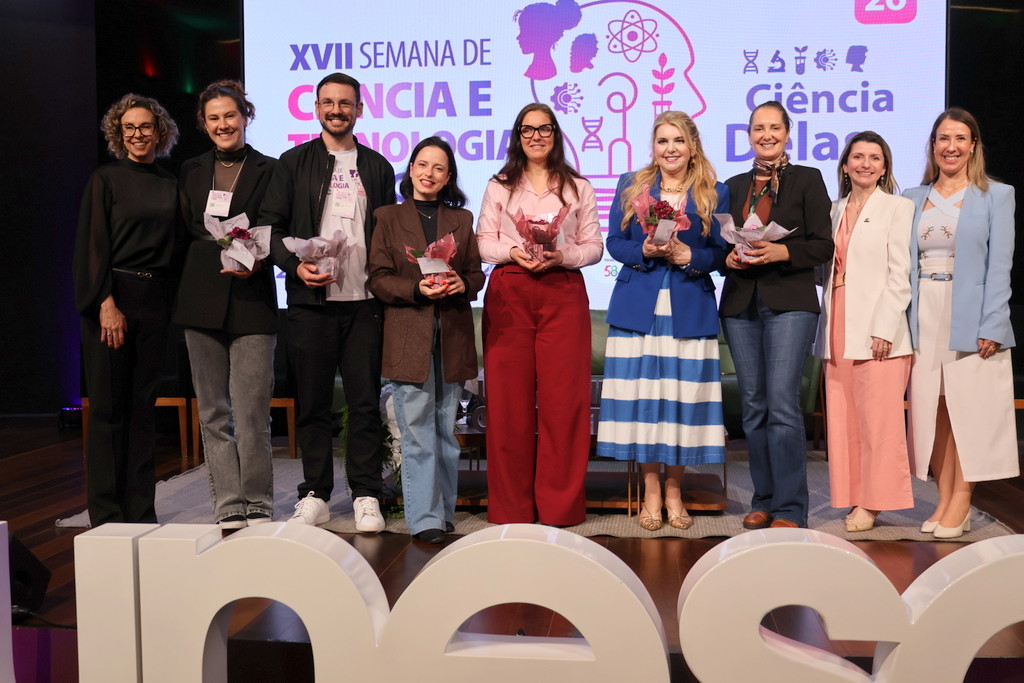
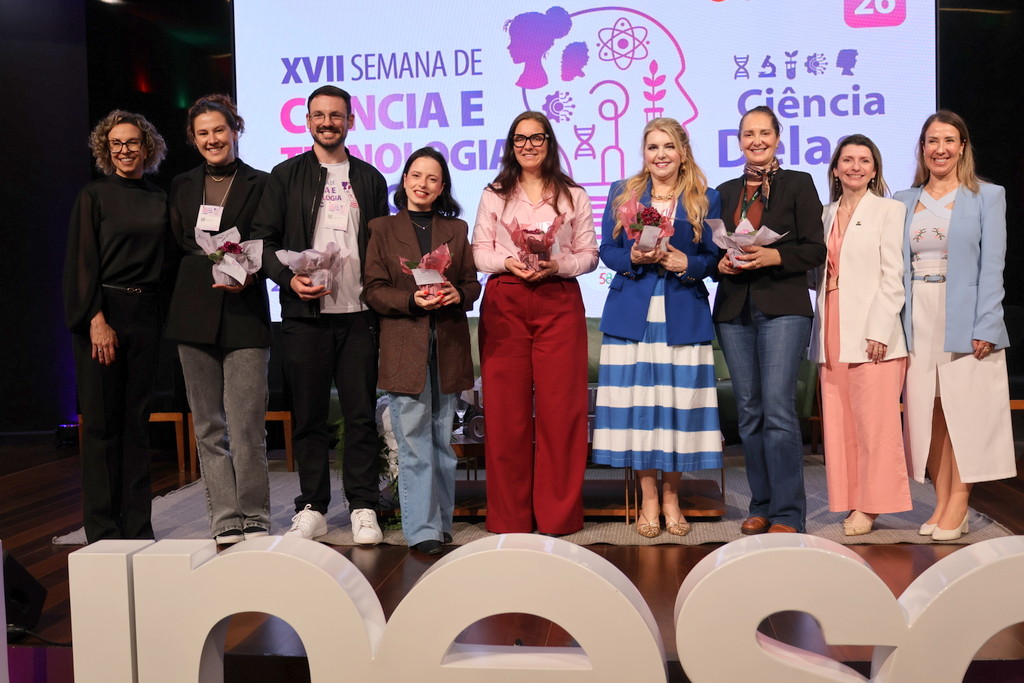
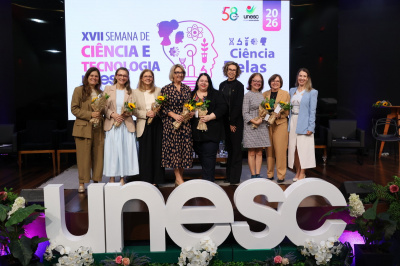
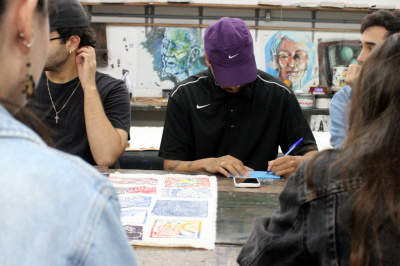
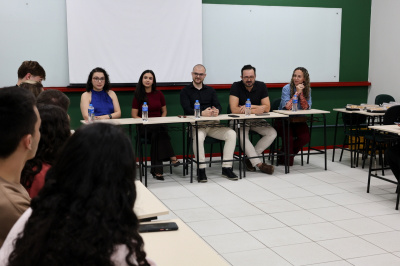
The scientific production, the exchange of experiences, and female leadership marked the 17th Science and Technology Week (SCT) at Unesc. With the theme "Science by Them," the program brought together over two thousand participants in activities focused on Research, Teaching, Extension, and Innovation. The ceremony also recognized outstanding works in scientific presentations and the Science Fair.
Throughout the week, more than 100 activities were held, including 89 workshops, 578 scientific presentations, and 44 projects at the Science Fair. The program involved undergraduate, master's, and doctoral students, researchers, professors, and the external community, as well as projects developed by schools in the region.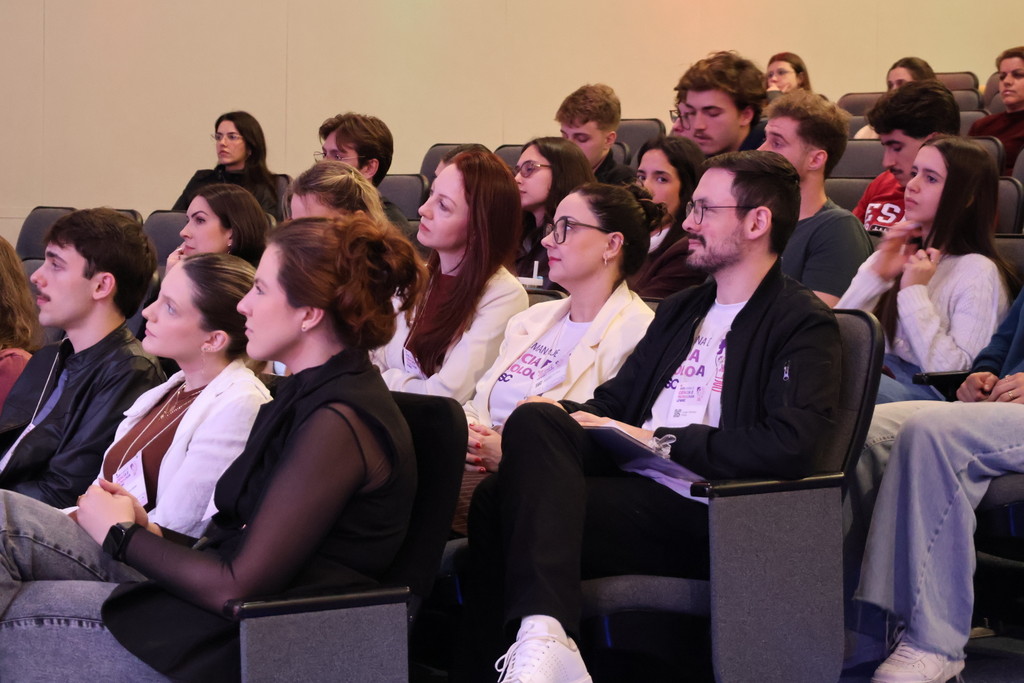
This edition's theme highlighted the contribution of women to scientific and technological development, providing space for the journeys, achievements, and challenges faced by female researchers. The proposal also aimed to inspire new generations and broaden the reflection on women's participation in knowledge production.
The general coordinator of the 17th Science and Technology Week, Gislaine Zilli Réus, emphasized the scope of the program and the involvement of the academic community. "The event was a success, with around two thousand participants in various activities, over 500 presentations in poster and oral formats, mini-courses, and parallel events. We had participation from the external public, teachers, researchers, high school students, and graduate students, in addition to the monitors who assisted with the organization," she stated.
Gislaine also highlighted the choice of the theme "Science by Them" as an opportunity to value female leadership and women's achievements in science. "The participation of students and researchers in the presentations reinforces the role of SCT as a space for sharing discoveries and integrating different areas of knowledge," she noted.
University highlights the role of research in transforming society
The acting rector of Unesc, Gisele Silveira Coelho Lopes, emphasized the importance of SCT for disseminating academic production and strengthening institutional policies in Teaching, Research, and Extension.
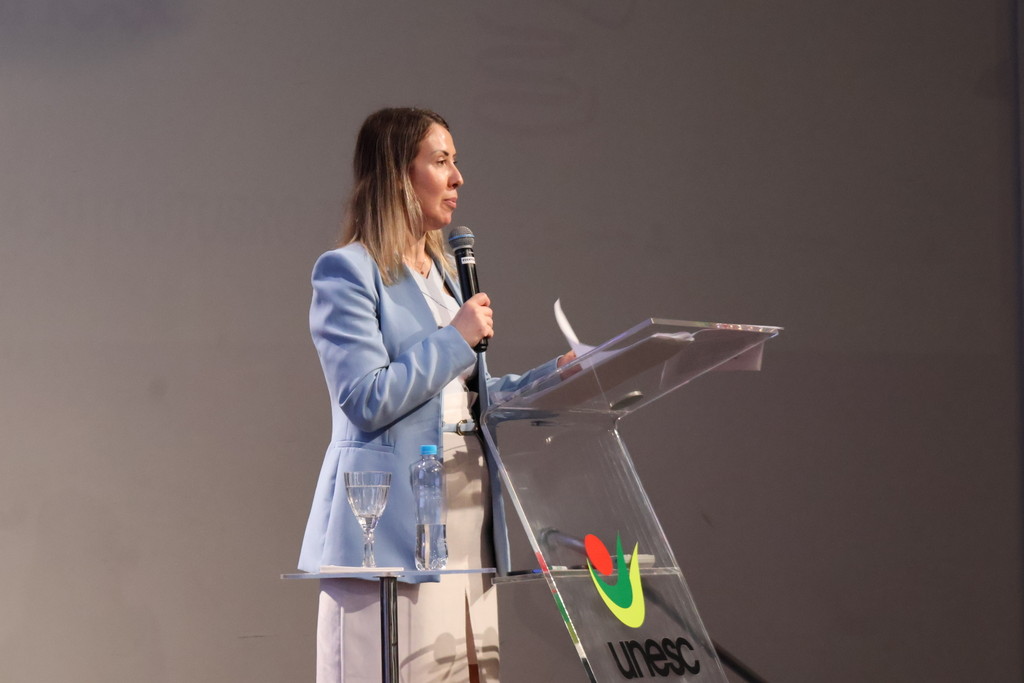 "SCT is a space where the entire academic community can share what has been produced throughout 2025 and 2026. It is a moment for reflection, dialogue, and knowledge of the work developed by colleagues, allowing for a redefinition of one's own experiences," she highlighted.
Gisele also related the results of the program to the University's role as a Community Institution. "The integration between students, researchers, and professors contributes to expanding the reach of the knowledge produced and strengthening Unesc's commitment to transforming society," she emphasized.
The pro-rector of Research, Graduate Studies, Innovation, and Extension at Unesc, Vanessa Moraes de Andrade, assessed the edition as a milestone for community participation. "We set records for registrations, participation, and motivation. It was gratifying to see the entire community involved. We ended the week with a sense of duty fulfilled and delivered an event worthy of our University," she stated.
Scientific works receive recognition
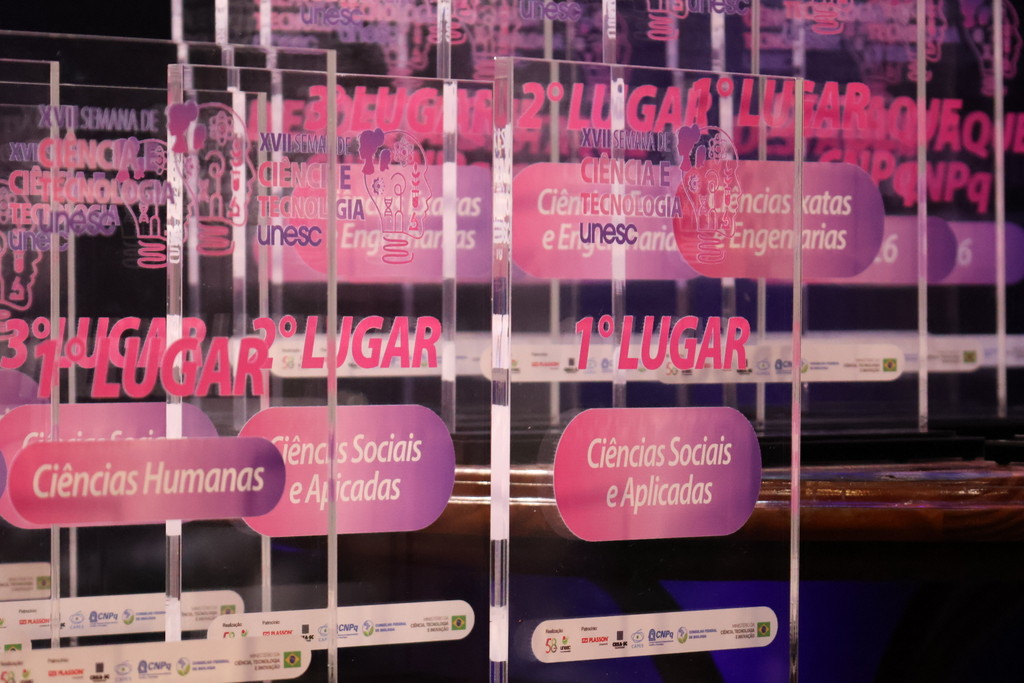
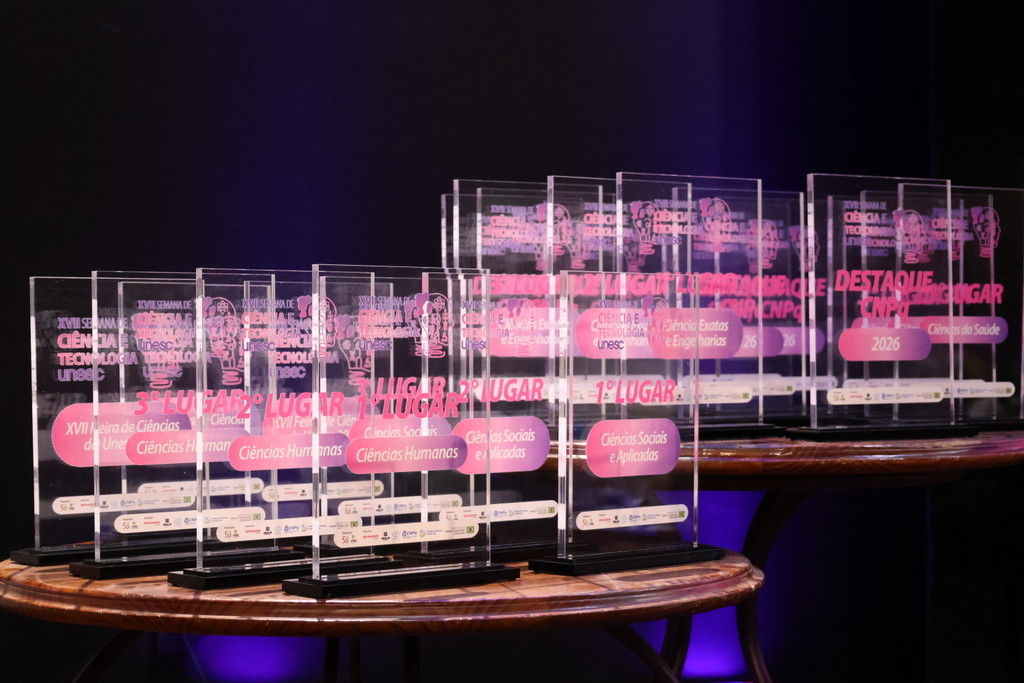
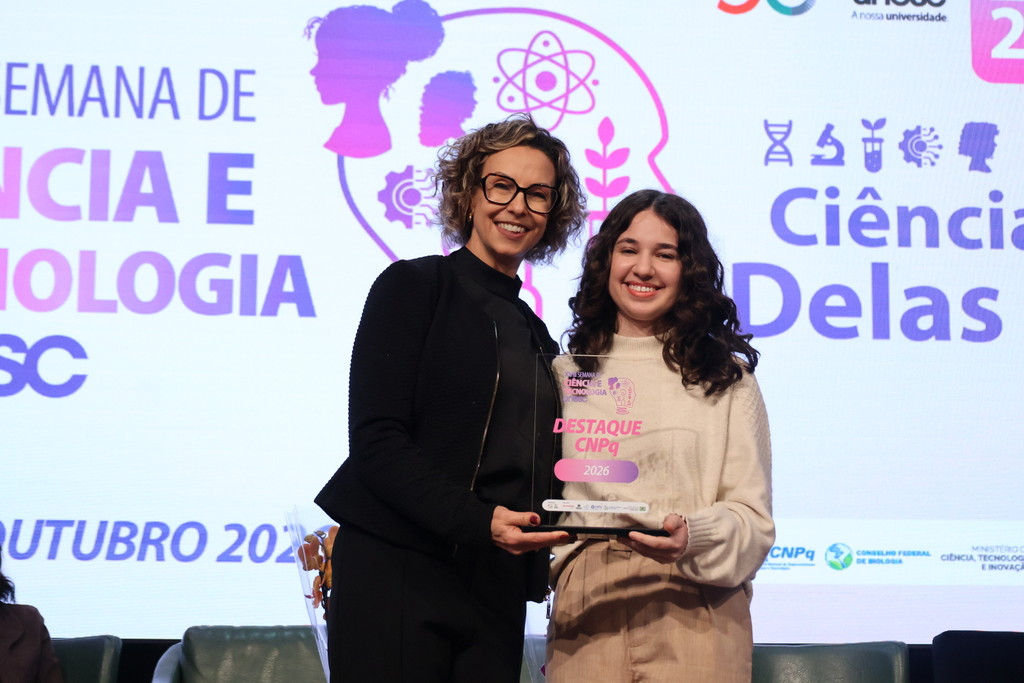
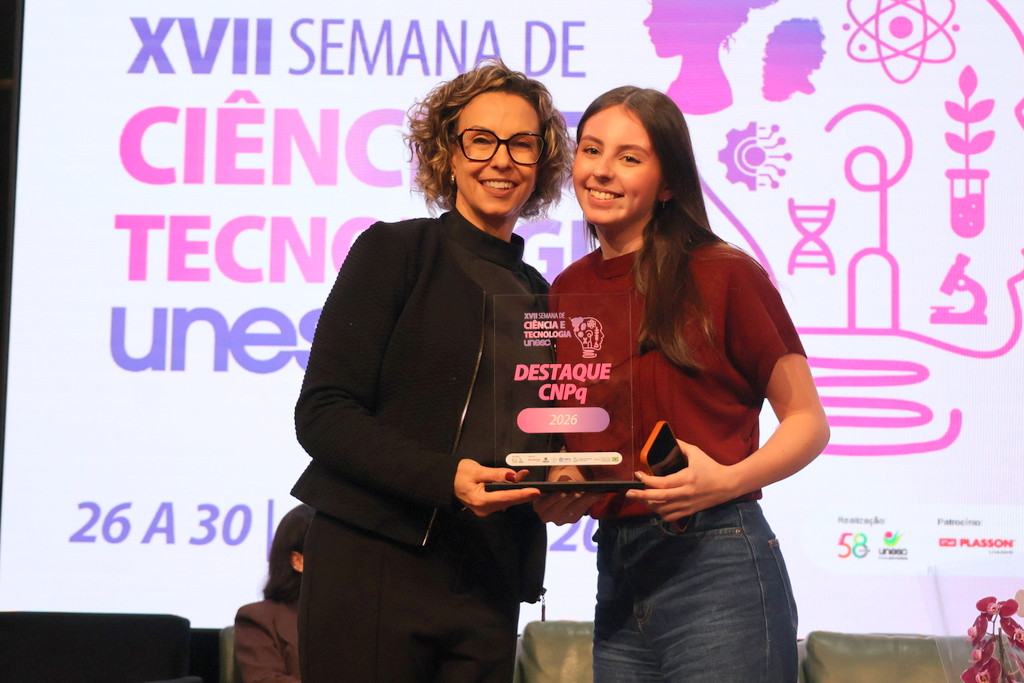
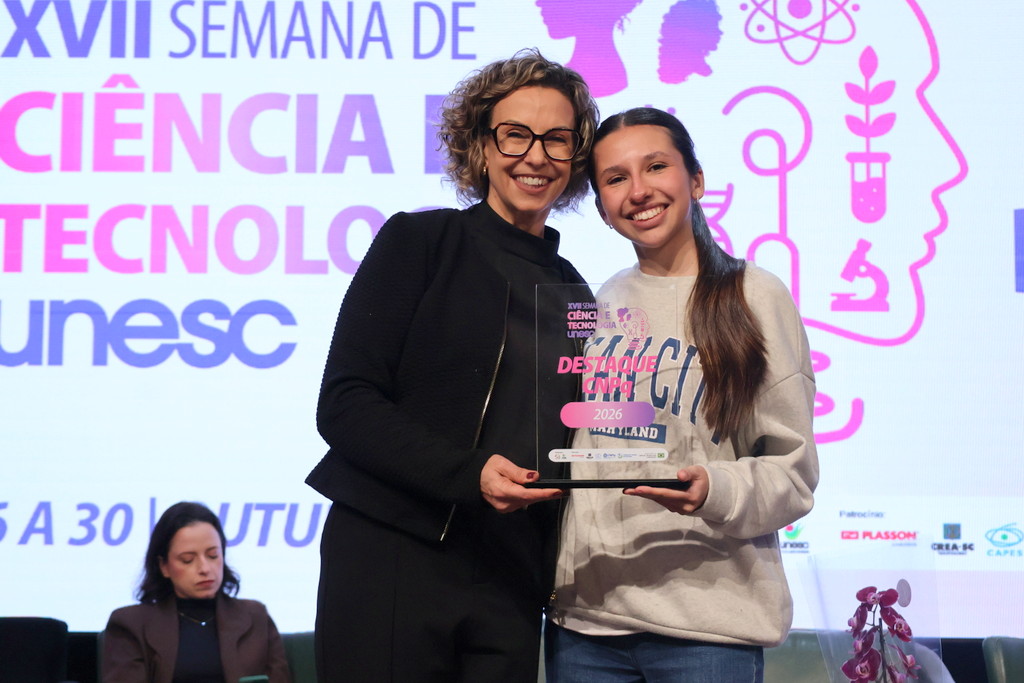
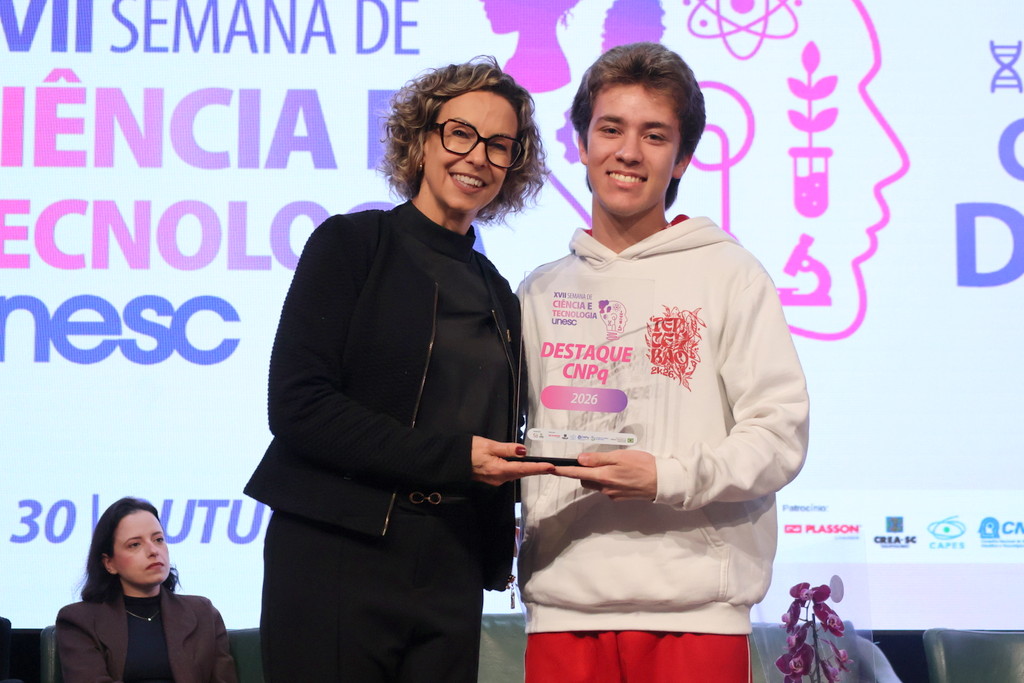
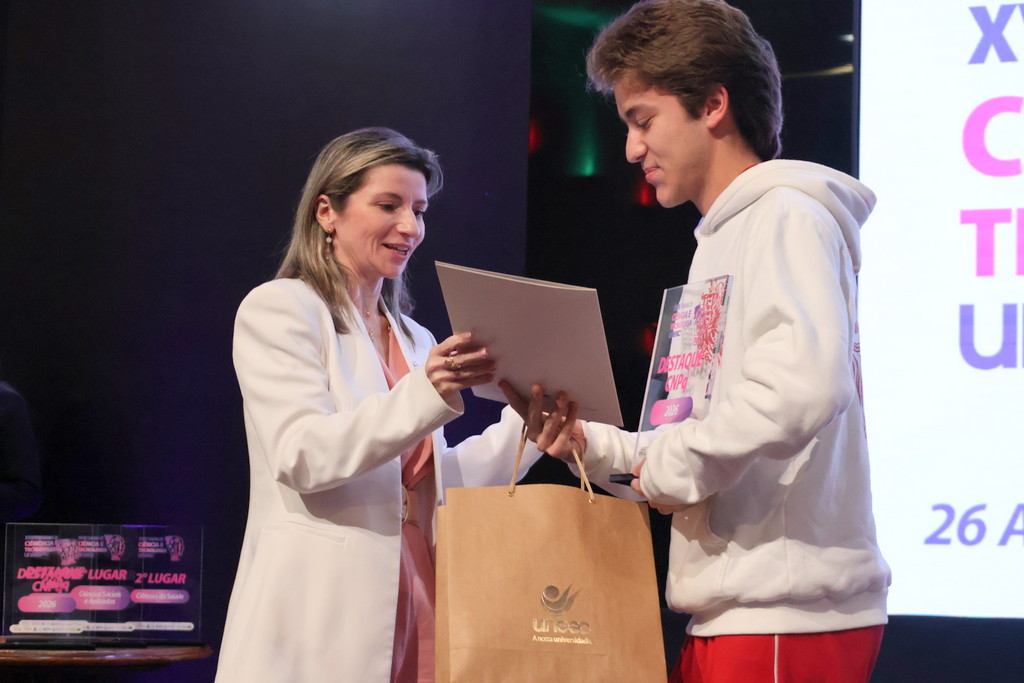
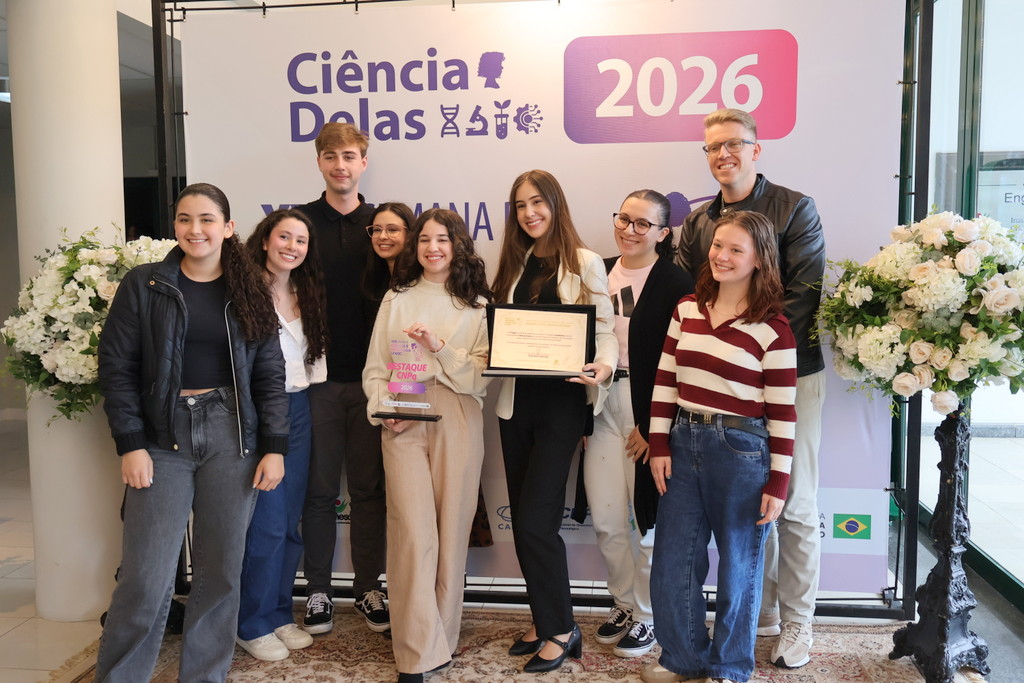
The closing ceremony was also dedicated to awarding the research presented during the program. The works were evaluated according to the criteria established by the organization, with recognition for the categories of poster presentation, oral presentation linked to the National Council for Scientific and Technological Development (CNPq), and Science Fair.
In the poster presentation, works from the fields of Health Sciences; Applied Social Sciences; Sciences, Engineering, and Technologies; and Humanities, Sciences, and Education were awarded. In the oral presentation category, highlights were recognized in the categories provided by the organization, covering different fields of scientific research.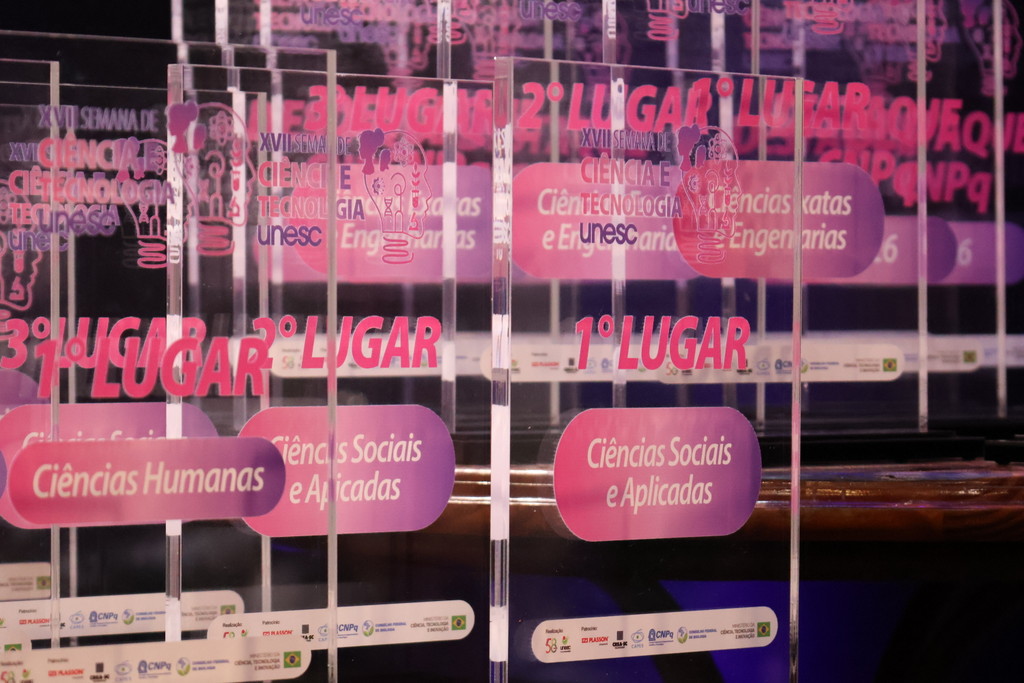
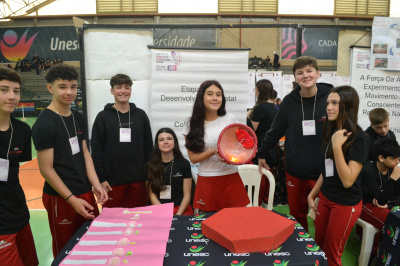
The Science Fair also had a place in the awards, with projects developed by students from educational institutions in the region. The initiative brings scientific production closer to the school environment and encourages interest in research from the early stages of education. "The recognition values the dedication of the participants and reinforces the importance of involving students, teachers, evaluators, partners, and University teams in the event's realization," emphasizes Gislaine.
The 17th Science and Technology Week at Unesc was sponsored by Plasson do Brasil, the Regional Council of Engineering and Agronomy of Santa Catarina (CREA-SC), the Coordination for the Improvement of Higher Education Personnel (Capes), the Federal and Regional Councils of Biology, and the Ministry of Science, Technology, and Innovation (MCTI).
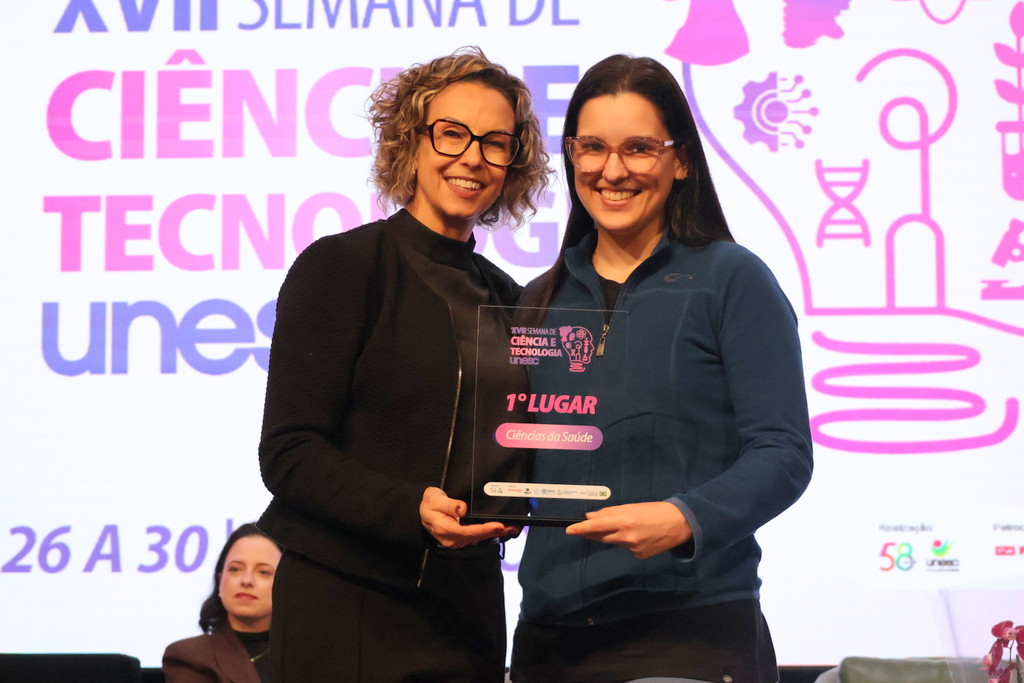
Awardees - Poster Presentation
Category: Health Sciences
1st place: Dara Alano da Silva
Work: Evaluation of sleep quality in a population sample in the municipality of Criciúma in the year 2024.
2nd place: Gisele Schwanck Hahn
Work: Vaccination: evaluation of preventive health behavior among students of a University in Southernmost Santa Catarina.
3rd place: Camila da Costa
Work: Surface modification of endotracheal tubes with silver nanoparticles reduces bacterial colonization and biofilm formation.
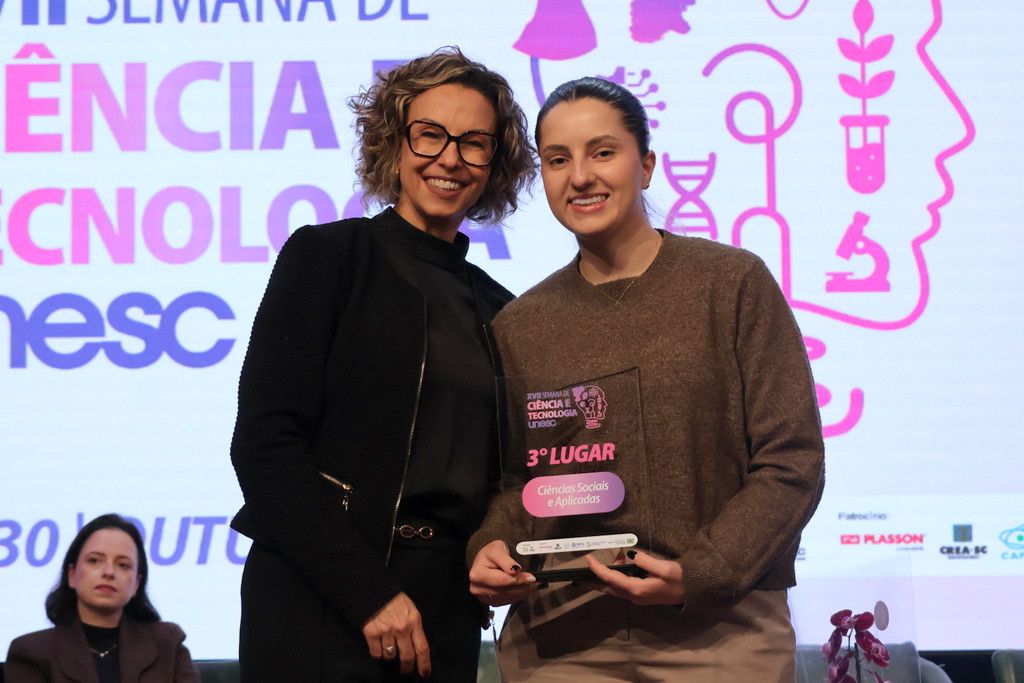
Category: Applied Social Sciences
1st place: Larissa Mazzucco Bianco
Work: Online psychotherapy: regulation and ethical challenges in Brazil.
2nd place: Marcio Teza de Bona
Work: The collective territorial term and the realization of the human right to adequate housing.
3rd place: Eloisa Preis Neto
Work: Combating institutional violence: a critical analysis of Law No. 14.245/2021 from a guarantee perspective.
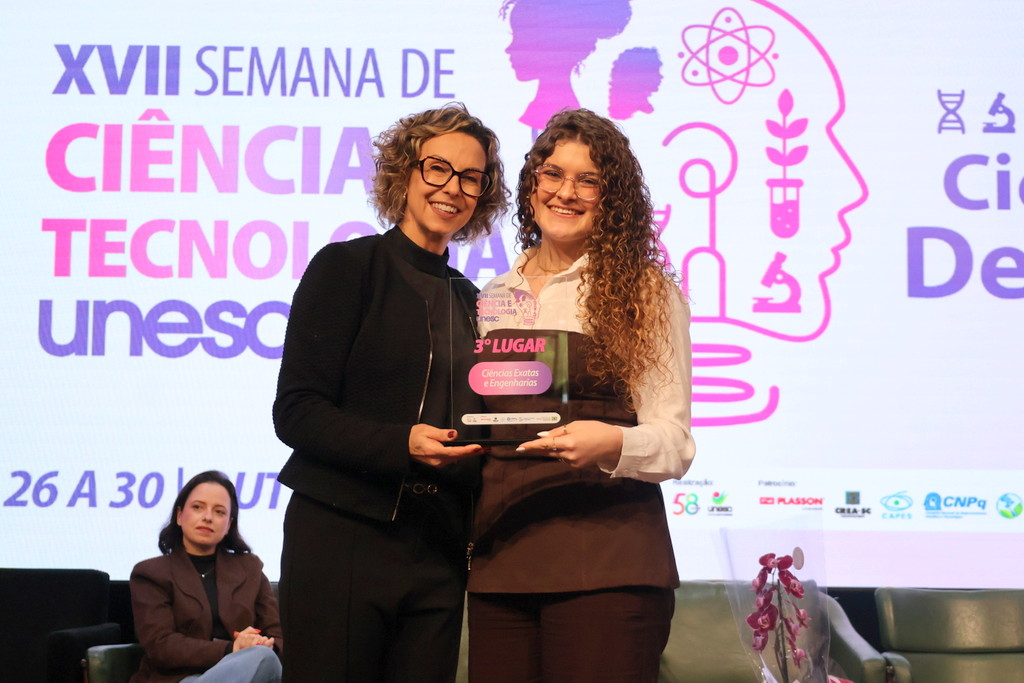
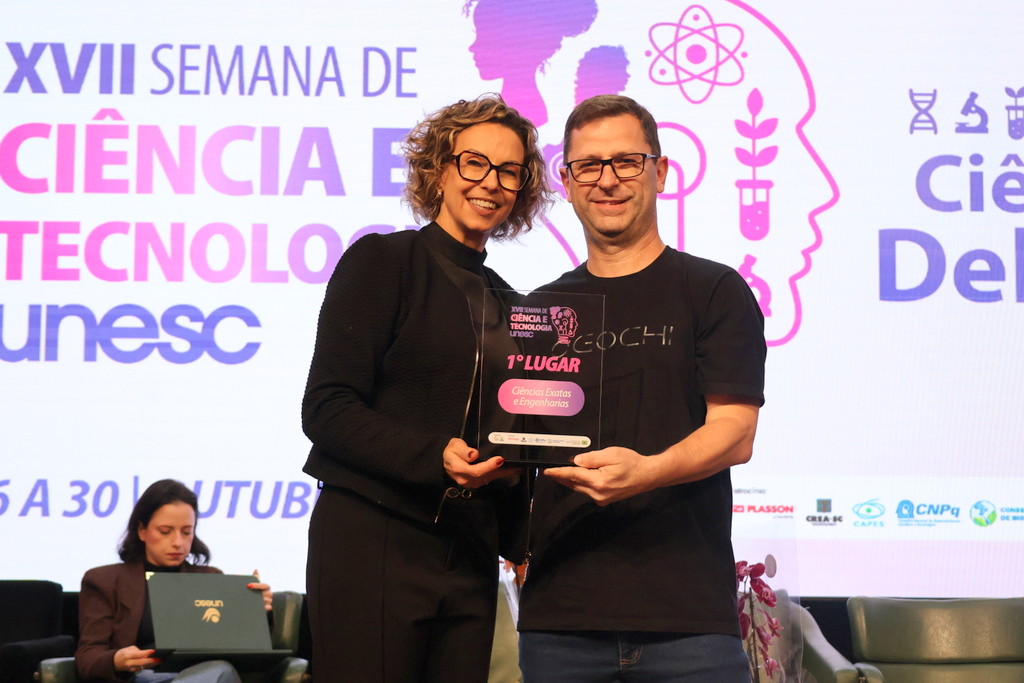
Category: Sciences, Engineering and Technologies
1st place: Luciano Antunes
Project: Interdisciplinary project for the development of assistive technologies focused on augmentative and alternative communication.
2nd place: Emily Sternberg Meller
Project: New Observatory: participatory diagnosis of spatial accessibility in public schools as an extension strategy for promoting inclusive education.
3rd place: Emily Bortolin Martins
Project: Development of an application for dimensional and geometric optimization of planar trusses.
Category: Humanities, Sciences and Education
1st place: Cristiane Scussel
Project: Analysis of the composition and configuration of the landscape in an ecological corridor for identifying priority areas for conservation and restoration.
2nd place: Aline Vitória Chaves de Oliveira
Project: Clowning as a strategy for humanization in childhood vaccination: experience report of an extension project.
3rd place: Luigi Mizegenski Somariva
Project: Decoloniality and Psychology: a possible interface.
Award – Oral Presentation CNPq
Category: Applied Social Sciences
CNPq Highlight: Nicolas Silveira de Araujo
Project: Codesc (1975–2011): trajectory and oriented development.
Category: Sciences, Engineering and Technologies I
CNPq Highlight: Ana Luiza Garcia da Rosa
Project: PCL-based ocular implants obtained by tape casting.
Category: Sciences, Engineering and Technologies II
CNPq Highlight: Nicoly Silveira Apolidório
Project: Development, functionalization and evaluation of nanobiomaterials for biomedical applications.
Category: Medicine I
CNPq Highlight: Camila da Costa
Project: Effect of moderate-intensity physical exercise on soil and water in a mechanical model of osteoarthritis in Wistar rats.
Category: Medicine II
CNPq Highlight: Valentina Almerindo
Project: Evaluation of the relationship between childhood abuse and suicide attempts in bipolar disorder.
Category: Public Health
CNPq Highlight: Enzo Ronconi
Project: Sleep quality as a factor associated with the mental health of pregnant women.
Category: Humanities, Sciences and Education
CNPq Highlight: Vinicius Dagostim Campos
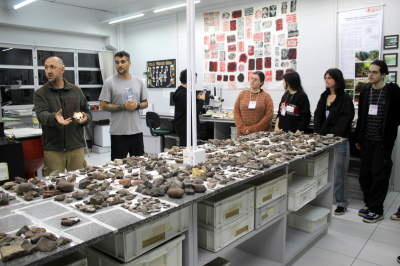
Project: Readings of the material world of present communities: theory and practices in the Pedro Ignácio Schmitz Archaeology Laboratory (LAPIS) – Research Group on Archaeology and Integrated Territory Management.
Awardees – Science Fair
1st place
CEDEEFE: Study platform for selection processes for admission to the Integrated Technical High School of Federal Institutes.
Institution: IFC – Sombrio Campus.
2nd place
Between concepts, measurements, and experiments: a journey into the study of density, mediated by Libras.
Institution: E.M.E.B.P.S. Prof. Maria de Lourdes Carneiro.
3rd place
From waste to brick: repurposing jeans and PET in the production of sustainable materials.
Institution: Unesc College.