Published in The Lancet Infectious Diseases, the work discusses differences between traditional sepsis and severe infections associated with endemic diseases
Published by: Marciano Bortolin
on October 28, 2026
Reading time: 2 minutes.
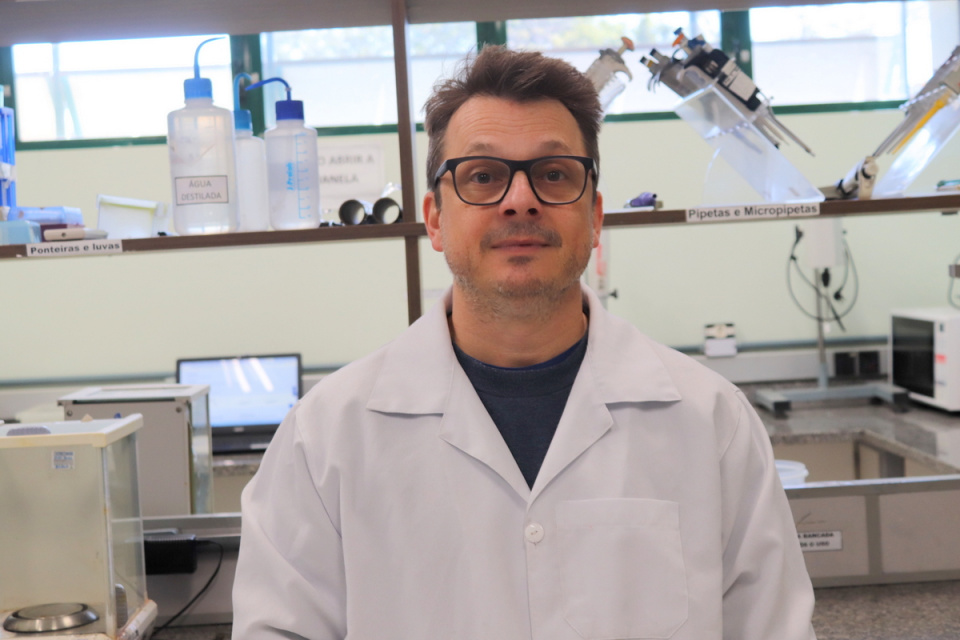
The need to differentiate severe infections caused by bacteria and fungi from cases associated with endemic and emerging diseases motivated an opinion article published in The Lancet Infectious Diseases, one of the leading scientific journals in the field of infectious diseases. The work brings together Brazilian and foreign researchers linked to the National Institute of Science and Technology (INCT) for Precision Critical Medicine, based at Unesc.
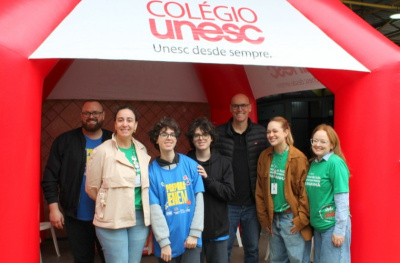
Coordinated by Professor Felipe Dal Pizzol, the group includes four Brazilian researchers, one Dutch, and one English. The article discusses differences in the mechanisms of diseases and responses to treatments, with a focus on severe infections associated with dengue, malaria, and co-infection by HIV and tuberculosis.
"Although these cases may meet the definition of sepsis, the researchers advocate for the need to consider the particularities of each condition. This distinction could contribute to the development of more appropriate treatment strategies for critically ill patients," comments Dal Pizzol.
The work also highlights the low representation of these infections in large international studies, often conducted in countries in the Northern Hemisphere. "As a follow-up, we propose the formation of a consortium in the Southern Hemisphere to enhance the production of knowledge about severe infections that are still underrepresented in research," he emphasizes.
The relevance of the debate also resonated within the Infectious Diseases Society of America (IDSA), which published a report on the article.
Tags:
Copyright 2026 © UNESC. All rights reserved. | Privacy Policy