Research presented at the 17th Science and Technology Week of Unesc investigates diet, use of raw materials, and environmental changes based on archaeological records
Published by: Marciano Bortolin
on October 29, 2026
Reading time: 3 minutes.
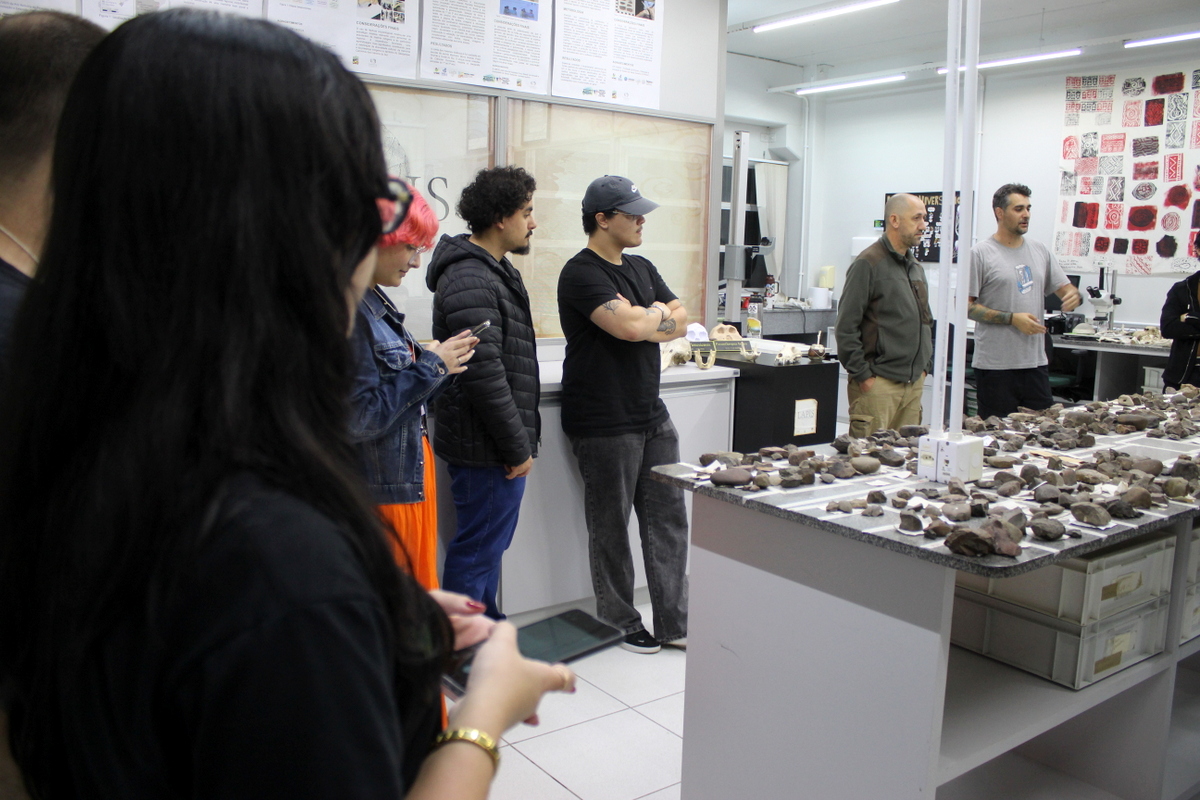
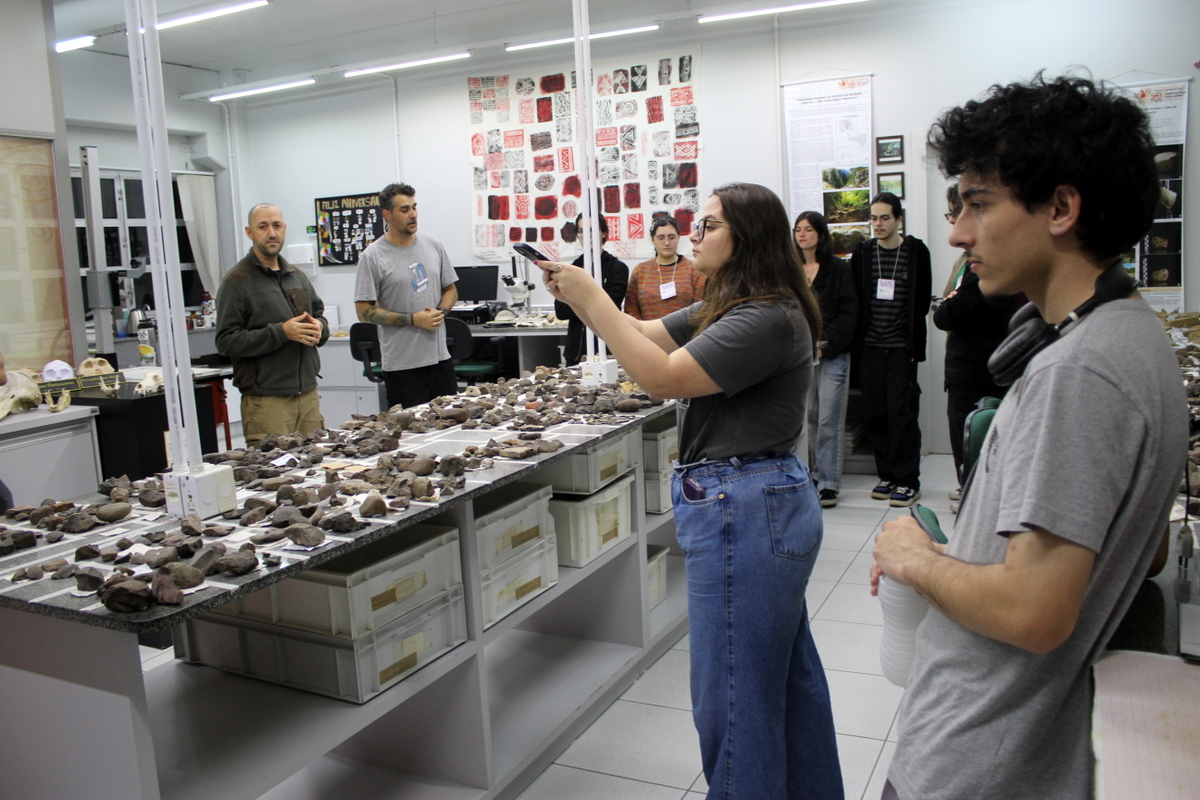
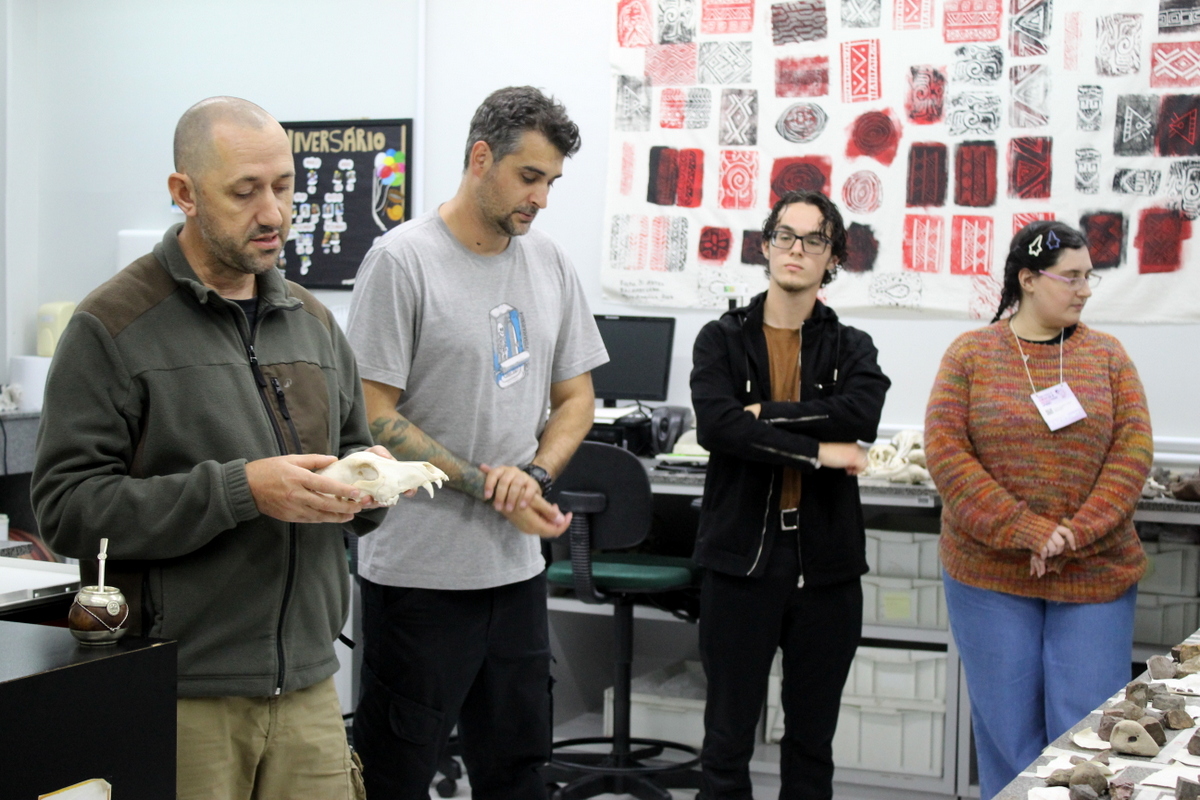
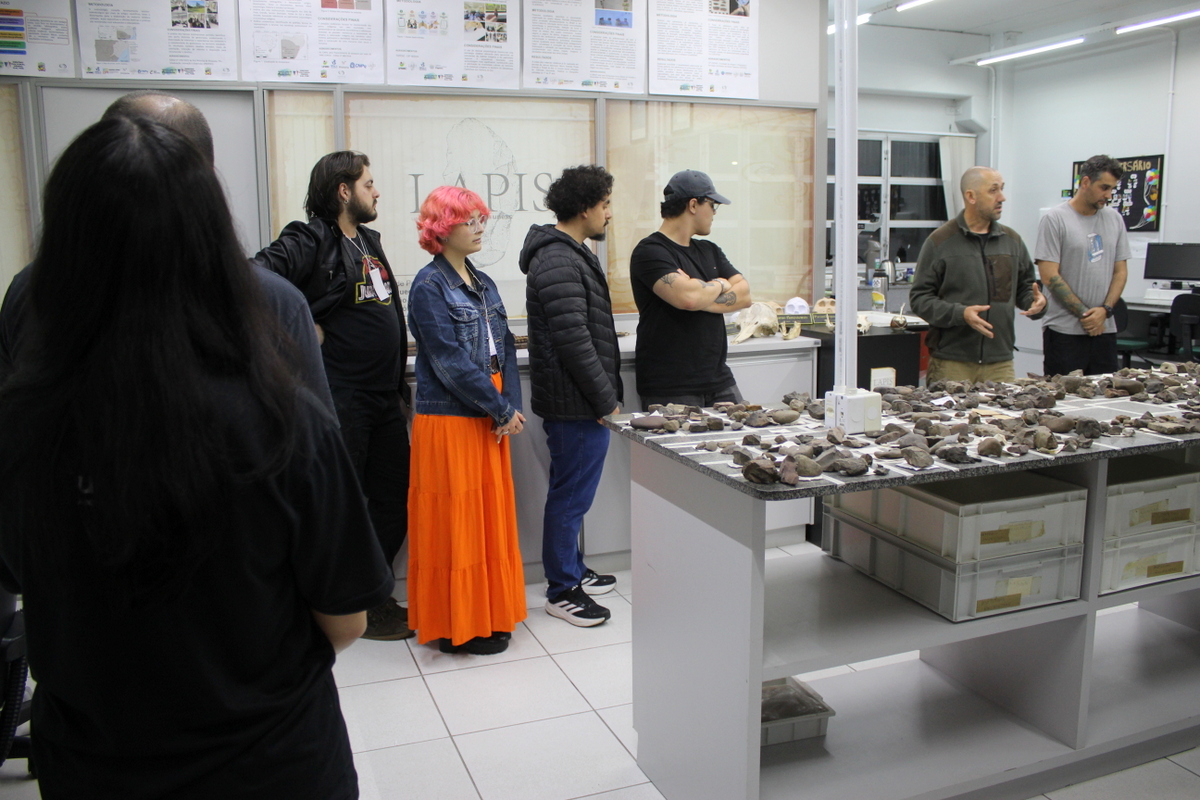
What can bones, teeth, and other animal remains reveal about the lives of populations that inhabited the territory of Santa Catarina thousands of years ago? Zooarchaeology seeks to answer questions like this through the identification, quantification, and interpretation of materials found at archaeological sites. This topic was addressed on Thursday (10/29) during the 17th Science and Technology Week at Unesc, in an activity promoted by the Academic Week of Biological Sciences (Sacib), the Zoology Museum, and the 11th Archaeology Workshop.
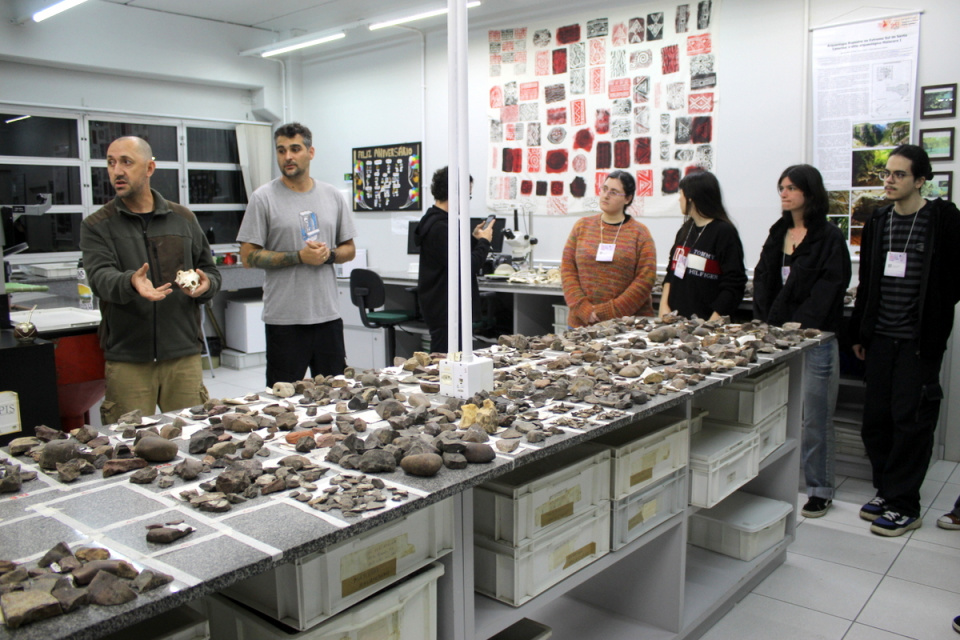
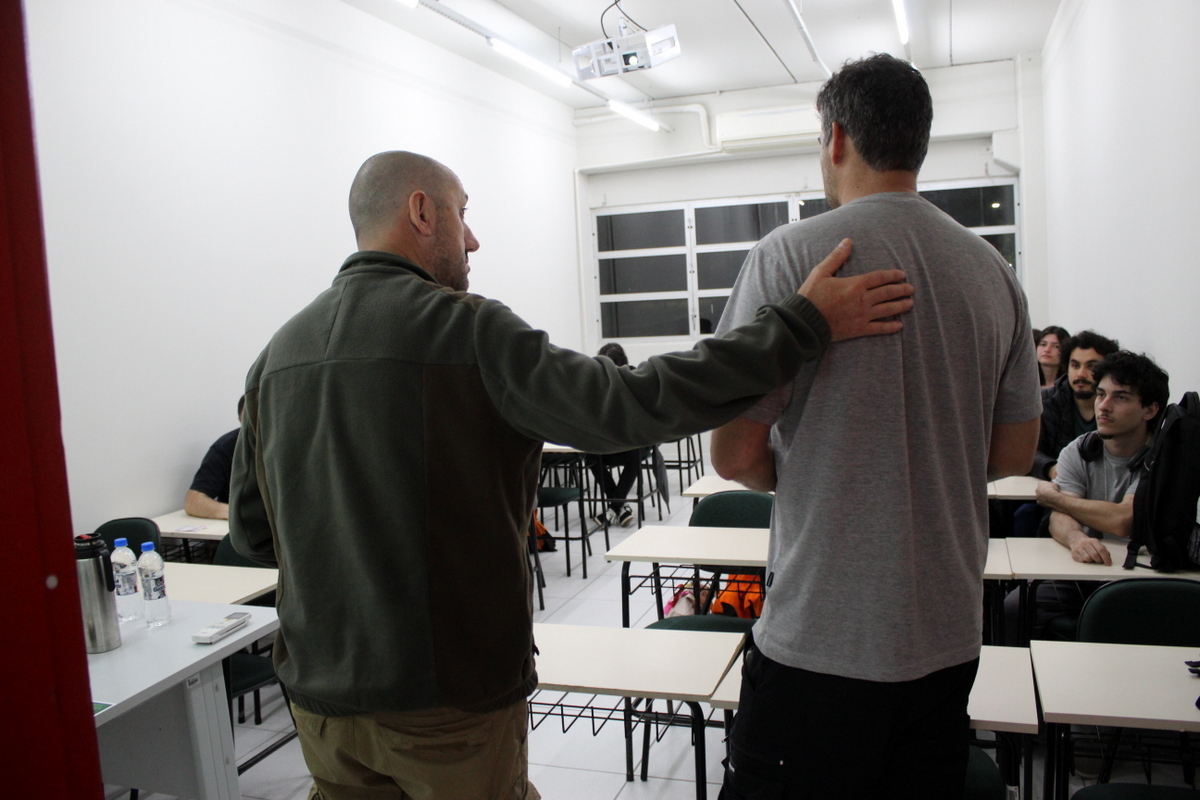
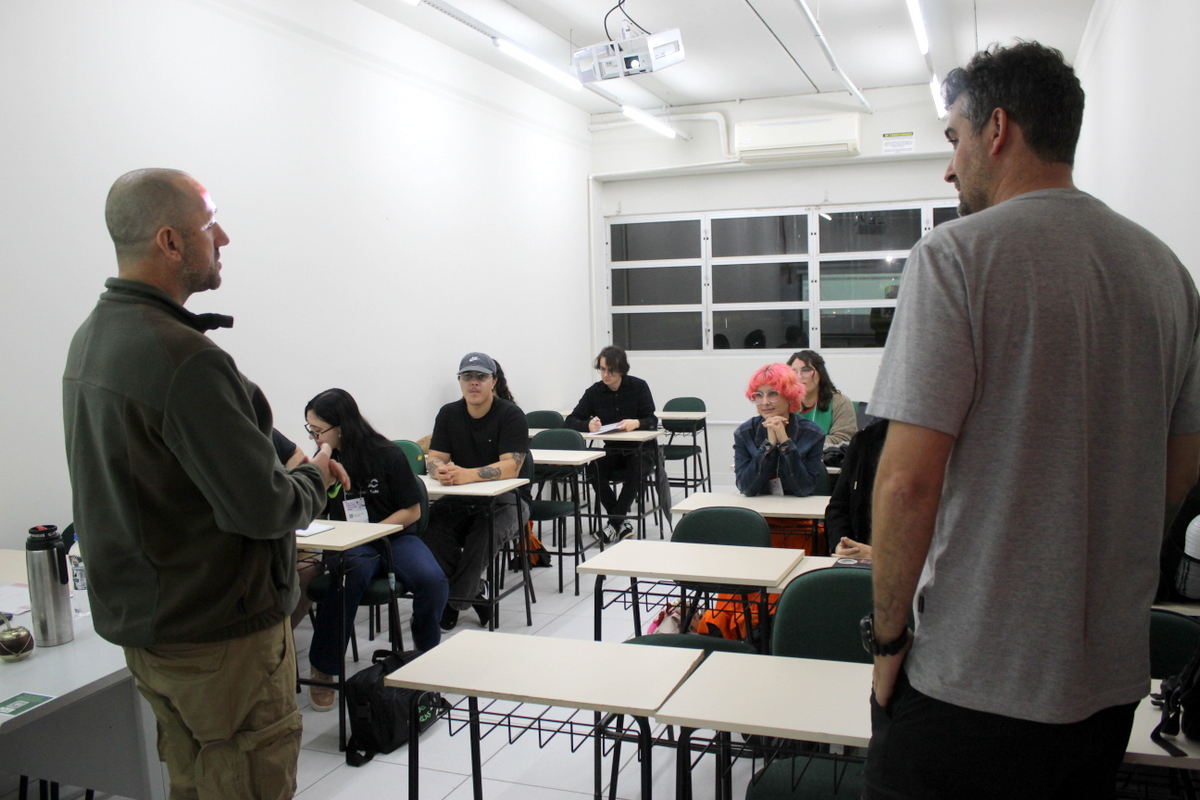
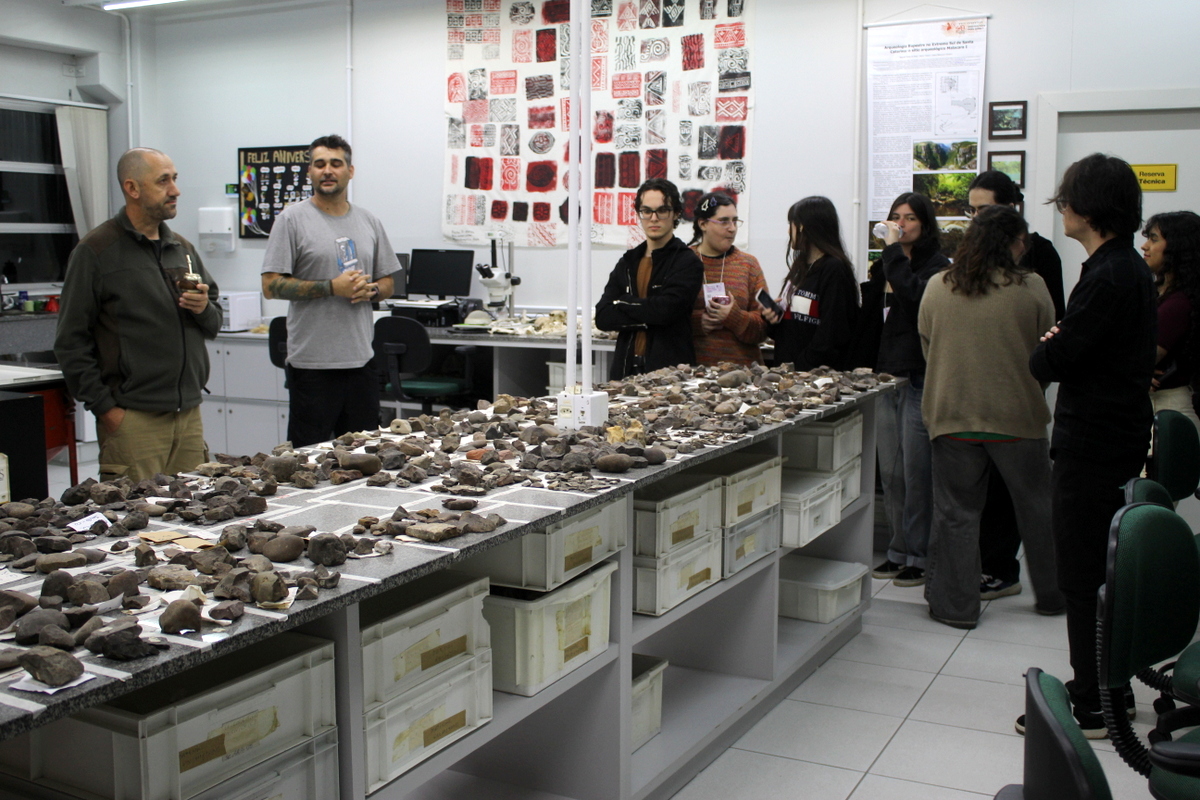
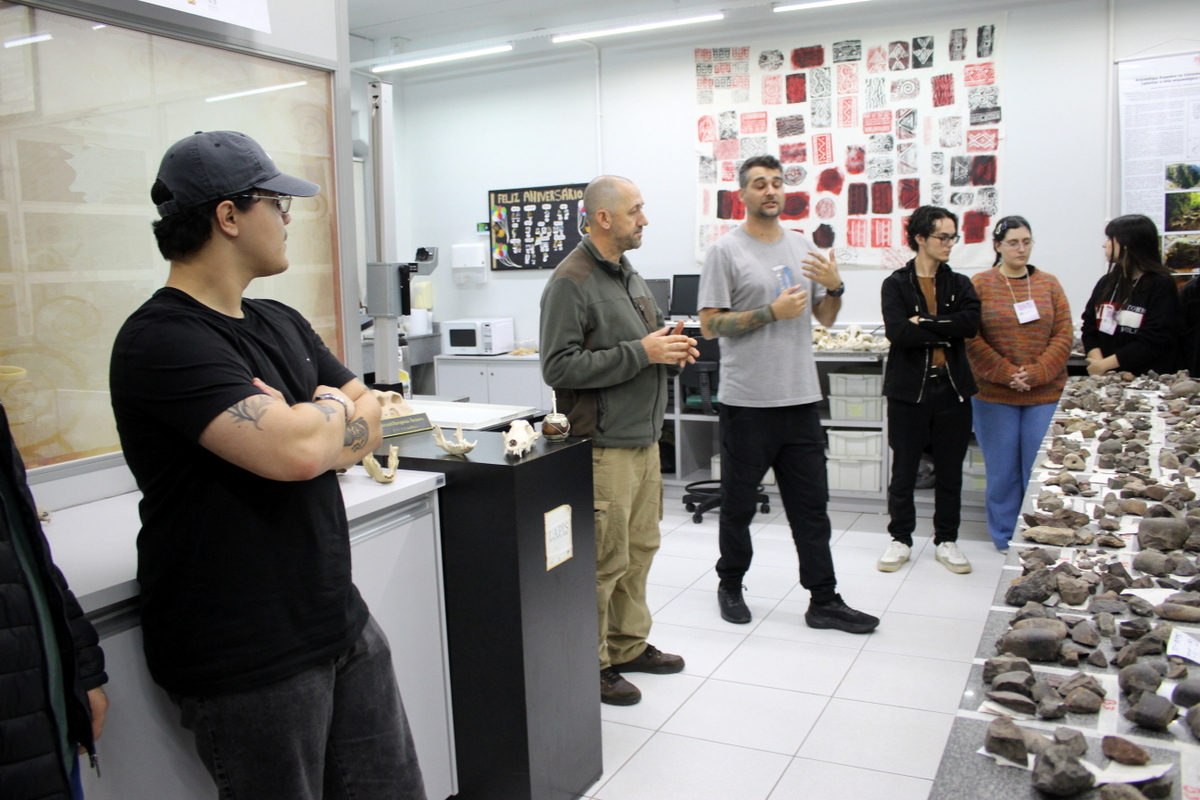
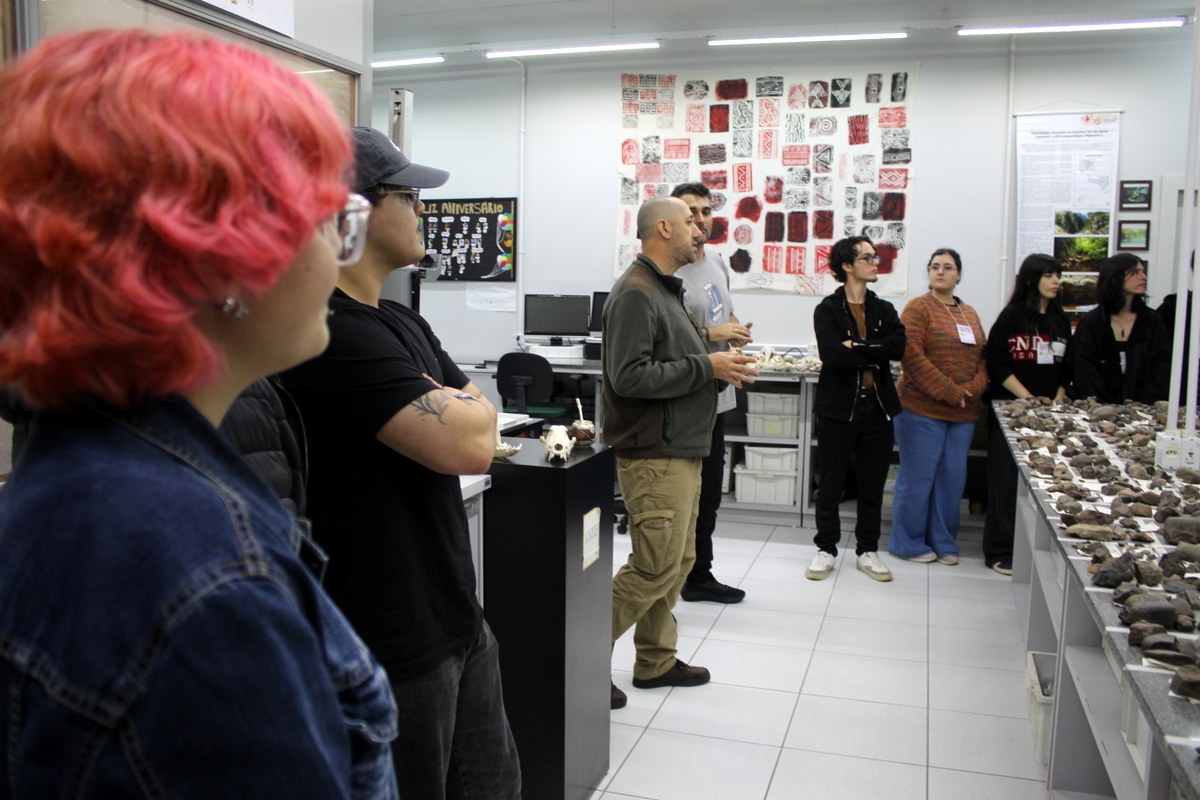
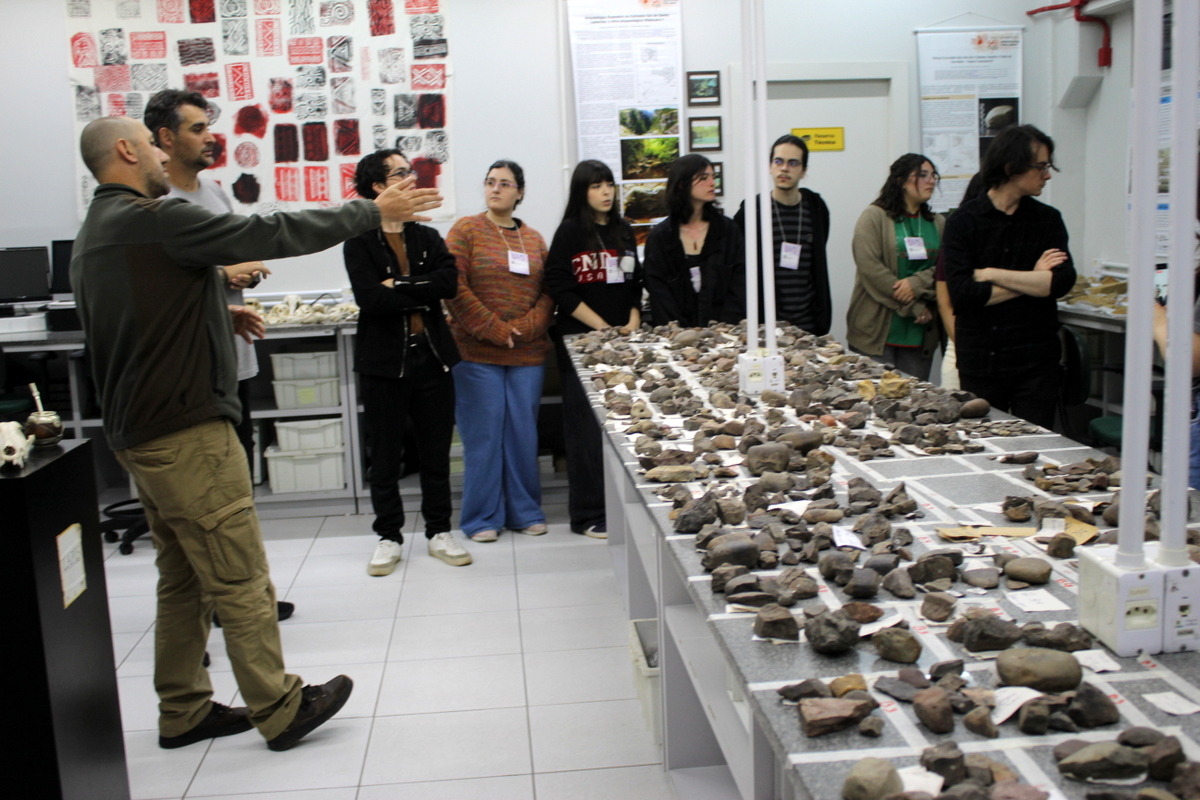
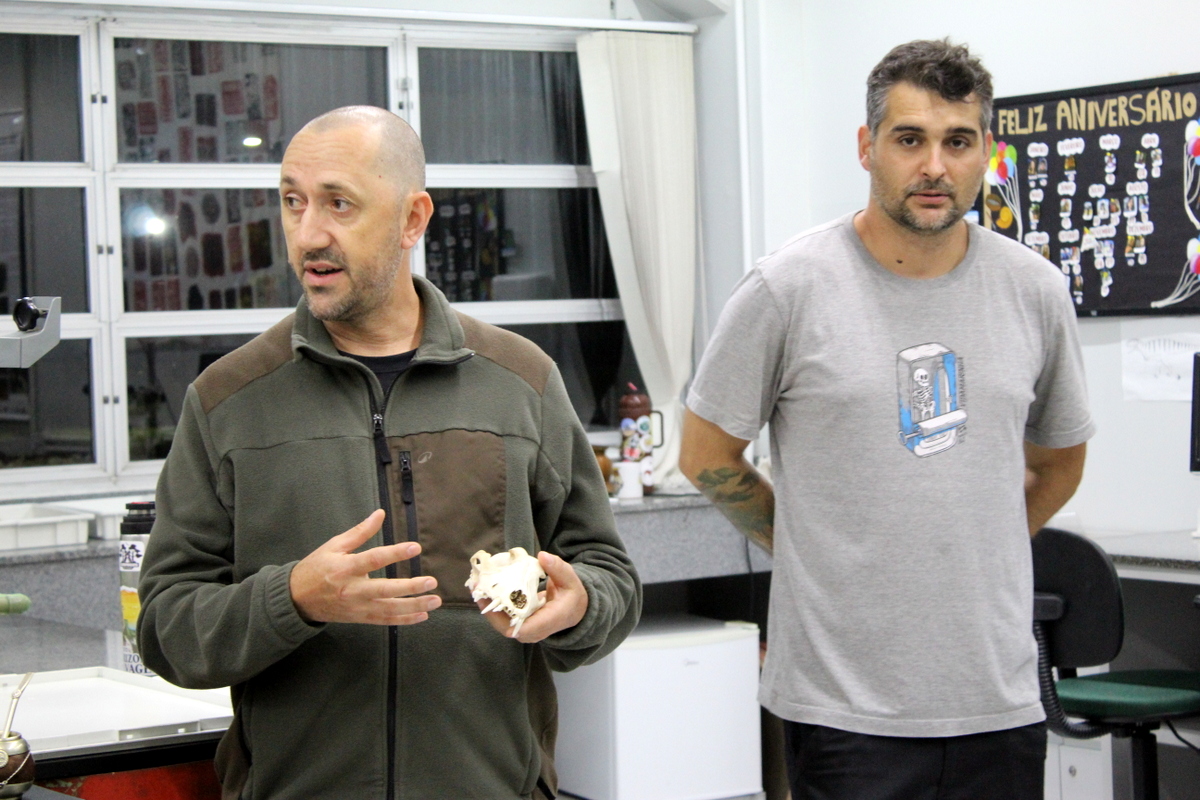
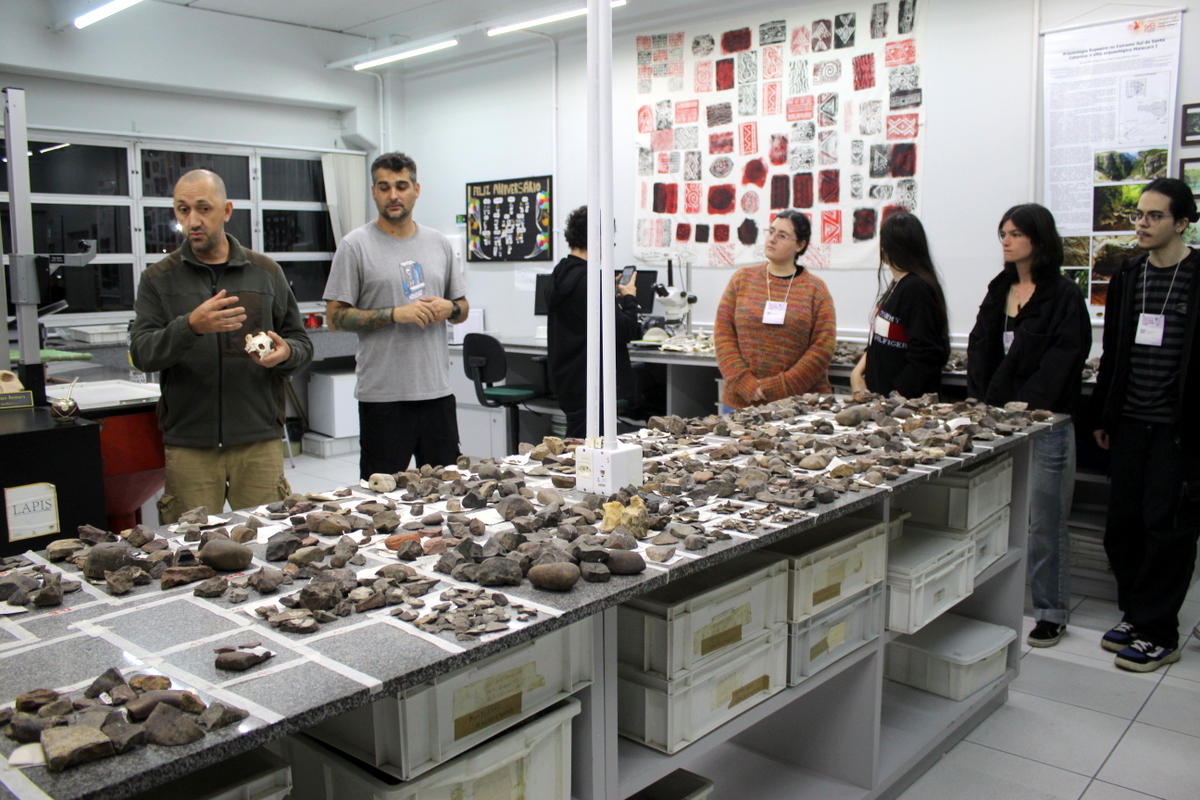
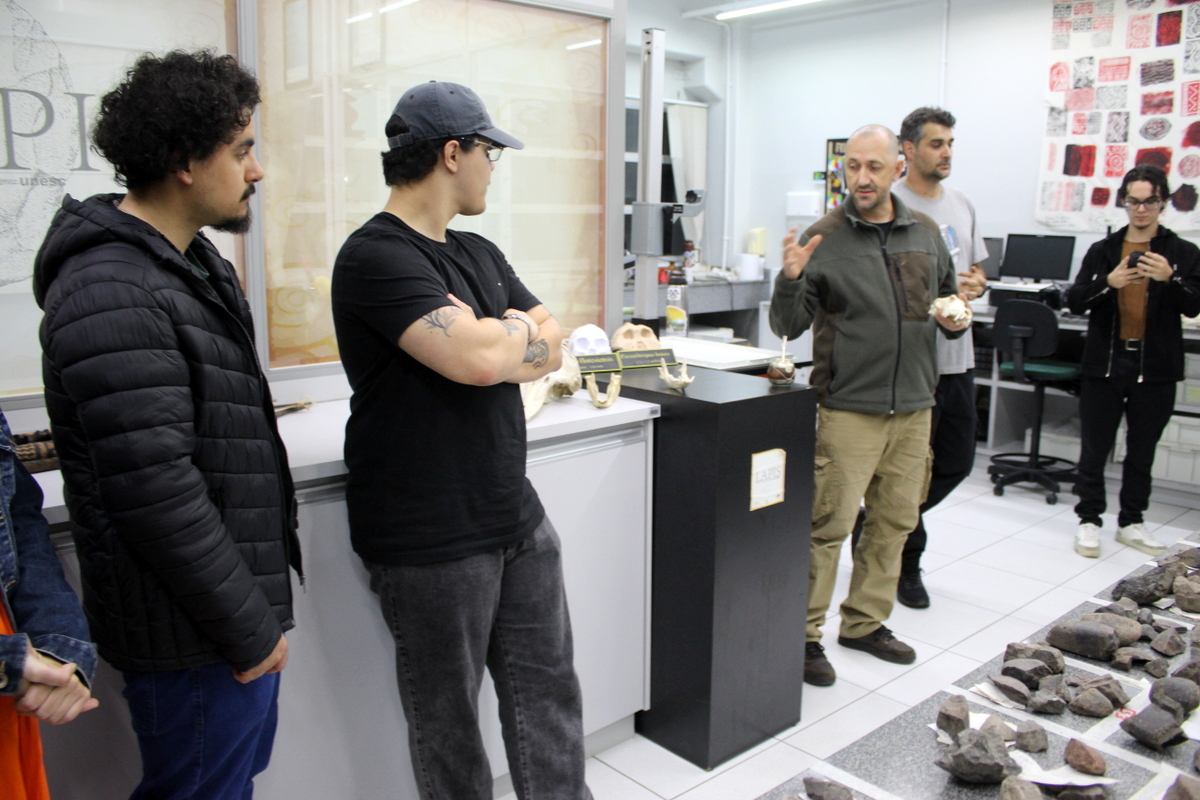
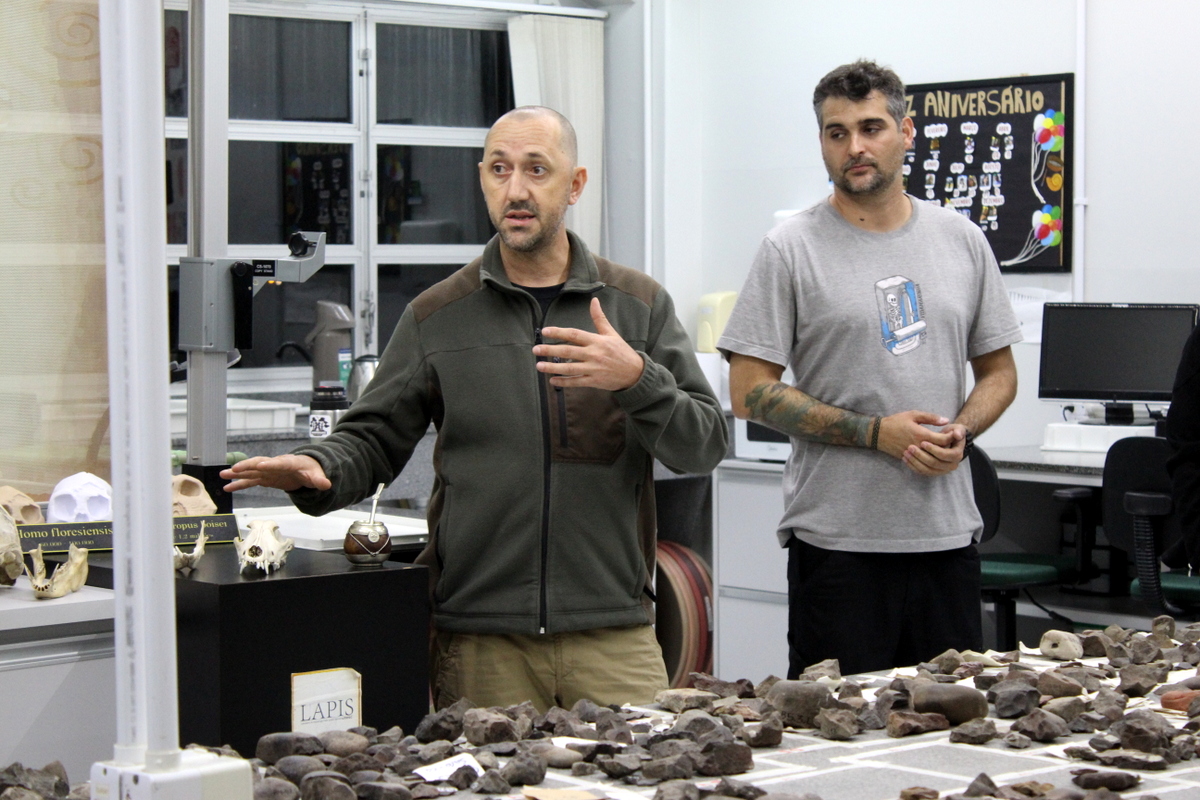
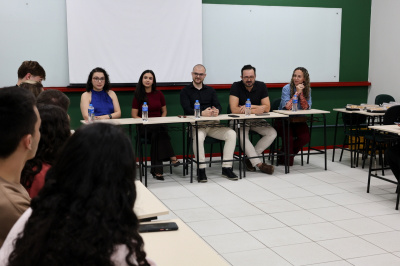
The program brought together biologists and archaeologists Diego Dias Pavei and Suliano Ferrasso, PhD candidates from the Graduate Program in Environmental Sciences (PPGCA) at Unesc and researchers at the Archaeology Laboratory (Lapis). The activity, held at the Pedro Ignácio Schmitz Archaeology Laboratory (Lapis), presented investigation possibilities regarding diet, animal management, object production, and cultural practices of prehistoric populations.
One of the research projects developed by Diego Pavei investigates an archaeological site in Bombinhas, with records dating back approximately eight thousand years. The study aims to understand how animals were used by the populations of that time, from resource acquisition to transportation and consumption. The analysis also considers the presence of faunal remains in funerary contexts and the use of bones and teeth in the production of tools and ornaments.
"We want to discover whether animals were transported whole, if they were consumed in other locations, or if only certain parts were taken to communal spaces. The investigation expands knowledge about the relationships between human groups and animals, including aspects of subsistence and daily practices," explains Pavei.
Knowledge of the past contributes to environmental conservation
In addition to reconstructing dietary and cultural habits, zooarchaeology provides information about changes in fauna over time. Archaeological records allow for the identification of species present in earlier periods and understanding changes caused by human actions in ecosystems.
The studies can also aid in understanding processes of defaunation, characterized by the reduction or disappearance of animal populations in certain regions. This approach brings archaeology closer to historical ecology, a field dedicated to investigating changes in ecosystems and the relationships established between humans and the environment over time.
For Suliano Ferrasso, the research also helps to enhance the visibility of little-known chapters in Brazilian history. Scientific production about ancient populations aids in understanding the cultural diversity in the formation of the country and expands the possibilities for disseminating knowledge in educational spaces.
"Our research works with a specialized area of archaeology called zooarchaeology, related to the study of animals found in archaeological contexts and linked, in some way, to the subsistence of ancient peoples. More generally, we can say that we study diet in prehistory, what these peoples consumed, how they obtained resources, and how they utilized animals," he emphasizes.
Copyright 2026 © UNESC. All rights reserved. | Privacy Policy