Course Presentation
The Visual Arts Bachelor's Degree program offers an education that is attentive to the current state of the art, through courses that engage in dialogue with one another in the perspective of knowledge production. Among these, the following stand out: drawing, digital images, illustration, printmaking, sculpture, photography, painting, performance, urban art, curation, audio, and video. Graduates work in various sectors of the creative economy, focusing on areas of direction, research, and art creation.
Differentials
- In-person course with over 20 years of history and credibility;
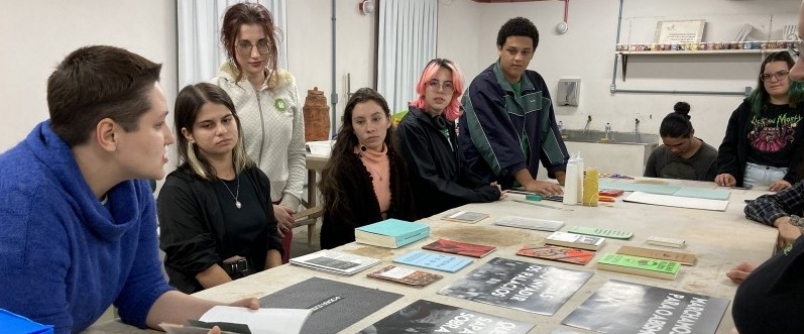
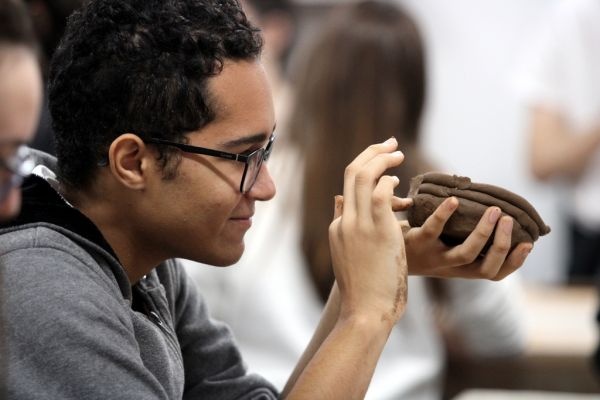
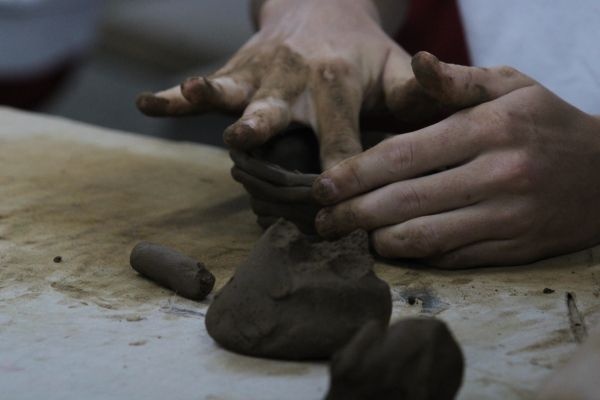
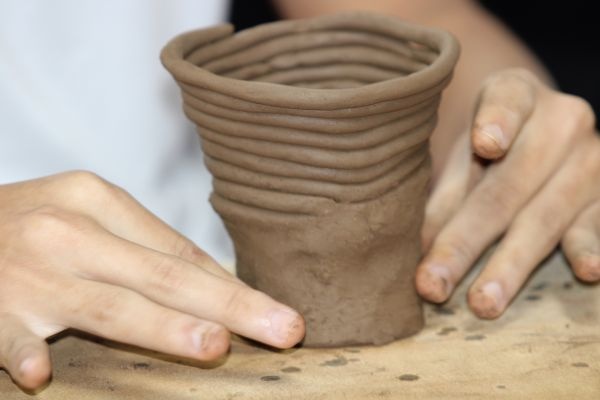
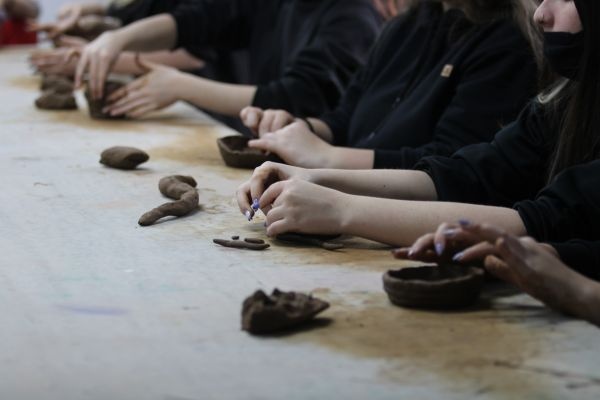
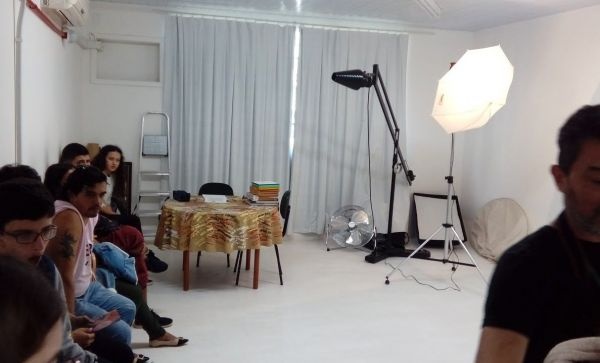
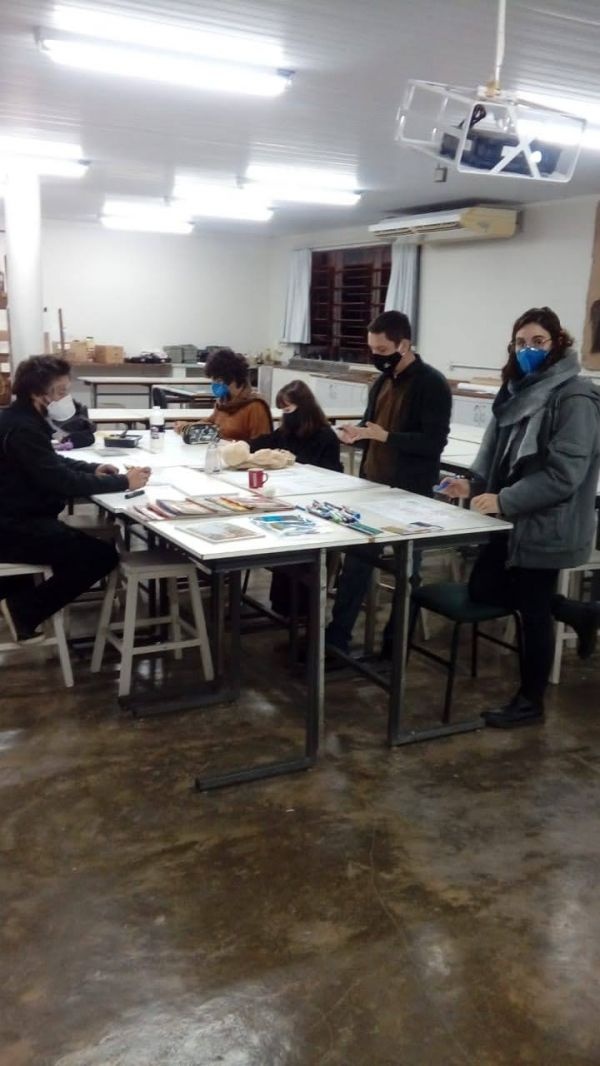
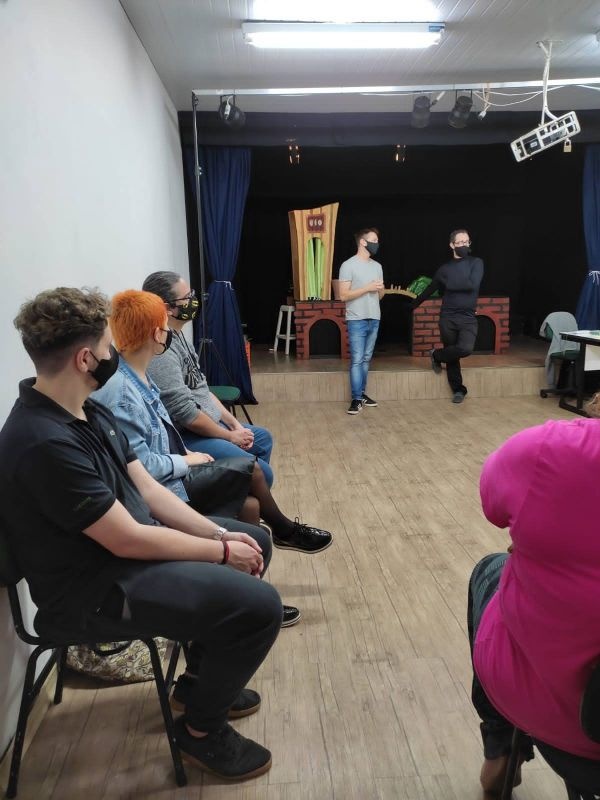
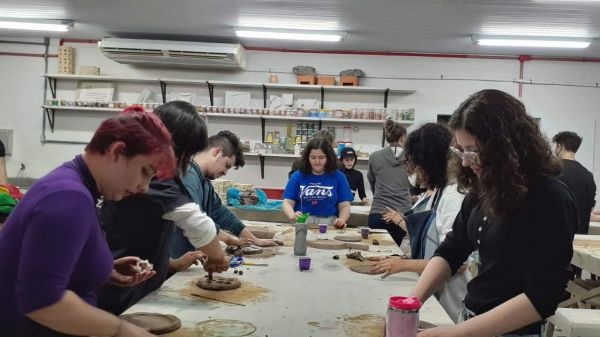
- Infrastructure with studios for painting, drawing, sculpture, and ceramics, screen printing and printmaking, photography studio, computer labs with graphic software, theater room, and classrooms designed for artistic creation;
- Exclusive exhibition space for the course;
- Organizes and participates in conferences, art biennials, exhibitions, study trips, guided visits, and professional development courses;
- Students can participate in research and extension programs in technical areas related to art and culture;
- Highly qualified faculty, composed of masters and doctors.
What will you learn?
The training of graduates, Bachelor in Visual Arts, involves offering courses in a diverse and updated curriculum, encompassing studies on the fundamentals of art, art theory and history, the interrelation between different artistic languages, the art market, the practice of criticism and curation, studios, and contemporary manifestations of art, as well as digital artistic languages that open spaces in the field of art production allied with technologies. Partnerships are also established with museum institutions, galleries, and other exhibition and transit spaces for art, creating opportunities for experiences and integration into the artistic community. As complementary academic activities, there are offerings and organization of study trips and aesthetic appreciation, both in the local art circuit and in major exhibitions and biennials. Additionally, the course offers opportunities for involvement in research and extension through participation in projects coordinated by the faculty of the course.
Job Market
The Bachelor's Degree in Visual Arts allows for work in various areas of the market, focusing on the sectors of Direction, Research, and Art Creation. The graduate can be a freelance professional working as a visual artist in their studio or in curation, art criticism, and cultural production. They can work in areas such as companies, foundations, cultural secretariats, art galleries, museums, studios, among others. The textile industry, ceramics, advertising, and the creative market also welcome our graduates.
Subjects

Academic Exclusive
Thesis
Access here the regulations
Library
The Central Library Prof. Eurico Back – UNESC, aims to “Promote quality information retrieval, focusing on the development of teaching, research, and extension activities, combining technology and humanized service.”
With open access to the shelves, the Library is located in an area of 2,688.50 m². The service hours are from Monday to Friday, from 7:30 AM to 10:00 PM, and on Saturdays from 8:00 AM to 1:00 PM.
The collection of books, periodicals, and multimedia, as well as the services of technical processing, local database consultation, periodical registration, loan, renewal, return, and reservation are fully computerized by the PERGAMUM Program, which was developed by the Data Processing Center of PUC/Paraná - PUCPR. The location of the works is organized by author, title, subject, or keyword.
The Collection Development Policy of the Central Library aims to define and implement criteria for the development of collections and the updating of the collection.
The Library's collection consists of 82,668 titles and 167,836 volumes of books, has 63 subscriptions to periodicals, and access to over 100 databases through the CAPES Periodicals Portal and other publicly accessible databases. It has a subscription to Minha Biblioteca, a database with over 11,000 e-books, in addition to the UpToDate and RT-Online databases.
Internship
Access here the Internship website
Complementary Activities
Access here the regulations
Coordination
Meet the course coordinators:-
Daniele Cristina Zacarão PereiraCoordinator
-
Luiz Gustavo Bieberbach EngroffDeputy Coordinator
Ratings Ranking

grade
CPC
5
grade
CC
WHAT IS IT LIKE TO STUDY HERE?
Step into the world of the course
Press play on the video