Course Presentation
The undergraduate program in Biomedicine at Unesc emphasizes the diagnosis and prevention of ailments affecting humans. The goal is to train professionals who can engage in various complementary diagnostic and treatment activities, including human and veterinary clinical analyses, toxicology, aesthetics, imaging diagnostics, and scientific research. Graduates of the program receive a comprehensive education focused on scientific and technological innovation.
Differentials
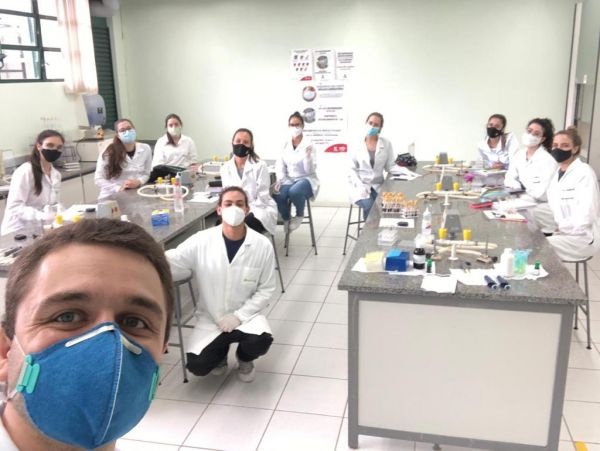
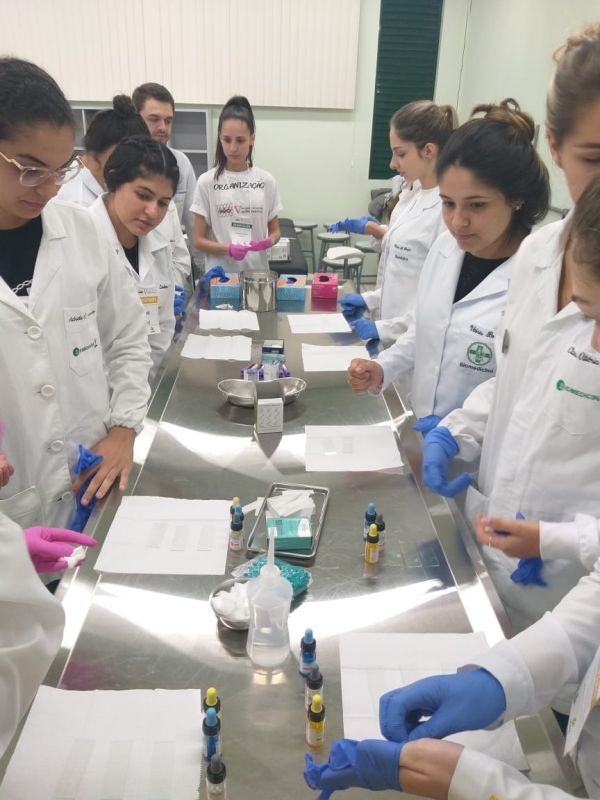
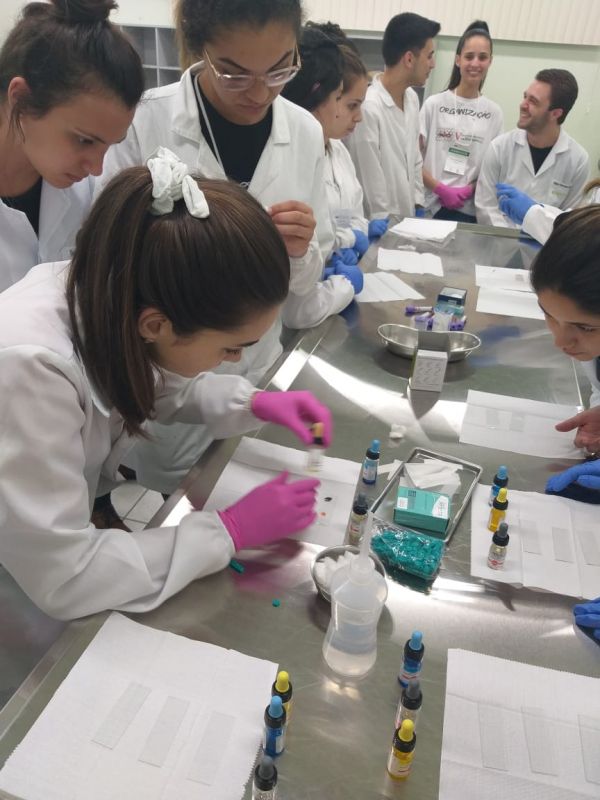
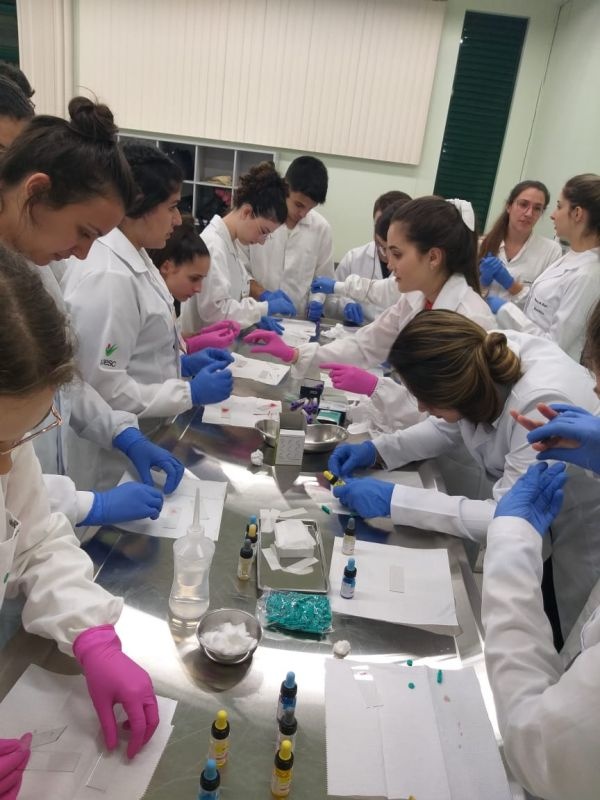
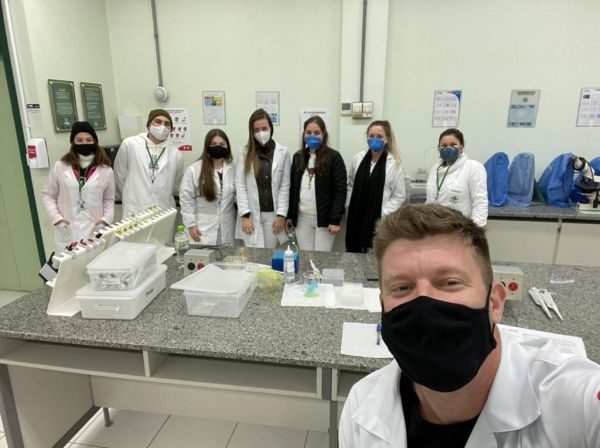
- Excellent physical structure and fully equipped laboratories, enabling the integration of theory and practice from the early stages;
- The teaching laboratories include anatomy, chemistry, bromatology, physiology, microscopy, microbiology, parasitology, among others;
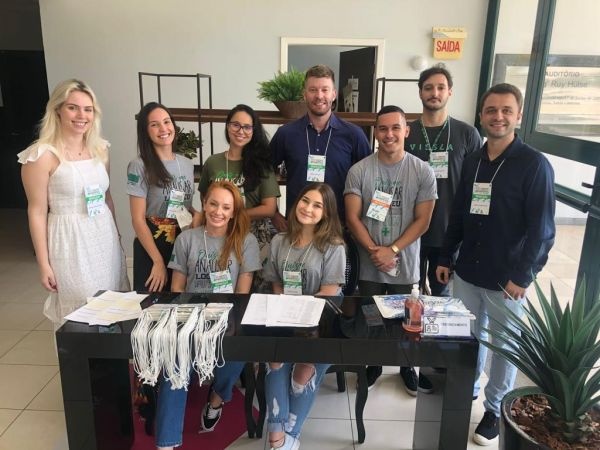
- Students are encouraged, from the beginning of the program, to engage in scientific production and participate in national and international events. Students will have direct contact with leading professionals in various fields of biomedical practice;
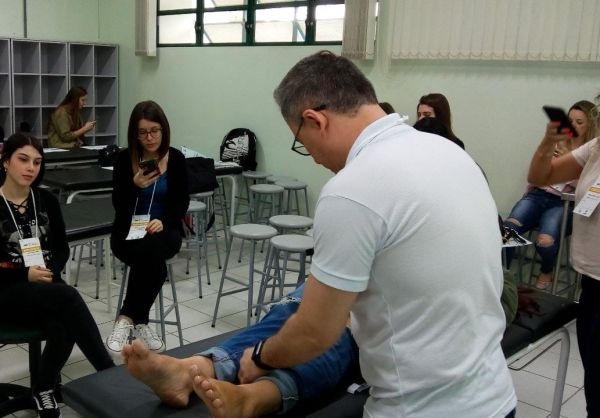
- Participation in health care events and extension projects promoted by Unesc. Community service at Unesc's Integrated Clinics. Students perform traditional Chinese medicine techniques on both external and internal patients;
- Highly qualified faculty, composed of doctors, masters, and specialists.
What will you learn?
The bachelor's degree in Biomedicine prepares you to utilize knowledge in hematological analyses, biochemical analyses, molecular analyses, production and analysis of bioderivatives, bromatological analyses, environmental analyses, bioengineering, and imaging analysis.
Additionally, you will receive a generalist, humanistic, critical, and reflective education to operate at all levels of health care, always considering ethical principles and understanding the social, cultural, and economic realities of your environment, directing your practice towards transforming reality for the benefit of society.
Job Market
The bachelor's degree in Biomedicine allows you to work in various areas of the market, both in service provision and in the technological field. The focus is on training professionals prepared to work in public and private institutions and companies.
The job market for Biomedical professionals includes areas such as acupuncture, environmental analysis, bromatological analyses, auditing, blood banks, biochemistry, oncotic cytology, embryology, pharmacology, physiology, hematology, immunology, health informatics, and food microbiology.
Subjects
Electives
Acupuncture
Oxidative Stress in Biological Systems
Introduction to Aesthetic Biomedicine
Introduction to the Study of Libras
Laboratory Animal Management and Cell Culture
Food Microbiology and Toxicology
Neurosciences
Text Production and Interpretation
Basic Life Support
Advanced Topics in Biomedicine I
Advanced Topics in Biomedicine II
Biomedicine and the Environment
Forensic Biomedicine
Cosmetology
Afro-Brazilian and Indigenous Culture
Laboratory Exam Interpretation
Academic Exclusive
Complementary Activities
Complementary Activities, or AC, are mandatory teaching, research, and extension actions, with a defined workload in your course's curriculum, to be developed by you, student, during your educational journey, realized through academic, scientific, cultural, sports, artistic, and technological innovation activities.
The purpose of Complementary Activities is to provide flexibility in the course curriculum and to offer you, the student, the opportunity for thematic and interdisciplinary deepening beyond the subjects, programs, and projects that make up the pedagogical project of the course, adding value to your academic training.
The purpose of Complementary Activities is to provide flexibility in the course curriculum and to offer you, the student, the opportunity for thematic and interdisciplinary deepening beyond the subjects, programs, and projects that make up the pedagogical project of the course, adding value to your academic training.
Integrated Clinics
The Integrated Clinics at Unesc have the mission of Assistance, Teaching, and Research in the field of Health Sciences. This mission is carried out through various services offered to the community, including nursing, pharmacy, physiotherapy, medicine, nutrition, dentistry, psychology, and SOS services.
Access here the website of the Integrated Health Clinics.
PPC
Access here the Pedagogical Project of the Biomedicine Course
Library
The Central Library Prof. Eurico Back – UNESC, has the mission to “Promote quality information retrieval, focusing on the development of teaching, research, and extension activities, combining technology and humanized service.”
With free access to the shelves, the Library is located in an area of 2,688.50 m². The service hours are from Monday to Friday, from 7:30 AM to 10:00 PM, and on Saturdays from 8:00 AM to 1:00 PM.
The collection of books, periodicals, and multimedia, as well as the services of technical processing, consultation of the local database, registration of periodicals, loan, renewal, return, and reservation are fully computerized by the PERGAMUM Program, which was developed by the Data Processing Center of PUC/Paraná - PUCPR. The location of the works is organized by author, title, subject, or keyword.
The Collection Development Policy of the Central Library aims to define and implement criteria for the development of collections and the updating of the collection.
The Library's collection consists of 82,668 titles and 167,836 volumes of books, has 63 subscriptions to periodicals, and provides access to over 100 databases through the CAPES Periodicals Portal and other publicly accessible databases. It has a subscription to Minha Biblioteca, a database with over 11,000 e-books, in addition to the UpToDate and RT-Online databases.
Internship
Access here the Internship website
Resolutions
RESOLUTION n. 02/2022/BIOLOGY COUNCIL - Exclusion of prerequisite and inclusion of prerequisite in the Biomedicine course
Coordination
Meet the course coordinators:-
Hugo Galvane ZapeliniCoordinator
-
Emanuel de SouzaDeputy Coordinator
Ratings Ranking

4
grade
CPC
4
grade
CC
WHAT IS IT LIKE TO STUDY HERE?
Step into the world of the course
Press play on the video