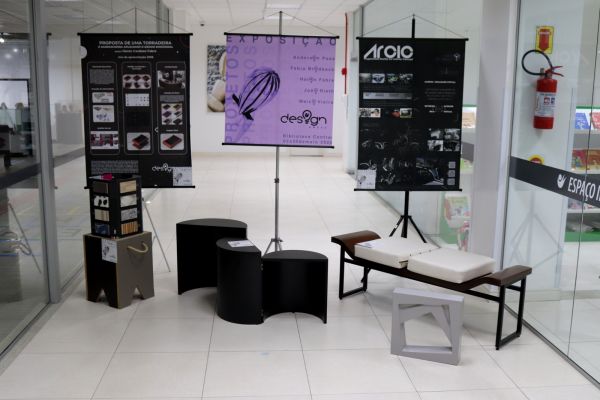
Course Presentation
The undergraduate program in Design at Unesc aims to train qualified professionals to meet the demand in various sectors: industrial, commercial, and digital. Graduates of the program achieve a comprehensive education focused on technological innovation and problem-solving.
The main proposal of the pre-professional activities is to bridge the gap between 'thinking' and 'doing,' as advocated since the emergence of the first Design schools, in a more open, continuous, and collaborative process, where the outcome will certainly promote mature dialogue with the private sector. In this way, new paths are built for an innovative process of developing useful and sustainable products in the Santa Catarina landscape. The program lasts three and a half years and is offered in the evening.
Differentials
- Project-based courses from the first semester, integrating theory and practice with a focus on creative and technical experimentation;
- International dual degree with the University of Avellaneda (Argentina), broadening academic and professional horizons;
- Partnerships with local industries and companies, allowing the development of real projects and research applied to market demands;
- Acting in multiple fields of Design;
- Collaborative and innovative creation process aimed at producing sustainable, functional solutions connected to the Santa Catarina context;
- Participation in national and international competitions and awards, encouraging creative leadership and professional insertion;
- Highly qualified faculty, composed of masters and doctors with extensive academic and professional experience in the field of Design.
What will you learn?
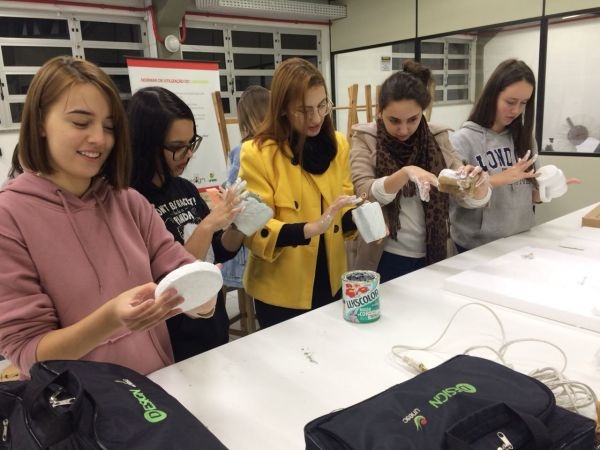
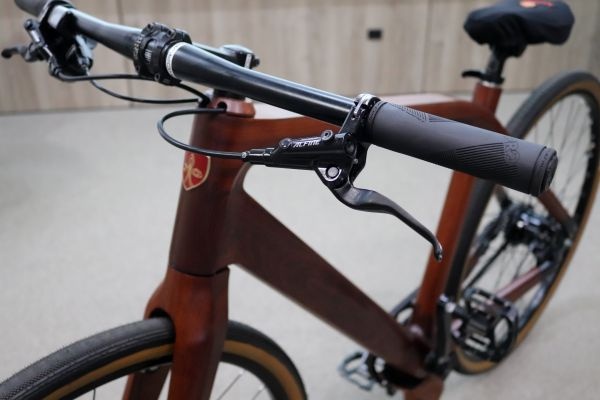
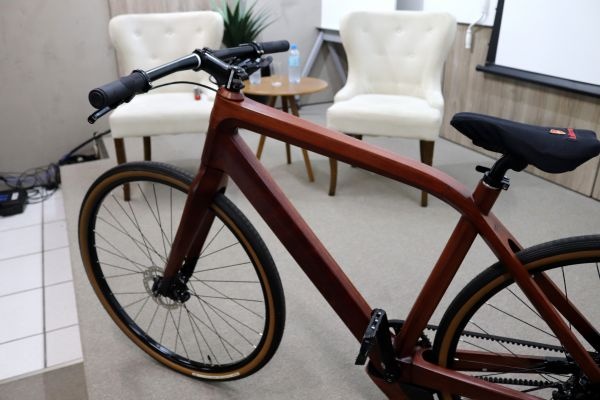
The Design Project courses are the central axis of the education, connecting academic knowledge to the productive and creative ecosystem of the region. In these courses, students experience a dynamic environment of experimentation, applied research, and collaborative innovation, where theory transforms into practice.
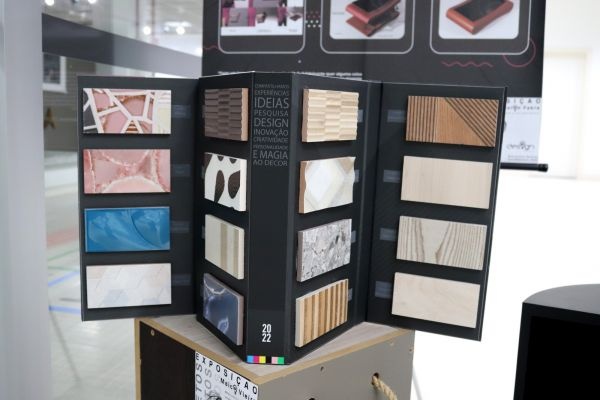
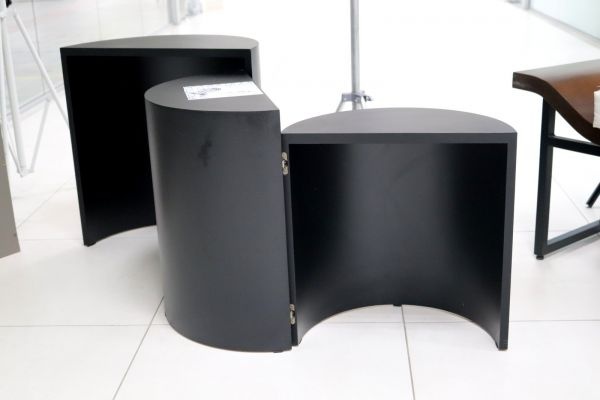
Projects are developed in different fields of design experimentation, such as furniture design, interior design, fashion accessories, footwear, ceramic coatings, packaging, graphic and editorial design, marketing and branding, design thinking and UX, as well as assistive technologies. All projects are guided by an approach that values creativity, functionality, sustainability, and positive impact.
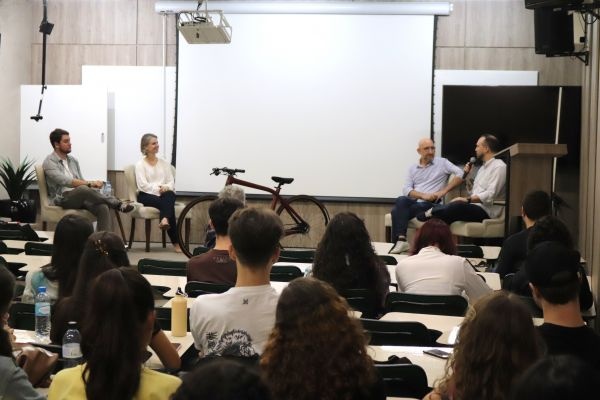
Through strategic partnerships with companies and institutions, students participate in real market challenges, co-creating products, services, and experiences that respond to contemporary societal demands. In this constant exchange, companies act as active agents in the educational process, bringing the university closer to the productive sector and strengthening the culture of design as a vector for regional development.
Market World
The Bachelor’s degree in Design allows you to work in various areas of the market. The focus is on the development and manufacturing of goods that reduce environmental impact and improve the quality of life for users.
Designers work in multidisciplinary teams. They can engage in fields such as engineering, computer science, ergonomics, medicine, fashion, metalworking, furniture, ceramics, packaging, transportation, coatings, sports products, and leisure, among others.
The use of procedural methodologies allows for a systemic approach to problems. In other words, the professional evaluates different aspects of a phenomenon and can then propose solutions that ensure maximum efficiency with minimal resources. This is an increasingly important demand in the global economy.
Subjects
| (NCI)-FOUNDATIONAL LAB I: OUR PLACE AND THE FUTURE |
| INTRODUCTION TO DESIGN |
| GRAPHIC COMPOSITION |
| DRAWING LAB I |
| MODELING |
| (NCC)-ERGONOMICS I |
| HISTORY AND AESTHETICS OF DESIGN |
| CREATIVITY AND FUNDAMENTALS OF VISUAL COMMUNICATION |
| DRAWING LAB II |
| DESIGN PROJECT I |
| DIGITAL LAB I |
| MATERIALS AND PRODUCTION PROCESSES |
| EXACT SCIENCES AND STRUCTURES FOR DESIGN |
| DIGITAL IMAGES AND PHOTOGRAPHY |
| DESIGN PROJECT II |
| PROTOTYPING TECHNIQUES |
| MARKETING IN DESIGN |
| SEMIOTICS AND PERCEPTION |
| BIOMIMICRY AND ECODESIGN |
| DIGITAL LAB II |
| EDITORIAL DESIGN |
| DESIGN PROJECT III |
| DESIGN THINKING AND UX |
| DIGITAL LAB III |
| SOCIAL DESIGN |
| DESIGN PROJECT IV |
| (NCC)-AUDIO AND VIDEO LANGUAGE |
| ERGONOMICS II |
| PRODUCT AND PRODUCTION MANAGEMENT |
| INTERIOR DESIGN |
| DESIGN PROJECT V |
| BRANDING |
| DIGITAL LAB IV |
| FINAL COURSE PROJECT I |
| (NCI)-FOUNDATIONAL LAB II |
| INTERNSHIP |
| FINAL COURSE PROJECT II |
Academic Exclusive
Complementary Activities
Complementary Activities, or AC, are mandatory teaching, research, and extension actions, with a defined workload in the curriculum matrix of your course, to be developed by you, student, during your educational journey, realized through academic, scientific, cultural, sports, artistic, and technological innovation activities.
The purpose of Complementary Activities is to provide flexibility in the course curriculum and to offer you, the student, the opportunity for thematic and interdisciplinary deepening beyond the subjects, programs, and projects that make up the pedagogical project of the course, adding value to your academic training.
The purpose of Complementary Activities is to provide flexibility in the course curriculum and to offer you, the student, the opportunity for thematic and interdisciplinary deepening beyond the subjects, programs, and projects that make up the pedagogical project of the course, adding value to your academic training.
Final Project
Important documents regarding the Final Project:
Library
The Central Library Prof. Eurico Back – UNESC, has the mission to “Promote quality information retrieval, focusing on the development of teaching, research, and extension activities, associating technologies and humanized service.”
With free access to the shelves, the Library is located in an area of 2,688.50 m². The service hours are from Monday to Friday, from 7:30 AM to 10:00 PM, and on Saturdays from 8:00 AM to 1:00 PM.
The collection of books, periodicals, and multimedia, as well as the services of technical processing, consultation of the local database, registration of periodicals, loan, renewal, return, and reservation are fully computerized by the PERGAMUM Program, which was developed by the Data Processing Center of PUC/Paraná - PUCPR. The location of the works is organized by author, title, subject, or keyword.
The Collection Development Policy of the Central Library aims to define and implement criteria for the development of collections and the updating of the collection.
The Library's collection consists of 82,668 titles and 167,836 volumes of books, has 63 subscriptions to periodicals, and access to more than 100 databases through the CAPES Periodicals Portal and other publicly accessible databases. It has a subscription to Minha Biblioteca, a database with over 11,000 e-books, in addition to the UpToDate and RT-Online databases.
Internship
Access here the Internship website
Coordination
Meet the course coordinators:-
João Luis Silva RiethCoordinator
-
Haron Cardoso FabreDeputy Coordinator
Ratings Ranking

3
grade
CPC
4
grade
CC
WHAT IS IT LIKE TO STUDY HERE?
Step into the world of the course
Press play on the video