Course Presentation
The Physical Education program at Unesc has been contributing to the training of professionals and teachers in the field for 49 years. The program is constantly evolving to meet the demands of society, the community, and the guidelines of the Ministry of Education. In the process of training future professionals and teachers of Physical Education at Unesc, it is important to highlight the quality of the faculty, with most professors holding master's and doctoral degrees in the field, which further enhances the education provided.
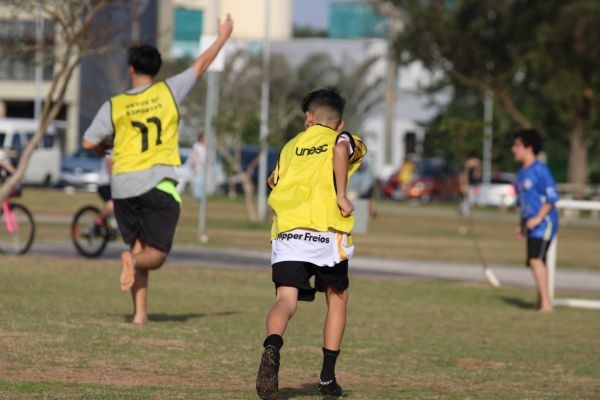
The program includes several research groups that develop projects and scientific publications in the areas of health and education. Notable extension projects include Tigrinhos and the Sports Initiation Program (PIDE), among others, which provide free participation opportunities for both the internal and external community.
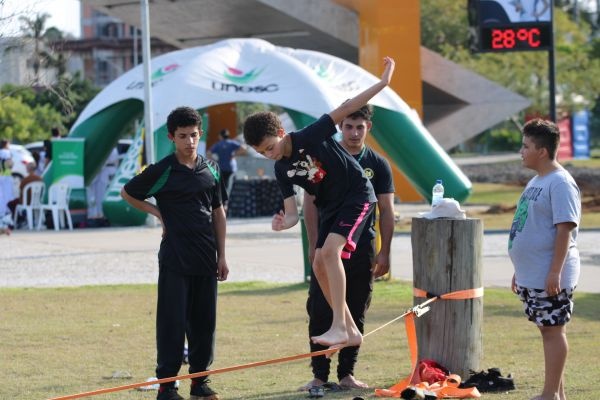
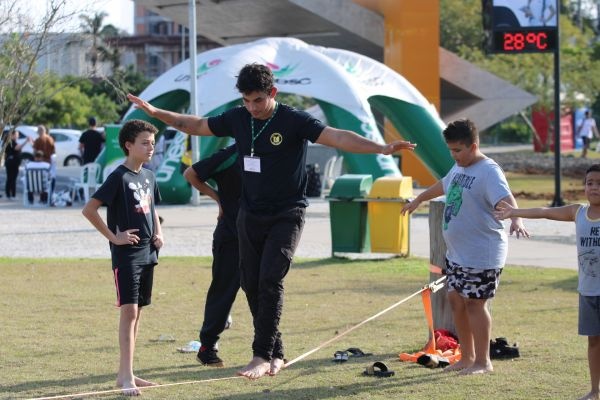
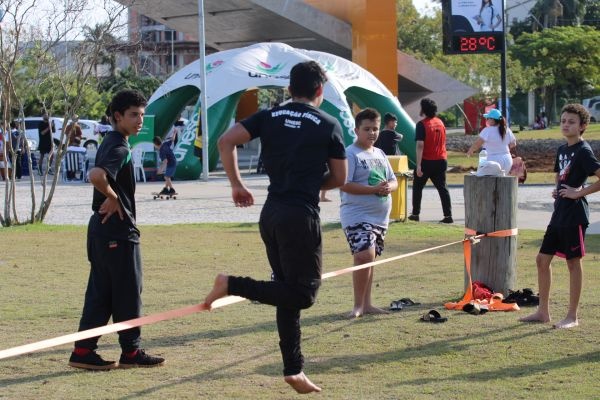
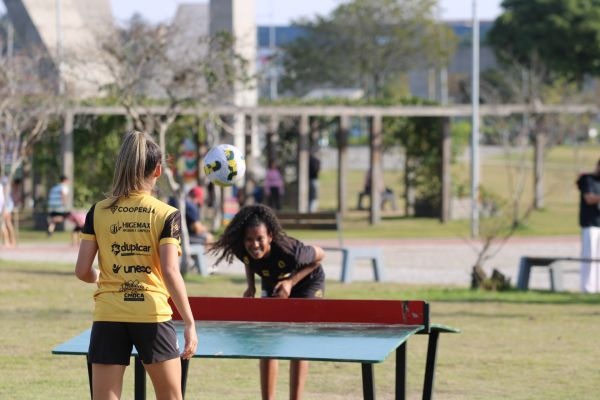
In the Physical Education program at Unesc, students are expected to understand the plurality of human movement related to physical exercise, sports, leisure, and health, enabling interaction between technical-scientific knowledge and society, with skills and competencies to plan, coordinate, implement, and execute services, programs, plans, and projects with creativity and critical thinking, while respecting human and ethical values.
Bachelor's Degree in Education – Enables graduates to work as teachers in Early Childhood Education, Basic Education (Elementary and High School), Special Education schools, and extracurricular activities linked to the school.
Bachelor's Degree – Enables graduates to engage in physical activities in their various forms: gymnastics, physical exercises, sports, games, martial arts, dances, rhythmic, expressive, and acrobatic activities, rehabilitation and ergonomics, body relaxation, yoga, compensatory exercises for work activities, among other bodily practices, with the aim of providing services that promote health development, contributing to the training and/or restoration of adequate levels of physical performance and conditioning in hospitals, public health, sports management, and other locations, excluding schools.
Differentials
-
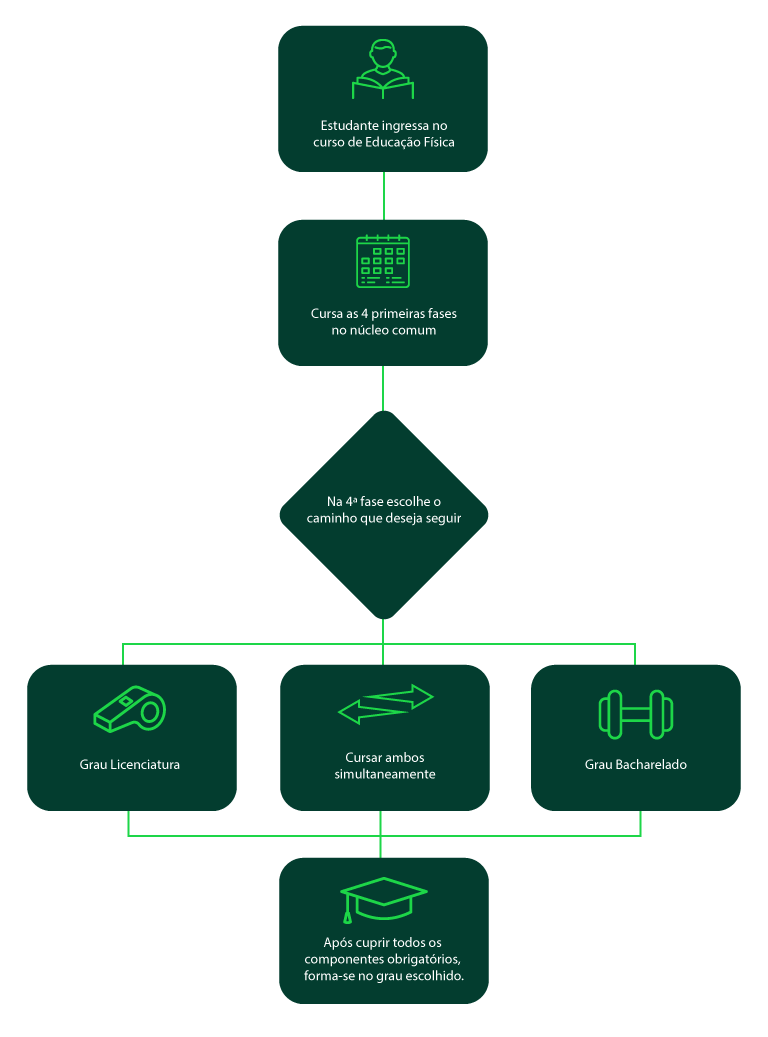
Opportunity for students entering from 2022/1 to choose their training path, allowing them to opt for the qualification they will pursue (teaching or bachelor's) in the second half of the program, with the chance to pursue both qualifications simultaneously, resulting in an expanded education in four years;
-
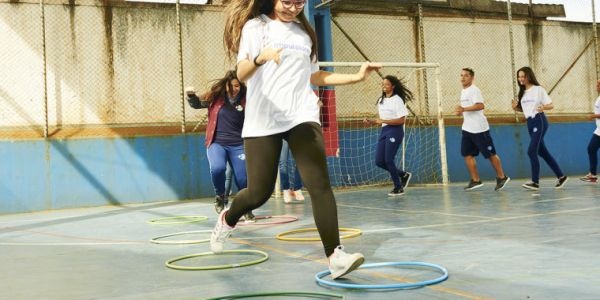
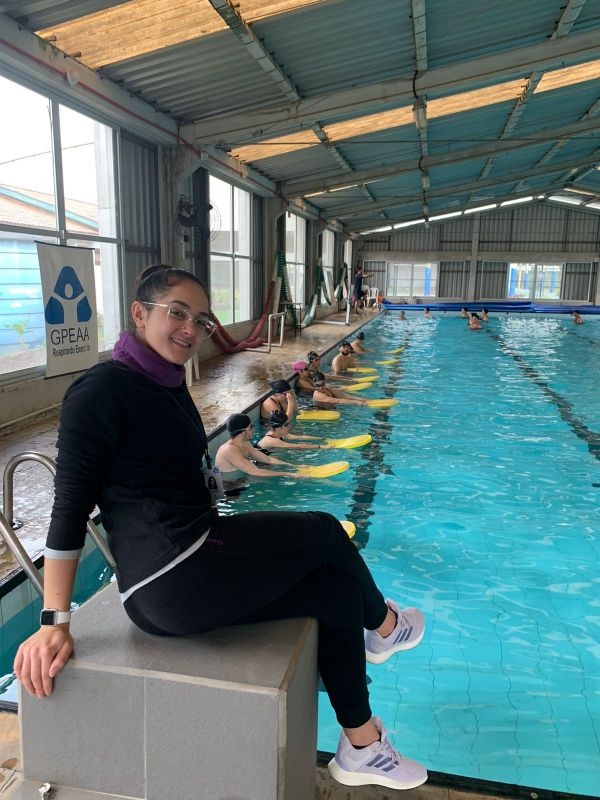
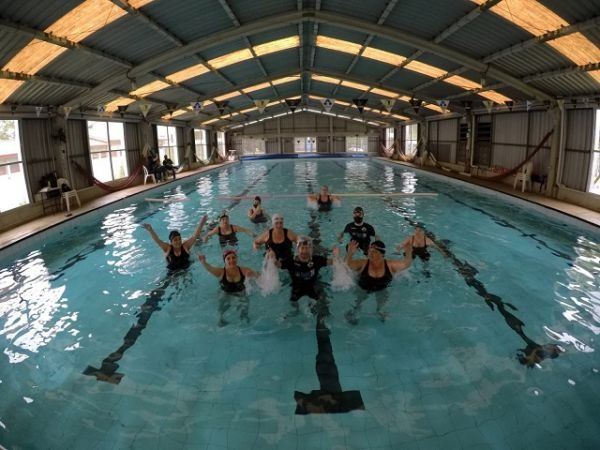
A history of over 49 years training professionals for the entire region, utilizing a sports complex with soccer fields, an indoor heated swimming pool, multi-sport courts, sports gyms, dance studios, a gym, laboratories, and classrooms suitable for classes and sports practices;
-
Qualified and dedicated faculty focused on training professionals for the job market and for continuing education in master's and doctoral programs, with research lines that align with initial training;
-
Opportunity to experience various practical scenarios through mandatory and optional internships during the training period;
-
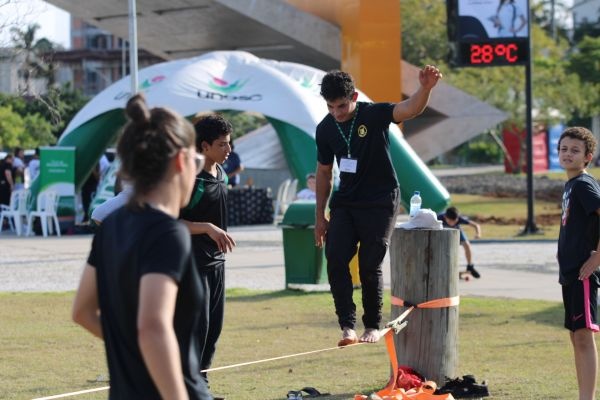
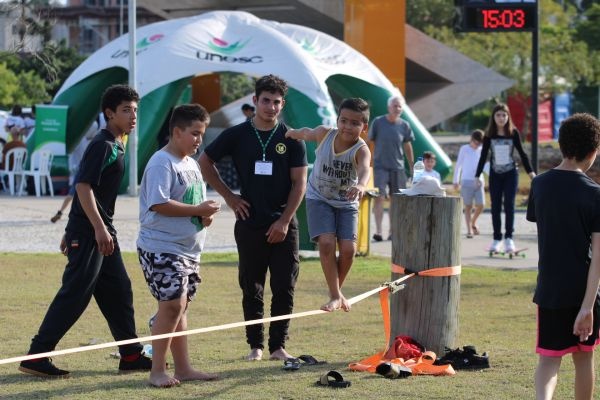
Strong ties with internal and external extension projects, integrated into the new curriculum as part of the students' training process, providing a comprehensive and dialogical education with the community;
-
Four research groups linked to the program that conduct studies with the community, providing students with experiences and scholarships for these activities;
-
Leading in the integration of graduates into the job market, whether at the local, regional, or even international level, working in the sports and health-related fields;
-
Mandatory internships primarily conducted within the University itself, enabling the university tripod (teaching, research, and extension) and an expanded education in the field;
-
Biennial Course Seminar that addresses issues raised by students with the aim of deepening and expanding the content related to their training;
-
Organization of short-term training sessions for updating knowledge in the field;
-
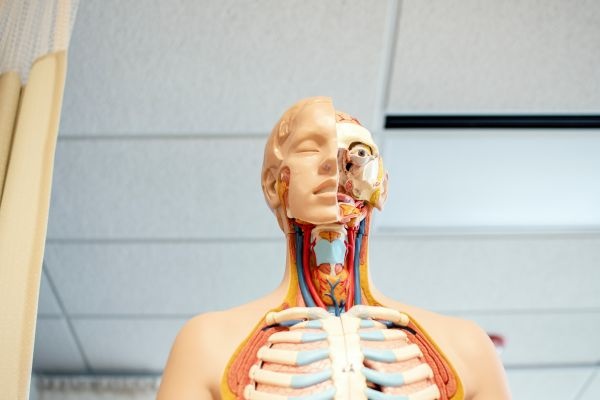
Complete infrastructure, with two sports gyms, a covered and heated semi-Olympic swimming pool, an official athletics track, two covered multi-sport courts, a sand court, a gym room, a dance room, a martial arts room, a table tennis room, a weight training gym, air-conditioned and computerized classrooms, and laboratories for anatomy, exercise physiology, physical assessment, and muscle strength assessment;
-
Opportunity to pursue lato sensu postgraduate studies, such as the multiprofessional residency with scholarships linked to the Federal Government, and stricto sensu postgraduate studies, with various research lines in master's and doctoral programs in Health Sciences, Education, and Public Health;
-
High approval rate in public teacher exams throughout the region;
-
High employability in the bachelor's field, with opportunities in sports, gyms, boxing, studios, public health systems, among others;
-
Encouragement to participate in community action events, congresses, seminars, courses, and internal and external meetings.
What will you learn?
The science of human body movement, contextualized by different fields of action such as games, sports, dance, schools, gyms, clubs, among other spaces, grounded in educational theories and the assessment, prescription, and monitoring of training for health and sports performance. To be a critical, creative, active, and committed individual who seeks to understand the political, social, and economic reality in the school context through a praxis that works on human values and ethics, based on bodily culture.
World of work
The training in the Physical Education program constantly engages with the job market, offering courses and content that prepare students for these environments. Currently, we have several alumni working in various places around the world. The initial training encompasses the preparation of Physical Education teachers at all levels of education, sports technicians (various), physical trainers, managers and coaches of gyms, and professionals to work in public health at all levels, among others.
Subjects
| Bachelor's Degree |
|---|
| (NCI)-FOUNDATIONAL LAB I: OUR PLACE AND THE FUTURE |
| (NCC)-HISTORY AND INTRODUCTION TO PHYSICAL EDUCATION |
| (NCC)-GYMNASTICS |
| (NCC)-SOCCER |
| (NCC)-GROWTH, HUMAN DEVELOPMENT, AND MOTOR SKILLS |
| (NCC)-RECREATION, CULTURE, AND LEISURE |
| (NCI)-FOUNDATIONAL LAB II |
| (NCC)-INTERNSHIP I |
| (NCC)-COMBAT SPORTS |
| (NCC)-BASKETBALL |
| (NCC)-RHYTHMIC ACTIVITY AND DANCE |
| (NCC)-HUMAN ANATOMY |
| (NCI)-FOUNDATIONAL LAB III |
| (NCC)-INTERNSHIP II |
| (NCC)-HANDBALL |
| (NCC)-VOLLEYBALL |
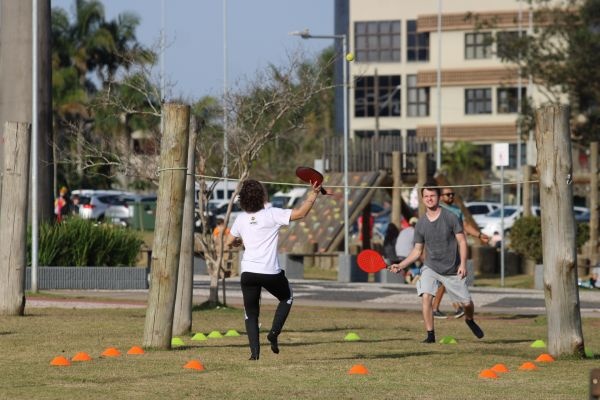
| (NCC)-RACQUET SPORTS |
| (NCC)-HUMAN PHYSIOLOGY I |
| (NCC)-PHYSICAL EDUCATION AND COMMUNITY EXTENSION |
| (NCC)-INTERNSHIP III |
| (NCC)-METHODOLOGY OF AQUATIC ACTIVITIES |
| (NCC)-HUMAN PHYSIOLOGY II |
| (NCC)-ATHLETICS |
| (NCC)-HEALTH PROMOTION |
| CINEANTHROPOMETRY |
| KINESIOLOGY AND BIOMECHANICS |
| PHYSIOLOGY AND BIOCHEMISTRY APPLIED TO EXERCISE |
| COMMUNITY INTERACTION I |
| PRACTICE AS A CURRICULAR COMPONENT I |
| INTERNSHIP IV |
| EXERCISE AND HEALTH I |
| PHYSICAL ASSESSMENT |
| INTERNSHIP V |
| COMMUNITY INTERACTION II |
| PRACTICE AS A CURRICULAR COMPONENT II |
| PHYSICAL CAPACITY AND PERFORMANCE |
| EXERCISE AND HEALTH II |
| PHYSICAL EDUCATION AND PUBLIC HEALTH |
| COMMUNITY INTERACTION III |
| PRACTICE AS A CURRICULAR COMPONENT III |
| INTERNSHIP VI |
| PHYSICAL EXERCISE AND DISEASES |
| SPORTS TRAINING |
| MANAGEMENT AND ENTREPRENEURSHIP IN PHYSICAL EDUCATION |
| PRACTICE AS A CURRICULAR COMPONENT IV |
| INTERNSHIP VII |
| Bachelor's Degree |
|---|
| (NCI)-FORMATIVE LAB I: OUR PLACE AND THE FUTURE |
| (NCC)-HISTORY AND INTRODUCTION TO PHYSICAL EDUCATION |
| (NCC)-GYMNASTICS |
| (NCC)-SOCCER |
| (NCC)-GROWTH, HUMAN AND MOTOR DEVELOPMENT |
| (NCC)-RECREATION, CULTURE AND LEISURE |
| (NCI)-FORMATIVE LAB II |
| (NCC)-INTERNSHIP I |
| (NCC)-COMBAT SPORTS |
| (NCC)-BASKETBALL |
| (NCC)-RHYTHMIC ACTIVITY AND DANCE |
| (NCC)-HUMAN ANATOMY |
| (NCI)-FORMATIVE LAB III |
| (NCC)-INTERNSHIP II |
| (NCC)-HANDBALL |
| (NCC)-VOLLEYBALL |
| (NCC)-RACQUET SPORTS |
| (NCC)-HUMAN PHYSIOLOGY I |
| (NCC)-PHYSICAL EDUCATION AND COMMUNITY EXTENSION |
| (NCC)-INTERNSHIP III |
| (NCC)-METHODOLOGY OF AQUATIC ACTIVITIES |
| (NCC)-HUMAN PHYSIOLOGY II |
| (NCC)-ATHLETICS |
| (NCC)-HEALTH PROMOTION |
| PHYSICAL EDUCATION TEACHING PRACTICES I: EARLY CHILDHOOD |
| METHODOLOGY OF TEACHING PHYSICAL EDUCATION I |
| PHYSICAL EDUCATION AND COMMUNITY I |
| INTEGRATIVE STUDIES I |
| INTERNSHIP IV |
| PHYSICAL EDUCATION TEACHING PRACTICES II: INITIAL YEARS OF ELEMENTARY EDUCATION |
| METHODOLOGY OF TEACHING PHYSICAL EDUCATION II |
| GAMES AND PLAY |
| INTEGRATIVE STUDIES II |
| PHYSICAL EDUCATION AND COMMUNITY II |
| INTERNSHIP V |
| PRACTICES IN PHYSICAL EDUCATION TEACHING III: FINAL YEARS OF ELEMENTARY SCHOOL |
| HUMAN DEVELOPMENT: CULTURE AND EDUCATION |
| VARIOUS SPORTS |
| INTERNSHIP VI |
| INTEGRATIVE STUDIES III |
| PHYSICAL EDUCATION AND COMMUNITY III |
| FUNDAMENTALS AND METHODOLOGY OF INCLUSIVE EDUCATION |
| PRACTICES IN PHYSICAL EDUCATION TEACHING IV: HIGH SCHOOL |
| POLICY, ORGANIZATION, AND MANAGEMENT OF BASIC EDUCATION |
| INTEGRATED STUDIES IV |
| INTERNSHIP VII |
Elective Courses
ACADEMIC WRITING
INCLUSION AND LIBRAS
LIFE AND HAPPINESS
Academic Exclusive
[title-dropdown]Thesis[/title-dropdown]
[content-dropdown]...
[/content-dropdown]
[title-dropdown]Library[/title-dropdown]
[content-dropdown]
The Central Library Prof. Eurico Back – UNESC, has the mission to "Promote quality information retrieval, focusing on the development of teaching, research, and extension activities, combining technology and humanized service."
With open access to the shelves, the Library is located in an area of 2,688.50 m². The service hours are from Monday to Friday, from 7:30 AM to 10:00 PM, and on Saturdays from 8:00 AM to 1:00 PM.
The collection of books, periodicals, and multimedia, as well as the services of technical processing, local database consultation, periodical registration, loan, renewal, return, and reservation are fully computerized by the PERGAMUM Program, which was developed by the Data Processing Center of PUC/Paraná - PUCPR. The location of the works is organized by author, title, subject, or keyword.
The Collection Development Policy of the Central Library aims to define and implement criteria for the development of collections and the updating of the collection.
The Library's collection consists of 82,668 titles and 167,836 volumes of books, has 63 subscriptions to periodicals, and provides access to over 100 databases through the CAPES Periodicals Portal and other publicly accessible databases. It has a subscription to Minha Biblioteca, a database with over 11,000 e-books, in addition to the UpToDate and RT-Online databases.
[/content-dropdown]
[title-dropdown]Periodicals and Databases[/title-dropdown]
[content-dropdown]
-
...
-
...
-
...
[/content-dropdown]
[title-dropdown]Internship[/title-dropdown]
[content-dropdown]
Access here the Internship website
[/content-dropdown]
Coordination
Meet the course coordinator:-
Joni Marcio de FariasCoordinator
Ratings Ranking

4
grade
Enade
4
grade
CC
WHAT IS IT LIKE TO STUDY HERE?
Step into the world of the course
Press play on the video