Course Overview
The Nursing undergraduate program at Unesc focuses on the Comprehensive Health Care approach, preparing qualified generalist professionals for care in various health care settings, from assistance to planning and management of services. The program is structured into ten phases that guide the subjects and academic practices.
Course Highlights
- Infrastructure: Complete laboratories for anatomy, physiology, biochemistry, histology, operative techniques, technical skills, computer science, and mixed reality;
- Internationalization: Exchange opportunities with universities in South America, Central America, and Europe through the International Relations Office;
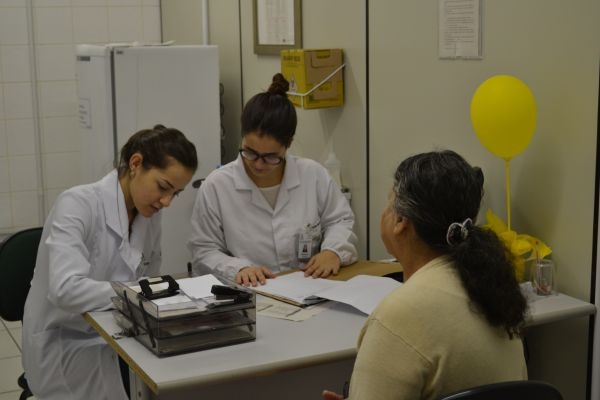
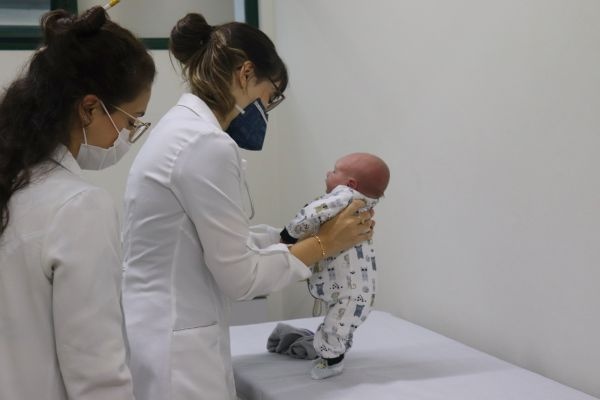
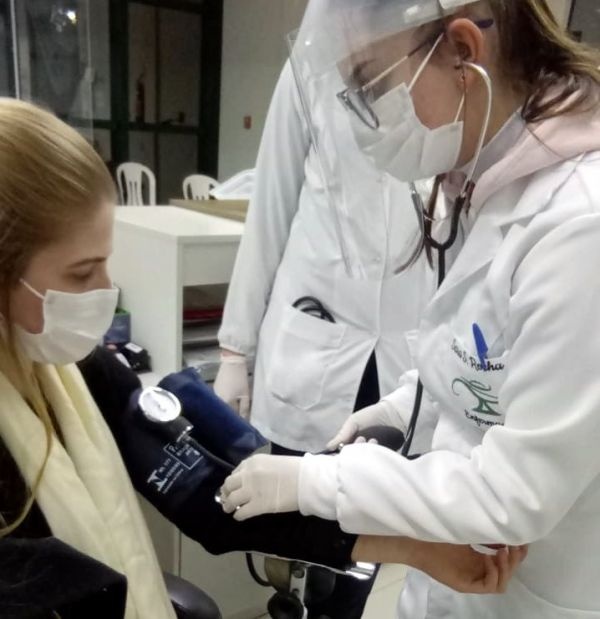
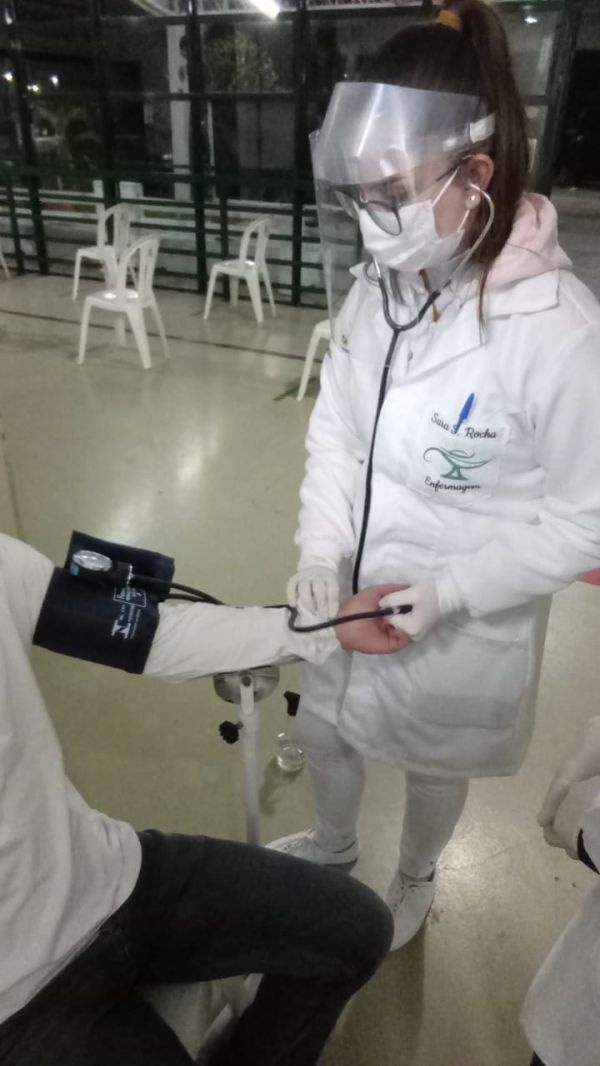
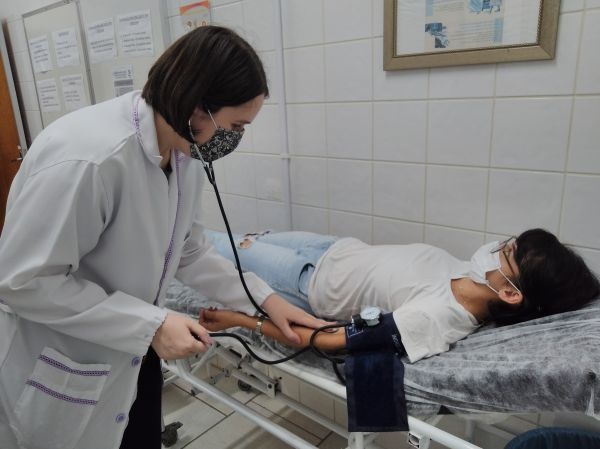
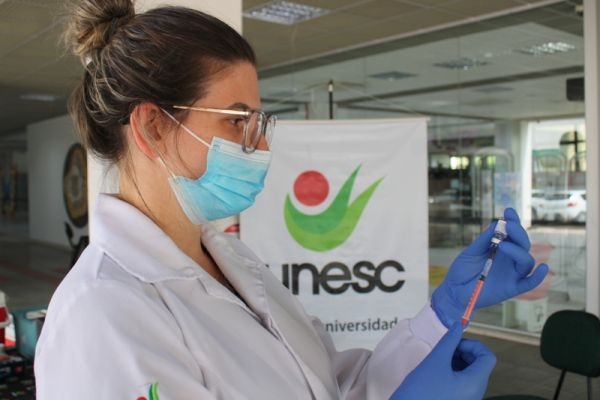
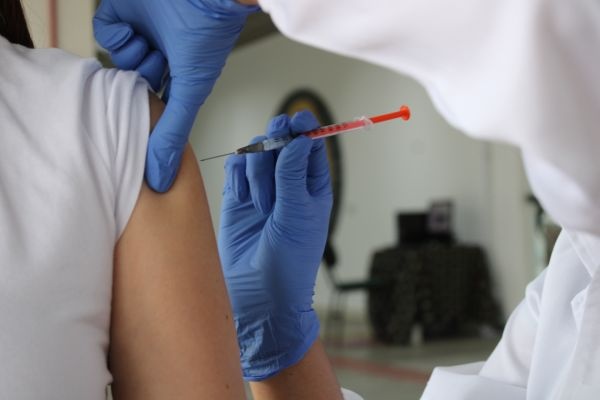
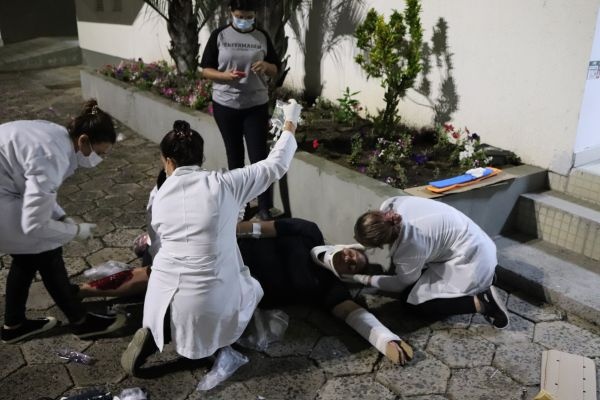
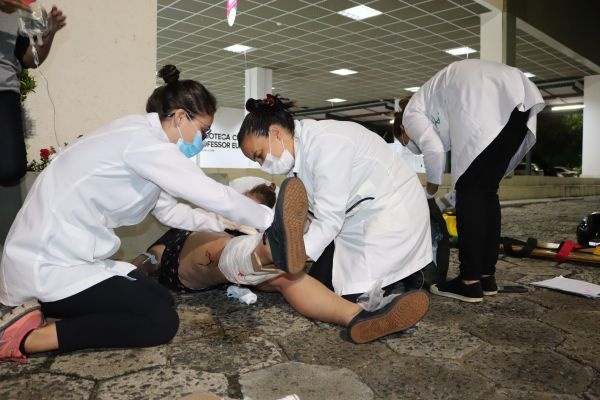
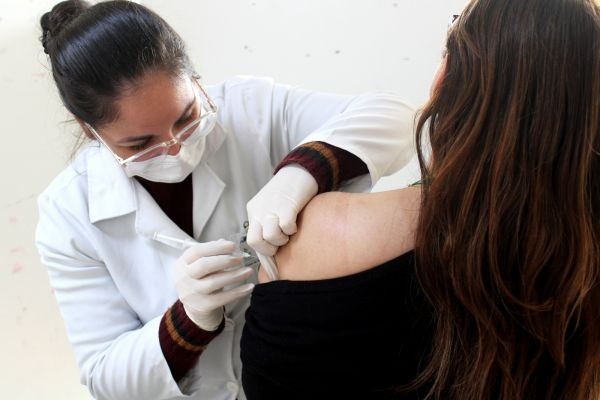
- School Clinic: A space where students carry out practical activities directly with patients, including nursing consultations for gynecological and breast cancer prevention, wound care, diabetes management, therapeutic groups, and immunizations;
- Special Programs: Includes projects such as PET Saúde and Multiprofessional Residency in partnership with the Ministry of Health, Ministry of Education, and Municipal Health System, offering scholarships for professional qualification;
- Faculty: Composed of master's and doctoral professors with extensive experience in their fields of expertise.
What will you learn?
The Bachelor of Nursing program equips you to understand the health-disease process and its determinants, acting in the prevention of health issues, promotion, maintenance, and recovery of health from the perspective of comprehensive care. You will be prepared to work in various health services, understand social health policies, and act with ethics and professional responsibility.
Job Market
Graduates of the Bachelor of Nursing program at Unesc have opportunities in areas such as Public Management, Entrepreneurship, Basic Health Units, Outpatient Clinics, Hospitals, Clinics, long-term care institutions, daycare centers, health education, technical and higher education in health, companies, pre-hospital care, consulting, auditing, research, home care, among others. The focus is to train professionals to work in health programs and services according to the principles of the SUS.
Subjects
| (Nca)-Human Anatomy |
| (Nca)-Health and Community |
| (Ncc)-Cytology and Histology |
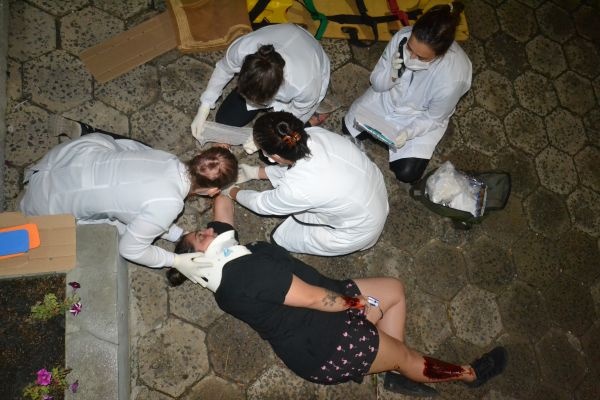
| (Ncc)-Basic Life Support and Biosafety |
| (Nci)-Formative Laboratory I |
| (Ncc)-Biochemistry |
| (Ncc)-Pathophysiology |
| (Ncc)-Educational Practices and Health Promotion |
| (Nci)-Formative Laboratory II |
| Comprehensive Care Process in Nursing I |
| (Nca)-Health Surveillance and Epidemiology |
| (Ncc)-Embryology and Genetics |
| (Ncc)-Microbiology, Parasitology and Immunology |
| (Nci)-Formative Laboratory III |
| Comprehensive Care Process in Nursing II |
| (Ncc)-Pharmacology |
| (Ncc)-Comprehensiveness and Humanization in Public Health |
| (Ncc)-Integrative and Complementary Practices in Health |
| Pathophysiology II |
| Comprehensive Care Process in Nursing III |
| Nutrition |
| (Ncc)-Planning and Management of Public Policies |
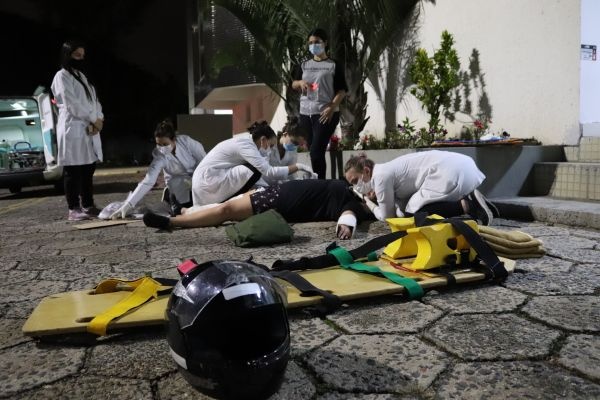
| Pre-Hospital Care |
| Comprehensive Care in the Collective Health Work Process |
| Comprehensive Care Process in Nursing IV |
| Comprehensiveness in the Collective Health Work Process |
| (Ncc)-Occupational Health |
| Comprehensive Care in Nursing for Hospitalized Adult Health |
| Comprehensive Care Process in Nursing for Hospitalized Adult Health |
| Comprehensive Care Process in Nursing V |
| (Ncc)-Bioethics and Patient Safety |
| Comprehensive Care in Nursing for Child and Adolescent Health |
| Comprehensive Care in Nursing for Women's Health, Obstetrics |
| Comprehensive Care Process in Nursing for Child and Adolescent Health |
| Comprehensive Care Process in Nursing for Women's Health, Obstetrics and Neonatology |
| Comprehensive Care Process in Nursing VI |
| (Nca)-Final Course Project I |
| Comprehensive Care in Nursing for Mental Health |
| Health Management |
| Comprehensiveness of the Care Process in Mental Health Nursing |
| Comprehensiveness of the Care Process in Nursing VII |
| Psychology Across Different Life Stages |
| Supervised Internship I: Health Management |
| Supervised Internship II: Hospital Care |
| Final Course Project II |
| Supervised Internship III: Primary Health Care |
| Supervised Internship IV: Health Care |
| Final Course Project III |
Electives
Physical Activity and Quality of Life
Nursing and Health Auditing
Afro-Brazilian and Indigenous Culture
Teaching Methodology and Didactics
Health Law
Advanced Epidemiological Studies
Radiological and Laboratory Exams
Technical English for Reading Articles
Introduction to the Study of Libras
Quantitative Research in Health and Nursing
Text Production and Interpretation
Psychopharmacology
Health and Environmental Education
Advanced Topics in Health Education
Immunizations
Academic Exclusive
Complementary Activities
Complementary Activities, or AC, are mandatory teaching, research, and extension actions, with a defined workload in your course's curriculum, to be developed by you, student, during your educational journey, realized through academic, scientific, cultural, sports, artistic, and technological innovation activities.
The purpose of Complementary Activities is to provide flexibility in the course curriculum and to offer you, the student, the opportunity for thematic and interdisciplinary deepening beyond the subjects, programs, and projects that make up the pedagogical project of the course, adding value to your academic training.
The purpose of Complementary Activities is to provide flexibility in the course curriculum and to offer you, the student, the opportunity for thematic and interdisciplinary deepening beyond the subjects, programs, and projects that make up the pedagogical project of the course, adding value to your academic training.
Integrated Clinics
The Integrated Clinics at Unesc have the mission of Assistance, Teaching, and Research in the field of Health Sciences. This mission is carried out through various services offered to the community, including nursing, pharmacy, physiotherapy, medicine, nutrition, dentistry, psychology, and SOS services.
Access here the website of the Integrated Health Clinics.
Final Paper (TCC)
Library
The Central Library Prof. Eurico Back – UNESC, has the mission to “Promote quality information retrieval, focusing on the development of teaching, research, and extension activities, combining technology and humanized service.”
With free access to the shelves, the Library is located in an area of 2,688.50 m². The service hours are from Monday to Friday, from 7:30 AM to 10:00 PM, and on Saturdays from 8:00 AM to 1:00 PM.
The collection of books, periodicals, and multimedia, as well as the services of technical processing, local database consultation, periodical registration, loan, renewal, return, and reservation are fully computerized by the PERGAMUM Program, which was developed by the Data Processing Center of PUC/Paraná - PUCPR. The location of the works is organized by author, title, subject, or keyword.
The Collection Development Policy of the Central Library aims to define and implement criteria for the development of collections and the updating of the collection.
The Library's collection consists of 82,668 titles and 167,836 volumes of books, has 63 subscriptions to periodicals, and access to over 100 databases through the CAPES Periodicals Portal and other publicly accessible databases. It has a subscription to Minha Biblioteca, a database with over 11,000 e-books, in addition to the UpToDate and RT-Online databases.
Internship
Access here the Internship website
Coordination
Meet the course coordinators:-
Valdemira Santina DagostinCoordinator
-
Ioná Vieira Bez BiroloDeputy Coordinator
Ratings Ranking

3
grade
CPC
4
grade
CC
WHAT IS IT LIKE TO STUDY HERE?
Step into the world of the course
Press play on the video