Course Overview
The undergraduate program in Environmental and Sanitary Engineering at Unesc aims to train professionals capable of acting in the preservation of natural resources and the protection of health, aiming to reduce the environmental impacts caused by human activities. The program encompasses essential technological, environmental, economic, and social knowledge for a comprehensive education.
Differentials
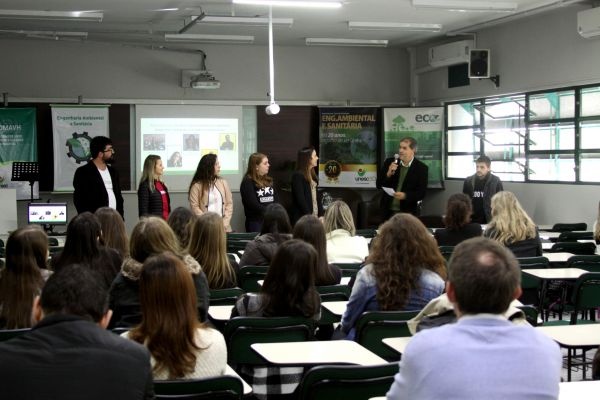
- Physical Structure and Laboratories: Excellent physical structure with fully equipped laboratories that allow for the integration of theory and practice from the early semesters;
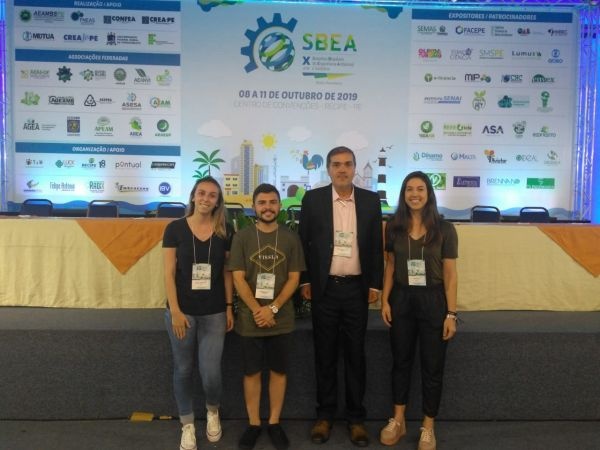
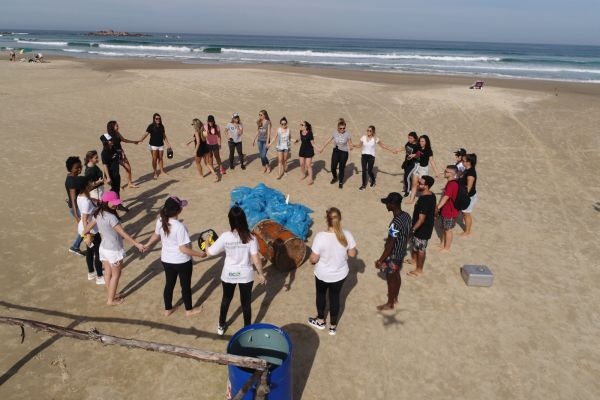
- Extension and Research Projects: Active participation in extension projects, research, and junior enterprise, involving students and professors in scientific events and strengthening ties with the community;
- Entrepreneurship: Encouragement of entrepreneurial spirit through real consulting situations and support for the development of new leaders;
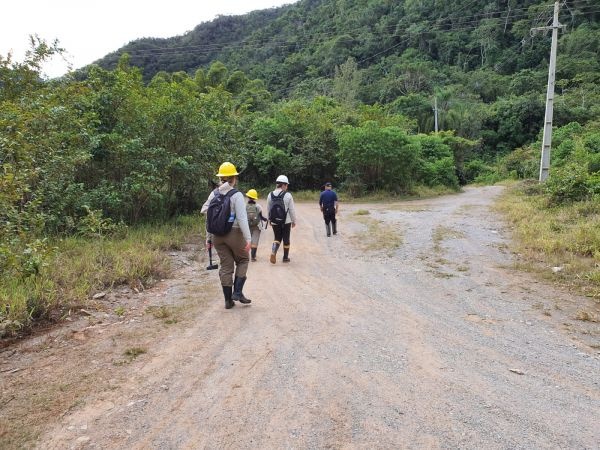
- Technical Visits: Opportunities for technical visits that provide students with a closer connection between theoretical content and professional practice, facilitating the retention of learning;
- International and Local Partnerships: Strategic partnerships with companies, hospitals, city halls, environmental foundations, industries, and international universities such as Ca’Foscari University of Venice (Italy), Universidad Científica Del Sur (Peru), and University of Santiago de Compostela (Spain). Additionally, collaboration with the University’s Technological Park (I-PARQUE) for mandatory and non-mandatory internships.
What will you learn?
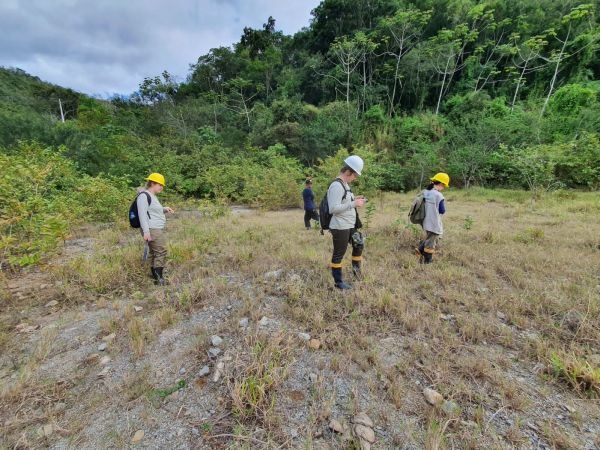
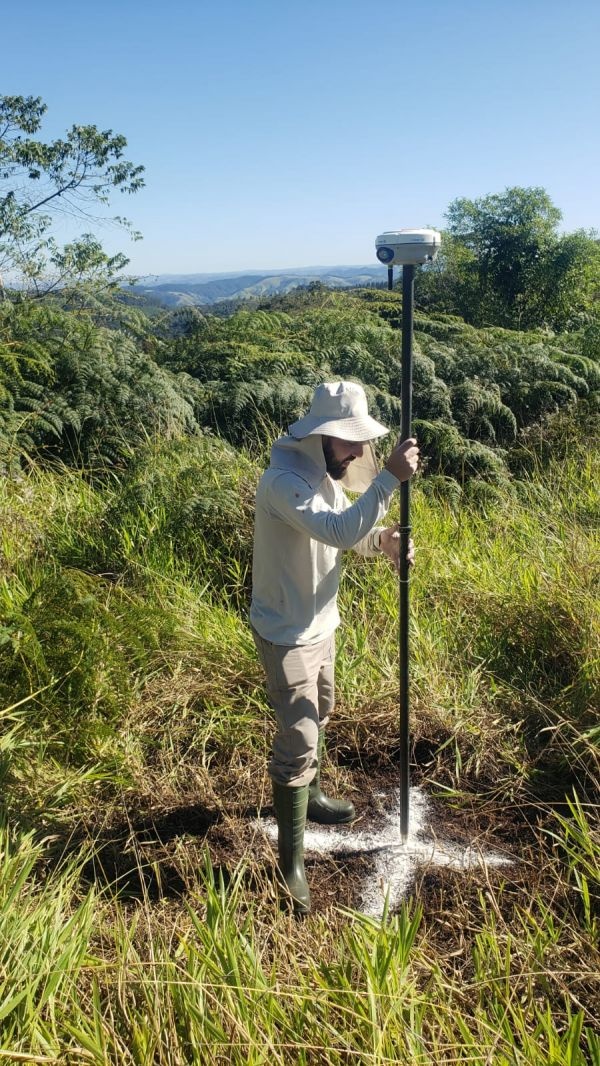
In the Bachelor’s program in Environmental and Sanitary Engineering, you will be trained to advise and implement solutions for complex environmental problems. The program emphasizes the practical application of acquired knowledge through technical visits, laboratory practical classes, case studies, applied research, project development, and monitoring of environmental and sanitation infrastructure works.
Specific content includes environmental planning and management, air, water, and soil pollution control, water and sewage treatment, rehabilitation of degraded areas, solid waste management, urban drainage, environmental auditing and expertise, among others.
Job Market
Graduates in Environmental and Sanitary Engineering from Unesc have broad opportunities in both the public and private sectors. Areas of work include pollution control, sanitation, environmental planning and management, rehabilitation of degraded areas, water resources, renewable energies, geoprocessing, environmental education, biotechnology, among other emerging areas of environmental engineering.
Subjects
[dropdown-title]Matrix 6[/dropdown-title]
[dropdown-content]
[title-dropdown]Matrix 5[/title-dropdown]
[content-dropdown]
| INTRODUCTION TO ENVIRONMENTAL AND SANITARY ENGINEERING |
| EXPERIMENTAL CHEMISTRY |
| ECOLOGY |
| ALGEBRA |
| MATHEMATICAL FOUNDATIONS |
| GENERAL CHEMISTRY |
| SCIENTIFIC METHODOLOGY AND RESEARCH |
| TOPOGRAPHY |
| CLIMATOLOGY |
| EXPERIMENTAL PHYSICS |
| ORGANIC CHEMISTRY |
| CALCULUS I |
| PHYSICS I |
| STATISTICS |
| CALCULUS II |
| PHYSICS II |
| TECHNICAL DRAWING |
| HYDROLOGY |
| GEOLOGY AND SOIL SCIENCE |
| CONSTRUCTION MATERIALS |
| CALCULUS III |
| PHYSICS III |
| CARTOGRAPHY AND GLOBAL NAVIGATION SATELLITE SYSTEMS |
| ENVIRONMENTAL HEALTH |
| ENVIRONMENTAL LAW |
| ENVIRONMENTAL MICROBIOLOGY |
| MATERIALS STRENGTH |
| ENVIRONMENTAL HYDROGEOLOGY |
| PHYSICS IV |
| WATER QUALITY INDICATORS |
| ENVIRONMENTAL IMPACT ASSESSMENT |
| TRANSPORT PHENOMENA IN ENGINEERING |
| GEOTECHNICS |
| GEOGRAPHIC INFORMATION SYSTEMS AND REMOTE SENSING |
| CONCRETE, STEEL, AND WOOD STRUCTURES |
| PHYSICAL-CHEMICAL TREATMENT OF WATER AND EFFLUENTS |
| ENVIRONMENTAL BIOCHEMISTRY |
| RECOVERY OF DEGRADED AREAS |
| PUBLIC ENVIRONMENTAL PLANNING AND MANAGEMENT |
| HYDRAULICS |
| SOLID WASTE MANAGEMENT AND TREATMENT |
| ELECTIVE I |
| ENERGY AND THE ENVIRONMENT |
| AIR POLLUTION CONTROL |
| DESIGN OF WATER SUPPLY AND INDUSTRIAL EFFLUENT TREATMENT SYSTEMS |
| SANITARY EFFLUENT TREATMENT |
| ENVIRONMENTAL RISK ANALYSIS |
| PROGRAMMING |
| URBAN DRAINAGE SYSTEMS |
| MATHEMATICAL MODELING OF ENVIRONMENTAL SYSTEMS |
| DESIGN OF SANITARY EFFLUENT TREATMENT SYSTEMS |
| WATER SUPPLY SYSTEMS |
| INTEGRATED ENVIRONMENTAL MANAGEMENT |
| ECONOMICS FOR ENGINEERING |
| NATURAL RESOURCES MANAGEMENT |
| ELECTIVE II |
| ENVIRONMENTAL LICENSING |
| ENVIRONMENTAL AND PROFESSIONAL ETHICS |
| HYDRAULIC AND BUILDING INSTALLATIONS |
| ENVIRONMENTAL AUDITING AND FORENSICS |
| SOCIOLOGY |
| SANITARY SEWAGE SYSTEMS |
| THESIS - FINAL COURSE PROJECT I |
| WORKPLACE SAFETY AND HYGIENE |
| SUPERVISED INTERNSHIP |
| THESIS - FINAL COURSE PROJECT II |
[title-dropdown]Electives[/title-dropdown]
[content-dropdown]
| EDUCATIONAL PROCESSES IN ENVIRONMENTAL AND SANITARY ENGINEERING |
| APPLIED BIOTECHNOLOGY |
| ARCHAEOLOGY IN ENGINEERING PROJECTS |
| CULTURE, SOCIETY, AND THE ENVIRONMENT |
| FOUNDATIONS AND EARTHWORKS |
| CLEANER PRODUCTION PROJECT |
| ENVIRONMENTAL TOXICOLOGY |
| SOIL CONSERVATION AND MANAGEMENT |
| INDUSTRIAL ORGANIZATION |
| COASTAL ENVIRONMENT MANAGEMENT |
| INTRODUCTION TO LIBRAS STUDY |
| CIVIL ENGINEERING |
| ROADS |
| ENTREPRENEURSHIP |
| HYDRAULIC WORKS |
| MANAGEMENT AND TREATMENT OF INDUSTRIAL SOLID WASTES |
| MINING AND THE ENVIRONMENT |
[/content-dropdown]
[/content-dropdown]
Academic Exclusive
Complementary Activities
Complementary Activities, or AC, are mandatory teaching, research, and extension actions, with a defined workload in your course's curriculum, to be developed by you, student, during your educational journey, realized through academic, scientific, cultural, sports, artistic, and technological innovation activities.
The purpose of Complementary Activities is to provide flexibility in the course curriculum and to offer you, the student, the opportunity for thematic and interdisciplinary deepening beyond the subjects, programs, and projects that make up the pedagogical project of the course, adding value to your academic training.
The purpose of Complementary Activities is to provide flexibility in the course curriculum and to offer you, the student, the opportunity for thematic and interdisciplinary deepening beyond the subjects, programs, and projects that make up the pedagogical project of the course, adding value to your academic training.
Final Project
...
Library
The Central Library Prof. Eurico Back – UNESC, has the mission to "Promote quality information retrieval, focusing on the development of teaching, research, and extension activities, associating technology and humanized service."
With free access to the shelves, the Library is located in an area of 2,688.50 m². The service hours are from Monday to Friday, from 7:30 AM to 10:00 PM, and on Saturdays from 8:00 AM to 1:00 PM.
The collection of books, periodicals, and multimedia, as well as the services of technical processing, consultation of the local database, registration of periodicals, loan, renewal, return, and reservation are fully computerized by the PERGAMUM Program, which was developed by the Data Processing Center of PUC/Paraná - PUCPR. The location of the works is organized by author, title, subject, or keyword.
The Collection Development Policy of the Central Library aims to define and implement criteria for the development of collections and the updating of the collection.
The Library's collection consists of 82,668 titles and 167,836 volumes of books, has 63 subscriptions to periodicals, and provides access to over 100 databases through the CAPES Periodicals Portal and other publicly accessible databases. It has a subscription to Minha Biblioteca, a database with over 11,000 e-books, in addition to the UpToDate and RT-Online databases.
Periodicals and Databases
-
...
-
...
-
...
Internship
Access here the Internship website
Coordination
Meet the course coordinators:-
Paula Tramontim PaveiCoordinator
-
Marta Valéria Guimarães de Souza HoffmanDeputy Coordinator
Ratings Ranking

4
grade
CPC
4
grade
CC
WHAT IS IT LIKE TO STUDY HERE?
Step into the world of the course
Press play on the video