Course Presentation
The Civil Engineering undergraduate program at Unesc offers a highly flexible curriculum, preparing future professionals to work in any area of interest within engineering. Graduates of the program receive a comprehensive education, equipping them to develop, evaluate, execute, and manage projects in various fields of Civil Engineering.
Differentials
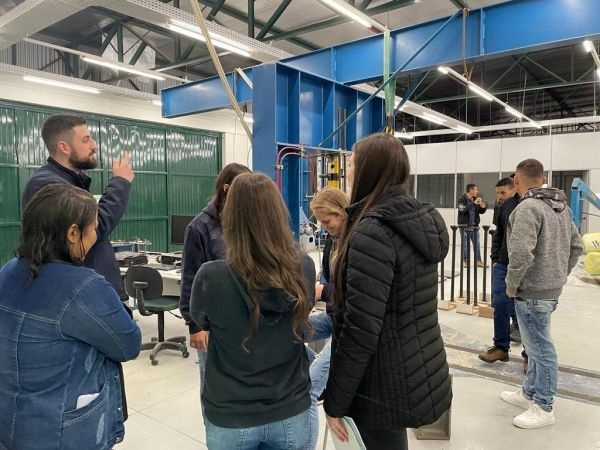
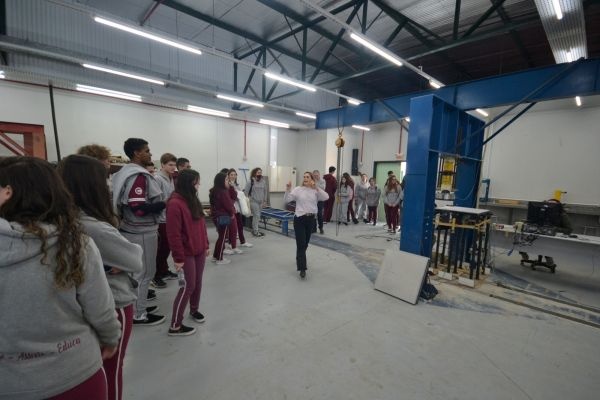
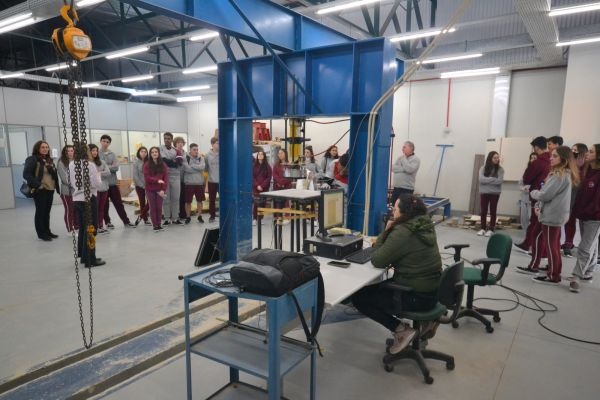
- Infrastructure: Construction Materials, Physics, Chemistry, and Soil laboratories, providing a conducive environment for practical learning;
- Ethical and Professional Training: Emphasis on developing a solid ethical-professional sense, with mastery of fundamental concepts that are essential for responsible and independent professional practice;
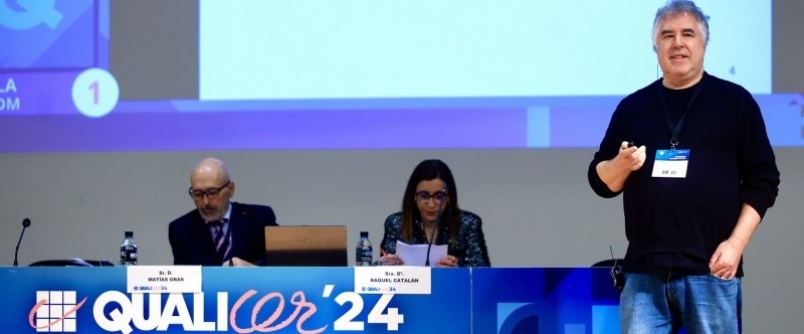
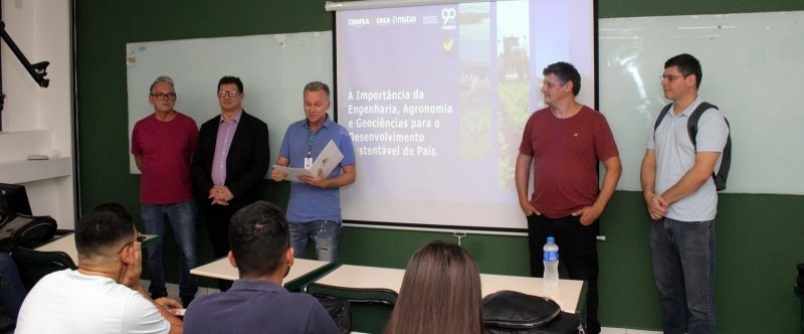
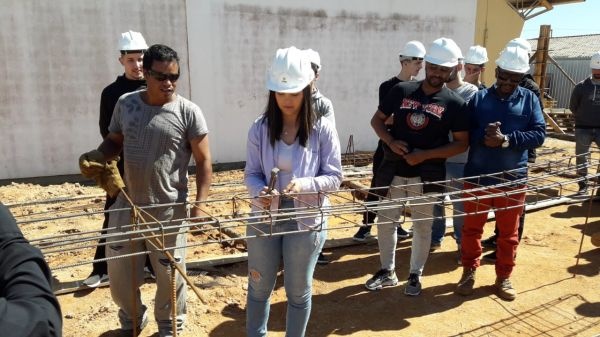
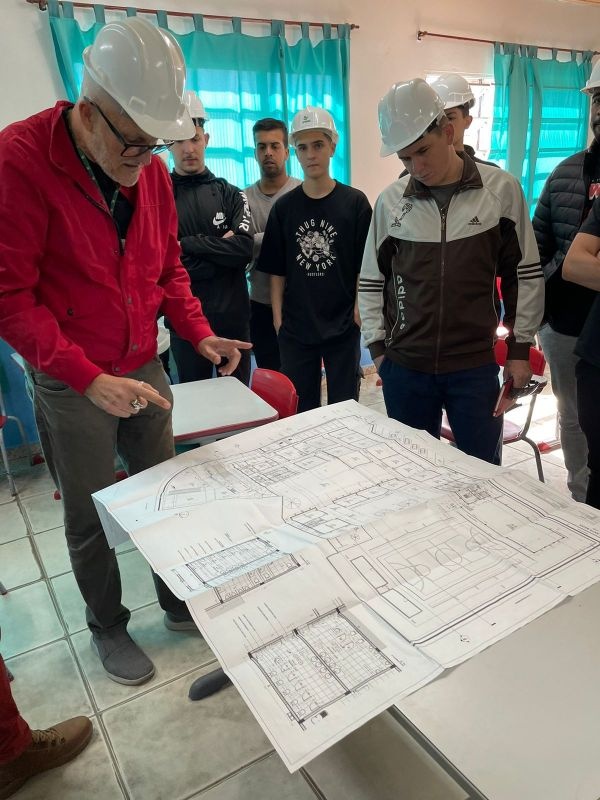
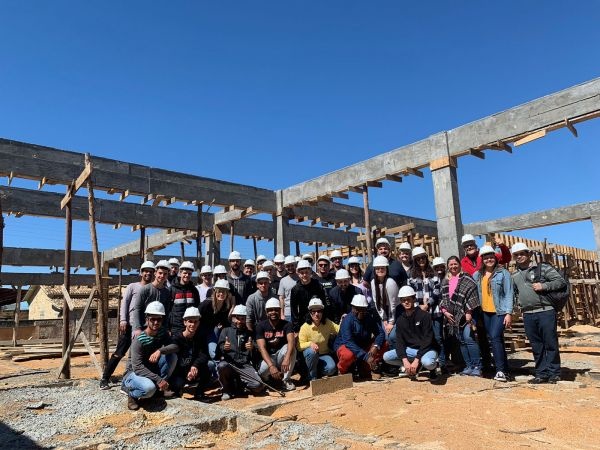
- Academic and Scientific Activities: Participation in congresses, academic weeks, lectures, forums, field visits, courses, symposiums, and meetings that enrich students' academic experience;
- Qualified Faculty: Professors with doctoral, master's, and specialist degrees, possessing extensive practical and academic experience in the field of Civil Engineering.
What will you learn?
The Bachelor’s degree in Civil Engineering from Unesc prepares you to meet the demands of the current job market. Throughout the program, you will learn to develop, evaluate, execute, and manage projects in various areas of Civil Engineering, always prioritizing common well-being and sustainability.
Additionally, you will be encouraged to build a solid foundation with mastery of fundamental concepts that support your professional development, with an emphasis on ethics and professional responsibility.
Job Market
Graduates in Civil Engineering from Unesc have various opportunities in the job market. Areas of work include development and specification of civil works projects, supervision and planning of construction, project advisory and consultancy, road projects, surveying, water supply and sanitation, geotechnics, technical evaluations, expert assessments, and research with new technologies.
Civil engineers can work in public and private companies or as freelancers, with civil engineering being one of the sectors that employs the most at the national level.
Subjects
[dropdown-title]Matrix 5[/dropdown-title]
[dropdown-content]
Matrix 4
Electives
GEOGRAPHIC INFORMATION SYSTEMS
BRIDGES
STRUCTURAL MASONRY
LIBRAS
POST-TENSIONED CONCRETE
INSTRUMENTAL ENGLISH
THERMAL AND ACOUSTIC COMFORT
DAM
Academic Exclusive
Complementary Activities
Complementary Activities, or AC, are mandatory teaching, research, and extension actions, with a defined workload in your course's curriculum, to be developed by you, student, during your educational journey, realized through academic, scientific, cultural, sports, artistic, and technological innovation activities.
The purpose of Complementary Activities is to provide flexibility in the course curriculum and to offer you, the student, the opportunity for thematic and interdisciplinary deepening beyond the subjects, programs, and projects that make up the pedagogical project of the course, adding value to your academic training.
The purpose of Complementary Activities is to provide flexibility in the course curriculum and to offer you, the student, the opportunity for thematic and interdisciplinary deepening beyond the subjects, programs, and projects that make up the pedagogical project of the course, adding value to your academic training.
Final Paper
...
Library
The Central Library Prof. Eurico Back – UNESC, has the mission to "Promote quality information retrieval, focusing on the development of teaching, research, and extension activities, associating technology and humanized service."
With free access to the shelves, the Library is located in an area of 2,688.50 m². The service hours are from Monday to Friday, from 7:30 AM to 10:00 PM, and on Saturdays from 8:00 AM to 1:00 PM.
The collection of books, periodicals, and multimedia, as well as the services of technical processing, consultation of the local database, registration of periodicals, loan, renewal, return, and reservation are fully computerized by the PERGAMUM Program, which was developed by the Data Processing Center of PUC/Paraná - PUCPR. The location of the works is organized by author, title, subject, or keyword.
The Collection Development Policy of the Central Library aims to define and implement criteria for the development of collections and the updating of the collection.
The Library's collection consists of 82,668 titles and 167,836 volumes of books, has 63 subscriptions to periodicals, and provides access to over 100 databases through the CAPES Periodicals Portal and other publicly accessible databases. It has a subscription to Minha Biblioteca, a database with over 11,000 e-books, in addition to the UpToDate and RT-Online databases.
Periodicals and Databases
-
...
-
...
-
...
Internship
Access here the Internship website
Contact us
Secretary: Gissele Tavares
Coordination service hours: from 12:30 PM to 4:30 PM and from 5:30 PM to 9:30 PM
Coordination
Meet the course coordinators:-
Augusto WanderlindCoordinator
-
Evelise Chemale ZancanDeputy Coordinator
Ratings Ranking

3
grade
CPC
4
grade
CC
WHAT IS IT LIKE TO STUDY HERE?
Step into the world of the course
Press play on the video