Course Overview
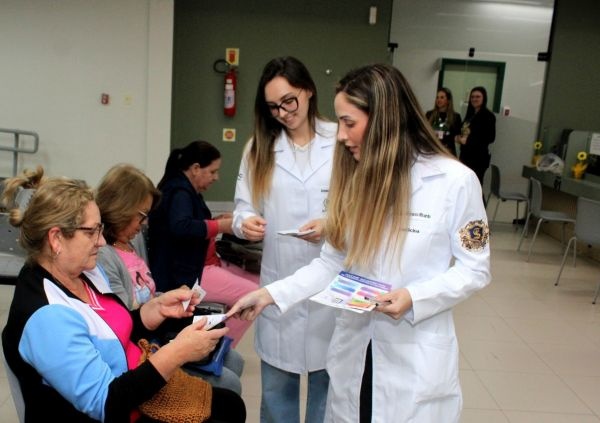
The Medicine undergraduate program at Unesc has been training medical professionals for over 23 years, with excellence in quality. The course is conducted entirely on the University campus, where students can combine theory and practice in the model structure that Unesc offers. Its faculty is highly qualified, with professors, masters, and doctors participating in research projects at major research and health centers around the world.
Differentials
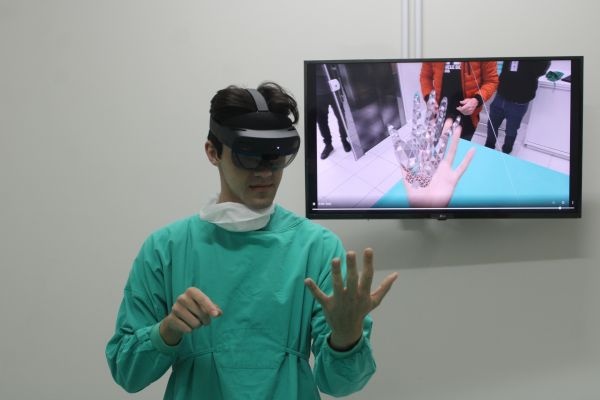
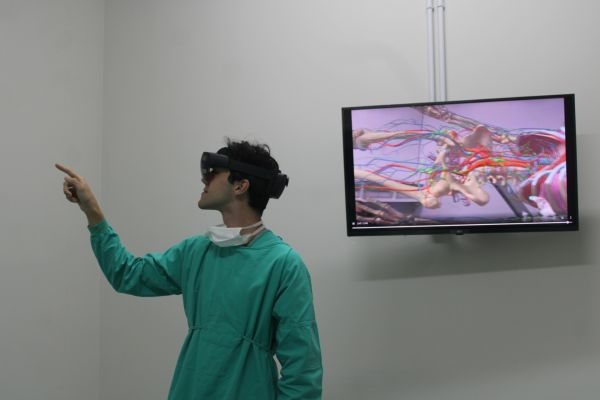
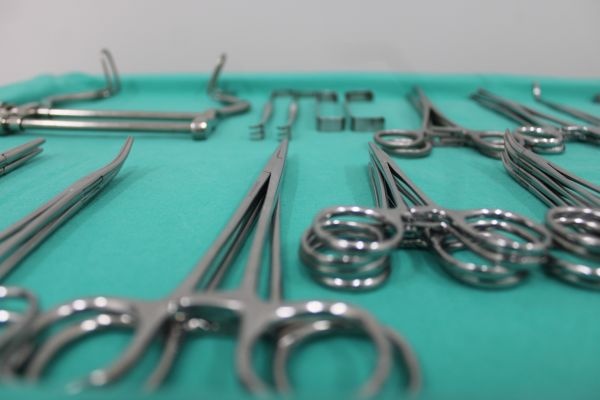
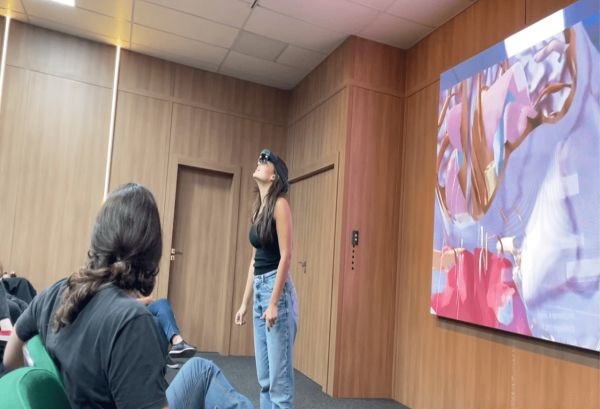
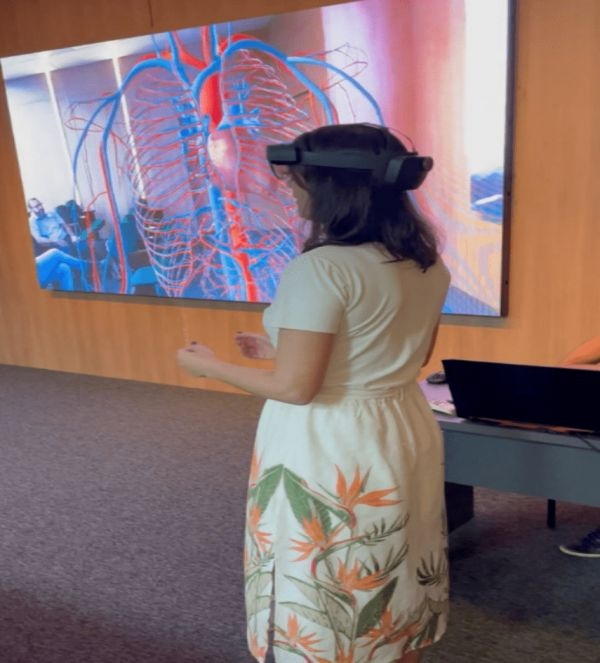
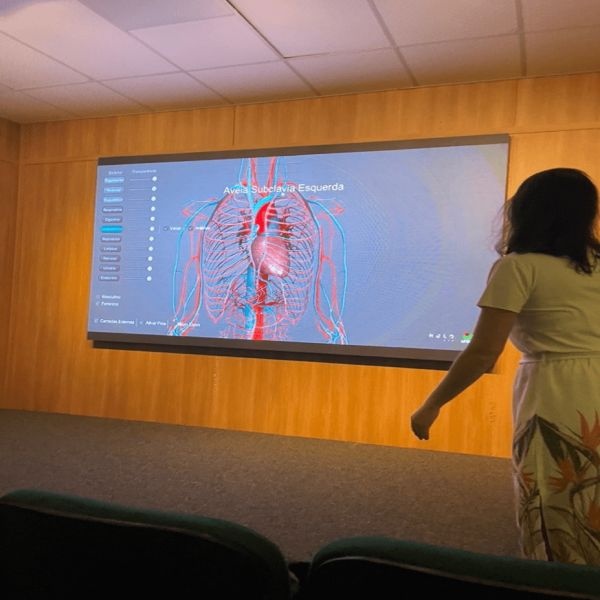
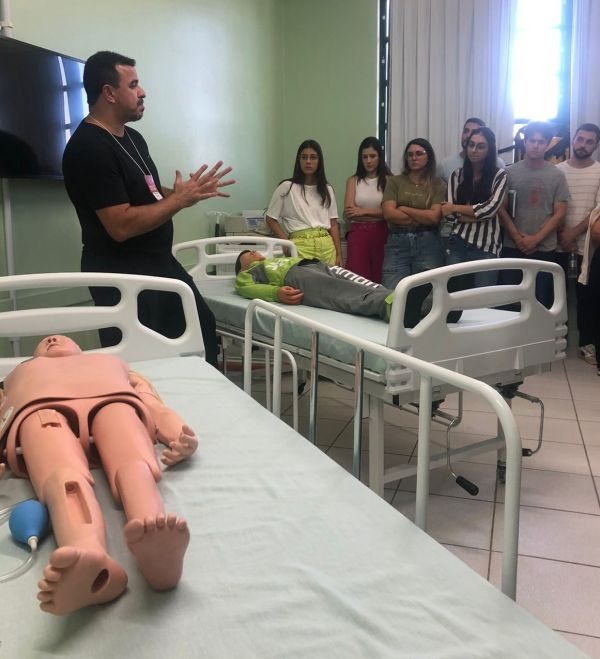
- Spaces designed to provide high realism and quality practical experiences;
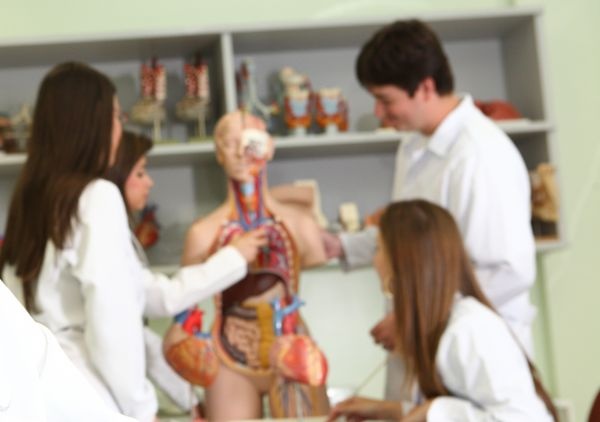
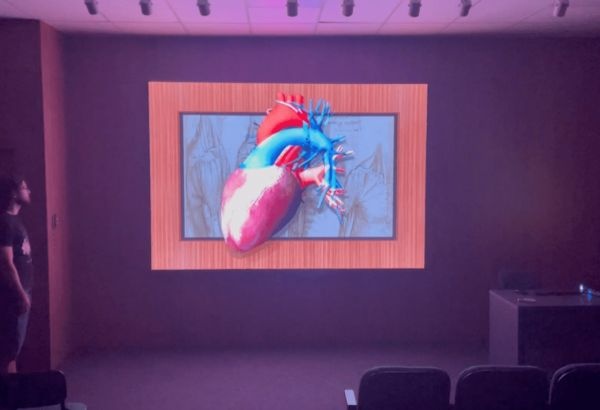
- Anatomy, physiology, microbiology, pharmacology, and medical skills laboratories recognized in Brazil and worldwide;
- Outstanding evaluation from CFM (Federal Council of Medicine) and Abem (Brazilian Association of Medical Education);
- Participation in extension projects that allow students to experience practices alongside the community;
- Partnerships with various hospitals and institutions that offer internships to students both in Brazil and abroad.
What will you learn?
The Medicine program enables students to engage in teaching, research, and extension activities, including a wide variety of opportunities. From the very first phase, students are placed in local health units, where they have their first contact with the daily life of the profession.
On campus, the Integrated Clinics serve as an additional source of deepening education, with practical classes that develop the human side of the profession, serving approximately over 50,000 people every semester.
Job Market
The more than one thousand medical professionals trained by Unesc are now involved in various fields of Medicine, working as independent professionals, teachers, researchers, or members of the clinical staff in public medical services and private health organizations.

Academic Exclusive
Integrated Clinics
The Integrated Clinics at Unesc are dedicated to Assistance, Teaching, and Research in the field of Health Sciences. This mission is carried out through various services offered to the community, including nursing, pharmacy, physiotherapy, medicine, nutrition, dentistry, psychology, and emergency services.
Access here the website of the Integrated Health Clinics.
Thesis
...
Library
The Central Library Prof. Eurico Back – UNESC aims to “Promote quality information retrieval, focusing on the development of teaching, research, and extension activities, combining technology and humanized service.”
With open access to the shelves, the Library is located in an area of 2,688.50 m². The service hours are from Monday to Friday, from 7:30 AM to 10:00 PM, and on Saturdays from 8:00 AM to 1:00 PM.
The collection of books, periodicals, and multimedia, as well as the services of technical processing, local database consultation, periodical registration, loan, renewal, return, and reservation are fully computerized through the PERGAMUM Program, which was developed by the Data Processing Center of PUC/Paraná - PUCPR. The location of the works is organized by author, title, subject, or keyword.
The Collection Development Policy of the Central Library aims to define and implement criteria for the development of collections and the updating of the collection.
The Library's collection consists of 82,668 titles and 167,836 volumes of books, has 63 subscriptions to periodicals, and provides access to over 100 databases through the CAPES Periodicals Portal and other publicly accessible databases. It includes a subscription to Minha Biblioteca, a database with over 11,000 e-books, in addition to the UpToDate and RT-Online databases.
Periodicals and Databases
-
...
-
...
-
...
Internship
Access here the Internship website
Subjects
| ELECTIVE COURSE I |
| MEDICAL SKILLS I |
| COMMUNITY INTERACTION I |
| SCIENTIFIC METHODOLOGY AND RESEARCH |
| MODULE I: RESPIRATORY PHYSIOLOGY |
| MODULE II: CARDIOVASCULAR PHYSIOLOGY |
| MODULE III: GASTROINTESTINAL PHYSIOLOGY |
| ELECTIVE COURSE II |
| MEDICAL SKILLS II |
| COMMUNITY INTERACTION II |
| MODULE IV: DIGESTIVE TRACT, RENAL AND GENITOURINARY SYSTEM |
| MODULE V: ENVIRONMENT, HEMATOPOIETIC SYSTEM AND MUSCULOSKELETAL SYSTEM |
| MODULE VI: NERVOUS SYSTEM AND SENSE ORGANS |
| HEALTH SOCIOLOGY |
| ELECTIVE COURSE III |
| MEDICAL SKILLS III |
| COMMUNITY INTERACTION III |
| MODULE VII: PATHOPHYSIOLOGY OF THE RESPIRATORY SYSTEM |
| MODULE VIII: PATHOPHYSIOLOGY OF THE CARDIAC SYSTEM |
| MODULE IX: PATHOPHYSIOLOGY OF THE GASTROINTESTINAL SYSTEM |
| ELECTIVE COURSE IV |
| MEDICAL SKILLS IV |
| COMMUNITY INTERACTION IV |
| MODULE X: NEPHROLOGY |
| MODULE XI: MALE UROLOGY AND HEMATOLOGY |
| MODULE XII: NEUROLOGY |
| ELECTIVE COURSE V |
| MEDICAL SKILLS V |
| COMMUNITY INTERACTION V |
| MODULE XIII: OBSTETRICS |
| MODULE XIV: PERINATOLOGY, NEONATOLOGY AND PEDIATRICS |
| MODULE XV: PEDIATRICS AND ADOLESCENCE |
| ELECTIVE COURSE VI |
| MEDICAL SKILLS VI |
| COMMUNITY INTERACTION VI |
| MODULE XVI: FOUNDATIONS OF GYNECOLOGY |
| MODULE XVII: GERIATRICS AND RELATED PATHOLOGIES |
| MODULE XVIII: NEURODEGENERATIVE DISEASES AND ONCOLOGY |
| FINAL COURSE WORK I - TCC |
| ELECTIVE COURSE VII |
| MEDICAL SKILLS VII |
| COMMUNITY INTERACTION VII |
| MODULE XIX: CLINICAL REASONING AND DIFFERENTIAL DIAGNOSIS I |
| MODULE XX: CLINICAL REASONING AND DIFFERENTIAL DIAGNOSIS II |
| MODULE XXI: CLINICAL REASONING AND DIFFERENTIAL DIAGNOSIS III |
| FINAL COURSE WORK II - TCC |
| ELECTIVE COURSE VIII |
| MEDICAL SKILLS VIII |
| COMMUNITY INTERACTION VIII |
| MODULE XXII: CLINICAL REASONING AND MEDICAL DECISION I |
| MODULE XXIII: CLINICAL REASONING AND MEDICAL DECISION II |
| MODULE XXIV: CLINICAL REASONING AND MEDICAL DECISION III |
| FINAL COURSE WORK III - TCC |
| MODULE XXV: MEDICAL INTERNSHIP I |
| MODULE XXVI: MEDICAL INTERNSHIP II |
| MODULE XXVII: MEDICAL INTERNSHIP III |
| MODULE XXVIII: MEDICAL INTERNSHIP IV |
Electives
Trauma Surgery
Pediatric Surgery
Imaging and Diagnostic Imaging
Infectious Diseases
Introduction to the Study of Libras
Emergency Medicine I
Emergency Medicine II
Emergency Medicine III
Emergency Medicine IV
Occupational Medicine
Nutritional Medicine
Nursing Practice
Medical Psychology
Doctor-Patient Relationship
Health Administration
Anesthesiology
Afro-Brazilian and Indigenous Culture (Common Core Unasau)
English I
English II
Basic Principles of Plastic Surgery
Health and Environmental Education (Unasau Common Core)
Human Sexuality
Surgical Techniques
Family and Brazilian Popular Culture
Fundamentals of Hebiatry
Management of Medical Offices and Clinics
Health Education Methodology
Integrative and Complementary Practices in SUS
Aesthetic Procedures in Medicine
Interpersonal Relations and Leadership
Advanced Topics in Medicine I, II, and III
Coordination
Meet the course coordinators:-
Marcelo Brum VinhasCoordenador
-
Cassiano Ferroni TonialCoordenador Adjunto
Ratings Ranking

grade
CPC
5
grade
CC
WHAT IS IT LIKE TO STUDY HERE?
Step into the world of the course
Press play on the video
_.jpg)