About the residency
Family and Community Medicine (FCM) is a medical specialty that provides continuous, comprehensive, and holistic health care. Its focus is on outpatient and home care for individuals and families, with guidance for the community. Specialists in this field care for people of all ages and genders, without restrictions. In other words, they care for human beings throughout their entire life cycle. They work preventively and resolutively, being able to address 75% to 85% of the problems presented by individuals.
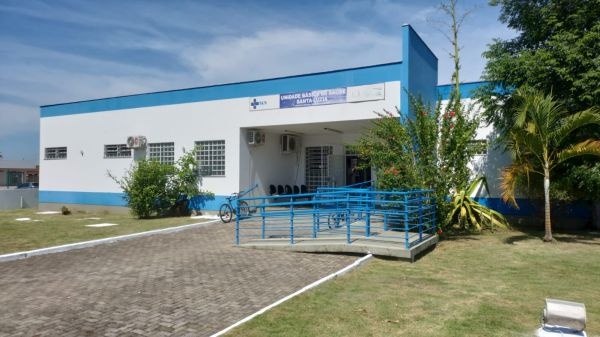
The Family and Community Medicine residency at UNESC has been accredited since 2016. Lasting 2 years with direct access, it is organized into different stages of primary health care (PHC), secondary health care (specialty outpatient clinics and management and planning areas), and tertiary health care (hospital services).
Residents have the opportunity to train in the areas of Outpatient Procedures, Specialized Outpatient Clinic for Chronic Wounds, Emergency and Urgent Care: Adult, Pediatric, and Obstetric, Public Health Management and Epidemiological Surveillance, Intrauterine Device (IUD) Insertion Outpatient Clinic, Adult Mental Health Outpatient Clinic, and Child CAPS. All these areas are distributed in the form of rotations throughout the 2 years of residency.
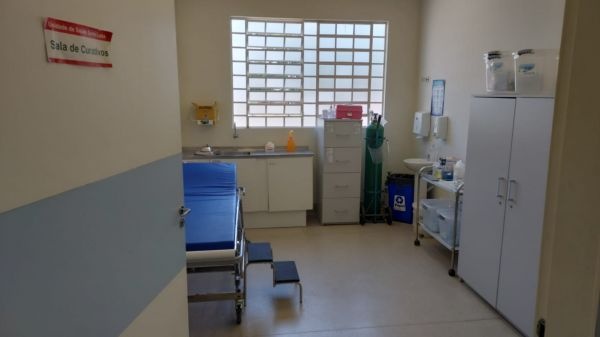
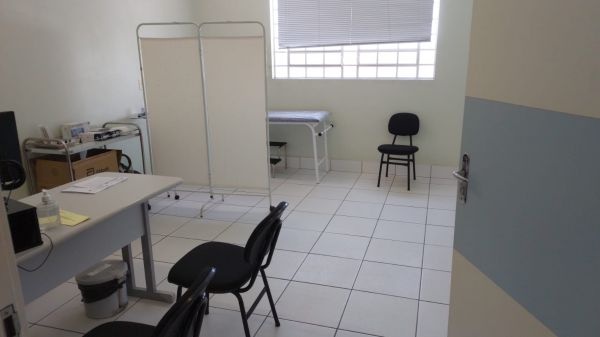
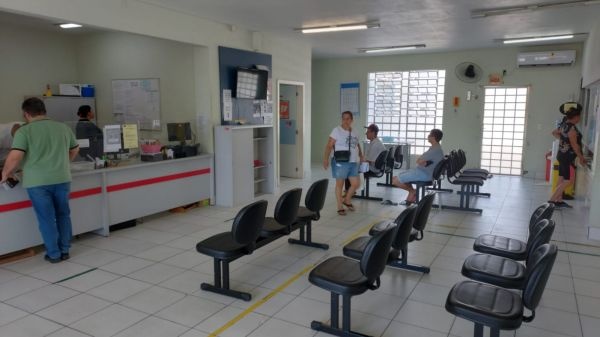
In addition to predominant activities in the Family Health Strategy Units in the municipality of Criciúma, it has its own preceptorship, theoretical classes, and access to the University Library and its databases.
Medical Residency Commission (COREME)
The Medical Residency Commission of Unesc - COREME UNESC - is an auxiliary body to the National Medical Residency Commission - CNRM, established at the University in partnership with health institutions to offer medical residency programs. Its function is to plan, coordinate, supervise, and evaluate the medical residency programs of the institution and the related selection processes.
COREME UNESC was created in 2016 to host the Family and Community Medicine (FCM) Residency Program. In 2019, two new programs were accredited: the Pediatrics Program and the Gynecology and Obstetrics Program. Currently, COREME's partner institutions include the Municipality of Criciúma, Santa Catarina Maternal and Child Hospital (IDEAS/SES - Santa Catarina), São José Hospital, São Donato Hospital, and the Municipality of Içara. The main practice space for students in the program is concentrated in Primary Health Care in Criciúma and at the Santa Catarina Maternal and Child Hospital.
Opportunities for specialists in Family and Community Medicine
- Work in Family Health Strategies
- Assistance in private practice and health plans
- Assistance or preceptorship of residents and undergraduates in PHC units
- Teaching activities in public and private universities
- Development of local research and international collaborations
- Tutoring and on-site and remote supervision of other professionals in PHC
- Assistance in low and high complexity hospital units
Target audience
Graduated physicians.
Coordination
Coordinator of COREME and Coordinator of the Family and Community Medicine Residency Program
Prof. Arthur Tavares Corrêa Dias
Secretary: Ana Carolina Vargas
Contact us:
Hours: 8 AM to 12 PM and 1 PM to 5 PM
Secretary: (48) 3431.2641
Location: Block S, Room 219, Universitária Avenue, 1105 - University Neighborhood - Postal Code: 88806-000 - Criciúma-SC
Email: residenciamedica@unesc.net
Curricular Information
Medical Residency Programs are in-service training courses designed for already graduated physicians. They are postgraduate courses that confer a specialist title in the studied area. This title is issued by the Ministry of Education through the National Medical Residency Commission (CNRM).
The CNRM defines the general and specific regulations for medical residency programs throughout the country. With the support of the State Medical Residency Commissions, they credential and oversee these programs.
All medical residency positions are necessarily paid in the form of a scholarship, with a workload of 60 hours per week throughout the duration of the course.
Theoretical and Practical Activities Medical Residency UNESC
1st Year of Residency:
Clinical care in Family Health Strategy
Internship in Child CAPS
Internship in Wound Outpatient Clinic UNESC
Internship in Adult Emergency – Emergency Room of São José Hospital
Internship in Ambulatory Surgery
Internship in Insertion and Removal of IUD – Women's Health Outpatient Clinic
Pediatric Emergency and Obstetric Center Shift Schedule
Theoretical classes
2nd Year of Residency:
Clinical care in Family Health Strategy
Elective Internship
Internship in Adult Mental Health Outpatient Clinic
Internship in Epidemiological Surveillance
Internship in Management at the Health Department of Criciúma
Internship in Adult Emergency – Emergency Room of São José Hospital
Internship in Insertion and Removal of IUD – Women's Health Outpatient Clinic
Pediatric Emergency and Obstetric Center Shift Schedule
Theoretical classes
Final Course Project
Documents
Medical Residency Program Project - Family and Community Medicine
Download file
Internal Regulations of COREME UNESC
Download file
Regulations for the Residency Conclusion Work (TCR)
Download file
Standard Week
Check out the organization of the Standard Week for the Family and Community Medicine Residency Program (PRMFC).
1st Year of Residency (R1-PRMFC)
| Activities in Primary Health Care Units | Activities in Primary Health Care Units | Activities in Primary Health Care Units |
| CAPSi x Wound Clinic (8 weeks) (8 weeks) |
Adult Emergency (4 weeks) |
Outpatient Surgery x IUD Insertion (8 weeks) (8 weeks) |
| Pediatric Emergency / CO (On-call shifts) |
Pediatric Emergency / CO (On-call shifts) |
2nd Year of Residency (R1-PRMFC)
| Activities in Primary Health Care Units | Activities in Primary Health Care Units | Activities in Primary Health Care Units | Activities in Primary Health Care Units |
| Epidemiological Surveillance (4 weeks) / IUD (4 weeks) / Outpatient Surgery (4 weeks) |
Adult Emergency | Management x Adult Psychiatry Clinic (4 weeks) (12 weeks) |
Elective |
| Pediatric Emergency / CO (On-call shifts) |
Pediatric Emergency / CO (On-call shifts) |
Coordination
Meet the course coordinator:-
Profº. Arthur Tavares Correa DiasCoordenador Comissão de Residências Médicas (COREME) da Unesc e Coordenador do Programa de Residência em Medicina de Família e Comunidade
Any questions?
Contact the course officePhone (48) 3431. 2641
TESTIMONIALS
Those who have chosen Unesc can help you
Check out some feedback
Viviane de Alencar Arraes Duran
Graduate of the Family and Community Medicine Residency
I had the opportunity to restart my academic life at UNESC, which was a great decision. I studied Medicine and then completed the Medical Residency in Family and Community Medicine at the same institution, which has always proven to be an Academic Center of excellence in everything it proposes to do and is focused on always offering the best for its students. Not to mention the team of preceptors and coordination, who are always concerned and attentive to our training. The Residency provided me with additional experience, with curricular internships in various areas of practice (adult, pediatric, and obstetric emergencies, minor surgeries, management and epidemiological surveillance, health regulation, child CAPS, among others), helping to complement my practice and giving me more confidence for my professional performance. Today I feel happy with my choice and grateful to everyone involved in this training process.
Berthier Alves Pereira de Matos
Graduate of the Family and Community Medicine Residency
The Family and Community Medicine Residency at Unesc was an important professional stage in my life. It was a great opportunity to be in a comprehensive program, under the guidance of this institution and the coordination of such committed, humane, and competent people. With the various activities and rotations proposed, such as mental health, health management and regulation, minor surgeries, pediatric, adult, and obstetric emergencies, among others, I was able to perceive my learning curve in the process. The case discussions with the preceptorship, always present and enriching, were certainly reasons that made a difference in my training. Gratitude to all of you for the great experience I had during these two years of training.