Course Presentation
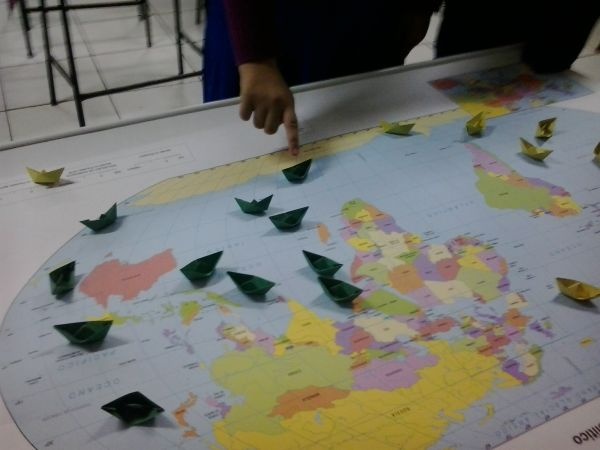
The Bachelor's degree in Geography - Teaching at Unesc focuses on training educators who develop skills in the areas of Geosciences, combining knowledge with excellence in education. It qualifies professionals to develop or enhance innovative teaching methods, with a broad and interdisciplinary perspective, prepared to analyze various aspects—natural and human, environmental, economic, political, and cultural—that are responsible for the dynamics of geographical spaces.
Differentials
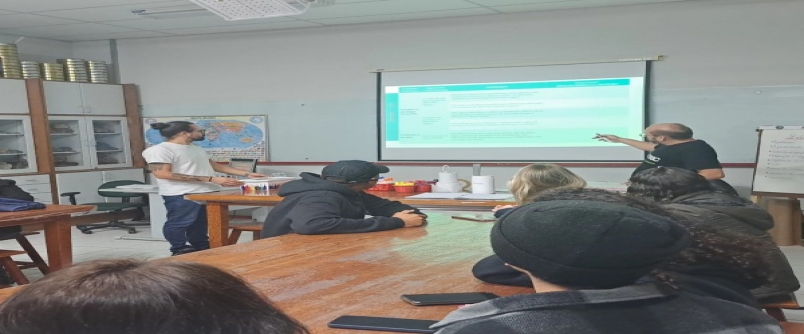
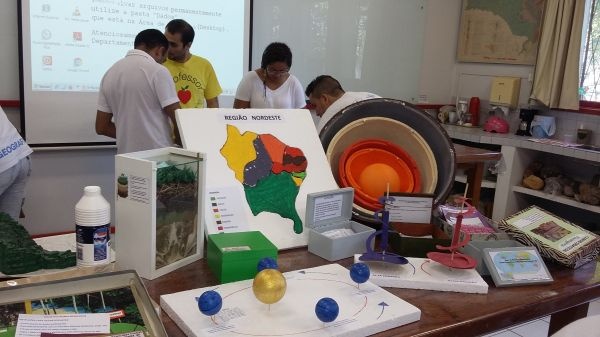
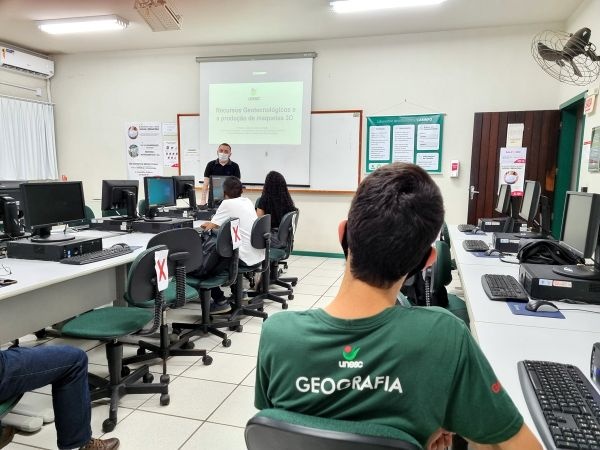
- Infrastructure with well-equipped classrooms, analog and digital library, individual and group study rooms; computer labs, Geomatics lab, Geosciences and Water Resources Management lab (LabGeoRH), and Archaeology lab (LAPIS).
- Qualified faculty with pedagogical experience and regional involvement, composed of doctors and masters, participating in research and extension groups and Graduate Programs (master's and doctoral).
- Quality of education, focusing on professional, critical, and interdisciplinary development, discussing current theoretical and methodological issues in Geography in Brazil and worldwide.
- Integrated and innovative curricular matrices.
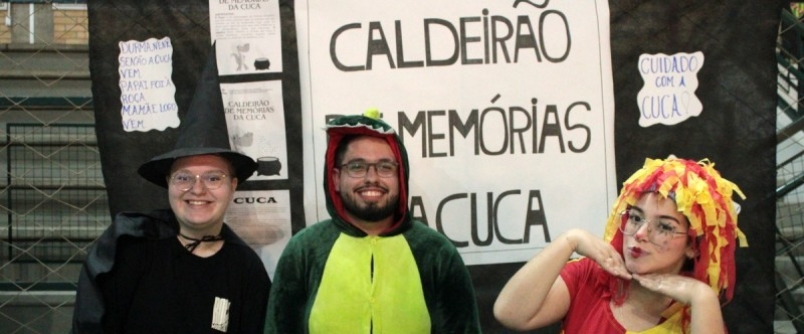
- Organization of fairs, meetings, conferences, extension courses, and the Geographic Academic Week, addressing current themes with the participation of relevant guests.
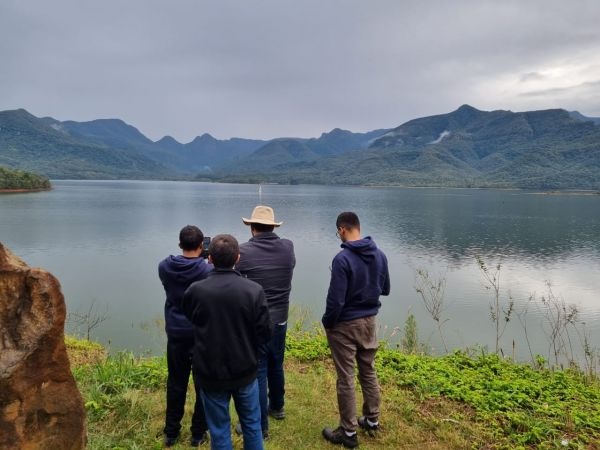
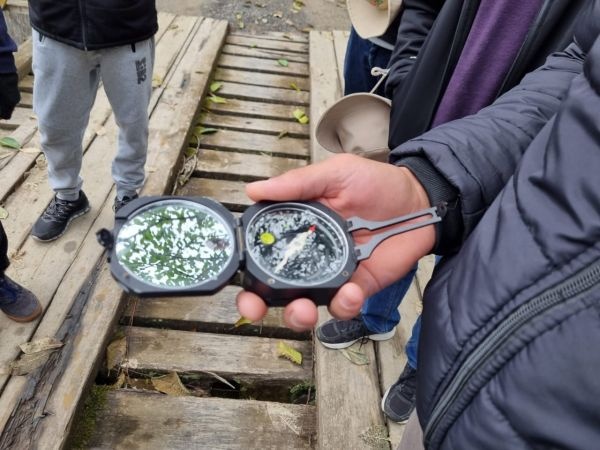
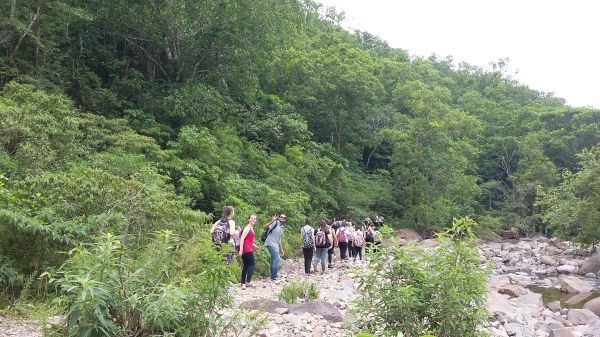
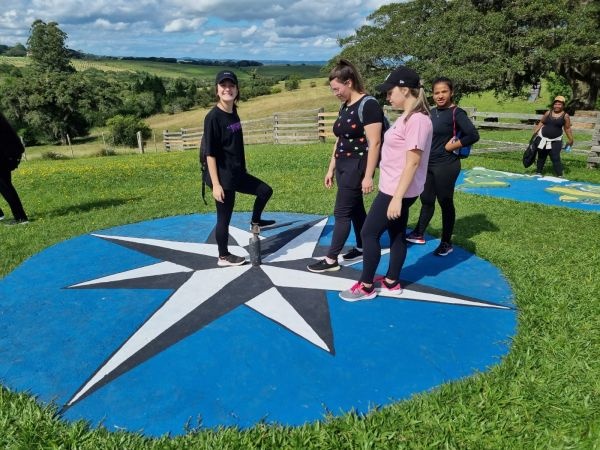
- Conducting interdisciplinary study trips to areas of interest in the extreme south of Santa Catarina and other regions of the State, Rio Grande do Sul, and Paraná.
- Participation in forums, congresses, symposiums, seminars, and courses for academic updating and deepening.
- Opportunity to participate in teacher training programs, with scholarships from Capes, such as PIBID (Institutional Program of Scholarships for Initiation to Teaching) and Pedagogical Residency.
- Encouragement of research and extension, with the possibility of participation from the early stages in research and extension projects.
- Projects and professional practice through mandatory and non-mandatory internships, involving the community.
- Strategic partnerships with schools in municipal, state, and private education networks; collaboration with other universities and watershed committees for project development.
- Possibility of using the structure of Colégio Unesc in the development of projects, internships, and practical activities
- Opportunity to participate in scholarship programs for access and permanence at the University, such as the Free University Program of the Government of the State of Santa Catarina and Nossa Bolsa from Unesc.
What will you learn?
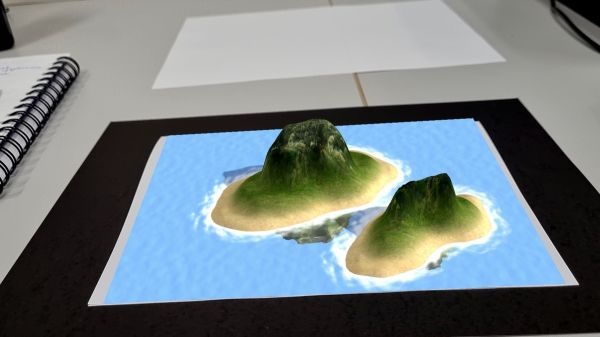
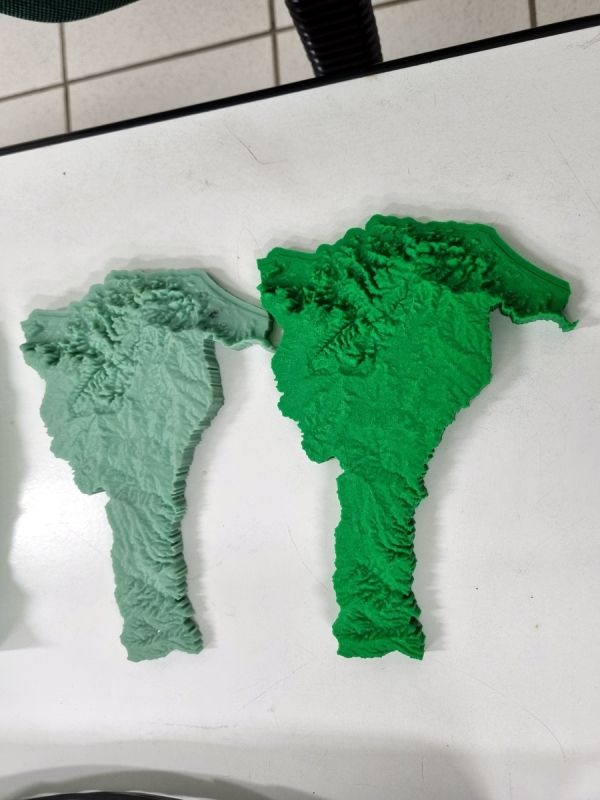
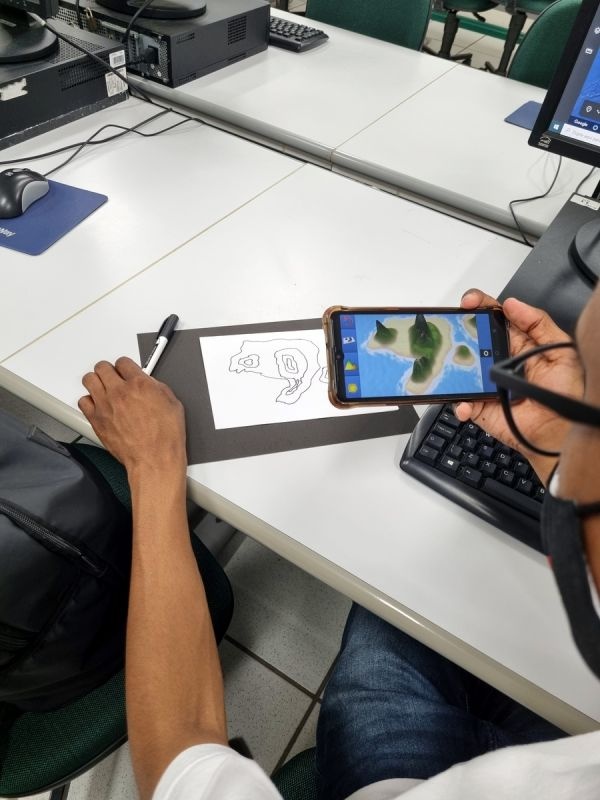
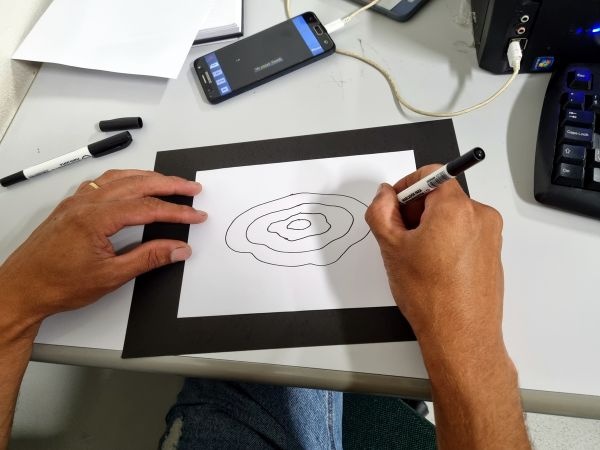
The Bachelor's degree in Geography prepares you to utilize knowledge about the concepts and methods of Geographic Science and their relations with Education. Reading, interpretation, and production of thematic maps, such as land use, relief, geology, risk maps, etc. The use of satellite images and geographic information systems. Understanding the structure and dynamics of natural environments (climate, rocks, relief, soils, ecosystems) and the mechanisms of emergence and expansion of cities and their planning. You will also be able to interpret the configurations of rural space and its influence on the production of food and raw materials for industries, always guided by ethics and professional responsibility.
Job Market
The Bachelor's degree in Geography focuses on teaching in Elementary and High School, in public and private networks, as well as pre-university courses, utilizing a solid geographical and didactic-pedagogical foundation. However, the job market is diverse. There is also the possibility of continuing studies in graduate programs, pursuing an academic career, and teaching in higher education.
The field of action includes educational projects in schools, neighborhood associations, watershed committees, NGOs, and other organizations that require geographical knowledge for planning and territorial development.
Subjects
| History of Education |
| Philosophy |
| Formative Laboratory I |
| Internship I |
| Introduction to Geographic Thought |
| Cartography and Geotechnologies |
| Pedagogical Practices Laboratory I |
| Policies and Legislation of Basic Education |
| Learning Theory |
| Internship II |
| Population Geography |
| Thematic Cartography |
| Geology |
| Pedagogical Practices in Geology |
| Pedagogical Practices Laboratory II |
| Sociology of Education |
| Management of Educational Processes |
| Didactics |
| Internship III |
| Climatology |
| Geomorphology |
| Pedagogical Practices in Geomorphology |
| Pedagogical Practices Laboratory III |
| Pedagogical Processes of Inclusive Education |
| Education and Human Rights |
| Libras |
| Internship IV |
| Teaching and Research in Archaeology |
| Agrarian Geography |
| Methodology of Geography Teaching |
| Pedagogical Processes of Digital and Media Culture |
| Extension, Teaching, and Research: Formative Dialogues |
| Internship V |
| Biogeography |
| Hydrography |
| Geography of Brazil |
| Text Production and Interpretation (TPI) |
| Extension and Sustainability in Teacher Training |
| Internship VI |
| Economic Geography |
| Geography of the World Space |
| Geography of Santa Catarina |
| Formative Laboratory II (Academic Writing) |
| Extension and Ethnic-Racial Relations in Teacher Education |
| Internship VII |
| Geography, Environment, and Environmental Education |
| Urban and Regional Geography |
| Thesis I |
| Extension, Gender, and Diversities in Teacher Education |
| Internship VIII |
| Cultural Geography |
| Geography of Tourism |
| Geopolitics and Organization of World Space |
| Thesis II |
Elective Courses
GEOGRAPHICAL WORKSHOP II
GEOGRAPHICAL WORKSHOP I
GEOGRAPHY OF THE COASTAL ZONE
THE PRODUCTION OF SPACE
WATER RESOURCES
BIOGEOGRAPHY
Academic Exclusive
[dropdown-title]Final Paper[/dropdown-title]
[dropdown-content]
In the Geography - Teaching Degree program, the guidance for the Final Paper (TCC) will take place in the Specific Core (NE) - TCC I course, in the 7th semester, in a face-to-face format, worth 3 credits / 60 hours. The development of the TCC will occur in the NE - TCC II course, in the 8th semester, also in a face-to-face format, worth 3 credits / 60 hours.
These courses total 120 hours and aim to engage students in academic research activities, as well as allow the execution of projects that complement the various curricular components offered throughout the program.
The TCC will be characterized as an initial practice of scientific investigation in accordance with the research lines of the Geography program at UNESC - Education (Education, Methodological Strategies and Knowledge Production, Education and Professional Training, Education, Languages and Spatial Representation); Social, Economic and Political Development (Economic History, Politics and Regional Development, Public Policies, Society and State); Environment (Monitoring and Recovery of Degraded Environments, Society, Environment and Development, Structure, Dynamics and Impacts on Natural Environments); Science, Technology and Innovation (Environmental and Territorial Planning and Management, Energy and Environment).
In the Geography program, the regulation of the TCC for the Multi matrix is established by a resolution from the Geography Course Collegiate. This regulation includes: the format for presenting the Final Paper as an article; the guidance format for faculty members of the course in TCC I and II; presentation of the article to a committee, followed by its revision and publication.
At the end of the process, the TCC may be made available, upon the student's consent, in the institutional digital repository of UNESC (http://repositorio.unesc.net) for access by the internal and external community.
[/dropdown-content]
[dropdown-title]Library[/dropdown-title]
[dropdown-content]
The Central Library Prof. Eurico Back – UNESC, has the mission to "Promote quality information retrieval, focusing on the development of teaching, research, and extension activities, combining technology and humanized service."
With open access to the shelves, the Library is located in an area of 2,688.50 m². The service hours are from Monday to Friday, from 7:30 AM to 10:00 PM, and on Saturdays from 8:00 AM to 1:00 PM.
The collection of books, periodicals, and multimedia, as well as the services of technical processing, local database consultation, periodical registration, loan, renewal, return, and reservation are fully computerized by the PERGAMUM Program, which was developed by the Data Processing Center of PUC/Paraná - PUCPR. The location of the works is organized by author, title, subject, or keyword.
The Collection Development Policy of the Central Library aims to define and implement criteria for the development of collections and the updating of the collection.
The Library's collection consists of 82,668 titles and 167,836 volumes of books, has 63 subscriptions to periodicals, and provides access to over 100 databases through the CAPES Periodicals Portal and other publicly accessible databases. It has a subscription to Minha Biblioteca, a database with over 11,000 e-books, in addition to the UpToDate and RT-Online databases.
[/dropdown-content]
[dropdown-title]Periodicals and Databases[/dropdown-title]
[dropdown-content]
-
...
-
...
-
...
[/dropdown-content]
[dropdown-title]Internship[/dropdown-title]
[dropdown-content]
Access here the Internship website
[/dropdown-content]
Coordination
Meet the course coordinator:-
Yasmine de Moura da CunhaCoordinator
Ratings Ranking

3
grade
CPC
4
grade
CC
5
grade
MEC
WHAT IS IT LIKE TO STUDY HERE?
Step into the world of the course
Press play on the video