Course Overview
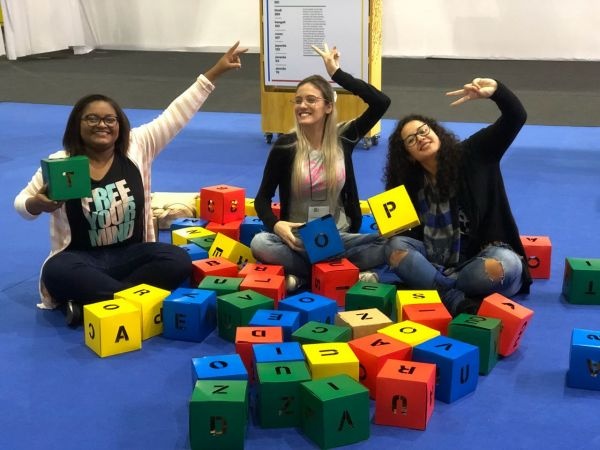
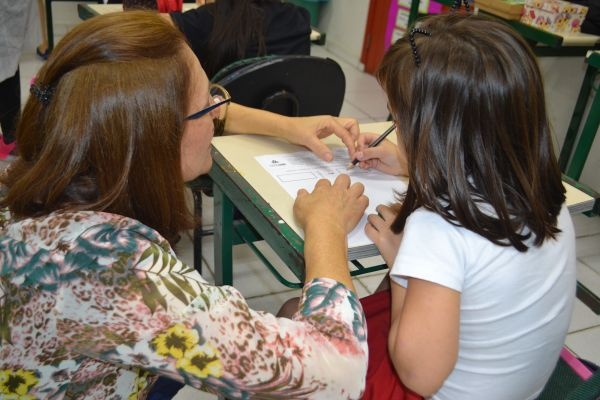
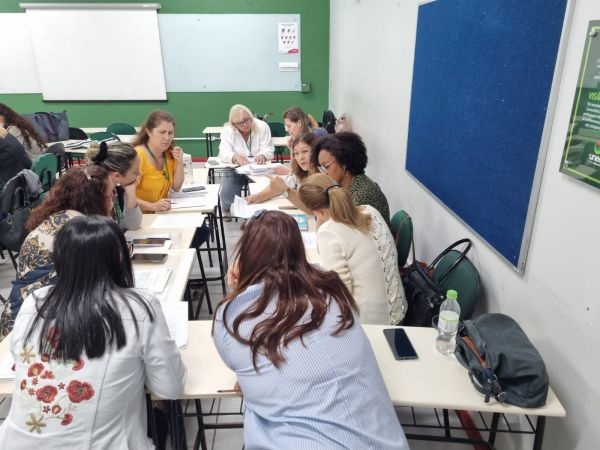
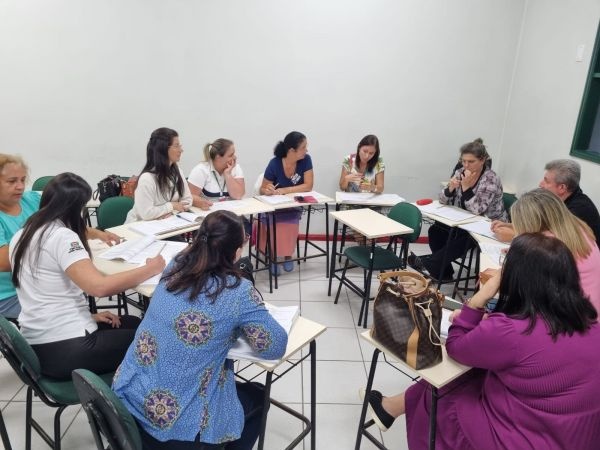
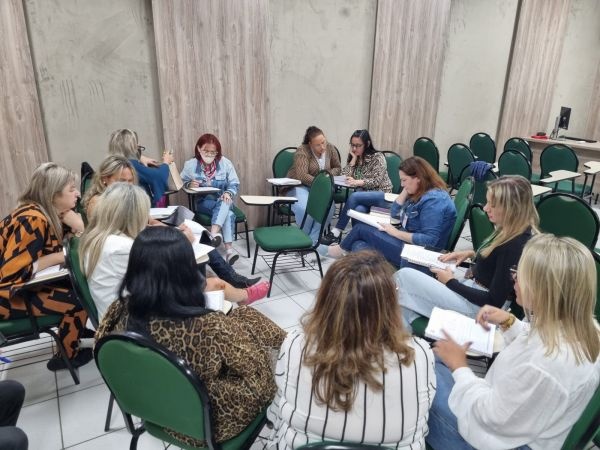
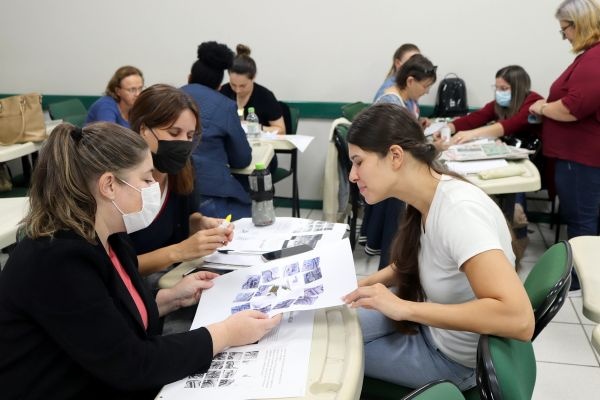
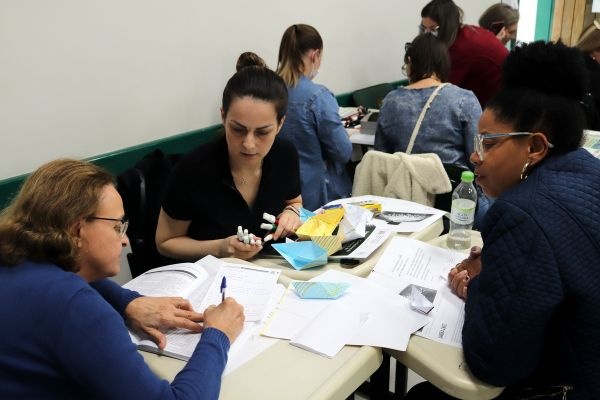
The undergraduate program in Pedagogy at Unesc has been training teachers for 50 years, aiming to develop and expand areas of knowledge. A qualified pedagogue for the job market needs to master the theories and processes related to learning and teaching, with the goal of promoting full citizenship, to work in different social and cultural realities.
The program emphasizes excellence in education, the expansion of knowledge, and professional and personal development. It stands out for its qualified faculty, reflection on teaching and learning processes, and innovative pedagogical proposals.
Differentials
- Access to non-mandatory internships;
- Opportunity to participate in programs with scholarships from Capes (Coordination for the Improvement of Higher Education Personnel): Pibid (Institutional Program for Teaching Initiation Scholarships) and Pedagogical Residency;
- Qualified professors who are part of research groups, extension projects, and Graduate/Master's and Doctoral Programs;
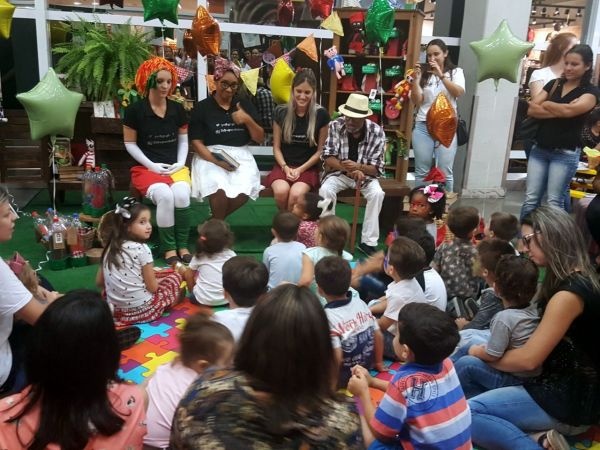
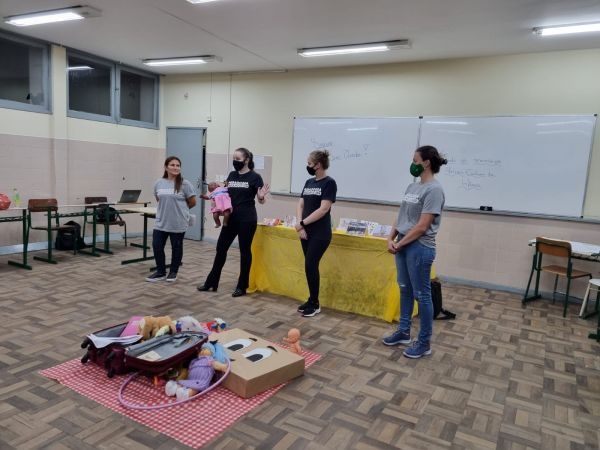
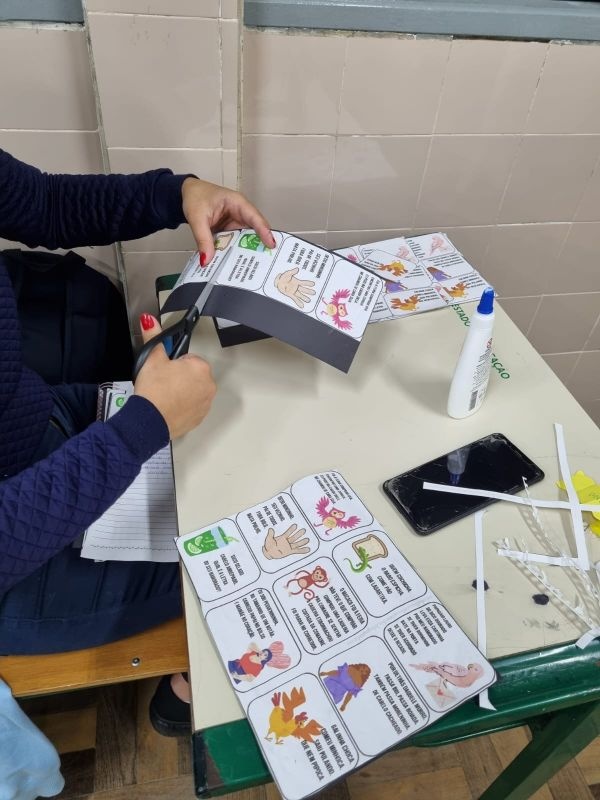
- Laboratories for Pedagogical Practices, Computer Science, and Toy Library;
- Research and Extension Groups linked to the course;
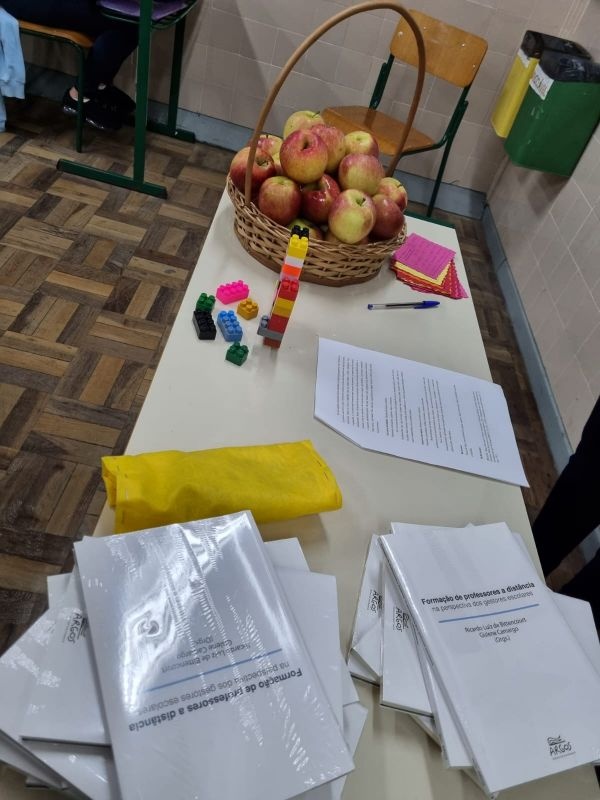
- Own journal: Pedagogical Knowledge;
- Partnerships with municipal, state, and private education networks.
What will you learn?
The specific knowledge related to the training of pedagogues pertains to pedagogical processes in sciences, history, arts, mathematics, Portuguese language, geography, physical education, literacy, and reading and writing, in the segments of early childhood education, early years, education for youth and adults, and school management. Additionally, a pedagogue needs to understand the psychology of human development, the history of education, philosophy, and sociology.
Job Market
The pedagogue can work in School Management, Early Childhood Education, Early Years of Elementary Education, Education for Youth and Adults, and in pedagogical subjects in High School. Graduates of the program have achieved good rankings in public competitions and selection processes for public and private schools.
Subjects
| (Nca)-Practice as a Curricular Component - PCC I |
| (Nci)-Formative Laboratory I |
| Education and Artistic Languages |
| Theoretical and Methodological Foundations of History of Education Teaching |
| Children's and Young Adult Literature |
| Pedagogy and Teaching Profession |
| (Nca)-Philosophy |
| (Nca)-Practice as a Curricular Component - PCC II |
| (Nca)-Text Production and Interpretation |
| Education, Movement, and Corporeality |
| Theoretical and Methodological Foundations of Sociology of Education Teaching |
| Pedagogical Processes in Geography |
| Developmental Psychology |
| (Nca)-Practice as a Curricular Component III |
| Didactics I |
| Theoretical and Methodological Foundations of Philosophy of Education Teaching |
| Theoretical and Methodological Foundations of Learning Theories Teaching |
| Pedagogical Processes in Early Childhood Education I |
| Pedagogical Processes in Literacy and Reading I |
| (Nca)-Practice as a Curricular Component - PCC IV |
| (Nca)-Pedagogical Processes in Inclusive Education |
| Didactics II |
| Pedagogical Processes in Early Childhood Education II |
| Pedagogical Processes in Literacy and Reading II |
| Pedagogical Processes in Mathematics I |
| (Nca)-Management of Educational Processes |
| (Nca)-Practice as a Curricular Component - PCC V |
| (Nca)-Pedagogical Processes in Digital Culture |
| Pedagogical Processes in Sciences |
| Pedagogical Processes in History |
| Pedagogical Processes in Portuguese Language |
| Pedagogical Processes in Mathematics II |
| (Nca)-Policies and Standards of Basic Education |
| (Nca)-Practice as a Curricular Component - PCC VI |
| (Nci)-Formative Laboratory II |
| Learning Assessment |
| Internship I - Early Childhood Education |
| Pedagogical Processes in Youth and Adult Education |
| (Nca)-Education and Human Rights |
| (Nca)-Libras |
| (Nca)-Practice as a Curricular Component - PCC VII |
| Curricula in Educational Contexts |
| Internship II - Early Years |
| Psychopedagogical Foundations of Teaching |
| (Nca)-Practice as a Curricular Component - PCC VIII |
| Sex Education |
| Academic Writing in Education |
| Internship III - Education for Youth and Adults and High School Pedagogical Subjects |
| Childhoods and Youths |
| Non-School Educational Processes |
Electives
Cultural Anthropology
Physical Activity and Quality of Life
Cinema and Education
Afro-Brazilian and Indigenous Culture
Environmental Education
Education for Diversity
Sex Education
Musical Expression
Teacher Training: Policies and Practices
Theatrical Language and Education
Applied Linguistics to Literacy
Curricular Organization by Training Cycles
Academic Exclusive
[title-dropdown]Thesis[/title-dropdown]
[content-dropdown]...
[/content-dropdown]
[title-dropdown]Library[/title-dropdown]
[content-dropdown]
The Central Library Prof. Eurico Back – UNESC aims to "Promote quality information retrieval, focusing on the development of teaching, research, and extension activities, combining technology and humanized service."
With open access to the shelves, the Library is located in an area of 2,688.50 m². The service hours are from Monday to Friday, from 7:30 AM to 10:00 PM, and on Saturdays from 8:00 AM to 1:00 PM.
The collection of books, periodicals, and multimedia, as well as the services for technical processing, local database consultation, periodical registration, loan, renewal, return, and reservation, are fully computerized by the PERGAMUM Program, which was developed by the Data Processing Center of PUC/Paraná - PUCPR. The location of the works is organized by author, title, subject, or keyword.
The Collection Development Policy of the Central Library aims to define and implement criteria for the development of collections and the updating of the collection.
The Library's collection consists of 82,668 titles and 167,836 volumes of books, has 63 subscriptions to periodicals, and provides access to over 100 databases through the CAPES Periodicals Portal and other publicly accessible databases. It has a subscription to Minha Biblioteca, a database with over 11,000 e-books, in addition to the UpToDate and RT-Online databases.
[/content-dropdown]
[title-dropdown]Periodicals and Databases[/title-dropdown]
[content-dropdown]
-
...
-
...
-
...
[/content-dropdown]
[title-dropdown]Internship[/title-dropdown]
[content-dropdown]
Access here the Internship website
[/content-dropdown]
Coordination
Meet the course coordinators:-
Andréa Rabelo MarcelinoCoordinator
-
Gislene CamargoDeputy Coordinator
Ratings Ranking

4
grade
CPC
4
grade
CC
WHAT IS IT LIKE TO STUDY HERE?
Step into the world of the course
Press play on the video